You Gotta Hear This: New Music From Josh Shilling, Talia Rose, and More

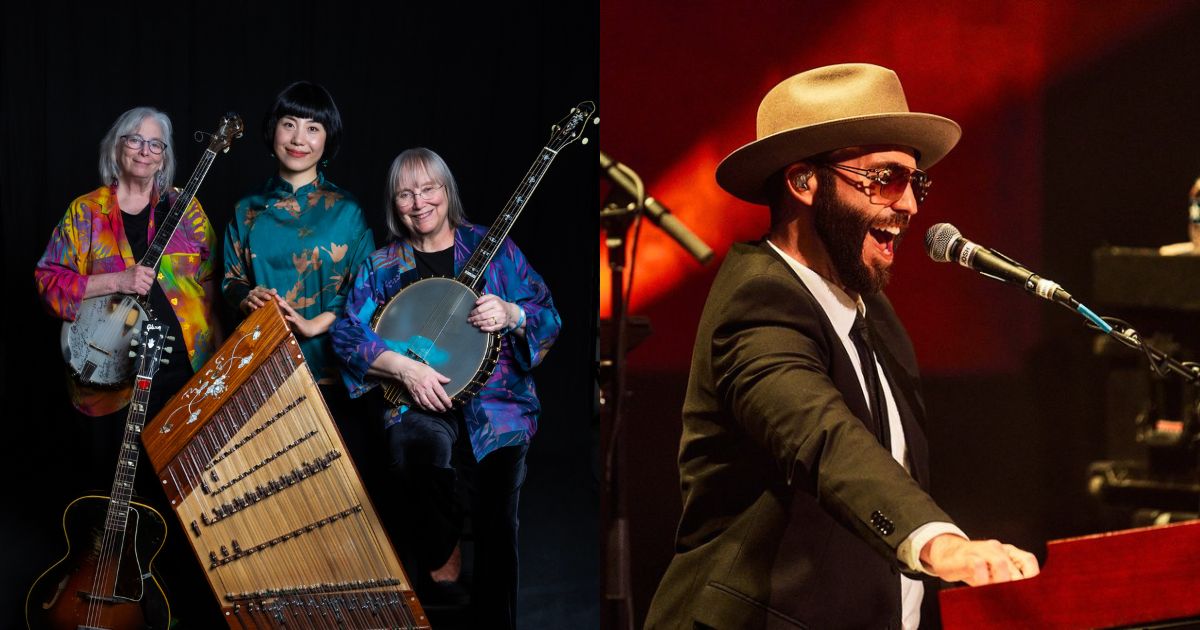
After a quiet holiday week last week for new music releases, we’re back with quite a few excellent song and video premieres on this fine Friday. Fiddler-songwriter Chris Murphy brings us the title track for his new EP, The Red Road, and folk legends Cathy Fink & Marcy Marxer team up with Chinese hammered dulcimer player Chao Tian for another single from their From China to Appalachia project.

Don’t miss a new video and radio single from Wilson Banjo Co. called “Memphis Anymore,” plus, indie-folk singer-songwriter Talia Rose brings us a video for a surprisingly holiday-inspired track, “In August.” To round us out, multi-instrumentalist and hit bluegrass songwriter Josh Shilling performs “Main Street” by Bob Seger for a new Bob Seger bluegrass tribute album, Silver Bullet Bluegrass, that you’re sure to love. And, you’ll want to catch our latest DelFest Session with East Nash Grass, which we premiered on the site earlier this week.

It’s another collection of incredible premieres on BGS – and You Gotta Hear This!

Chris Murphy, “The Red Road”

Artist: Chris Murphy
Hometown: Los Angeles, California
Song: “The Red Road”
Album: The Red Road
Release Date: July 5, 2024
Label: Teahouse Records

In Their Words: “I went to Hawaii for the month of January 2024, ostensibly on vacation. I discovered there was a recording studio next door to where I was staying, so I spent twelve of my vacation days in a 14′ x 16′ room with no windows making a new EP. ‘The Red Road’ is a song about the joy and magic of life, a red-headed girl, and the great riddle of what it means to be yourself, in the best of times & the worst of times. I send this out to all of us still brave enough to keep searching for the light on ‘The Red Road.'” – Chris Murphy


From China to Appalachia, “Three Rules of Discipline and Eight Points for Attention”

Artist: Cathy Fink & Marcy Marxer with Chao Tian
Hometown: Silver Spring, Maryland
Song: “Three Rules of Discipline and Eight Points for Attention”
Album: From China to Appalcahia
Release Date: July 9, 2024 (single)
Label: Community Music

In Their Words: “‘Three Rules of Discipline and Eight Points of Attention’ comes from both Chinese traditions and Pete Seeger. Chao grew up with this melody, but brought it to the trio when she heard a Pete Seeger and Arlo Guthrie recording from 1975 performing this song and getting the whole audience whistling along. We did many concerts with Pete and needless to say, he was an early practitioner of Cultural Diplomacy, plus a banjo hero, friend, and mentor. Our live audiences were recorded in Piedmont, Virginia during three concerts with schools and community members. We hope you’ll sing along, too.” – Cathy Fink

Read our interview feature on From China to Appalachia here.


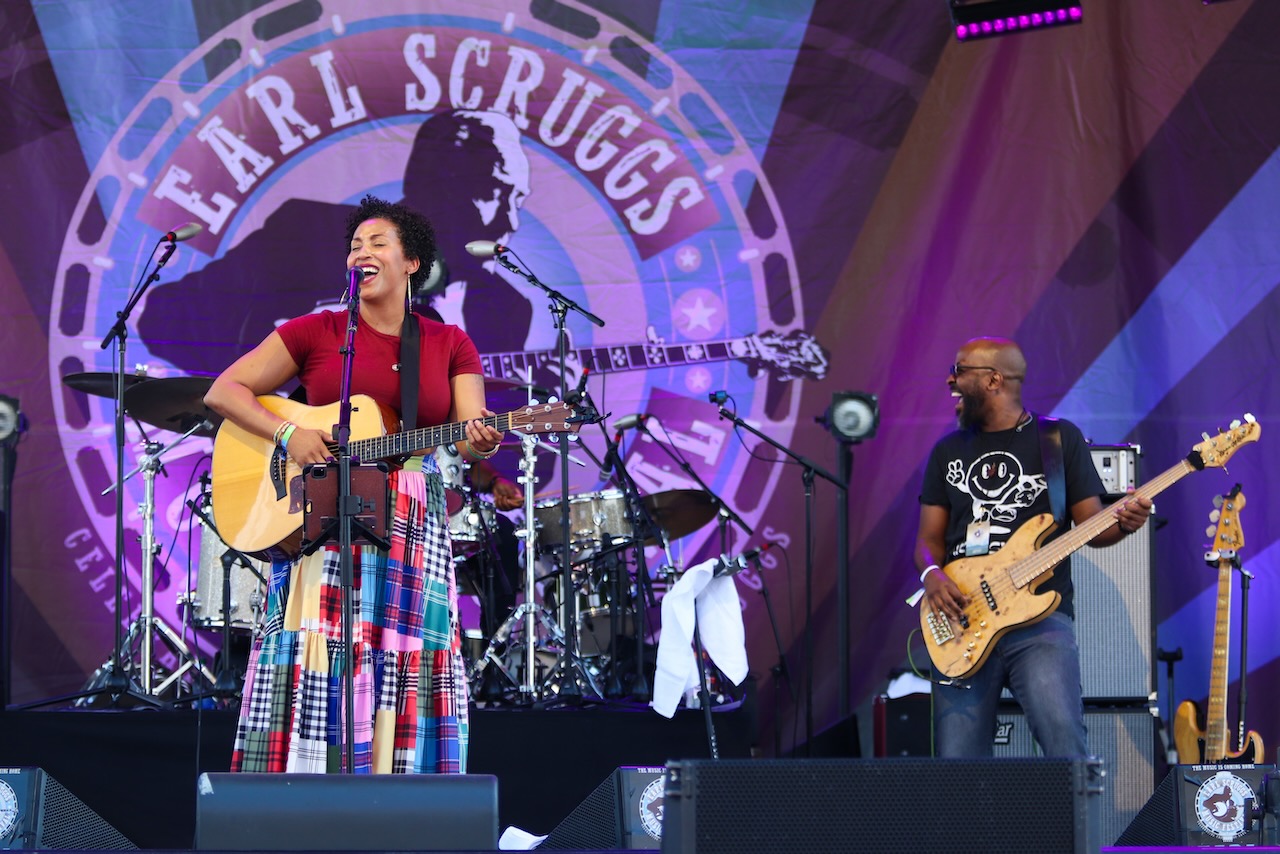
Talia Rose, “In August”

Artist: Talia Rose
Hometown: Boston, Massachusetts
Song: “In August”
Album: Carry it Closely
Release Date: July 16, 2024 (single); August 20, 2024 (album)

In Their Words: “This song was written on request – I was doing a string of holiday shows with Naomi Westwater, who asked if I had any winter-y songs to add to the setlist. I didn’t, but I got to work, and came up with a song called ‘In August’ – oops. I ate up the challenge of trying to find rhymes for all those months; I love syntax challenges like that. As I started performing the song, I added that breakdown section in the middle, originally to play by myself during solo gigs to give my voice a break. Arranging that part with a rhythm section was fantastic, Chris and Gen picked it up right away. The version on the record’s got some really funky organ sounds from Jack Broza, who co-produced the album, and luxurious stacks of harmonies from Heather Scott. Bringing other people into the development of a song is such a gift.” – Talia Rose

Track Credits:
Talia Rose – Lyrics, composition, arrangement, guitar, voice
Heather Scott – Guitar, voice
Chris Sartori – Bass
Gen Yoshimura – Drums

Video Credits:
Micah Nicol – video
Dan Cardinal – audio, mixing


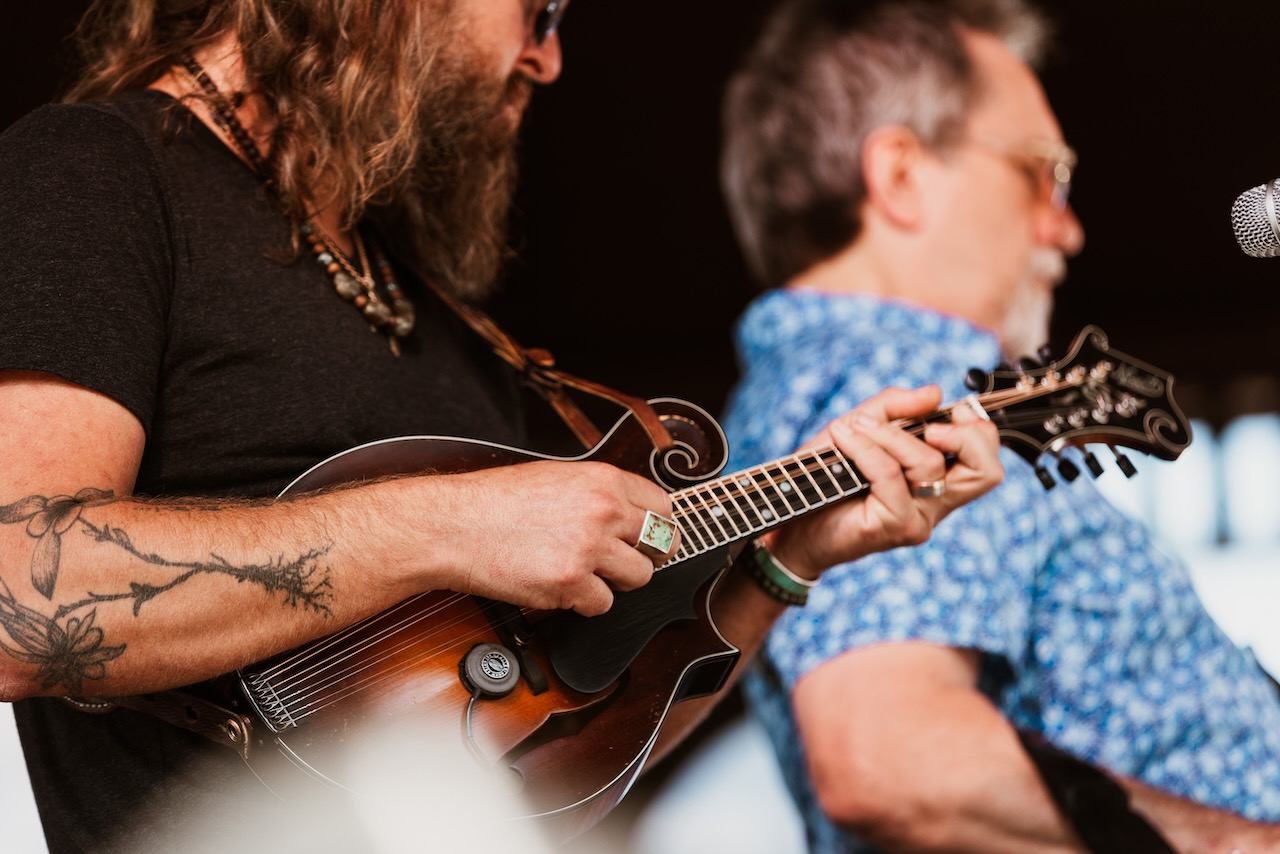
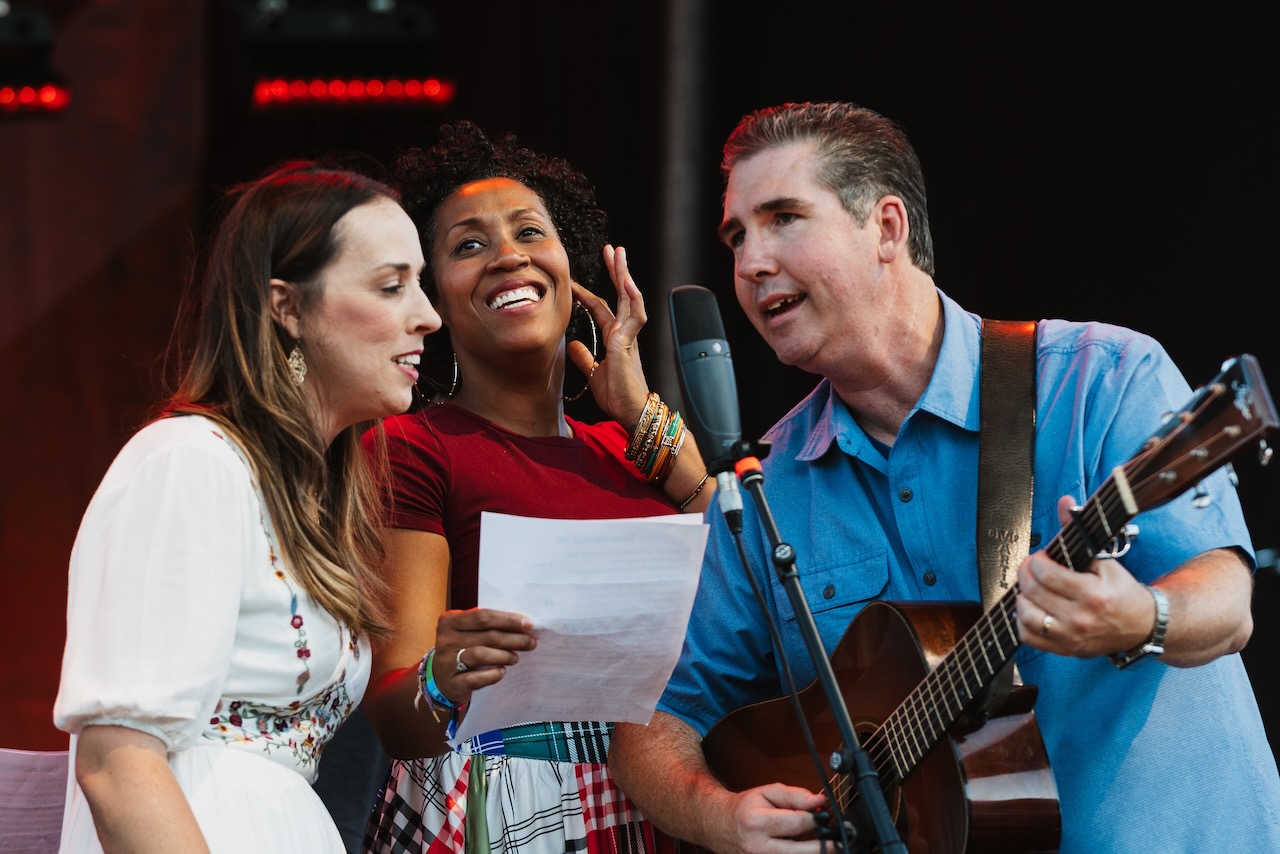
Josh Shilling, “Main Street”

Artist: Josh Shilling
Hometown: Martinsville, Virginia
Song: “Main Street”
Album: Silver Bullet Bluegrass 
Release Date: July 12, 2024
Label: Lonesome Day Records

In Their Words: “I’ve toured with bluegrass bands like Mountain Heart for years and recorded with Del McCoury, Rhonda Vincent, Tony Rice, and everyone between, but I cut my teeth on Bob Seger and similar artists. I’ve always covered classic rock songs live and I’m sure that’s why Randall [Deaton] thought of me.

“I mainly remember listening to my vocal repeatedly and worrying that it wasn’t good enough. Seger’s original performance is ridiculously good with so much character, tone, soul, and cool phrasing. I was terrified of not doing the song justice somehow. I hope he’d be proud of how this one ended up!

“Bob Seger is one of the artists that my parents love. I grew up with his albums. Silver Bullet Band, Live Bullet, Beautiful Loser, Greatest Hits, and so on… I had all his records and I knew all of the songs vocally and on piano and guitar. I could have sung every song on this project without a lyric sheet! I sang Bob’s songs in every honky-tonk between Martinsville, VA and Nashville growing up. His voice doesn’t even sound human to me at times. There’s a magical soulful growl that he pulls from that only he can. You would have definitely heard the music of Paul Rogers, Ray Charles, Gregg Allman, Bob Seger, as well as Tony Rice, Blue Highway, and many others blasting from my bedroom growing up. Bob is definitely a major influence of mine.

“This song is such a classic. Everyone recognizes the song within the first two seconds of it coming on. That beautiful guitar melody right out of the gate, the storyline, and that magical scene change when the chord progression goes to the bridge. It’s a masterpiece that’s as good today as the day it came out. I could sing any song by Bob Seger. I love them all including the deep cuts. That said, I must have performed ‘Main Street’ a thousand times in clubs growing up, so that song was an obvious choice. I’m pretty sure I was the first person to record a vocal for this project, and this song was where we quickly landed.” – Josh Shilling

Track Credits:
Shawn Brock and Gary Nichols – Guitar
Shawn Brock – Mandolin
Mike Bub – Bass
Megan Lynch Chowning – Fiddle
Wayne Bridge – Dobro

Producer: Randall Deaton
Engineers: Randall Deaton and Jimmy Nutt
Tracking Studios: Lonesome Day Recording Studio, Booneville, KY and The NuttHouse Recording Studio, Muscle Shoals, AL
Mixing Studio: The NuttHouse Recording Studio, Muscle Shoals, AL


Wilson Banjo Co., “Memphis Anymore”

Artist: Wilson Banjo Co.
Hometown: Westminster, South Carolina
Song: “Memphis Anymore”
Album: Memory Lane
Release Date: July 12, 2024 (radio single); March 22, 2024 (album)
Label: Pinecastle Records

In Their Words: “We are very excited to release ‘Memphis Anymore’ as a single to radio and had so much fun making this video. This is easily one of our favorites on the record and the writers, Jessica Lynne Witty and Karli Chayne have our deepest gratitude for such a great song. There’s a lightness and joy in this otherwise ‘breakup’ song, it’s just a fun listen and just as enjoyable to play with the band.” – Steve Wilson

Video Credit: Bonfire Recording Studio


DelFest Sessions: East Nash Grass

Our DelFest Sessions continue this week with East Nash Grass, as we relive the iconic Memorial Day weekend festival and return to the banks of the Potomac River for another stellar live performance. In the shade on the river’s banks, BGS contributors and videographers I Know We Should captured a high-quality handful of sessions with artists and bands from the DelFest lineup.

This time, we’re featuring an multiple IBMA Award-nominated band known for their long-running East Nashville residencies and their critically-acclaimed 2023 album, Last Chance to Win – from which they pulled their first selection, “Papa’s on the Housetop.” It’s a slinky and bluesy track that demonstrates just a few of the many styles synthesized and metamorphosed into bluegrass by these cracking players.

Watch the entire DelFest Session and read more here.


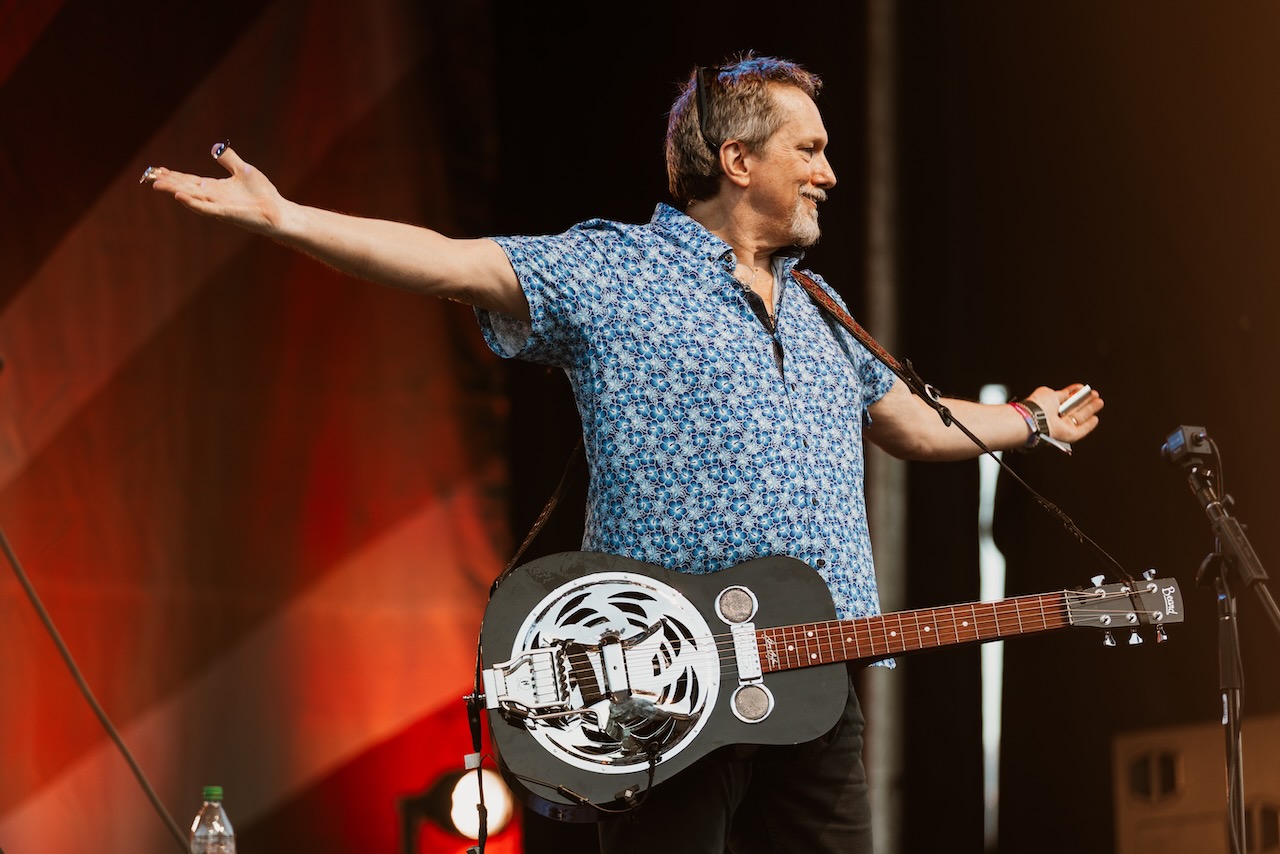
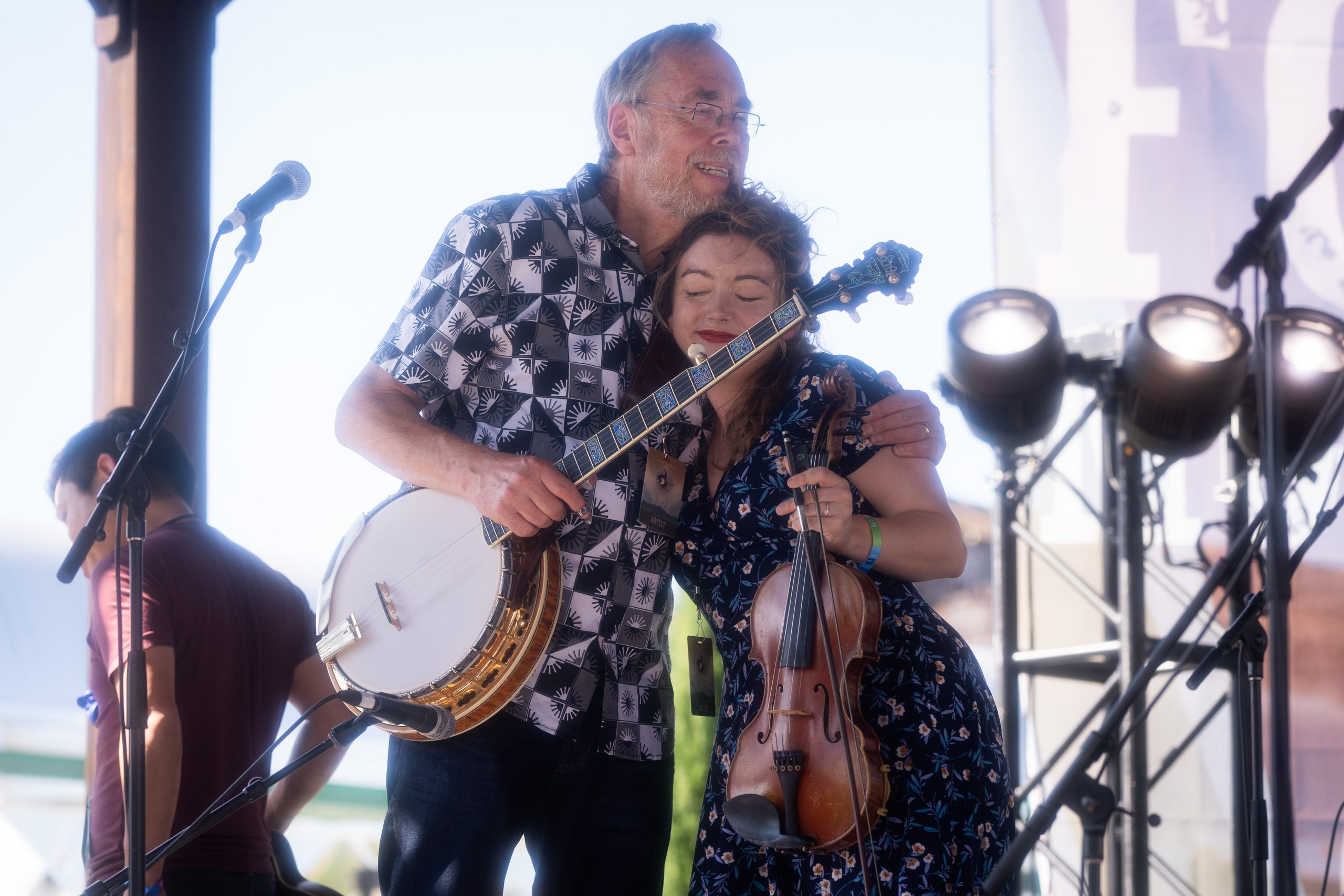
Photo Credit: Cathy Fink, Marcy Marxer, and Chao Tian by Jeff Fasano; Josh Shilling by Thomas Crabtree.
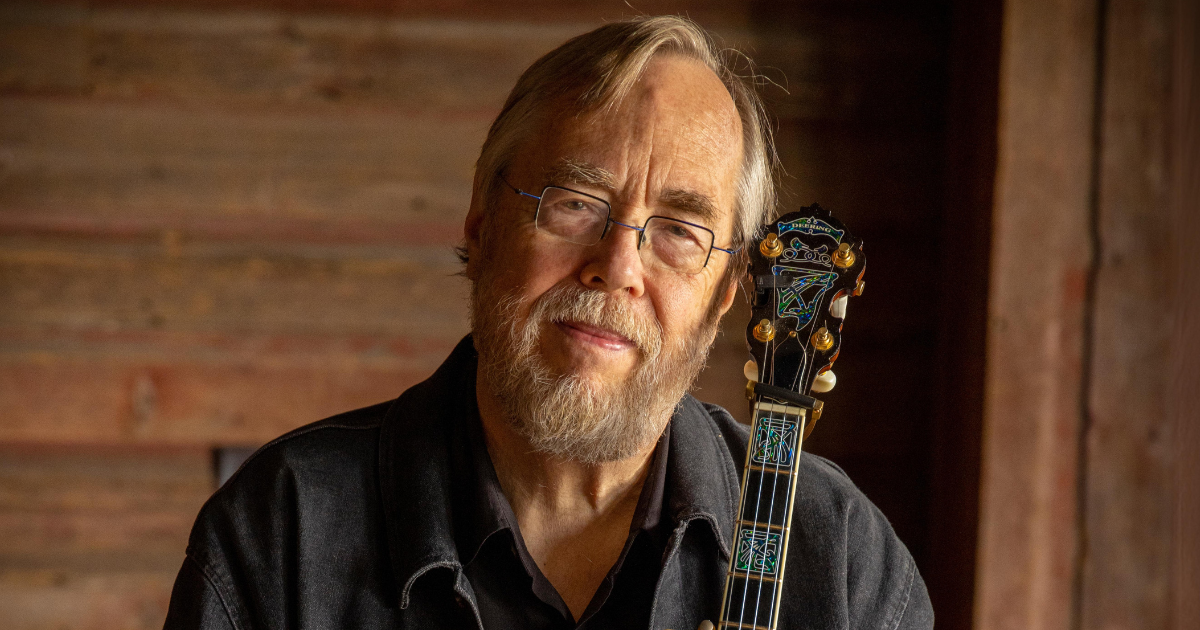
Artist of the Month: Tony Trischka

(Editor’s Note: Find our Essential Tony Trischka Playlist below.)

Banjoist Tony Trischka is a brilliant creator, an entertainer, and educator who makes his own time. He’s always on the run, trying new things and yet also always ready to stop and have a friendly chat and a catch up. His musical life includes teaching, performing, and recording as well as studying music history. And, at a very young 75, he’s always up for an impromptu jam.
In 1976, when he was 28, Oak Publications published his Melodic Banjo, an instruction book featuring his transcription tablatures of pieces by and introductions to the top players of this new style of bluegrass banjo in which he was already recognized as a virtuoso. The book became a modern bluegrass banjo classic and was later published in new editions by Hal Leonard.

When Rounder reissued Tony’s first two albums as Tony Trischka the Early Years, Berklee’s Matt Glaser wrote:

Rarely, perhaps three or four times a century, some music will be created that is a pure explosive expression of life energy and uncontaminated joy. The music on this CD is, in my humble opinion, exactly that. … I put Tony’s early music in the same category as the best of Charles Mingus, Cecil Taylor, Scotty Stoneman, and Wagner, mad and magnificent. … It’s some of the most unjustly neglected of all popular music masterpieces.

Tony’s passion about bluegrass banjo history came to the fore in 1988 when he co-edited “the most comprehensive banjo book ever written,” Masters of the 5-String Banjo, with Pete Wernick, his partner in the early ‘70s band Country Cooking.

There’s not enough room here to write about Tony’s full career, but it’s important to know that in addition to performing on the banjo doing everything from straight-ahead bluegrass to rock, avant garde, and theater, he’s also a band leader, producer, teacher and historian. A Grammy nominee and winner of the IBMA’s 2007 Banjo Player of the Year award, he now teaches an online banjo course for ArtistWorks, and continues to appreciate the pleasures and challenges of jamming – the subject of his latest album, Earl Jam, which was released June 7 on Down The Road Records.

I met Tony in 1986 in New York where I was giving a lecture to promote my new book, Bluegrass: A History. We got together afterward to explore our shared interest in bluegrass banjo. Since then, we’ve worked together on several projects, the latest being Earl Jam.

In November 1990, we reconnected at the Tennessee Banjo Institute. He took me to hear Institute faculty member Carroll Best, a North Carolinian who’d been playing melodic banjo since the ’50s. We ended up together at Best’s campsite. In 1992, Banjo Newsletter published our interview of him along with Tony’s transcription of his work.

Trischka’s 1993 album, World Turning, reflected his eclectic experiences in taking the banjo to the world. Bob Carlin called it “his bid to move the instrument back into the mainstream.” Beginning with an African tune, he explored the banjo in a variety of genres – minstrel, classical, old-time, ragtime, new acoustic, and rock, along with his own brand of bluegrass.

In 2001, Tony and I reconnected at Banjo Camp North in Massachusetts. In addition to its concerts and workshops featuring big-name instructors like Tony, Bill Keith, Pete Wernick, Tony Ellis, and Bill Evans, there was free time for informal music-making. Tony and I spent a pleasant evening jamming together.

For his 2007 album, Double Banjo Bluegrass Spectacular, Trischka recorded duets with 10 banjo pickers, with backing by top-flight bluegrass instrumentalists. These recordings have taken on new meaning now that some of his musical partners on this award-winning production – Earl Scruggs, Kenny Ingram, Bill Emerson, and Tony Rice – are no longer with us. The album introduced a generation of young musicians, showing the remarkable depth of Tony’s musical connections.

Tony’s brand new Down The Road album, Earl Jam: A Tribute to Earl Scruggs, reflects his longstanding interest in bluegrass banjo’s late founder. The album began during the pandemic, when Banjo Newsletter columnist, Bob Piekiel, author of “Earl’s Way” and a Scruggs family friend, sent Tony a thumb drive containing two hundred songs and tunes recorded at jams with Earl Scruggs and John Hartford during the ’80s and ’90s.

Tony and Piekiel had been working on the “tabs” – tablatures – for a new Scruggs banjo book. Since the early 1970s, bluegrass banjo tabs have been key musical manuscripts. None are more important than those of Scruggs, whose iconic statements – the ones he recorded – were published by Scruggs himself in tabular form in 1968. Many banjo pickers learned “Foggy Mountain Breakdown” and other familiar favorites from Scruggs’ tabs.

Like any written music, tablatures are scores meant to describe how music is created on an instrument, while simultaneously prescribing how it is to be reproduced. Tony made tabs of Earl’s jam breaks so that he could recreate them. Jamming with Hartford, Scruggs played familiar pieces he’d never before recorded or performed in public. On that thumb drive, Tony found Scruggs’ impromptu banjo statements as interesting and entertaining as the old familiar recorded and transcribed ones from his commercial appearances.

Change and innovation are part of the ambiance at jam sessions. Playing an old tune or song in a new way is a sure route to pleasant interaction in these friendly musical conversations. Here, ideas are expressed, tested, embraced. Participants play for their own delectation and to pique the interests of the other jammers.

It’s not easy for those of us who enjoy hearing commercially produced Nashville music to know what goes on informally and privately in that town’s local music scenes. Beyond the bars, stages, and studios, away from the producers, who jams with whom? In 1998 when Tony interviewed the late Bobby Thompson, melodic banjo pioneer and Nashville studio A-lister, he got Bobby’s answer to that question:

Scruggs, he’s real nice. Me and him would get together and play a lot. Lately I do him and John Hartford and bunch of them come over here a lot.

In his notes to Earl’s 1972 album, I Saw the Light with Some Help from My Friends (Columbia KC 31354), Bill Williams wrote about star-packed jams at the Scruggs home, calling it “a gathering place, a watershed of talent, a place to be oneself,” adding that “while the industry has known many outstanding jam sessions, there are none quite like these.” By that time, jams had been going on at the Scruggs house for a long time.

A number of the old Flatt & Scruggs songbooks published snapshots from ’60s jam sessions at the Scruggs home. And just as some people took snapshots at such sessions, others made recordings. John Hartford had recorded his jams with Earl and given Piekiel a copy because he worried that if his house burned down all those jam recordings would be lost.

Nashville pros like Thompson and Hartford – whose success as a singer-songwriter (“Gentle On my Mind”) underwrote a unique career – would, as Thompson said, “get together and play a lot” with Scruggs. Hartford, a Scruggs fan from an early age, played the fiddle while listening with pleasure to Scruggs’ banjo statements, and began bringing a tape recorder along.

Earl and John had played what they knew, taking pleasure in attacking old favorites in new ways. After learning and transcribing Earl’s banjo jam breaks, Tony put together a band to showcase them in a show at in the New York club Joe’s Pub. What people heard was first-class bluegrass musicians along with Tony’s musical recreation of Scruggs performing an eclectic repertoire – pre-war and post-war country classics, traditional tunes, rock, bluegrass, folk and more.

On Earl Jam, which grew out of Tony’s showcase band, we hear leading contemporary artists, including Sam Bush, Michael Cleveland, Dudley Connell, Michael Daves, Jerry Douglas, Sierra Ferrell, Béla Fleck, The Gibson Brothers, Vince Gill, Brittany Haas, Del McCoury, Bruce Molsky, Billy Strings, and Molly Tuttle, in new musical conversations with Tony Trischka providing the “banjer” voice of Earl Scruggs.

Here, today’s artists each perform with their own contemporary voice while Tony, consummate and experienced stage actor that he is, takes center stage in the role of Scruggs-at-a-jam. He’s a musical equivalent of actor Hal Holbrook, who brought the voice of a famous American author to millions in his one-man show “Mark Twain Tonight.”

A good example of the music on Earl Jam is “Brown’s Ferry Blues,” the album’s first single. It opens with a solo guitar break by Billy Strings during which rhythm instruments: mandolin (Sam Bush) and bass (Mark Schatz) come up behind. Then Trischka introduces one of Earl’s jam breaks, after which Strings sings the first of six verses.

After each verse, we hear an instrumental solo. First comes Michael Cleveland, who throws in some licks associated with Foggy Mountain Boys fiddler Benny Martin. Next is Bush playing his usual great, hot stuff.

After verse 3, Tony plays not one but two more Scruggs jam breaks, each quite different from the other. After verse 4, producer and banjoist Béla Fleck contributes a statement in his unique style. Following the next verse there’s a blazing guitar break from Strings, who then sings a newly composed verse that names everyone at this live session, after which the track closes with all five instruments going full-bore as if at a jam – instruments like voices at a cocktail party.

Tony’s newfound conversations demonstrate Earl’s economy and genius, and his ability to inject feeling – humor, soul, hot, cool – in unexpected places. Scruggs’ musical vision is an education and a pleasure. We’re grateful to Tony for capturing it, preserving and showcasing it.

This truly is a unique album. Each track combines the contexts of bluegrass and theater. We hear bluegrass and old-time music’s standard verses and instrumental breaks. They are mixed so that we can visualize each musician stepping up to the mic to sing or pick. And then the curtains open and Trischka appears spotlighted in a cameo closeup delivering lines – breaks – that Earl spoke at the end of the century, when he was in his 70s.

It’s ironic that tabs have crystallized an aural model of Earl Scruggs’s banjo playing based largely on his ’40s and ’50s work with Monroe and Flatt. That music became the model for classic bluegrass. It still sounds great today. But by the ’60s, Earl had moved on. As Tommy Goldsmith (Earl Scruggs, p. 120-123) points out, an informal backstage jam in New York with saxophone virtuoso King Curtis convinced him that he could take his banjo into other genres like rock.

As soon as he and Flatt parted ways in 1969, Earl joined his sons to form the Earl Scruggs Revue. In the following decades he played with them as well as a variety of folk, rock, and pop acts, fitting his banjo into many new contexts. By the times of his jams with Hartford, foremost in Scruggs’ mind were the then-recent years of touring with the Revue and trying new stuff.

In 1983, L.A. producer (Byrds, Flying Burrito Bros.) Jim Dickson told me why he came to like bluegrass: “It was part formal and part improvisational breaks, the same kind of structure jazz had.” (Bluegrass: A History, p. 190) Tony’s cameos highlight the improvisational genius that kept Earl’s music fresh and inspired a generation.

On Earl Jam, Trischka explores Scruggs’s genius in various ways. Several individual song arrangements have modulations (as in “Dooley” and “Casey Jones”) that show how Earl was able to recast his melodic ideas in different keys and tunings. Tracks like “Liza Jane,” “Lady Madonna,” and “Brown’s Ferry Blues” close by moving beyond solo breaks into riff trade-offs to portray the playful conversation that is the essence of jamming.

Tony’s sense of history is reflected in his repertoire choices – reflecting rich heritage and continuing experimentation. Like a painter he has blended, collaged, borrowed, and adapted widely from past art. The result is a series of vignettes building on the shared creativity of today’s most gifted singers and players while also embracing Earl’s many paths.

I visualize these tracks as tangible works of art like we might see in a museum or gallery – from antique quilts to abstract modernist paintings. BGS’s Artist of the Month, Tony Trischka, has created a veritable aural exhibition.


Neil V. Rosenberg is an author, scholar, historian, banjo player, Bluegrass Music Hall of Fame inductee, and co-chair of the IBMA Foundation’s Arnold Shultz Fund. He also authored the album liner notes for Earl Jam. Check out Neil’s regular BGS column, Bluegrass Memoirs, here.

Photo Credit: Greg Heisler

Women’s History Spotlight: Ola Belle Reed, Loretta Lynn, and More

Each year, March is Women’s History Month, and BGS, Good Country, and Real Roots Radio partnered all last month to highlight a variety of our favorite women in country, bluegrass, and roots music with our Women’s History Spotlight.

Each weekday in March at 11AM Eastern (8AM Pacific) on Real Roots Radio, host Daniel Mullins has been celebrating a powerful woman in roots music during the Women’s History Spotlight segment of The Daniel Mullins Midday Music Spectacular. You can listen to Real Roots Radio online 24/7 or via their FREE app for smartphones or tablets.

Then, each Friday we’ve hosted a recap here on BGS featuring the artists highlighted throughout the previous week. No list is comprehensive, but we hope to feature some familiar favorites as well as some trailblazers whose music and impact might not be as familiar to you.

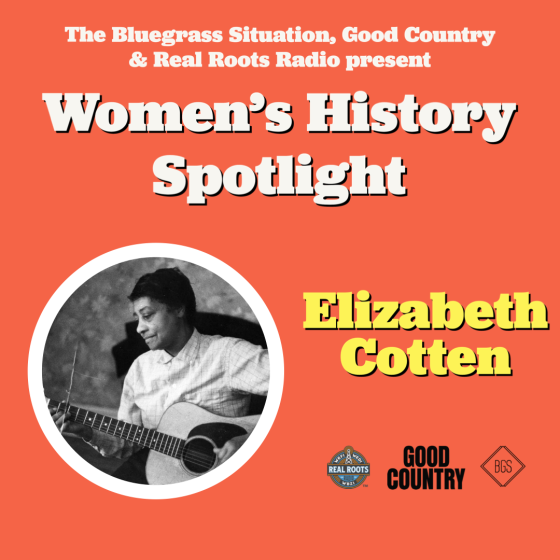
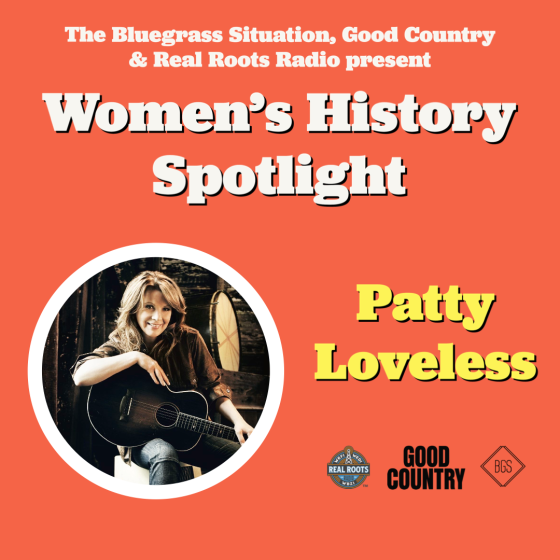
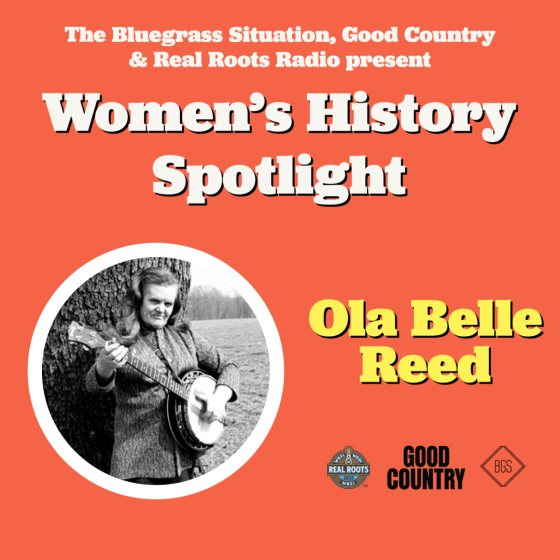
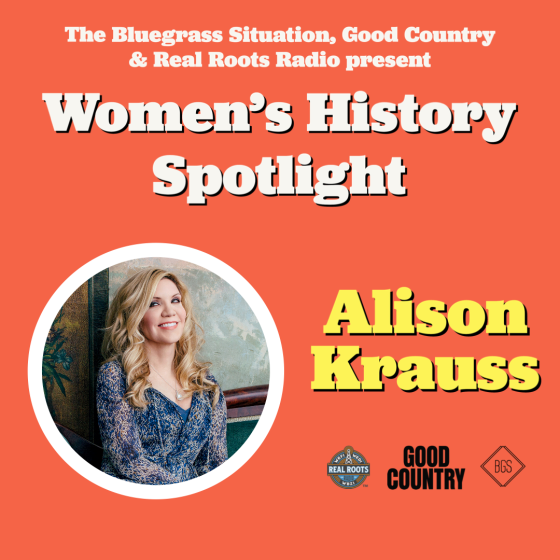
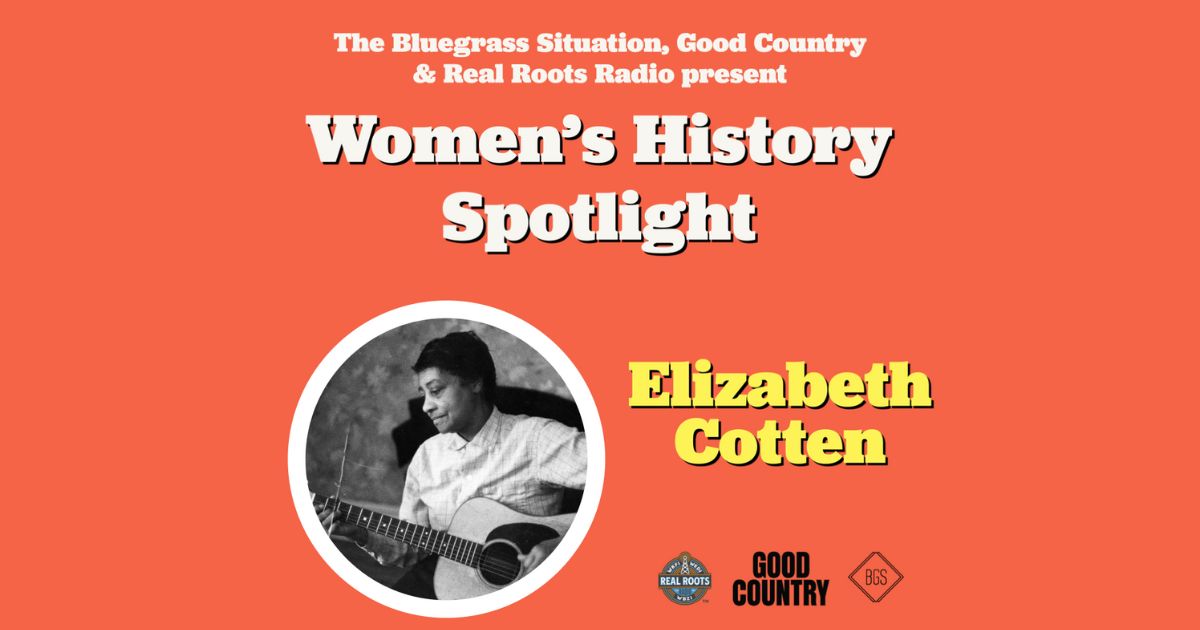
Let’s look back at March and the vibrant history of women in roots music with our final edition of our Women’s History Spotlight, featuring Elizabeth Cotten, Patty Loveless, Ola Belle Reed, Alison Krauss, and Loretta Lynn.

Elizabeth Cotten

Born in 1893, this North Carolina native had a profound impact on American roots music. While she learned how to play the guitar as a child, and even then began writing songs, she shelved her musical dreams and became a domestic worker, but fate had other plans for Elizabeth Cotten. Decades later (in her sixties), she became a housekeeper for the Seeger family following a chance encounter at a department store. The Seegers, of course, are known through roots music circles for the family’s reputation as talented musicians and respected musicologists, featuring Mike Seeger of the Bluegrass Music Hall of Fame, Peggy Seeger, their half-brother Pete Seeger, and more. With the family’s love for music, Elizabeth dusted off her guitar, which she hadn’t touched in decades.

The Seeger family was blown away by Elizabeth’s talent. She had a unique approach to the instrument, due to her being left-handed she would play the instrument upside-down, resulting in the strings being inverted, and allowing her to play the melody with her thumb and the bass lines with her fingers. Additionally, her signature style including some unique alternating bass lines, a technique which is now referred to as “Cotten-style.” Mike Seeger would record Elizabeth for Smithsonian Folkways, introducing her music to the world, including her original composition, “Freight Train,” which has been covered countless times, including by Bob Dylan, Joan Baez, Mac Wiseman, Jim & Jesse, Doc Watson, and more! Other hits of Elizabeth’s include “Shake Suagree” and “Oh Babe It Ain’t No Lie,” which have been recorded numerous times throughout roots music. With the popularity of the Folk Revival, Elizabeth would perform with acts such as Muddy Waters and Mississippi John Hurt, and would eventually win a Grammy in 1984, before passing away at the age of 94 in 1987.


Patty Loveless

The pride of Elkhorn City, Kentucky and a 2023 inductee into the Country Music Hall of Fame, Patty Loveless was a leader of country music’s new traditionalist movement of the ’80s and ’90s, which also saw many successes for fellow Kentuckians Ricky Skaggs, Dwight Yoakam, The Judds, and Keith Whitley. The daughter of a coal miner, Patty’s neo-traditional sound was mixed with rock and roll attitude and plenty of mountain soul. Over 40 of her singles reached the Billboard Country Singles charts, including “On Down The Line,” “Timber, I’m Falling In Love,” “I’m That Kind of Girl,” “Blame It On Your Heart,” “Here I Am,” and dozens of others.

Like many country artists (especially women), Patty’s commercial success declined at a time when the artistic quality of her music did not. Her stunning rendition of Shawn Camp’s “The Grandpa That I Know” from On Your Way Home moved my father to tears for years, and I know that he was not alone in that. For many, her pair of Mountain Soul albums are still essential listening. On these projects, she celebrates her Kentucky roots with bluegrass-flavored albums littered with special guests including Earl Scruggs, Del McCoury, Travis Tritt, Ricky Skaggs, and more. Patty’s six minute-plus interpretation of the Darrell Scott-penned hit, “You’ll Never Leave Harlan Alive,” has haunted listeners for over 20 years. Even if it never tickled the Billboard Country Singles chart, there’s a reason Chris Stapleton recruited Loveless to perform the anthem with him during the 2022 CMA Awards — because it still showcases her mountain soul at its finest.


Ola Belle Reed

Picking up the clawhammer banjo as a youngster, Ola Belle Reed brought the music she heard growing up in Grassy Creek, North Carolina with her when her family migrated to the Maryland-Delaware-Pennsylvania area. Ola Belle Reed would entertain Appalachian migrants in the region with various bands, winning them over with her powerful mountain music. (She even turned down an offer to join Roy Acuff’s Smoky Mountain Boys!) The region’s Appalachian population supported Ola Belle, founding a few of the region’s more popular music parks over the ensuing decades, including New River Ranch in Rising Sun, Maryland and Sunset Park in West Grove, Pennsylvania.

Ola Belle Reed would find a new audience on Wheeling, West Virginia’s WWVA in the 1960s. In addition to presenting Appalachian music to new audiences, her legacy includes many original songs that sound as old as the hills. Songs like “High On A Mountain,” “I’ve Endured,” and “You Led Me To The Wrong” have been recorded by Del McCoury, Marty Stuart, Tim O’Brien, Robert Plant & Alison Krauss, Jason Carter, and more! Ola Belle Reed suffered a stroke in 1987. The following year, she became the first woman to be recognized with a Distinguished Achievement Award by the International Bluegrass Music Association. She passed away in 2002.


Alison Krauss

One of the most Grammy-awarded artists of all time (27 trophies and counting), Alison Krauss’s angelic voice has taken bluegrass to new heights, while she has become one of the most transcendent vocalists of her generation, branching into country, Americana, adult contemporary, rock, and more. A member of the Grand Ole Opry (the historic radio program’s youngest cast member at the time of her membership) and the Bluegrass Music Hall of Fame (currently the youngest Hall of Famer), Alison was a bit of a violin prodigy as a youngster, becoming enamored with bluegrass when she was exposed to bands like J.D. Crowe & The New South and The Bluegrass Album Band under the tutelage of John Pennell.

She recorded her debut album for Rounder Records when she was just a teenager and by the time she reached adulthood, she blossomed into a full-blown roots music star. The success of her solo albums and records with Union Station returned bluegrass to mainstream country circles at a time when it was desperately needed, providing a shot in the arm for the genre and introducing legions of new fans to the music. Krauss joins names like Flatt & Scruggs and The Osborne Brothers as some of the handful of artists to take bluegrass into the mainstream consciousness. Her ethereal voice has also resulted in highly touted collaborations with Robert Plant, James Taylor, Kenny Rogers, Brad Paisley, Shenandoah, Don Williams, and more.


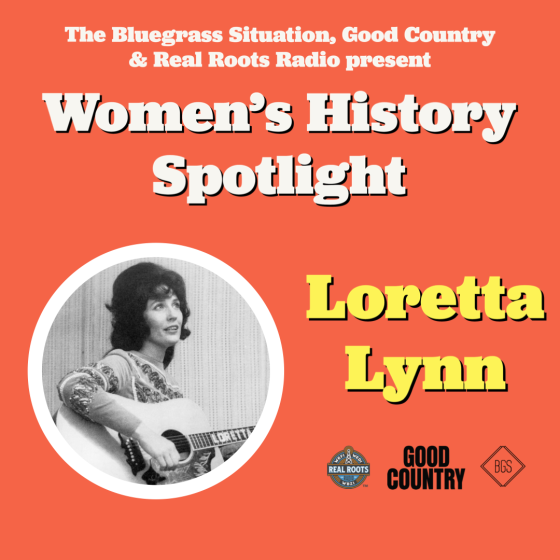
Loretta Lynn

Country music’s most awarded woman artist, Loretta Lynn completely broke the mold. Nashville had had “girl singers” before, and there had even been female artists singing songs about women’s issues, but often they had been written by men (a la “It Wasn’t God Who Made Honky Tonk Angels.”) To have a woman artist singing songs about women’s issues written by a woman was absolutely groundbreaking, and frankly, it intimidated many men in the industry. While now beloved country standards, Loretta sang controversial songs about a wife’s right to say “no” (“Don’t Come Home A Drinkin’ (With Lovin’ On Your Mind)”), birth control (“The Pill”), the stigma attached to divorced women (“Rated X”), beating the tar out of women chasing after her husband (“Fist City”), and more. Coincidentally, all of the songs I just mentioned hit number one even though they were banned by some country radios stations – except “The Pill” which peaked at number five.

In addition to songs that connected to women, her heartfelt numbers about growing up in poverty in Butcher Hollow, Kentucky endeared her to fans as well and instilled a sense of pride in folks with similar backgrounds — “They Don’t Make ‘Em Like My Daddy Anymore,” “You’re Looking At Country,” and the autobiographical “Coal Miner’s Daughter.” Her vulnerability in not only openly dealing with issues in her own marriage, but unpacking her own mental health on the big screen with the Coal Miner’s Daughter biopic opened the country music industry’s eyes to so many issues that women were wrestling with behind closed doors until Loretta Lynn. Loretta continued making fabulous music late in life (check out “Miss Being Mrs,” where she sings about being a widow), until her passing at the age of 90 in 2022. For these reasons and more – and with all due respect to Kitty Wells – there’s a reason that many country music enthusiasts view the late Loretta Lynn as the Queen of Country Music (myself included).

For our final bonus video as we conclude this fun series, here is the story behind Loretta writing “You Ain’t Woman Enough.” Loretta was as real as it gets!


Country Pickers, Center Stage

(Editor’s Note: Sign up here to receive Good Country issues when they launch, direct to your email inbox via Substack.)

Double-, triple-, quadruple-threats are not uncommon in country music, not in the least. It’s a frequent occurrence, tripping over or into a country artist that’s a songwriter, vocalist, multi-instrumentalist, writer, thinker, and so much more. In fact, until more recent decades, wearing many hats was seen as a sort of prerequisite to making hillbilly music. After all, this is “just” country music, it’s got a wide and deep DIY tradition, and the folks who make it often have to also load in the gear, sell the merch, post on social media, and produce the albums, play the demos and scratch tracks, write the lyrics, and otherwise steer the creative ship.

Some of the most successful artists and most original voices in country music are perfect examples of how multifaceted skill sets translate directly to star power. You may not need to be a Telecaster shredder to make it onto the radio or you may not need to be able to pick like Mother Maybelle to make a living, but if you can back up your songs with mighty playing, it certainly translates with audiences.

From Chet Atkins, Dolly Parton, and Wanda Jackson to Charlie Daniels, Willie Nelson, and Bonnie Raitt, here are just a few legendary examples of hugely successful country artists who are or were excellent musicians and instrumentalists, too.

Chet Atkins

A record company executive, producer, and pioneer of the “Nashville Sound,” Chet Atkins was also a one-of-a-kind guitar picker, renowned across the globe for his unique style – which was inspired by Merle Travis. Atkins certainly made “Travis picking” his own, arguably eclipsing all of his predecessors and continuing to influence guitarists today. An inductee of the Country Music, Rock and Roll, and Musicians’ Halls of Fame, Atkins’ impact is hard to understate and his resume includes work with Dolly Parton, Elvis Presley, Hank Snow, Waylon Jennings, and countless others.

DeFord Bailey

One of the first superstars of the Grand Ole Opry, DeFord Bailey was a world-class harmonica player who was also the first Black performer on WSM’s fabled stage. Some sources also credit Bailey as being the first musician to record music in Nashville. However you approach his career and music, Bailey was a seismic presence in the earliest days of country. Born in 1899, Bailey faced constant racism, bigotry, and marginalization on the Opry, in Nashville, and as he traveled and performed. He passed away in 1982 and was posthumously inducted into the Country Music Hall of Fame in 2005.

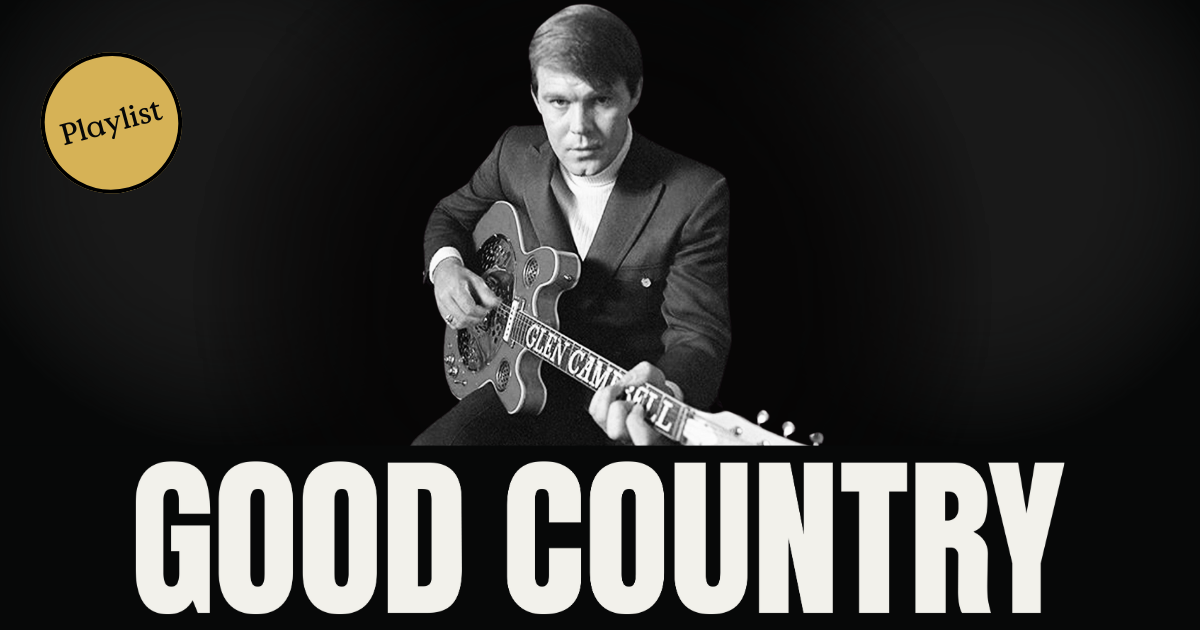
Glen Campbell

Even at the highest heights of Glen Campbell’s superstardom, he refused to let his superlative instrumental skill take a backseat to his roles as frontman, songwriter, Hollywood actor, TV star, and tabloid veteran. Campbell’s approach to country music as a true multi-hyphenate celebrity bridged generations, connecting the hardscrabble, DIY generations where multiple skills were necessary to make a living to the modern era, where he helped pave a way for famously multi-talented picker/singer/writers like Vince Gill and Brad Paisley to not be pigeonholed as one thing or the other.

Ray Charles

Any conversation around or collection of superlative country pickers and musicians would be glaringly incomplete without the inclusion of Ray Charles. His incursions and experimentations in country music are many and infamous. His 1962 album, Modern Sounds in Country and Western Music is routinely listed as one of the best country albums of all time. He’s worked with and performed with Willie Nelson, Merle Haggard, Ricky Skaggs, Travis Tritt, Johnny Cash, Glen Campbell, and many, many more. Plus, his country forays demonstrate a deep, holistic understanding of the genre. Charles is a quintessential country multi-hyphenate and country-soul in the modern era would feel especially lacking without his seminal contributions to that tradition.

Charlie Daniels

It’s hard not to wonder what young, hippie, “long-haired,” Vietnam War-opposing fiddler Charlie Daniels would have thought of his older self, and his more harebrained and often hateful beliefs later in life. But the controversial and outspoken musician, at all points of his career, was a picker’s picker. Over the course of his life he performed and recorded with Earl Scruggs, Bob Dylan, Leonard Cohen, and many more. But his chief contribution to American roots music may just be his fiery, unhinged fiddling on “The Devil Went Down to Georgia.” Just wander down Lower Broadway in Nashville on any given Saturday night to feel the impact of that particular show-stopper. In this clip, he chats and performs “Uncle Pen” with Scruggs and Del McCoury.

Vince Gill

That buttery voice, that stank-face inducing chicken pickin’, that high, lonesome sound – Vince Gill is all at once country and bluegrass, Nashville and Oklahoma, western swing and old-time fiddle. Whether with The Eagles, preeminent pedal steel guitarist Paul Franklin, the Time Jumpers, or so many other outfits, bands, and iterations, Gill is simply right at home. Because, at his core, he’s just a picker. He may play arenas, but he knows he belongs at 3rd & Lindsley or the Station Inn. Or Bluegrass Nights at the Ryman. A quintessential picker-singer-frontman, Gill continues to define the myriad ways country stars can maintain their selfhood and personality – instrumentally and otherwise – even in their wild successes.

Merle Haggard

Speaking of chicken pickin’, country’s most famous Okie was a shredder, too. A sad song, a glass of (misery and) gin, a Telecaster, and the Hag – that’s all we need, right there. Merle’s playing style, even at its most technical and impressive, was simple and down to earth. You could tell he cut his teeth playing bars, fairs, and honky tonks. You could almost hear him pulling himself up by his bootstraps as he played.

Wanda Jackson

The Queen of Rockabilly has been slaying rock and roll, hillbilly music, and the guitar for more than seventy years. In 2021 she released her final album, Encore, when she was 84 years old. It features her signature passion and fire – and performances by Elle King, Joan Jett, Angaleena Presley, and more. Jackson has been representing the vital contributions of women to rockabilly and rock and roll for her entire career, just as often commanding the stage with her growly, entrancing voice and her powerful right hand.

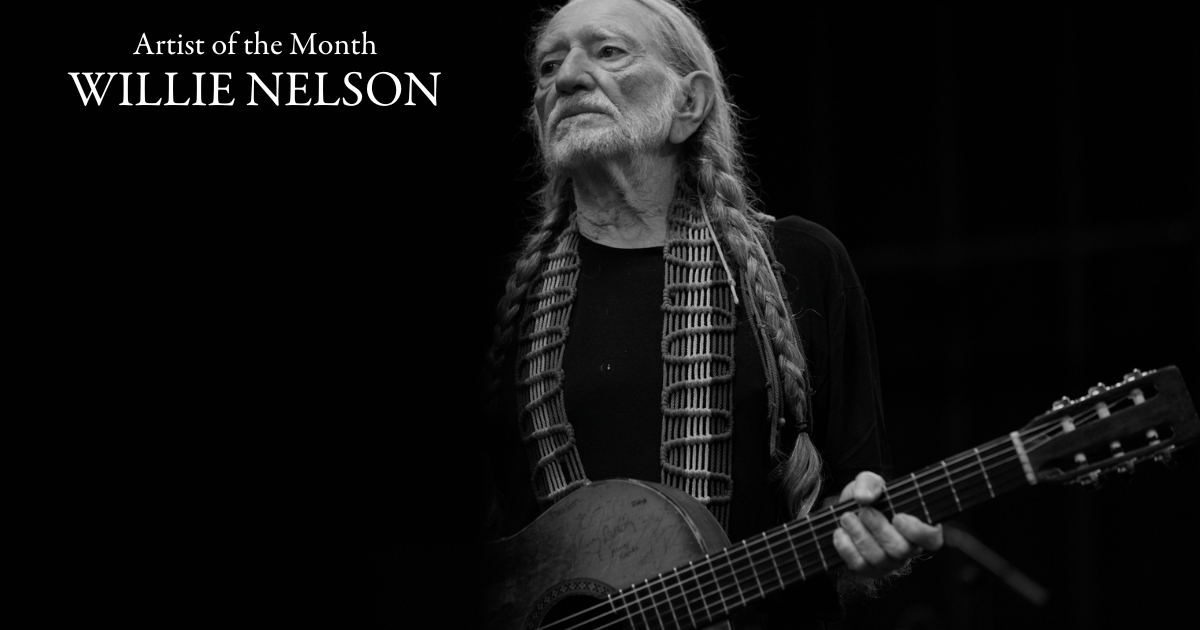
Willie Nelson

Who would Willie Nelson be without Trigger? Without a tasty, less-is-more, nylon-string guitar solo? For decades, Nashville, Music Row, and guitar players around the world have been emulating his particular sound as a guitarist – whether they know it or not. Sure, he’s a hit songwriter, a star and front-person, a collaborator of Snoop Dogg and Frank Sinatra, and a connoisseur of fine bud, but perhaps more than all of these accomplishments, Willie is an impeccable picker. He can hold his own with the best of the best, because he is the best of the best.

Brad Paisley

Brad Paisley’s fame crested at perhaps the perfect time for him in country music, combining a rip-roarin’ guitar playing style with a sound that was entirely trad while carrying touches of the bro country wave that was about to inundate the genre. As such, he was able to build a career on the diversity of his skill set, before Music Row and the power behind it began prioritizing music that didn’t need to be musical and voices that didn’t need to be singular. Luckily, Paisley is both those things and more, and despite the many eyebrow raising moments across his career, our faces more often show shock at his mind-bending skill as a guitarist than anything else.

Dolly Parton

How is it that Dolly Parton can play so many instruments so impeccably with those iconic acrylic nails!? Nowadays, you are just as likely to hear Dolly performing to a track – yes, she does lip sync and pantomime playing along with recordings – but don’t get it twisted, she absolutely can play a passel of instruments from her beloved “mountain music” traditions. She plays guitar, banjo, auto-harp, dulcimer, and has even been known to pick up a bedazzled saxophone from time to time – though we can’t guarantee she actually knows how to play that one, we’re still blown away.

And what about thatone viral video with Patti LaBellewhere they play their acrylics like washboards? Dolly can make music with just about any instrument.

Bonnie Raitt

How many people do you think enjoy Bonnie Raitt’s soulful blues and Southern rock sounds without knowing she’s also often the one playing the guitar solos and making that bottleneck slide weep? Raitt is a Grammy winning songwriter, a fantastic vocalist and song interpreter/collector, and – above all, in this writer’s opinion – a superb guitar picker, especially playing slide. She can hold her own with just about anyone, and she has. Her phrasing and use of melodic space demonstrates that she’s been honing her craft for her entire life. That taste can’t be taught, it has to be found. Boy, has she found it.

Marty Stuart

Marty Stuart’s long, fabulous, superlative career began with him filling the role of sideman for such luminaries as Lester Flatt, Johnny Cash, Vassar Clements, and Doc Watson. He plays guitar and mandolin, working up his chops as a youngster with pickers like Roland White as his mentors. When his solo career took off after his Columbia debut in the mid-eighties, his ear for fine picking remained present throughout his music – however far afield from those early bluegrass and country days he may have traveled, stylistically. Whether bringing in psychedelic surf sounds or Indigenous flavors of the American West, Stuart’s catalog of music centers virtuosity that’s never gratuitous. And his band, the Fabulous Superlatives, featuring crack guitarist Kenny Vaughan and multi-instrumentalist Chris Scruggs, represent a high level of picking prowess, too.

Tedeschi Trucks Band

By many measures, Derek Trucks is the world’s foremost living slide guitarist, but don’t overlook powerhouse vocalist and co-band leader, Susan Tedeschi in order to venerate Trucks! Both started playing as youngsters – Trucks when he was a kid and Tedeschi when she attended Berklee College of Music. These two are guitar and blues royalty, helming one of the most impactful modern blues and Southern rock orchestras on the planet. They’re consummate musicians, knowing just how to surround themselves by players who support and challenge, both. Even with their laundry list of personal accomplishments, together, Tedeschi & Trucks – who are also married – are so much greater than the sum of their parts.

Keith Urban

Keith Urban brings a scruffy, down to earth guitar playing style to his polished and glam mainstream country sound. Yes, even as far away as Australia, having instrumental chops means having country currency. When he moved to Nashville in the early ‘90s, with a few Australian radio hits and awards under his belt, he immediately found work as a side musician and co-writer in Music City. It wasn’t long until his star ascended stateside, too – and then, as quickly, around the world – bolstered by arena-ready guitar. Now readying his first album since 2020, Urban shows no signs of slowing down, with the music or the picking!


Photo of Glen Campbell courtesy of the artist.

Editor’s Note: Sign up here to receive Good Country issues when they launch, direct to your email inbox via Substack.

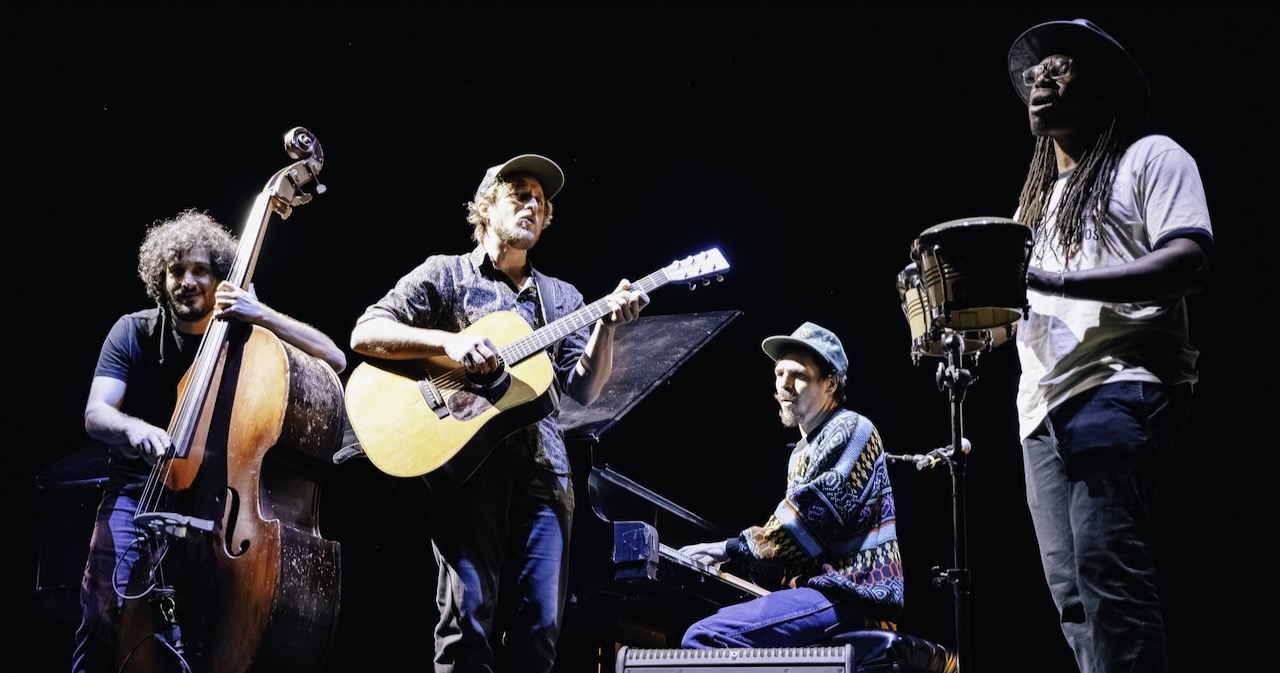
Sam Grisman Project Honor “Dawg Music” In Their Own Way

There’s something special that occurs when music is rooted in friendship and a shared mission. Perhaps no one exemplifies this better than Sam Grisman Project, founded by the youngest son of “Dawg music” pioneer David Grisman. Seeking to honor the likes of his father, Jerry Garcia & the Grateful Dead, and other musical heroes, SGP maintains a singular style and groove.

With its core iteration featuring seasoned multi-instrumentalists and songwriters Ric Robertson, Chris “Hollywood” English, and Aaron Lipp – and often featuring a host of other guests who run the musical gamut – SGP is bringing fresh authenticity, originality, and passion to the roots music and jam band scenes.

BGS spoke with Sam Grisman in early February 2024 about the origins of, inspirations, and plans for this remarkable and rising group.

What are the origins of Sam Grisman Project?

Sam Grisman: Ever since rekindling my musical friendship with the great Ric Robertson, who I’ve known since I was 14, I’ve been wanting to start a band that showcases the impact that the legacy of my dad and Jerry’s music has had on me. Ric and I started scheming on ways to make some music together and what that might look like. I figured we might have a good opportunity to play out in the live touring landscape if we paid tribute to the catalog of music that my dad and Jerry recorded together; that it could create the space for us to really do whatever we might want musically. We’re not limiting ourselves to the catalog of music that my dad and Jerry played together or individually, but we are honoring the spirit of what they did together, which was to dive into great songs that they had a shared love of.

I’ve always had a talented group of friends, going back to the time that I spent growing up at bluegrass festivals, fiddle camps, and the Mandolin Symposium. We have chemistry, and that is irreplaceable. Ric started playing music with Aaron Lipp around the time we turned 20 and he has been a part of my musical reality since then. He and Ric have developed strong chemistry, where they’ve been finishing each other’s musical sentences for years now. Aaron is from Naples, New York, about an hour away from Rochester, New York, which is where the great Chris English hails from. When Ric started making some music with Chris and telling me about what an amazing drummer and human being he is, I knew he would fit into the core of this band perfectly.

Who are you honoring with this project and why?

We’re honoring the musical heroes who influenced us the most. For me, because they provided the soundtrack to most of my earliest musical memories, that’s my dad and a lot of his friends who came through our house in Mill Valley to record. The friend who came around the most was Jerry [Garcia], but also John Hartford, Mike Seeger, Doc Watson, Tony Rice, Del McCoury and Ralph Stanley.

We honor our heroes, not just my dad and Jerry. We play lots of John Hartford music and Townes Van Zandt songs. Lots of Bob Dylan’s music, some Alan Toussaint, Dr. John, John Prine, Warren Zevon, Randy Newman, and Peter Rowan.

Can you describe what Dawg music is and what you’ve learned from your father?

Dawg music is a highly evolved form of acoustic music that is a synthesis of many different genres including old-time, bluegrass, hot club swing, jazz, and funk, with elements of classical music. It’s really a sort of genre-less genre pioneered by my father. It showcases – but is not limited to showcasing – the sound of the mandolin. The instrumentation in his quintet has traditionally been one or two mandolins, guitar, upright bass, and violin, but that’s expanded over the years to include percussion and drums.

That instrumentation of percussion, mandolin, guitar and bass is what I modeled the core of this band after. I’ve learned so much from my father about music and the music business – how to treat your friends and how to honor your elders. I am profoundly grateful to have been born to my particular set of parents and I’m grateful that there are other folks who have a deep appreciation for my dad’s impact on the musical landscape. I’d like for people to also appreciate how wonderful a human he is, so this is a small way that I get to share my dad with other people. He loves everybody, he’s grateful for the support, and he can feel it.

Who are some of the musical guests that have performed with SGP, and what does that mean to SGP?

It means a lot. It’s a representation of the community that we’re a part of. We’ve brought in some of our heroes as guests including dear family friends like Lowell Levenger “Banana” from the Youngbloods, Maria Muldaur, Eric Thompson, and Peter Rowan. We’ve had my dad sit in three times, which has been an absolute honor, and we’ve had a whole slew of our guests who bring different insights and a similar passion to the project: Dominick Leslie, Alex Hargreaves, Roy Williams, Bennett Sullivan, Nathaniel Smith, Phoebe Hunt, Lindsay Lou, my dear friend Tod Patrick Livingston, Mike Witcher, Chad Manning, Wyatt Ellis, Matt Eakle (the great flute alumnus from my dad’s quintet), and more. Eddie Barbash came and played a set with us in New York. Max Flansburg, who has a similar passion for this material and highlights a different corner of the Garcia/Hunter catalog than we do, played two of our New Year’s shows with us. We also had our old-time banjo hero, Richie Stearns, on all of those gigs that weekend. We’re going to have Logan Ledger on some shows coming up, and we’ll have Victor Furtado and Nathaniel Smith in the band.

When did SGP start touring in its current iteration, and how is the experience of touring with your best friends?

We had our first run as a band in January 2023. This conversation with you comes at the end of our longest break as a band, where we’ve had the entire month of January off. We’re starting back up on February 4th in Tucson, at a festival called Gem and Jam. It’s an absolute treat to travel the country with the people I care the most about, and to make great music and memories and friends everywhere we go. It’s important to anchor ourselves and ground ourselves in the music, because there’s a lot of work that goes into being out on the road that can make you lose perspective on how special it is to be doing something that you love for a living and to be able to do it for people who love what you’re doing.

SGP is obviously celebrating and continuing a particular musical legacy, but doing so with your own flavor. What makes SGP unique?

Our branding is our individuality and our honesty. I grew up in the house where my dad and Jerry recorded all of this music and I really do enjoy playing that music with my best friends. It gives me a sense of purpose to be able to play some of that music for folks who are passionate about it. There’s definitely room in the live music space for bands who take a preservationist approach to carrying on the musical traditions and catalogs of artists that came before them. A lot of musicians try to sound like their musical heroes, but that’s not our approach. I hired my friends to participate because I love their individuality and how they play, sing, and write music. I wouldn’t want to steer them towards sounding more like Jerry Garcia or my father.

We have been influenced by listening to tons of great music our entire lives, but we try to stay true to ourselves when we’re playing, so nobody is reaching for a sound that isn’t theirs. We all enjoy injecting our individuality into this music and having the flexibility to take the material in different directions depending on how we’re feeling. It’s amazing to have such versatile friends to work with.

How does original material fit into the broader vibe of SGP?

All three of the core guys – Ric Robertson, Aaron Lipp, and Chris English – are amazing songwriters. All the time I’ve known Ric, since we were teenagers, he’s been writing great songs. He was always a great singer, but he’s become one of my absolute favorite singers on the planet. There’s a lot of his music that lends itself incredibly well to looser, more long-form arrangements, which is something that SGP has become comfortable with.

Aaron Lipp is also an amazing songwriter who writes incredibly poignant music and aphoristic lyrics. Chris English writes amazing, feel-good music – not always overtly happy, but always with a strong message. His tunes add a lot of depth to our sets and take us to a more groove or bassline-oriented place, which is really refreshing for us and our audiences. I think there’s always going to be room for original music in SGP. As much as these guys are inspired to play their own tunes, I want to play them.

You released a great EP in 2023. Is there anything else currently in the works?

We’re gonna make a full length album at some point in 2024. Over the course of the last hundred or so gigs we’ve developed a pretty good repertoire and a strong rapport with each other. I don’t think it would take very long to put some of these tunes down in the studio, but we also multitrack most of our shows and we have an archive of live music to sort through. We’re going to be putting some shows up on Nugs.net pretty soon. We have a pro-taping policy to encourage folks to come and tape the show. I share Jerry [Garcia]’s philosophy that if you bought a ticket to the show, the performance is really yours as long as you’re not charging anybody else for it. Some of those shows have made it to archive.org, which is a free internet resource where folks can listen to live music. At some point we’ll probably put together some compilations of live material and put them up on the streaming services. I think our live show is always going to be the emphasis of what we do, so it’s important to have some recorded examples out there for people to check out.

What’s in store for SGP in 2024, and what does pursuing that mean to you?

We’ve got another solid year shaping up. We played about a hundred gigs in 2023 and we’ll probably make it pretty close to that in 2024. I’m going to expand the cast of characters a little bit in 2024 and bring some other friends into the fold. I’m looking forward to introducing my new friends and audiences to my dear musical compatriots who care about this music as much as I do. I’m grateful and humbled to get to do it. It means a lot to get to honor my father every night by playing his music. We take out the mandola that he gave me for my 21st birthday, the mandola he recorded “Opus 38” on. We get to play “Opus 38” on that very same mandola for people who appreciate what’s happening, and I feel like he and Uncle Jerry are with us every night. It’s a big blessing all around.


Photo courtesy of the artist.

My Friend Dawg: Three Musicians on the Real David Grisman

To complete our Dawg in December Artist of the Month series, we asked several musicians who have worked with and made music with the inimitable David Grisman what it’s like to really know him.

A mythological figure in American roots music, the Dawg remains remarkably accessible and embedded in the scene, despite his unofficial role as a sort of guru-meets-mentor-meets-hermit. He’s been a teacher and encourager of multiple new generations of pickers and mandolinists, from Grammy-nominated Ronnie McCoury to young, impressive upstarts like Teo Quale – who, with his brother Miles and band, Crying Uncle, performed for Dawg’s Bluegrass Hall of Fame induction at IBMA’s annual awards show in September. Others, like fellow Hall of Famer Alice Gerrard, began their friendships with Grisman long ago, before his skyrocketing notoriety and impact.

We asked these three pickers and friends of Dawg – Gerrard, McCoury, and Quale – to reflect on their relationships with the man, who despite being placed high upon a pedestal by many in bluegrass, new acoustic, and old-time music, remains a grounded and down-to-earth mandolin player with an extraordinary legacy.

Alice Gerrard

Alice Gerrard: “I remember sort of my first impression of David – I think it also was Hazel’s too, because he was this very young looking kid from New York, but he played this great mandolin. It was kind of, “What’s going on here?” you know, but the thing that really stands out in my mind is when we were riding to New York [once]. I don’t remember, it might have been my van, but it was a van, and we were going there to record the second Folkways album.

“I think that’s the one that had, ‘The One I Love is Gone.’ We were on our way to record that album in New York and Peter Siegel – who is a friend of David’s and I think Peter was the one who suggested that David play mandolin on the album, because we didn’t really know David at that point. But we did trust Peter. So, David is in the band with us and and we were practicing that song as we were driving up to New York from D.C.

“Hazel was singing the tenor, and I was singing the lead, and there was a problem. Because, you know, often those Bill Monroe harmonies are kind of a mix of major against minor and stuff like that. Hazel was having a hard time getting it, but I’m not. (I’d have to go back and really think about whether she had it right and Peter and David had it wrong.) But it ended up with David lying on the floor of the van between the front and back seats. I don’t know why he was doing that, but he was lying on the floor and singing it with Hazel, trying to get her to find this particular note.

“It was just hilarious! I mean, it was like, I don’t know, two or three hours worth of David’s face, singing ‘The One I Love Is Gone,’ and him fairly well convinced that she did not have the right note. I don’t remember. I mean, I don’t remember the specifics of that, but it was hilariously funny, and of course, what she ended up with was great, but I’m not sure whether he was trying to get her to hit a minor note or what.

“He was just this little kid, you know? From New York. And played this great mandolin. It was beautiful what he did on that song.

“I had to think about how we first met him and how we first decided to record. So I called Peter Siegel on the phone and he told me that he was the one– I mean, David was a friend of his in New York. [Peter] came down to D.C. with David. They were going to go to this bluegrass show, but that got rained out, so they didn’t go. They canceled the show. They [both] heard about this party. I remember where it was. It was at my cousin’s house, who at that time was living sort of on the edge of Georgetown.

“And so, according to Peter, they just came to the house and Hazel and I were sort of sitting somewhere singing together. It was Peter’s idea to use David. And I’m so happy that we did because yeah, he’s amazing.”

Ronnie McCoury

Ronnie McCoury: “When I started playing music, I started playing the mandolin with my dad. I was 14 ‘81– like ‘82 or ‘80, somewhere around there, either before I started playing or right after. My dad got this package in the mail and David had gotten a hold of him and said, ‘I found these tapes of a show we did in Troy, New York in 1966.’ And it was my dad, David, Uncle Jerry [McCoury], and Winnie Winston. [Dawg] said, they sounded pretty good and he’d like to put them out. So he did. It’s called Early Dawg on Sugar Hill. It was half this live stuff and the other half was studio. Along with that package he sent a couple albums of his stuff.

“I mean, that’s just how he is, you know? He just sent this along. He didn’t even really know that I was playing music at the time. I had no idea he was a California guy. I found these albums [he had sent], I had never heard anything like that played on a mandolin, because I was just [getting started]. You know, I’m a child of bluegrass. I was born into it. My dad started a band in ‘66. I was born in ‘67. [It’s] always been a part of me.

“This new music I was hearing, I couldn’t even grasp it. I didn’t know what it was, but I went to bed at night all through my teens putting his albums on and it would play one side and I’d be usually asleep by that time. I did that basically every night to David’s records.

“When I was probably 18 or so, David called my dad and said, ‘Hey, I want to do some bluegrass and I want to do this thing called the David Grisman Bluegrass Experience and we’ll do some shows.’ Basically, it was my dad’s band [backing him up]. We did that quite a bit, for a year or two – just on and off.

“I got to know David and every time we go west, we always were basically playing Northern California and either Grass Valley, California – for the festival – or touring out there playing with my dad. It was just starting for my dad a lot more in the West. He’d been going there for years, but sporadically, and we’d always wind up going to the Dawg’s house. I had been playing a Kentucky mandolin, and he told me, ‘Hey, I got a mandolin at my house for you.’ And I never thought anything about it, and I surely wouldn’t ask about it.

“My dad went out, while we were still in Pennsylvania, and he recorded with David for what is called Home is Where the Heart Is. Dad did a show at the Great American [Music Hall], I think, with Dawg, and he came home with this Gilchrist mandolin. The neck was coming out of it at the time and I had a guy repair it – Warren Blair, who was playing the fiddle.

“He laid that mandolin on me, I believe I was probably 19 or 20, and it’s the same one I play today. I’m 56. I got a Loar 10 years ago and played it a little while, but David and Sam Bush and all my peers said, ‘Hey man, stay on that Gilchrist.’ So I stuck with it. I owe him such a debt. He gave me something that is such a part of me, it defines me, I guess. I’ll tell you, it’s his giving heart. He has a huge heart.”

“My dad met David in 1963. He was playing with Bill Monroe and Ralph Rinzler was his manager at the time– Bill’s first manager. He played in New York somewhere and they stayed at David’s house. David’s father passed when he was 10 and his mother, I can’t remember if his mother was even there, but my dad would have been 24. [Dawg] would have been six years younger than my dad. He was a teenager, you know. I don’t know if Monroe did, but my dad wound up staying with David, because Ralph put him there. He and my dad go back to when he was a teenager. There’s such a long friendship there.

“One time, we were at Grass Valley and Dawg said, ‘Have you heard of this kid?’ He comes riding up on a little bicycle with his mandolin on his back and I said, ‘Well, I’ve heard the name Nickel Creek, but I didn’t really know much.’ He says, ‘Chris Thile’s his name.’ He comes riding up, you know, and he jumps off his bike and he wants to play for David.

“We’re standing around picking and [Chris] sings, ‘Roll in My Sweet Baby’s Arms’ – super high, you know – and he’s playing. David said, ‘Hey, man, do you know this tune?’ And he starts playing ‘Big Mon.’ Or ‘Monroe’s Hornpipe,’ I think it was. [Thile] didn’t know it, so David’s playing it and he starts showing him it. And [Chris is] just like a sponge. He starts just running it real slow, then he’s like, ‘Oh, that’s neat!’ And he hops on his bike and he’s off. Like an hour or so later, he comes riding up, jumps off his bike, and he’s got it down. It was pretty neat to see David show him.

“The first time I ever heard or met Jake Jolliff was with David. The first time I ever met Julian Lage was with David. Both of those guys, probably at the time, were 10 and 11, something like that.”

Teo Quale

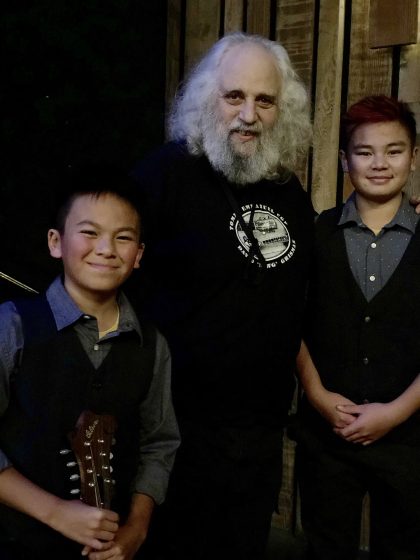
L to R: Teo Quale, David Grisman, and Mile Quale. (Photo courtesy of the Quales and Crying Uncle Bluegrass Band).

Teo Quale: “I first met Dawg as a young kid at a Manning Music event when I was about 6 or 7 – so about 10 years ago. Actually, the first time I was around David was when I was still a baby, but I don’t really remember that!

“Anyway, he jammed a bit with us and Tracy played bass. He and Chad [Manning] played later on. At the time, I was playing fiddle and I really wanted to start learning the mandolin, but my fingers weren’t strong enough yet. So, my mother got me a ukulele and replaced the strings with ones tuned in fifths. Then about a year later, I finally started on the mandolin.

“David has been an inspiration to me ever since meeting him. Over the years, I’ve also had the opportunity to take some lessons with him and he’s always been really generous with his time and his knowledge, but always in that relaxed Dawg way. His music has influenced the way I approach every aspect of my playing, from improvisation to composition.

“Most of my other heroes were also greatly influenced by David – Mike Marshall, Darol Anger, Ric [Robertson] and [Dominick Leslie]. I’m thankful that I get to call him a friend and that I’m also around so many musicians who were touched by him. I don’t get to see him as often as I’d like, but we keep in touch.

“He was born on the same day and year as my grandfather, both two really special people in my life. I play one of his old mandolins now (made in 2006, the same year I was born!), and I am thankful each time I pick it up, knowing that a part of Dawg will always be in this instrument.”


Photo Credit: Courtesy of Acoustic Disc.

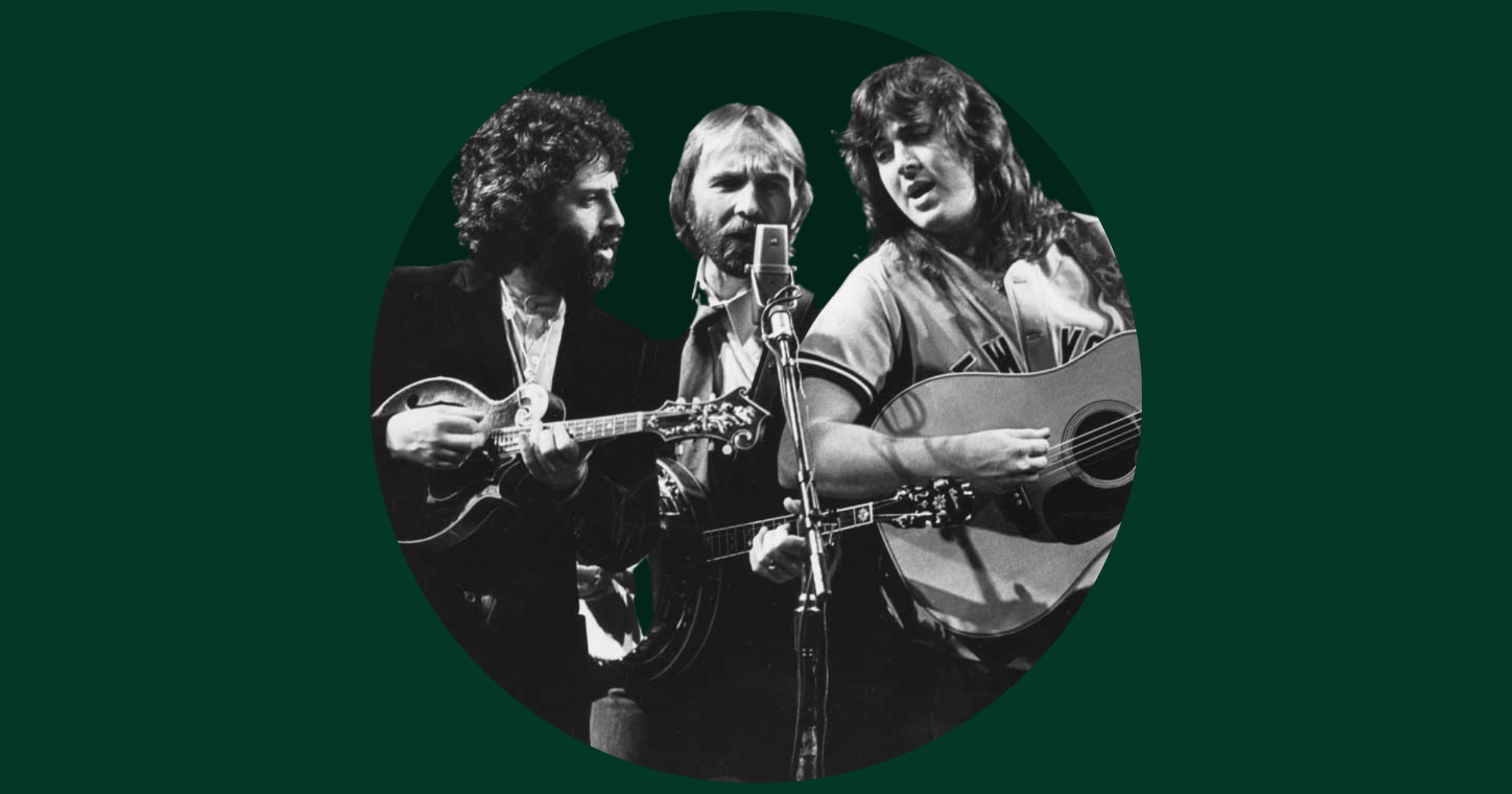
David “Dawg” Grisman Recorded His Own Journey to the Bluegrass Hall of Fame

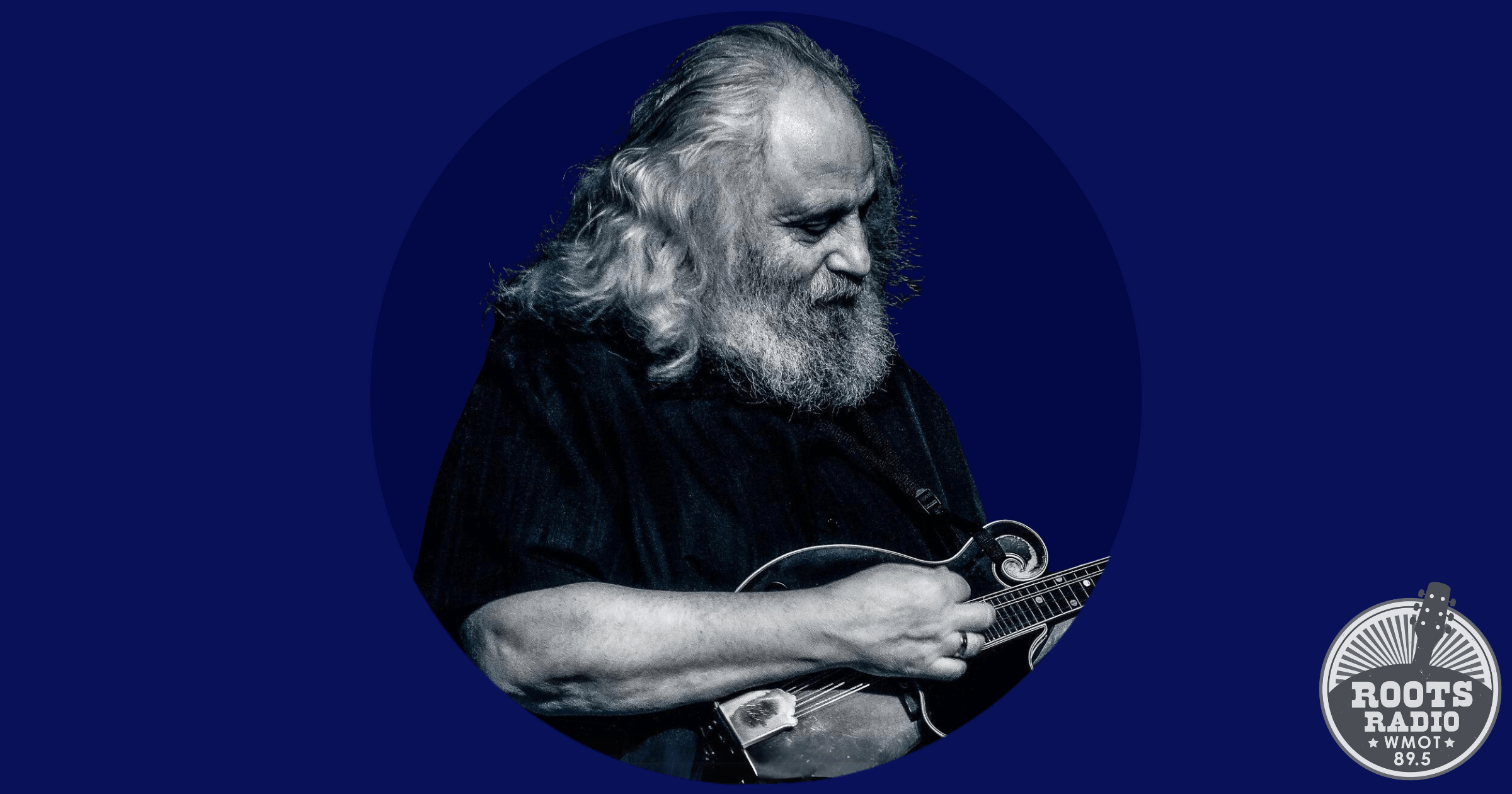
(Editor’s Note: This story was first published in November 2023 by our friends at Roots Radio WMOT 89.5. Visit their website to hear the best in listener-powered independent American roots music and to read more by journalist and producer Craig Havighurst.)

Sixty years ago, an 18-year-old David Grisman made his way to a place called the Coral Bar in West Paterson, New Jersey. He brought with him a portable Wollensak reel-to-reel tape recorder and a good measure of youthful chutzpah. He found the dressing room of his quarry – bluegrass stars the Osborne Brothers – and asked Sonny and Bobby if it would be okay if he recorded their show that night.

“And Sonny Osborne looked at me and said, ‘You can record the show. But if that ever comes out on a record, I’ll find you and I’ll kill you.’”

Grisman, now 78, recounts this memory at his home in Port Townsend, Washington. It’s a turn-of-the-20th century house with high ceilings, period furnishings and beguiling, music-themed paintings on the wall by David’s wife Tracy Bigelow Grisman. I got to visit the master mandolinist this summer, just weeks before he was announced as one of 2023’s inductees into the Bluegrass Music Hall of Fame, an honor that was consummated in late September during the IBMA Awards.

While he was hailed by the bluegrass establishment for his “distinctive and influential” mandolin playing, his visionary advances in string band music, and the creation and cultivation of an offshoot of bluegrass so particular that Jerry Garcia dubbed it “Dawg Music,” Grisman’s legacy also includes a lifelong passion for recording acoustic music. Taking cues from his mentor, the folklorist Ralph Rinzler, Grisman has captured live shows, friendly jams, and studio sessions across six decades. Many of his best tapes have been released since 1990 on his own record label, Acoustic Disc.

Artist-owned labels are rare enough in their own right, but there may never have been a label that documented an artist’s own influences and output across time as abundantly as Acoustic Disc does for Grisman. He’s reissued historic music that touched him, including that of mandolinist Dave Apollon and Argentine jazz guitarist Oscar Alemán. He’s documented his personal mandolin heroes and pals like Jethro Burns and Frank Wakefield. But at its core, Acoustic Disc is a catalog of Grisman’s various collaborations, as leader of his David Grisman Quintet, in his influential bluegrass supergroup Old and In The Way, and in duos with Jerry Garcia, Del McCoury, Andy Statman, Tony Rice, and Doc Watson.

For several decades Grisman partnered in the label with longtime friends Harriet and Artie Rose, but in 2020 he and Tracy acquired full ownership and took it all digital, which Grisman says “has allowed me to triple my production of new releases.” The newest, out last week, is a 50th Anniversary Edition of Old & in the Way Live at Sonoma State, recorded in November of 1973. That follows on a recent digital release of an informal 1976 session that Grisman calls the New Smokey Grass Boys with Darol Anger on fiddle, Tony Rice on guitar, Todd Phillips on bass and Robert Bowden on banjo. Also recent, the six-volume collection Dawg Works covering all of Grisman’s instrumental compositions recorded with a who’s who of acoustic and bluegrass pickers.

Acoustic Disc (encompassing the legacy CD releases in physical and digital form) and its sister label Acoustic Oasis (all download) offer a thread of immersive snapshots from the life of a man who seemed to be everywhere that mattered in bluegrass from the early 1960s into the 21st century. And we might not have this rich portrait of Grisman’s influential career if fortune hadn’t brought him early on into the world of renowned folklorist, artist manager, and promoter Ralph Rinzler as he grew up in Passaic, New Jersey.

“I was really into early rock and roll. You know, Chuck Berry and Buddy Holly and Jerry Lee Lewis and Elvis,” Grisman said. “It was being born really. And so I was one of those young, impressionable kids. But around 1958 or ‘59 it started evaporating. Buddy Holly got killed, you know? Little Richard got either busted or became religious. Elvis went to the Army. And pop music got very vapid.”

Into the vapid void came folk music, first the polite kind like the Kingston Trio but soon this rougher, richer sound called bluegrass began to reach teenaged Grisman. He and some friends formed a folk music club at his high school, and the cousin of his favorite teacher came to talk and demonstrate records and instruments. That was Ralph Rinzler, and the encounter changed Grisman’s life. Rinzler, 10 years older, hosted late night listening sessions at his home, which happened to be four blocks away, sharing music by Jimmy Martin and the Stanley Brothers, until Grisman’s mother telephoned to call her son home.

In 1961, Rinzler invited Grisman along on a road trip to the New River Ranch for an outdoor show with Bill Monroe and the Bluegrass Boys and another blazing mandolinist named Frank Wakefield. “There was a small backstage. I heard them play mandolin duets,” Grisman said. “And that really blew my mind. The whole experience blew my mind.”

In Rinzler, Grisman had latched onto a key figure in American folk music. He was a mandolinist with the popular Greenbriar Boys at Gerde’s Folk City in Greenwich Village. He’d go on to manage Monroe and Doc Watson, promote many shows, and run the Smithsonian Folklife Festival and Folklife Program. His passion as an archivist rubbed off.

“I got this all from Ralph, you know? He was going on these field trips, finding these musicians and recording them,” Grisman says of their early years together. “For a while, Ralph lent me his Nagra, the premier portable Swiss tape machine. I made a tape of Jesse McReynolds and Bobby Osborne playing duets in a shed outside a show in Maryland in 1965 that I still have.”

So Grisman was thinking like a producer by the time he started at New York University in Greenwich Village, and at age 18 he officially became one. First he took a recorder to Wakefield’s Hyattsville, Marylad home where he captured an informal jam session with great songwriting bluegrass star Red Allen. His young partner on that trip Peter K. Siegel, another acolyte of the music, worked with Grisman to gather the personnel and repertoire for the album Bluegrass by Allen, Wakefield and the Kentuckians on Folkways Records in 1964. The jam tape, which Grisman used as a practice guide for his own mandolin playing, was released by Acoustic Disc on CD and download as The Kitchen Tapes.

Grisman produced two more Red Allen albums and played in his band for a bit before the next major shift in his life, one that reflected the times. In 1967, he conspired with fellow bluegrasser Peter Rowan to go electric with the psychedelic folk-rock band Earth Opera. They made two albums for Elektra before disbanding, and by 1970, Grisman had moved to the Bay Area, where he’d spend most of his life. A fellow he’d met back east in ‘64 or so was out there making quite a name for himself in rock and roll, but Grisman knew that Grateful Dead guitarist Jerry Garcia’s first instrument was banjo and that he was good at it. That led to the first project that truly set Grisman apart as one of the great influencers of bluegrass music.

It wasn’t Grisman’s tape recorder that was running on October first and eighth of 1973 at the Boarding House in San Francisco, but Owsley “Bear” Stanley knew what he was doing as sound engineer for the Grateful Dead. Grisman was on stage with Garcia on banjo, Peter Rowan on guitar, Vassar Clements on fiddle and John Kahn on bass. The set lists blended classic repertoire with Rowan originals like “Panama Red” and “Midnight Moonlight” that would become standards.

Ten tracks from those two live sets were put out in 1975 on the Dead’s in-house record label as Old And In The Way, which became by some reckonings the best-selling bluegrass album of all time. With its reach from rock and roll through the songwriting sensibility personified by Rowan and the daring improvisation of Vassar Clements, it was certainly among the most influential. Grisman released both shows in their entirety for the first time as Live At The Boarding House – The Complete Shows in high definition digital download. It’s an extraordinary time capsule of a pivotal confluence in roots music.

The Mill Valley, California house where Grisman settled became a hub for musicians where the mandolinist got to work out the sound and approach he’d been thinking about for years, one grounded in the sounds of stringed instruments working together more than the high lonesome singing of traditional bluegrass music.

“At some point early on, we realized that we could play instrumentals if we made it interesting enough,” said Grisman about a stretch in a band with the innovative fiddler Richard Greene. “And so we would do ‘Lonesome Moonlight Waltz’ (by Monroe). We’d do a Duke Ellington tune. We’d do Django (Reinhardt) and Stéphane Grappelli tunes. We started mixing it up. And then I guess I always had this composer in me. And as soon as I had this outlet for it, I had a list of tunes.”

Original tunes and another reel-to-reel tape recorder played a role in bringing Grisman together with Tony Rice, an early ’70s hotshot bluegrass guitarist whose Kentucky tutelage with traditional band J.D. Crowe & the New South was coming to an end.

“I had put together an album of the music I had written – all these tunes that I later did with my first quintet. And I had this tape with me. And Tony wanted to hear it and we’re in this living room filled with people,” is how Grisman remembers their first encounter. So instead, they did some picking, and Grisman was astonished, overwhelmed with memories of the master flatpicker Clarence White, who had recently been killed by a drunk driver. (“I figured I’d never hear that (style) again,” he said.) Eventually, Grisman was able to play his recorded music for Rice. “I put the tape on,” said Grisman. “And he listened to it and said, ‘I’d give my left nut to play that music.’”

That extreme sacrifice wouldn’t be necessary. A short time later, Rice had decamped for the Bay Area and joined what became the David Grisman Quintet with Todd Phillips on second mandolin and a young Bay Area fiddler named Darol Anger (now a Nashvillian). Soon, the great Mike Marshall took over the second mando seat with Phillips shifting to bass, where he’d have an outstanding career. With this, Dawg Music really took off, with its fusion of bluegrass, gypsy jazz, and classic swing. It was all instrumental, with all the architecture and improvisational freedom of a jazz band, played on bluegrass instruments, propelled by a fierce sense of timing and dynamics. Acoustic Disc offers a triple-length, 20-year retrospective DGQ compilation and a 1979 live show at the Great American Music Hall.

Also in that decade, Grisman decided to build a studio in his home, a rarity at the time. A San Francisco recording studio he’d worked at was closing down and he was able to make a deal for the recording console and tape machine, opening up the prospect for sessions that could be spontaneous and unbounded by budget. The most historic of them might be his duo recordings with Jerry Garcia. The two had been out of touch for about a decade when Garcia sponsored Grisman for an artist grant from the Dead’s foundation, which prompted a call and a get together.

“(Jerry) walked in the door, and he said, I know what we should do. We should make a record. And so I said, Wow, I just started a record company, and I have a studio in the basement. He said, Great, we’ll do it for you. And we walked downstairs. And I put two microphones up, and I still have the tape of what we played for the first time,” Grisman said. “Anyhow, it’s just been kind of serendipitous like that. And then we did over 40 sessions for the next five years until he passed away.”

The seminal release in 1991 was simply called Garcia Grisman, with vocal/instrumental arrangements including the blues standard “The Thrill is Gone,” Irving Berlin’s “Russian Lullaby,” and an acoustic “Friend of the Devil.” Like Old And In The Way, this album circulated like mad among open-minded bluegrass and roots aficionados who adored its mellow swing, its fascinating repertoire, and the chance to hear Jerry Garcia play acoustic guitar in a manner so different from the Dead. They also released a jazz forward album called So What and an ostensible children’s album called Not For Kids Only that became, according to Grisman, his label’s all-time best-seller.

In early 1993, Tony Rice spent a few days at Grisman’s home making an album that tapped those masters’ love of great vintage instruments. Tone Poems featured 17 instrumentals, each with a pairing of guitars and mandolins made between the 1890s to the 1990s. (Acoustic Disc offers an expanded edition.) And what else to do in the evenings but invite Jerry Garcia over to meet and pick with Tony Rice? Recordings from those picking parties circulated among bluegrass nuts for years as bootlegs but were finally released formally as The Pizza Tapes, and Acoustic Disc offers the complete recordings as a 170-minute download. Other iconic duo sessions paired Grisman with Doc Watson (Doc And Dawg was another guidepost album for me and others) and Grisman with Del McCoury.

Grisman moved from California to a small seaside town on the Olympic Peninsula about a decade ago, but he still has a studio where Dawg magic happens. One recent project with implications for Grisman’s family legacy is the Dawg Trio with dissident banjo player and songwriter Danny Barnes (also now a Puget Sound resident) and Grisman’s son Sam on bass. Their collection Plays Tunes & Sings Songs is a multi-generational romp that shows the grooving power of Sam, who has his own Sam Grisman Project, a band that’s touring with a mix of original music and Dawg meets Dead repertoire.

While Grisman avows that he’s never been a Grateful Dead fan per se, being generally uninterested in electrified music, he’ll forever be part of the Dead’s story and reach because of his relationship with Garcia. As such, Grisman will play a key role in the upcoming exhibit Jerry Garcia: A Bluegrass Journey, which opens in March of 2024 in Owensboro, Kentucky. It will tell the story of Garcia’s acoustic roots, including Old and In The Way and the Grisman/Garcia sessions, establishing what a historic relationship it was.

Speaking of museum-worthy stuff, Grisman told me that he donated most of his studio multi-track masters to the Southern Folklife Collection at UNC Chapel Hill a while ago. The rest of the archive lives in his climate-controlled studio, where he works with Tracy and a small team to produce releases for Acoustic Disc and Acoustic Oasis. The growing collection assures us that Grisman’s diverse musical legacy will be available in perpetuity. They’re even talking about releasing that Osborne Brothers bootleg tape from 1963 – with permission of course.

(Editor’s Note: Read more writing by Craig Havighurst and listen to The String at WMOT.org)


Craig Havighurst is WMOT’s editorial director and host of The String, a weekly interview show airing on WMOT 89.5 Mondays at 8 pm, repeating Sundays at 7 am. He also co-hosts The Old Fashioned on Saturdays at 9 am and Tuesdays at 8 pm. Havighurst has been a regular contributor to BGS over the past decade. 

Photo Credit: Eric Frommer

PREVIEW: IBMA’s World of Bluegrass, This Week in Raleigh

The biggest week in bluegrass has arrived. The International Bluegrass Music Association’s annual business conference and festival begins tomorrow, September 26, and continues through Saturday, September 30, in Raleigh, North Carolina. It’s the 10th year the event has been hosted in the music-rich state of North Carolina.

From Tuesday to Thursday, industry professionals, artists, musicians, songwriters, lawyers and more will participate in panels and professional development during Wide Open Bluegrass, the conference portion of the week’s programming. Highlights will include a keynote address by Matt Glaser of Berklee College of Music (Tuesday), the Momentum Awards Luncheon (Wednesday) and Industry Awards Luncheon (Thursday) — plus a BGS-presented panel on podcasts, An Essential Guide To Podcasting (Wednesday), which will be moderated by Keith Billik of Picky Fingers and will feature Basic Folk hosts Cindy Howes and Lizzie No, among others. During the evenings, when conference events have concluded, attendees and fans will enjoy the Bluegrass Ramble, IBMA’s roster of more than thirty showcasing acts and bands at venues peppered throughout downtown Raleigh.

On Thursday evening, it’s the so-called “Bluegrass Prom,” the 34th Annual IBMA Bluegrass Music Awards, held at the Martin Marietta Center for the Performing Arts just steps away from the conference center and host hotel. Hosted by Ketch Secor and Molly Tuttle, the biggest night of the biggest week in bluegrass will see artists and bands like Billy Strings, Sister Sadie, Tray Wellington, Del McCoury Band and many more vie for awards like Entertainer of the Year, Vocal Group of the Year, Best New Artist and beyond. The Bluegrass Music Hall of Fame & Museum will also induct three new members during the ceremony, mandolinist Sam Bush, innovator and stylist David Grisman and the legendary and chart-topping Wilma Lee Cooper.

The awards show marks the week’s transition from conference to festival, as Bluegrass Live! takes over the Red Hat Amphitheater and all of downtown Raleigh on Friday and Saturday. On the main stage, enjoy headliners like Mighty Poplar, Molly Tuttle & Golden Highway, AJ Lee & Blue Summit, Missy Raines & Allegheny and an all-star banjo collaboration of Tray Wellington, Jake Blount and Kaïa Kater. Vendors, artisans, food trucks and more will line the streets of downtown, where dozens more bands will perform for the second-largest bluegrass festival audience in the world – nearly 200,000 bluegrass and roots music fans will make Raleigh their destination this weekend.

Below, find our short list of events, bands, panels, showcases, presentations and shows not-to-be-missed at IBMA’s World of Bluegrass and Bluegrass Live!

Panels & Conference Events

The World of Bluegrass business conference gets going bright and early tomorrow morning, with a New Attendee Orientation at Raleigh Convention Center room 304 at 9 a.m. Once you have the lay of the land, check out these conference programs and panels throughout the week. Don’t miss your IBMA professional member constituency meeting – they’re held throughout the week for the various constituencies – and don’t miss the exhibit hall, full of vendors, organizations, festivals and more. It opens Wednesday at 1 p.m.

IBMA KEYNOTE ADDRESS & RECEPTION BY MATT GLASER
TUESDAY 4PM – 5:30PM | RCC BALLROOM

Matt Glaser, who served as chair of Berklee College of Music’s String Department for 28 years and has pioneered its American Roots Music Program, will give a “dynamic” presentation for this year’s keynote entitled, Hidden Threads: Bluegrass in the American Musical Tapestry.” Glaser will explore the many styles, genres and formats that influenced and informed the creation of bluegrass – jazz, blues, gospel, old-time and so much more.

SUPERSESSION – WOMEN IN THE BUSINESS OF BLUEGRASS
WEDNESDAY 9AM – 9:50AM | RCC 306

An absolutely star-studded panel will explore how women and femme folks continue to carve out spaces for themselves, professionally, in these roots music communities. Panelists include: Deering Banjos chief executive Jamie Deering, event planner and promoter Claire Armbruster (Planning Stages), the owner/operator of Elderly Instruments, Lillian Werbin, broadcaster and radio host Michelle Lee, BGS contributor and collaborator Brandi Waller-Pace, a non-profit founder, organizer and educator (Fort Worth African American Roots Music Festival & Decolonizing the Music Room), Rounder Records co-founder Marian Leighton Levy, Mary Beth Martin of the Earl Scruggs Center and Carly Smith of the Bluegrass Music Hall of Fame & Museum.

IBMA MOMENTUM AWARDS LUNCHEON
WEDNESDAY 11AM – 1PM | RCC BALLROOM

Each year during World of Bluegrass the Wednesday luncheon is devoted to awarding up-and-comers in the bluegrass industry, from bands and instrumentalists to industry involved professionals and mentors. You can see the full list of Momentum Awards nominees here. Plus, hear luncheon showcases by a fine selection of Bluegrass Ramble bands.

SUPERSESSION – OH, DIDN’T THEY RAMBLE: THE BLUEGRASS SIDE OF ROUNDER RECORDS
WEDNESDAY 1PM – 1:50PM | RCC 306

BGS contributor and Carolina Calling host David Menconi will release his new book, Oh, Didn’t They Ramble: Rounder Records and the Transformation of American Roots Music, next month, so it’s perfect timing for this panel examining the historical significance of this record label. The lineup will feature Rounder founders and IBMA Hall of Fame members Ken Irwin, Marian Leighton Levy and Bill Nowlin along with broadcaster Daniel Mullins and, of course, Menconi himself.

AN ESSENTIAL GUIDE TO PODCASTING 
WEDNESDAY 2PM – 2:50PM | RCC 304

We are so excited to convene Keith Billik of Picky Fingers Podcast, Lizzie No and Cindy Howes of Basic Folk, and more BGS team members from our Podcast Network to talk about the essentials of bluegrass and roots music podcasting. If you’re interested in learning about distribution, sponsorships, syndication, editing, production, pre-production and so much more, this conversation is for you.

IBMA INDUSTRY AWARDS LUNCHEON
THURSDAY 11AM – 1PM | RCC BALLROOM

On Thursday, the Industry Awards luncheon will recognize achievements and contributions of the industry’s sound engineers, broadcasters, writers and more. Plus, IBMA will hand out their second-highest honor, the Distinguished Achievement Award, to a small handful of honorees – of which we’re one! BGS is so humbled and honored to be one recipient of this year’s Distinguished Achievement Awards. Watch for a feature on BGS and the award presentation later this week.

Plus, a few more panels and programs starred on our calendar include:

AVOIDING TOKENISM IN TRAD MUSIC
WEDNESDAY 2PM – 2:50PM | RCC 306

DIVERSITY, EQUITY, & INCLUSION (DEI) TOWN HALL
WEDNESDAY 4PM – 5PM | RCC 306

IBMA TOWN HALL MEETING
THURSDAY 9AM – 10:30AM | RCC 306

YOUTUBE: FINDING YOUR COMMUNITY, GROWING YOUR AUDIENCE
THURSDAY 1:30PM – 2:20PM | RCC 305

IBMA WOMEN’S COUNCIL MEETING
THURSDAY 4PM – 5PM | RCC 306

THE MAKING OF WILL THE CIRCLE BE UNBROKEN ALBUM AND ITS IMPACT ON THE WORLD
FRIDAY 1PM – 3PM | RCC 306

BLUEGRASS IS FOR EVERYONE JAM
SATURDAY 12PM – 2PM | RCC MAIN LOBBY

See the full conference schedule on IBMA’s website here.


Bluegrass Ramble

30+ bluegrass, old-time, and roots music bands will showcase throughout downtown Raleigh during IBMA’s World of Bluegrass. These shows are open to both conference attendees and the general public. Find out more about ticketing and admission here.

Not sure where to begin? Here are a few bands worth your attention – and perhaps a hasty jog down Fayetteville Street!

ALEX LEACH

Multi-instrumentalist, songwriter and Clinch Mountain Boys alumnus Alex Leach brings a delightful ’60s and ’70s flair to his brand of central Appalachian bluegrass. We recently premiered his latest single, “Summer Haven,” and look forward to catching him live this week during the Bluegrass Ramble.


GOLDEN SHOALS

Golden Shoals are Nashville-based duo Amy Alvey and Mark Kilianski, another group we were fortunate enough to recently feature in a video premiere for “Bitter,” a song co-written by Alvey and Rachel Baiman.


RACHEL SUMNER & TRAVELING LIGHT

You may recognize Rachel Sumner from her time in zany, jazz-inflected string band Twisted Pine. She’s since ventured out on her own as a solo artist with her music centered on her New England-influenced songwriting and chambergrass aesthetics – though she originally hails from the Southwest U.S.


SEQUOIA ROSE

“Bluegrass is for everyone,” after all, and we’re so glad to see Sequoia Rose on the official showcase lineup for IBMA! We were first introduced to her jamgrassy music via submission earlier this year and have been itching for a chance to hear it live.


THOMAS CASSELL

Mandolinist, writer and songwriter Thomas Cassell – who, you may know, is a BGS contributor as well – makes his home in Nashville, Tennessee, though he was raised in the bluegrass-steeped mountains of Southwestern Virginia. His brand of bluegrass is all at once timeless and forward looking with its keystone being his honeyed voice, like a youthful Dan Tyminski with a dash of Russell Moore.


VIOLET BELL

North Carolina string duo Violet Bell are both ethereal and grounded. Their latest album, Shapeshifter, is a stunning conceptual work that is never burdened by the nuanced stories it tells. (Read our feature on the record here.) Omar Ruiz-Lopez and Lizzy Ross subtly and deftly complicate the roots music forms that infuse their music. A must-see at IBMA.


WYATT ELLIS

Our readers, followers and fans can’t get enough of mandolin prodigy Wyatt Ellis, who gracefully and virtuosically continues the now generations-old tradition of fleet-fingered youngsters shredding the mando. Like Ricky Skaggs, Marty Stuart, Chris Thile, Sierra Hull and many more before him, Wyatt enjoys cross-generational collaboration and has his sights set on a lifelong career in this music. Catch him showcasing at IBMA and tell folks thirty years from now you “saw him when.”

Keep in mind, this is merely the tip of the bluegrass iceberg for this week in Raleigh. There’s the entire lineup of the street fest plus the lineup of Bluegrass Live!’s mainstage, the Red Hat Amphitheater, to explore, too. In short, there’s nowhere else to be this week than Raleigh, North Carolina for IBMA’s World of Bluegrass conference and festival.


Graphics courtesy of IBMA

Artist of the Month: Willie Nelson

Earlier this year legendary musician, songwriter and recording artist Willie Nelson announced his 151st studio album would be a return to bluegrass, this time reimagining 12 of his own originals with a string band lineup. Available September 15 and simply titled Bluegrass, the Buddy Cannon-produced project reinforces the career-long relationship Nelson has had with bluegrass and bluegrass pickers, calling on old friends and collaborators like Barry Bales, Ron Block and Dan Tyminski, as well as band members and vocalists Aubrey Haynie, Rob Ickes, Josh Martin, Mickey Raphael, Seth Taylor, Bobby Terry, Wyatt Beard and Melonie Cannon.

Nelson is a revered song interpreter and cross-genre adventurer, covering and recording songs from all across the American roots music landscape, from the Great American Songbook to blues and soul, from jazz to Texas swing. No corner of Americana in any/all of its forms has been left untouched by this prolific music maker. But his relationship to bluegrass – similar to his peers like Dolly Parton or Lee Ann Womack, or his acolytes and emulators like Sturgill Simpson and Kacey Musgraves – speaks to the primordial relationship between country and bluegrass, more than just musical touristing or a genre-based gimmick. Nelson doesn’t put on “bluegrass” as a costume, he brings it forward from the earliest days of country music as a genre, before sub-genres like bluegrass had stratified and coalesced as identities somewhat separate from country as a whole. It’s part of what makes Bluegrass a compelling collection, tracks like “Still Is Still Moving to Me,” the album’s lead single, don’t feel like songs wearing bluegrass drag, but rather feel like country gone back to its roots.

Across a career that has touched so many other musicians, singers, and creators – from Waylon Jennings to Ray Charles to Snoop Dogg – it follows that Nelson has counted many bluegrass greats among his album guests, track features, and show bills. He’s toured extensively with Alison Krauss & Union Station over the past two decades; it’s no surprise to find a handful of Union Station alumni on Bluegrass. He’s recorded with Rhonda Vincent, Billy Strings and all the McCoury boys, Del, Rob and Ronnie – the latter two have toured with Willie, too. Country Music, a 2010 release from Nelson produced by Americana superstar T Bone Burnett, was also a bluegrass-centered album, pulling from the deep and broad repertoire of early country, old-time and bluegrass – when the three genres could be represented by a Venn diagram of one circle.

There are so many facets of Nelson’s music making that feel patently bluegrass: his love of borderless, boundless cover songs; his ability as a picker standing equal with his songwriting and one-of-a-kind vocal interpretations; his endless output of personal, meaningful music; his mutual admiration of his compatriots, adorers and mentees. The list could go on ad infinitum. It makes perfect sense that this year he’ll join the father of bluegrass, Bill Monroe, in the Rock & Roll Hall of Fame.

It’s rare that a multi-hyphenate musician and songwriter such as Willie Nelson can shift so effortlessly between contexts, gathering and maintaining a diverse following that understands great music can – and should – transcend not only genre, but all of the trappings of the music industry. It’s part of why Bluegrass feels grounded, honest and resonant. Willie Nelson isn’t playing pretend, he’s just being himself – and that might be the most bluegrass thing about him.

Watch for our Artist of the Month feature, an in-depth exploration of Willie Nelson’s relationship with bluegrass across his life and career coming later this month, and enjoy our Essential Willie Nelson Playlist, featuring many of his bluegrass forays among his popular recordings and our BGS favorites.


Photo Credit: James Minchin

PHOTOS: Earl Scruggs Music Festival Shows Broad Influence of Earl Scruggs

The 2nd Annual Earl Scruggs Music Festival was held over Labor Day weekend at the Tryon International Equestrian Center just outside of Tryon, North Carolina, in Mill Spring. The gorgeous festival grounds, nestled in the foothills of the Blue Ridge Mountains, were the perfect setting for the sunny and warm event, featuring glamorous cabins, manicured campsites, brick-and-mortar restaurants and shops, horse-jumping demonstrations, workshops and two stages chocked full of bluegrass, old-time and roots music. The festival is a partnership between Tryon International, roots radio station WNCW and the Earl Scruggs Center just down the road in Shelby, North Carolina, the county seat of Cleveland County – Scruggs’ ancestral home. Over four days, the event showcased the broad, varied and lasting influence Scruggs and his playing have had on American roots music as a whole, especially in North Carolina.

BGS returned to ESMF for its second year, once again sponsoring the very special, fan favorite Earl Scruggs Revue tribute set, hosted by Tony Trischka – and his band, Michael Daves and Jared Engel. Listeners and fans packed the plaza surrounding the Foggy Mountain gazebo stage to hear Trischka and many special guests – such as Della Mae, Michael Cleveland, I Draw Slow, Twisted Pine, Tray Wellington, Greensky Bluegrass, Jerry Douglas and more – pay tribute to Earl’s and his son’s groundbreaking and innovative group, the Earl Scruggs Revue, and their Live! From Austin City Limits album.

Enjoy a collection of photos from the Earl Scruggs Music Festival below and make plans to attend the 3rd Annual edition of this first-class event in 2024 – the dates are set and tickets are already on sale for the August 30 to September 1, 2024 edition of ESMF!


Photos courtesy of Earl Scruggs Music Festival.
Lead image credit: Devon Fails
All other photos:
 Reagan Ibach, Eli Johnson, Rette Solomon, and Cora Wagoner.