16 Bluegrass Songs for Summer Vacation

It’s summer, our second in the “after times,” where road trips, national parks, and scenic byways are king. As you head off on your COVID-aware vacations this summer, don’t leave all the driving music to indie, easy listening, country & western, or rock ‘n’ roll. The chop of the mandolin, thump of the doghouse bass, and rapid-fire roll of the five-string banjo are just as suited to soundtrack your sunny forays. To prove that point, here are 16 bluegrass songs perfect for inclusion on your summer vacation playlists. (Listen to the full playlist on Spotify below.)

“Highway” – Claire Lynch

Bluegrass being an itinerant livelihood and a nomadic community, traveling songs are just as expected a feature as murder ballads, train tunes (a form of travel song unto themselves!), and moonshine running tales. This modern classic via Claire Lynch — written by Lynch and Irene Kelley — is a perfect example of the form, more ‘90s country offered by a string band than a traditional, four-on-the-F-style grassy track. It’s delightful — and perfectly winsome and longing when you find yourself listening while traveling down the highway.


“Handsome Molly” – Tim O’Brien

Our July 2021 Artist of the Month Tim O’Brien’s rendition of this bluegrass classic is a far cry from, say, a Flatt & Scruggs’ cut. O’Brien’s has a slight transatlantic bent — with a distinct island detour, perhaps through the sunny Caribbean. If you’ve found a craving to set your foot on a steamboat and sail the ocean ‘round deep inside your soul, this one’s for you.


“1952 Vincent Black Lightning” – Del McCoury Band

Another track with a transatlantic story, this ever-popular, most-requested number covered by the Del McCoury Band is a road trip staple — whether you get in or on your vehicle to hit the highway. It would be a sin to make a bluegrass summer vacation playlist and not include “1952 Vincent Black Lightning!”


“Val’s Cabin” – Laurie Lewis

A rare example of a bluegrass song actually about summer vacations, this Laurie Lewis original, “Val’s Cabin,” begins as a simple retelling of childhood memories — nostalgia being a common rhetorical device (and when attempted by many other writers, a well-worn trope) in bluegrass. But Lewis, a veteran through-hiker, wilderness excursioner, and backpacker as well as a Grammy-nominated bluegrass singer and songwriter, tinges the story with melancholy and the existential questions raised by the ever-worsening climate crisis. The song is as evocative as it is gorgeous; though the singer can’t find the way to “Val’s Cabin” any longer, every listener can.


“Paddy on the Turnpike” – Vassar Clements

If you ever happen to find yourself Crossing the Catskills on a summery jaunt, “Paddy on the Turnpike” must be in your listening rotation. Avoid the tolls, but still go for a ride on the turnpike with Vassar Clements’ wild, unpredictable, jaw-dropping, wonky fiddling. “Paddy” is a blank canvas for Clements and a study in bluegrass’ unending affinity for flat seven chords.


“Don’t Give Your Heart to a Rambler” – Tony Rice

A hit in nearly every jam circle that ever circled, “Don’t Give Your Heart to a Rambler” is almost as if “Gentle on My Mind” had been written by a much less kind or compassionate protagonist. Tony’s solo vocal stylings are as iconic as his six-string licks, nearly obliterating any memory of this song ever having been sung by anyone else. What’s more, the titular advice of the track still stands. Just don’t.


“Highway 40 Blues” – Larry Cordle & Lonesome Standard Time

Because “Interstate 70 Blues” just doesn’t roll off the tongue. And that melodic hook should go down in history as one of the best country licks to ever lick! Cordle wrote one built for the long haul with “Highway 40 Blues.” It’ll keep you good company as you go wherever and back.


“Banjo Pickin’ Girl” – Annie Staninec

Is there any better reason to go around this world than being a banjo picker? There are never enough banjo pickin’ girls and this anthem, no matter how many times it’s picked up, studied, and retooled by another banjo pickin’ girl, always SLAPS. (Clawhammer pun intended.) Fiddler and multi-instrumentalist Annie Staninec, who’s traveled around the world making music quite a bit herself, gives an excellent old-time rendition of this favorite.


“A Crooked Road” – Darrell Scott

Darrell Scott turns a literary device pretty common in songwriting on its ear, with a tender eye for detail and emotion that he brings into all of his musicmaking. Life is, after all, about the journey — not the destination. Why not take the crooked, and thereby, the road less traveled? 

Plus, take this song as suggestion: The Crooked Road, Virginia’s Heritage Music Trail, is well worth a visit. Put this song on and take the Crooked Road.


“Up and Down the Mountain” – David Parmley & Continental Divide

Work life doesn’t suit you? Does “paradise” mean a fiddle and the open road? If so, “Up and Down the Mountain” is for you and your road trip playlist. Especially if you’re planning on trekking through the Rockies, Sierras, Ozarks, Applachians, or what-have-you. Turn off cruise control, watch for the runaway truck ramps, and go up and down those mountains! David Parmley & Continental Divide know something about geography and topography, after all…


“Roving Gambler” – The Country Gentlemen


Not sure why you’d be headed to Las Vegas during one of the hottest summers on record, but if you’ve got your sights set on a casino — wherever it may be — crank up “Roving Gambler” and hope your 2 a.m. slot machine binge or your evening “re-learning” blackjack ends more amiably than with gunfire. Speaking of which, perhaps “Blackjack” deserves a slot on this playlist…


“Travelin’ Prayer” – Dolly Parton

The kick-off of one of Dolly Parton’s masterpieces, her 1999 bluegrass album The Grass Is Blue, “Travelin’ Prayer” was actually written by Billy Joel. Yes, that Billy Joel. The original, from 1973’s Piano Man, featured banjo playing by Eric Weissberg and Fred Heilbrun. So of course the tune stands up to the bluegrass treatment and then some, between Stuart Duncan’s haunting fiddle cadenza to begin the track, the rip roarin’ tempo and train whistle harmonies, and the lonesome feeling of being away from your baby while he travels the world. We’re gonna assume Dolly’s blessed pen and ink added the lyric: “And keep him away from planes / cause my baby hates to fly!”


“Road to Columbus” – Kenny Baker

Growing up this writer frequented a bluegrass jam in Granville, Ohio, about 25 miles east of the state’s capital, Columbus. Like clockwork, every week as the jam wound down around noon on Wednesdays, Troy Herdman — a local bluegrass community stalwart, Doc Watson-style flatpicker, and mentor of many who lived in or around Columbus — would call this tune. Everyone would chuckle, and we’d play “Road to Columbus” as everyone, but especially Troy, hit the road to Columbus. 

Herdman passed away last week at the age of 91. I certainly wouldn’t be the musician I was today if it wasn’t for Troy, and I know quite a few others who would say the same. So no matter where I travel, I always keep “Road to Columbus” nearby. Especially when I’m headed home to Ohio.

Many pickers speculate over whether Kenny Baker and Bill Monroe were referencing Columbus, Ohio, or Columbus, Indiana. But, according to Roland White — who introduces the song with an anecdote from his time on the road with Monroe — it’s about Ohio. For this Ohioan, that’s confirmation enough!


“That’s How I Got to Memphis” – Tom T. Hall

His own recording of one of his most popular hits may sound more like straight up and down country than ‘grass, but even the most casual fan of Tom T. Hall knows that this Bluegrass Hall of Famer is bluegrass to his core. If you’re headed down I-40 from Nashville — or, really, towards Memphis from any direction, no matter how direct or circuitous, this song is a must-add for your road trip playlist.


“Where Rainbows Never Die” – The SteelDrivers

This song is about a decidedly different kind of journey, not often referred to as a “vacation,” but even so it’s a poignant, encouraging, and downright delicious song to background any journey. If you’re road weary — or life weary — “Where Rainbows Never Die” is a certified pick-me-up that doesn’t shy away from reality, like the grit and coarseness in Chris Stapleton’s lead vocal wrapping you in its warmth. There’s a comfort in life not being sugar-coated — and in knowing somewhere, west of where the sun sets, rainbows never die.


“Home Sweet Home” – Flatt & Scruggs

Home never feels so sweet as when you’ve just returned after a long, restful, relaxing vacation. So we’ll close our summer vacation playlist with Flatt & Scruggs’ rendition of this tune pulled directly from the American songbook, “Home Sweet Home.” We hope a banjo roll always greets you at your door, and if not, this playlist will at least cover that for you. Wherever you roam, there’s no place like home! And no music like bluegrass.


Editor’s Note: Check out our follow up playlist, Take the Journey: 17 Songs for a Sunny and Warm Summer Vacation
The BGS Radio Hour – Bluegrass Duets, New & Old

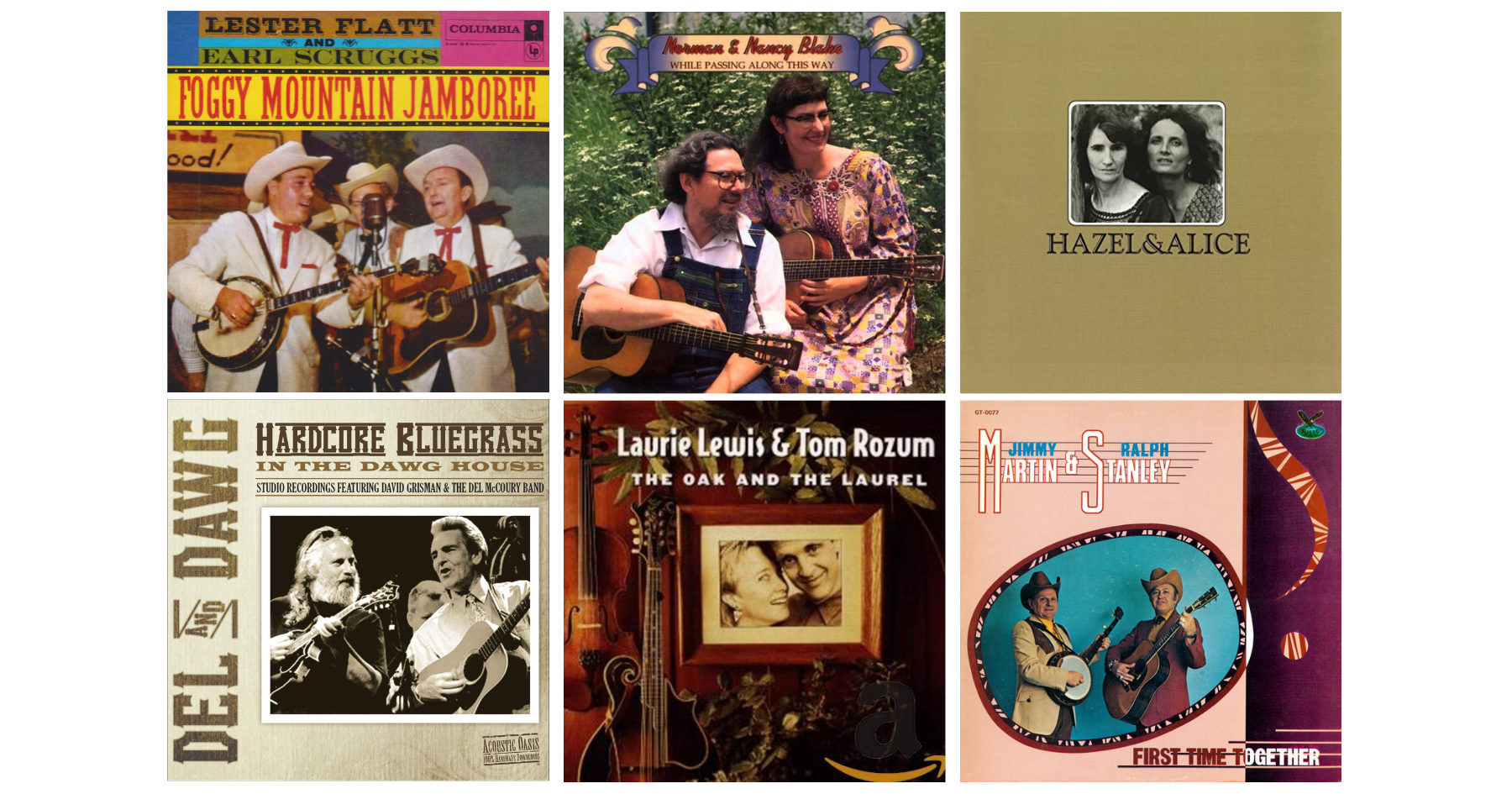
Every week for the past few years, we’ve brought you a radio show, and now podcast, revisiting all the great music recently featured on the pages of BGS. This week, we bring you a special episode for our Duos of Summer series — a musical recap of our 2019 collection of the 22 Best Bluegrass Duos.

APPLE PODCASTS, SPOTIFY

We’re listening to some of these classic duos, and exploring bluegrass’ longstanding and continuing tradition of wonderful duet harmony, be it sibling or otherwise. And while most fans of the genre may recognize names like Flatt & Scruggs or the Monroe Brothers, here you’ll also find newer acts that are following the path laid by those hall-of-famers.

Head to the original story to explore the full list while you listen!

When Springtime Comes Again: 12 Bluegrass Songs for Spring

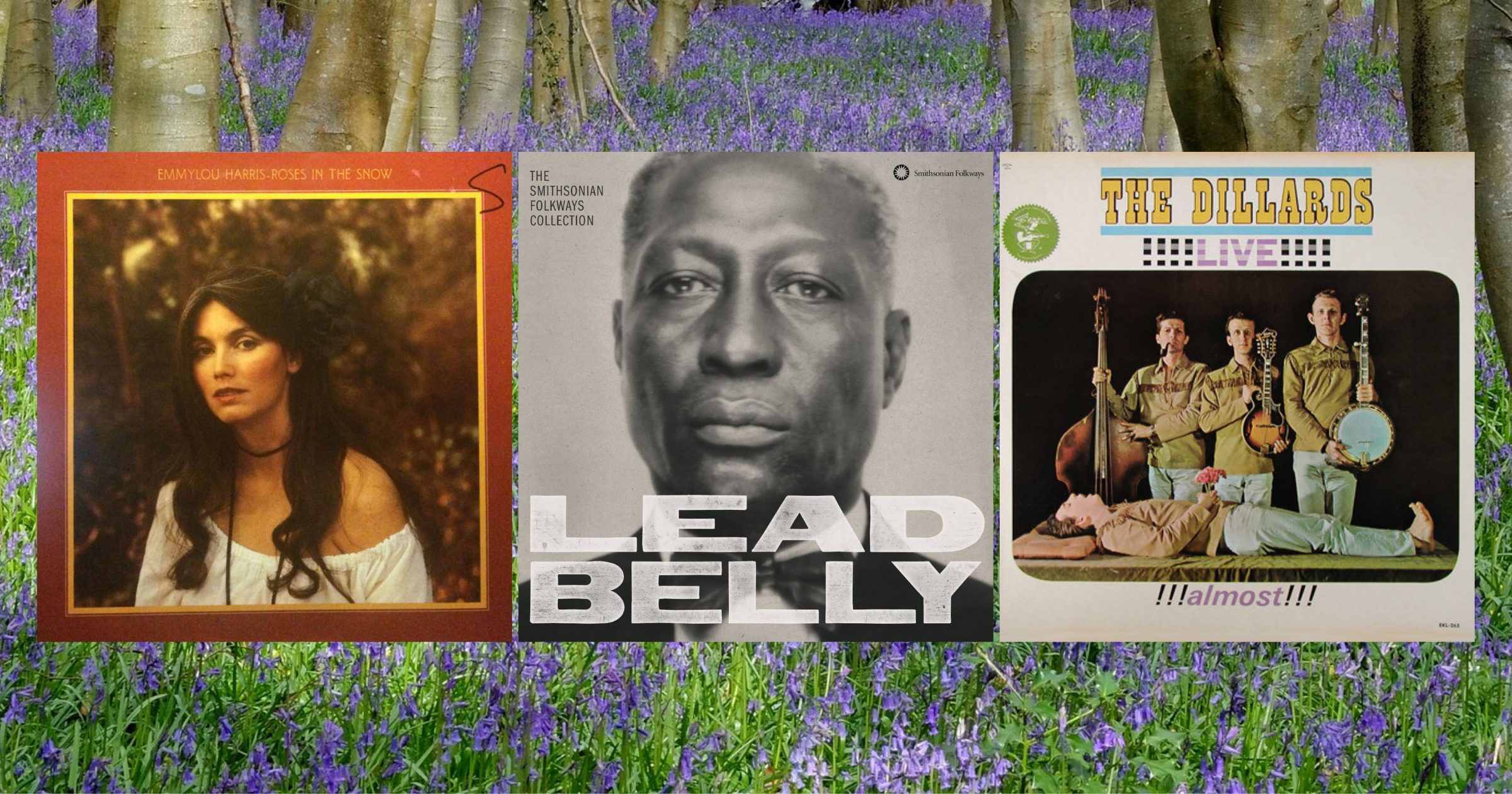
We hope, wherever you’re reading this from, that snow, frost, and the cold are truly retreating, giving way to longer days, warmer weather, and the gorgeous, humid, cicada-soundtracked days of summer. But, before we get to full-blown bluegrass season – and, hopefully, our first live music forays since COVID-19 shut the industry down in early 2020 – let’s take a moment to intentionally enjoy spring with these 12 bluegrass songs perfect for collecting a wildflower bouquet, romping and frolicking in the meadow, and pickin’ on the back porch while the evenings are still cool. 

“Wild Mountain Flowers for Mary” – Lost & Found

A classic via Lost & Found, bluegrass certainly does not lack metaphors and analogies for love built around spring and the flowers re-emerging – see “Your Love is Like a Flower” below – but this somewhat melancholy track is an exceptional example of the form. And that banjo solo by Lost & Found founding member Gene Parker will stop you dead in your tracks.


“There Is a Time” – The Dillards

Famous for the rendition sung by Charlene Darling of the ever-popular Darling family on The Andy Griffith Show, this haunting, seemingly timeless folky melody from The Dillards – who also played members of the Darling clan – cautions, “…Do your roaming in the springtime/ And you’ll find your love in the summer sun.” The suspensions in the banjo roll linger on the minor chord, echoing this sentiment and categorizing spring not by its own, shining qualities, but by the darkness in winter and fall. A true classic.


“Little Annie” – Molly Tuttle, Alison Brown, Kimber Ludiker, Missy Raines

A staple of impromptu pickin’ parties and jam circles, “Little Annie” is properly ensconced within the bluegrass canon, but is infused with new life in this application by Tuttle’s lead vocal, a slight queering of the lyric that’s perfectly at home in the hands of this veritable supergroup, assembled by D’Addario at Folk Alliance International’s conference in 2018. 


“Texas Bluebonnets” – Laurie Lewis 

Laurie Lewis is effortlessly, archetypically bluegrass even, if not especially, in applications that infuse other genres into the music, like this Tex-Mex flavored, twin fiddle arrangement of “Texas Bluebonnets” that truly never gets old. Yes, that’s Peter Rowan and Sally Van Meter guesting, and Tom Rozum jumping onto lead during the choruses so Lewis can utter the tastiest tenor harmony vocal. Stick around for the Texas double-fiddle break and do yourself a favor and bookmark the track for easy reference. You’ll be returning to it often, as this writer does. 


“The First Whippoorwill” – Bill Monroe 

The birds returning in spring are a sure sign of the seasons changing and the warm weather returning, though the whippoorwill’s role in folk music has always been as a bittersweet harbinger, never quite viewed without at least some semblance of suspicion, perhaps an acknowledgement of the whippoorwill’s mournful tendency of singing long into the dead of night. This recording of “The First Whippoorwill” is a tasty example of Monroe’s iconic high lonesome sound, with acrobatic breaks into entrancing falsetto woven into the harmonies. 


“Sitting on Top of the World” – Carolina Chocolate Drops

Whether you know this common blues, old-time, and bluegrass number from the Mississippi Sheiks, Doc Watson, John Oates, the Carolina Chocolate Drops, or any other of its many, many sources the fact still stands: Don’t like peaches? Don’t shake the tree. Demonstrably a song for spring, summer, and beyond.


“Roses in the Snow” – Emmylou Harris

Though BGS calls sunny southern California home – and BGS South is relatively temperate and mild in Nashville, TN – we know there are climes across this continent where spring promises snow as reliably as thaw. Emmylou Harris released her iconic bluegrass album in 1980 and its title track is another homage to love bringing warmth, newness, and growth even in the cold: “Our love was like a burning ember/ It warmed us as a golden glow/ We had sunshine in December/ And grew our roses in the snow…”


“Each Season Changes You” – The Osborne Brothers

Love is as fickle as the breeze! There’s a small irony in the song’s central conflict, that the singer’s love changes their mind as often as the seasons change – which, when taken whole, seems like a much more stable, predictable love than most? Even so, and done in so many different iterations, the central metaphor still holds, forever baked into the vernacular of these folk musics.


“One Morning in May” – Jeff Scroggins & Colorado

If you’ve been a bluegrass fan over the past five to ten years and you don’t immediately hear Greg Blake’s voice singing “One Morning in May” whenever it pops into your head, something must be awry. During Blake’s stint with Jeff Scroggins & Colorado, this spring-centered track was a highlight of their live show, a clean, modern rendering of what’s a properly ancient folk lyric. Lost love, war, nightingales, and yes, springtime – it has everything! 


“Your Love is Like a Flower” – Flatt & Scruggs

Perhaps the song that defines the form. Flatt’s languid, lazy phrasing seems to underline the leisure of spring that grows into the laziness of summer. The rhythm of love, tied to the seasons and the budding blooms. Another timeless sentiment, distilled into a favorite, stand-by bluegrass number.


“Springtime in the Rockies” – Lead Belly

You know the film and the country hit, but have you heard Lead Belly himself tell the story of hearing the tune from “Gene” coming by and playing him some music? Worth a listen and worth inclusion on this list, which would suffer if it didn’t include “When It’s Springtime in the Rockies” in one form or another!


“Spring Will Bring Flowers” – Balsam Range

Processing grief and loss through the ever- and unchanging seasons is a common thread through rootsy songs about spring. This more recent recording from powerful North Carolina bluegrass vocal group Balsam Range hearkens back to springy, ‘grassy numbers from across the ages – its intermittent banjo licks a call back to Jimmy Martin’s “world filled with flowers” in “Ocean of Diamonds.” 


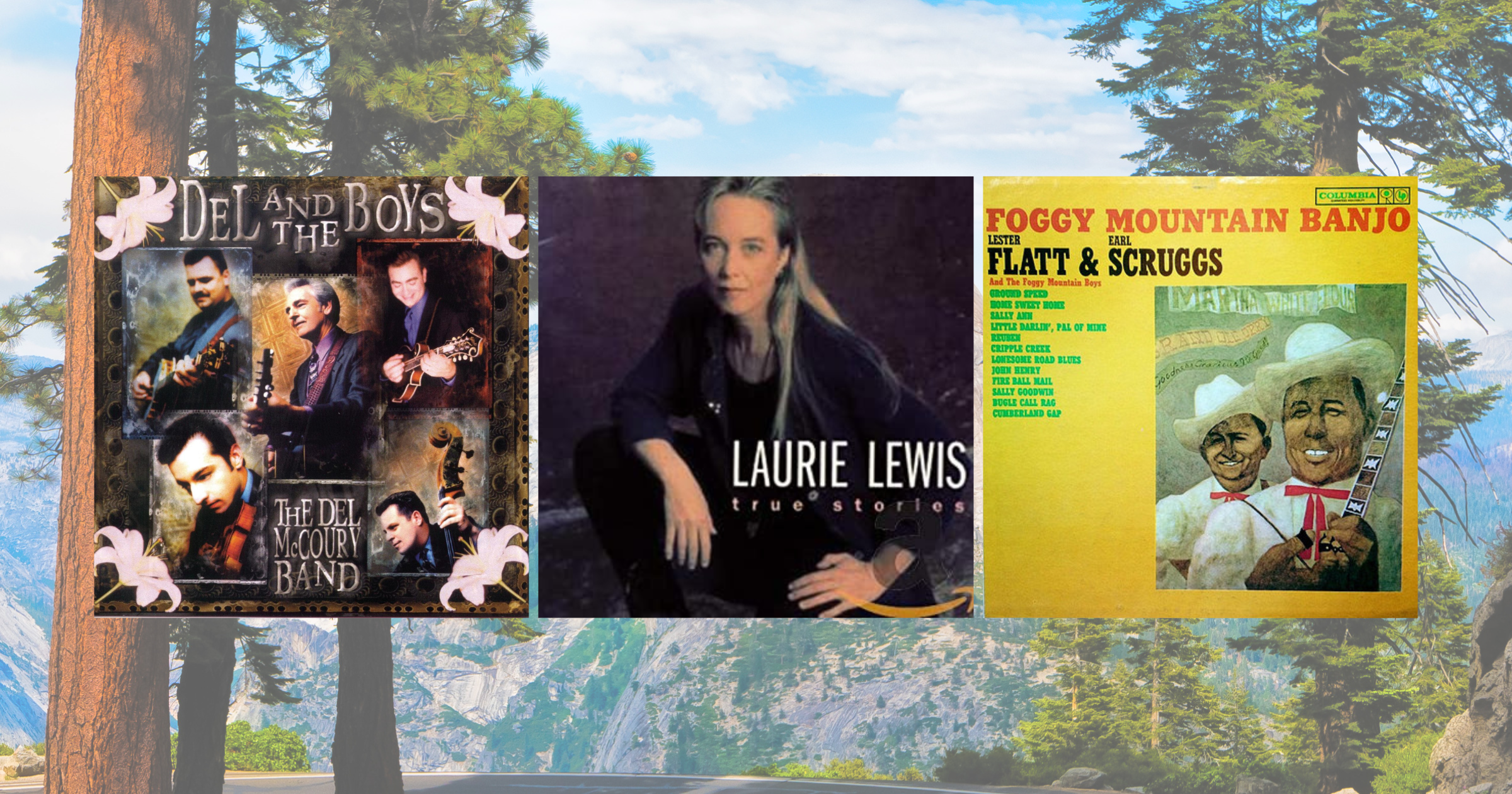
Background photo by velodenz on Foter.com

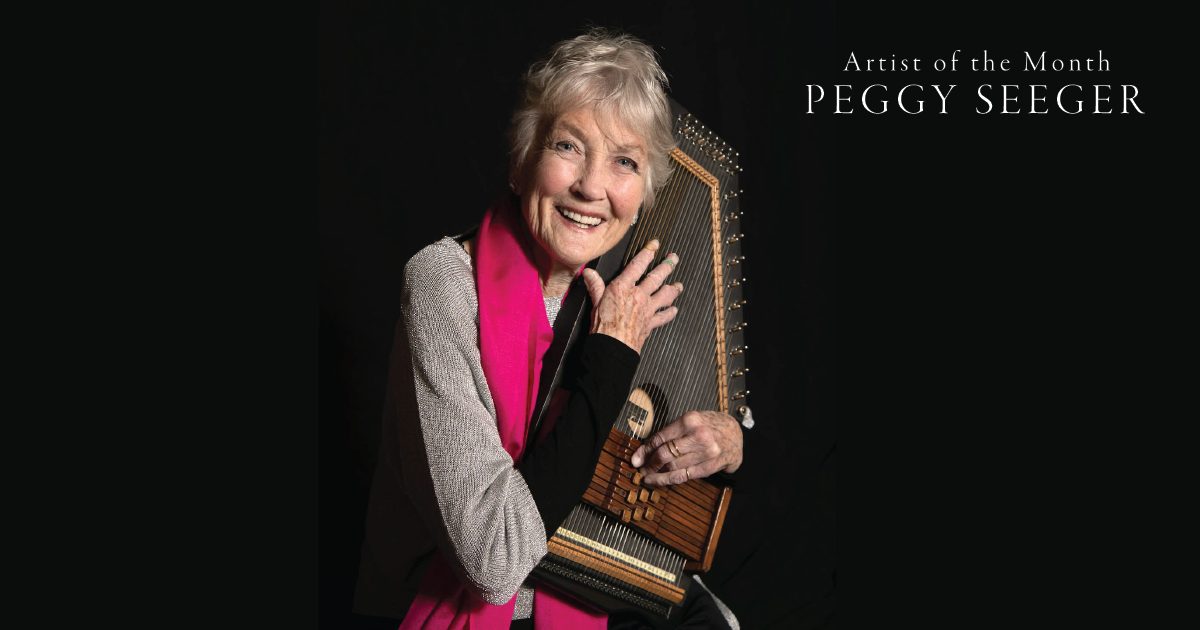
True to Her Activist Roots, Folk Legend Peggy Seeger Still Longs for Peace (Part 2 of 2)

At 85 years old, Peggy Seeger stands as one of the most accomplished figures in folk music. She has recorded 25 solo albums, plus dozens more with her late husband, Ewan MacColl, along with collaborations with her siblings and generations of other folk musicians. She is a multi-instrumentalist who has edited and compiled folk music anthologies, and she ran a well-known magazine featuring contemporary songs for 20 years. All that while touring, writing more than 200 songs, raising three children and serving as an immoveable force for peace and human rights. And hers was the face that inspired MacColl to write “The First Time Ever I Saw Your Face.”

From her home in England, Seeger spoke to BGS about her new album, First Farewell, and what that title really means.

(Editor’s Note: Read the first of our two-part Artist of the Month interview with Peggy Seeger.)

BGS: You wrote “How I Long for Peace” 20 years ago, but it’s really appropriate now. Can you talk about it?

When we decided to make a new CD, my son Calum had me sing to him any song that I hadn’t recorded. Because I lived in the United States for 16 years and wasn’t touring England, I wrote quite a number of songs that my kids never heard. “How I Long for Peace” was one of those. And when Calum heard it, he loved it. So, it went on the album, and so many people are commenting on it. It’s kind of like a hymn, and it has a very singable chorus, and it ties up nations and politics with climate change and the plunder of the planet. When I sing it, I feel such a longing in my heart. I feel the violence of the world. We’ve just had a horrendous murder here. In this country, a young girl who was walking home by herself disappeared. She was found two counties away in a woods. And there’s been a tremendous uprising here on the part of women. But it’s not until men uprise against this that it’ll ever be changed.

Can you talk about the project’s title, First Farewell?

I remember my brother Mike, who was with New Lost City Ramblers — once they broke up they had an annual farewell concert every year. I thought that was marvelously funny. So, I thought First Farewell will make people think. But it’s based on the two farewells that you give at the airport. You know, if you stay to wave goodbye to the person at our airport, you hug, and then they go through where only passengers are allowed. And they walk about 40 yards away, and then they turn to the right. So, the first farewell is the hug, and there is a second farewell where they wave goodbye just before they turn that corner.

In lots of ways at my age, I’m saying farewell to a lot of things, almost daily. When you’re my age, you see your body doing this, doing that, and you feel you’re slowly decaying. And it gives you a new feeling of togetherness with nature. I really have more of an attachment to nature and the birds and the daffodils and the trees than ever I did before. And I’m doing a lot of listening to books about nature. I’m beginning to feel that humanity is this very, very powerful paper-thin sandwich filling between what happens above the earth and below the earth, and we are just this kind of bacteria that is sitting along the edge of the earth. [Laughs]

Because I do feel that nature is calling us. Nature realizes that we are a danger. The same way as we’re trying to get rid of COVID, nature’s trying to get rid of us. And power to her if that’s her best way of teaching us anything, because we don’t learn at all. We just repeat everything that we’ve done before. But the first farewell is the recognition that I am near the goalpost. And within sight of the goalpost. I’ve been running like hell. But I run more slowly now.

Why did you move back to the United States in 2006, and then why did you return to Great Britain?

A tumultuous love affair brought me here permanently in 1959. I became a British subject in 1959 and settled down here. After Ewan MacColl died, 30 years ago, I had a new partner, a woman, my best friend, the only person that I’ve been head over heels in love with. And after four or five years, I had an incredible urge to go to America to find out who I had been before I came here – because I was a child when I moved here. And I immediately became totally involved in England. I grew up in England from age 24 and 54. That’s when I really became an adult. (I shouldn’t say that, because I’m not an adult yet.)

In 1994, I got this terrific urge to go back to America. I wanted my partner to come with me, but she couldn’t. So, I said, I’ll go and see what it’s like. It was the first time I’d lived on my own ever in my life. I toured America endlessly for 16 years. Then I began to realize that I really, really, really missed my kids. So, I just felt that urge to come back here. And now that I’m back here, I’m so glad I came back.

My children live in three corners of London. I can reach any of them in two hours. We talk on the phone, and I’m part of my family that I created again. My American family is very big, but very scattered. And the ones that I was really attached to are all gone. So, what made me move back was a gut feeling of where I belonged. And it’s so wonderful that my children are helping. They’re making it possible for me to keep going.

What do you see as the bright spots in today’s political and social movements? What gives you hope?

On all of the really big issues, what’s happening is small grassroots groups. People who want something done, want something changed, want something different are realizing that the government says it will take care of it — but it doesn’t. So, small groups are forming everywhere, saying, “We have to do this ourselves because our government is not doing it.” I’m part of a group like that here where I live, near the edge of Oxford. And Oxford has just spread and spread and spread and spread until it has incorporated one beautiful old village and then another old village. Then they become surrounded with new housing. And they have taken away the green land, taken away the beauty of the old villages.

I live in an old village called Iffley. Its church was built in the 1100s. And since 1964, 16 of its green spaces have been sequestered for housing. Plunk, they put 20 houses here; plunk, they put 50 houses there. Well, there are four acres left, two ancient fields that have not been touched for 1000 years. And our council wants to put 50 houses on them. I’m part of a group that is acting out of incandescent rage at this. If the housing is put in, it will be the end of our village – the end of it. I’ve always tried to be part of a small group that does something locally.

Parting words?

I’d like to thank you for the attention you gave to Laurie Lewis, because she is so good. She’s wonderful. I love that kind of music. I really, really do. And it’s something that I really miss over here, joining in on the radio with all of that wonderful singing that you can sing along with. I do miss the whole American scene, I do. But I’m a Gemini and I’ve chosen one of my twins, so I live here.

What I would like to say is that I have been very privileged in my life, extremely privileged, unlike a lot of people who need to struggle to make their names recognized. My name was recognizable due to my brother Pete, and my mother, my father. And I came at the end of other musicians who had smoothed the path out for me. I have had every possible advantage: two wonderful life partners, both of whom contributed to my career, and who have pushed me on and helped me. And children who don’t hate me! [Laughs] And a country that I kind of understand.

And enough money that I’m not in need in my old age. “First Time Ever I Saw Your Face” brings in a reasonable amount of income. People still hear it all over the place with some very funny covers. Oh, my god, it’s been covered over 400 times that we know of. There’s a rap version. There’s a country and western version. There’s a gospel version. There’s what I call a barbeque quartets version. There’s one with Scruggs banjo on it. I am just so fortunate, and I’m thankful that I’m being given an old age that makes me visible and worthwhile.

(Editor’s Note: Read the first of our two-part Artist of the Month interview with Peggy Seeger.)


Photo credit: Vicki Sharp

5 Uncommon Trad Instruments Played Like You’ve Never Heard

We’re all familiar with the standard bluegrass five-piece band (also a common lineup in old-time or string band music), but there are quite a few second- and third-string instruments — no pun intended — that are rarely invited to join ensembles of guitar, fiddle, upright bass, mandolin, and banjo. Dobro is perhaps first on this short list, but accordion, dulcimer (hammered and mountain), autoharp, washboard, harmonica and dozens of other music and noisemakers could be encountered alongside these acoustic staples.

The five musicians below are awe-inspiringly adept at their instruments, each considered more like afterthoughts or casual embellishments in American roots music, rarely considered centerpieces themselves. But no matter how uncommon they may be at your local jam circle, or around the fire at the campsite, after you’ve been introduced to each of the following, you’ll be craving more unexpected and uncommon sounds in your bluegrass lineups.

From bones to nyckelharpa to Irish harp, here are five uncommon traditional instruments played like you’ve never heard them before:

Simon Chrisman – Hammered Dulcimer

A familiar, towering figure in the West Coast old-time, folk, and DIY roots music scenes, Simon Chrisman is criminally underappreciated on a national or international level. He most recently released a duo album with acclaimed banjoist Wes Corbett, he has been touring and collaborating with the Jeremy Kittel Band, and he’s performed and recorded with the Bee Eaters, Bruce Molsky, Laurie Lewis, and many others. His hammered dulcimer chops exist on a plane above and beyond even the most accomplished players on the trapezoidal instrument, throwing in pop and bebop-inspired runs, reaching down to bend strings by hand to achieve particular semi-tones, bouncing along at a rate only matched by a three-finger banjo player’s rapid-fire sixteenth notes. It’s jaw-dropping, even in Chrisman’s most simple, tender melodies and compositions. This rollicking number, named for Corbett’s beloved cat, is neither simple nor overtly tender, but your jaw will find the floor nonetheless.


Rowan Corbett – Bones

Rowan Corbett is a singer-songwriter, multi-instrumentalist, and percussionist best known for his time with seminal modern Black string band, the Carolina Chocolate Drops. Also a longtime member of Baltimore-based acoustic-grunge/world-folk group ilyAIMY and a veteran of Celtic outfit Tinsmith, Corbett is something of a musical chameleon, though it never feels as if he’s just putting on genre costumes to match whatever melodic motif suits the moment. Instead he inhabits each one authentically and wholly. ilyAIMY, for being billed as a folk band, are captivating, passionate, and energetic, perhaps most of all while Corbett fronts the group. But all of his musical moxie across all of his instruments pales when he pulls out the bones — traditional, handheld percussion instruments similar to their more mainstream (if not more vilified) counterpart, the spoons.

It’s no wonder a bio for Corbett begins, “What are those and how does he do that?” Corbett’s percussion skills are precise and technical, laser-like accuracy meshed with generation-blurring soul. During a guest appearance with Rhiannon Giddens at the North Carolina Museum of Art in Raleigh, North Carolina, in September 2019, Corbett brought thousands of listeners gathered on the hillside by the amphitheatre to their feet with his bones and just a couple of bars. This improv/battle video with Greg Adams displays just a taste of Corbett’s prowess on the ancient instrument.


Amy Hakanson – Nyckelharpa

Pandemic aside, if you’ve jammed with an old-time fiddler in the past two years you’ve probably fumbled (if you’re like this writer) or charmingly tripped your way through a Swedish fiddle tune or two. Musicians like Brittany Haas and Molly Tuttle have brought Swedish tunes into their repertoires, birthing dozens of new acolytes of the crooked, wonky, joyful tunes. Many an American fan of Swedish folk traditions were introduced to them by Väsen, a genre-blending, nearly 30-year-old Swedish folk band adored by multiple generations of American musicians, thanks to their status as a favorite band of everyone’s favorite pickers. (Väsen counts Chris Thile, Mike Marshall, Darol Anger, and others among their most vocal proponents and collaborators.)

Nyckelharpa player and scholar Amy Hakanson was first introduced to the instrument by Väsen as well and in 2014 she took her fascination with the heady, engaging music to the source, to study nyckelharpa with Väsen’s Olov Johansson himself at the Eric Sahlström Institute in Tobo, Sweden. Her approach to the instrument — a traditional Swedish, bowed fiddle-like apparatus played with keys — has a storied, timeless air, even as she carefully places the nyckelharpa in modern contexts. This original, “Spiralpolska,” for instance, utilizes a loop machine, ancient droning and modern droning combined.


Sarah Kate Morgan – Mountain Dulcimer

The mountain dulcimer is simple and beautiful in its most common use, a gentle, pedalling rhythm section for languid, introspective folk tunes. Counterintuitively much more common in the hallways and hotel rooms of Folk Alliance International’s conference than IBMA’s or SPGBMA’s gatherings, this writer first encountered Kentuckian Sarah Kate Morgan and her melodic-style dulcimer among the many booths of IBMA’s World of Bluegrass exhibit hall. She was holding her own in an impromptu fiddle jam with mandolins, fiddles, banjos — all instruments much more familiar with picking intricate, free flowing hornpipes and hoedowns. But Morgan doesn’t just strum the dulcimer, capitalizing on its resonant sustain and open tuning, she shreds it. Playing a finely-tuned, impeccably intonated instrument with a radiused fretboard, she courageously and daringly dialogues with whomever accompanies her down every bluegrass and old-time rabbit hole she meets. It’s incredible to watch, not only with the understanding that most mountain dulcimers are treated as an aesthetic afterthought, but also knowing that Morgan’s prowess outpaces just about anybody on any instrument. A truly transcendent musician.


Alannah Thornburgh – Harp

Harp keeps coming up lately! And for good reason. No matter the genre label applied, harp is having a moment. We’ve kept up with Alannah Thornburgh for a few years, featuring her work with Alfi as well as across-the-pond collaborations like this one, with mandolinist (and BGS contributor) Tristan Scroggins. Living in Dublin, Thornburgh plays in the Irish harp tradition, but has toured and traveled extensively in the United States, giving her style a distinctly old-time and fiddle-tune-influenced approach. She takes on the complicated, contextual vocabularies of American old-time music with ease, almost leading listeners to believe that emulating the banjo or mandolin or executing new acoustic compositions or modern reharmonizations of old-time classics is what the harp was designed to do.

An Instagram video of Thornburgh displays a mischievous, winking arrangement of Béla Fleck’s “The over Grown Waltz,” from one of his masterworks, The Bluegrass Sessions: Tales from the Acoustic Planet, Vol. 2. An earworm of a tune well-worn and familiar to any acoustic music fan Generation X and younger, it’s not uncommonly called at some jams, but its hummable melody is secretly, deceptively, subversively complicated. Once again, Thornburgh simply smiles and pushes onward, as if reaching and pulling these intricate licks and banjo phrases seemingly out of thin air on a harp were as everyday an activity as brushing one’s teeth — or a wedding performance of Pachelbel’s Canon in D.


View this post on Instagram


A post shared by Alannah (@alannahthornburgh) on


Photo credit: Alannah Thornburgh (left) by Tara McAuley; Amy Hakanson by Amy Hakanson.

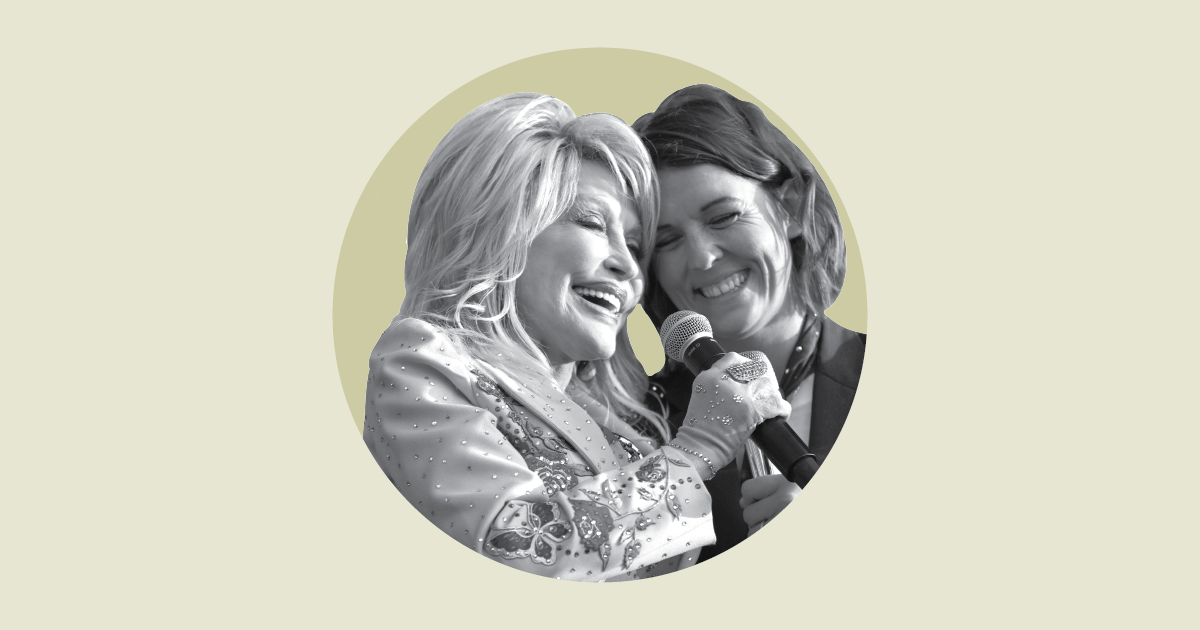
Dolly Parton, Brandi Carlile, and the Women Who Wrote Our 2020 Soundtrack

There are a whole lot of ways you can tell the story of 2020, but for us here at BGS, it will be remembered as a year of especially remarkable songwriting from women in roots music.

We lead our playlist with the one and only Dolly Parton, who assured us that life will be good again. Parton’s songwriting is presented in an enticing new book, Songteller, and her ability to articulate complicated emotions — through lyrics that speak to all walks of life — is something that Brandi Carlile picked up on as a teenager. In this video interview from the 2020 BMI Country Awards (with a cameo from Dolly at the end), Carlile explains how Parton’s perspective on equality kept Carlile from divorcing country music completely.

Parton, who turns 75 next month, shares a number of important qualities with a new generation of singer-songwriters she’s inspired. In the case of Brandi Carlile, there’s a sense of belonging that is woven throughout their work, from Parton’s “Joshua” to Carlile’s “Carried Me With You.” Like Parton, Brennen Leigh is able to capture a sense of place and make it relatable, even for a listener who’s never been there. Kyshona Armstrong offers a sense of self-worth and self-awareness in her writing, as Parton does, allowing listeners to know them better. Likewise, Maya de Vitry and Parton share a sense of wonder and joy, portraying landscapes — internal and external — that are imagined, yet vivid.

On Prairie Love Letter, her full-length paean to her homeland on the Minnesota-North Dakota border, Brennen Leigh demonstrates a visceral, evocative grounding – just as Parton constantly speaks of her Tennessee mountain home: with a glint in her eye, and a sorrow in her heart for knowing she had no choice but to leave it. Leigh stakes her claim on both the wide, expansive plains and Nashville all at once, asking her audience “Don’t you know I’m from here?” As if to remind she’s as at home in bluegrass and country — and Music City — as Dolly herself.

“Backwoods Barbie,” “Dumb Blonde,” and “Just Because I’m a Woman” are all perfect examples of Parton’s lifelong radical self-possession. She expresses her agency boldly, confidently, without (visible) second guessing – from her wigs to her infamous tattoos to her nothing-special acknowledgement of her plastic surgeries, struggles with suicidal ideation, and so on, she is her fully realized, autonomous self. As Dolly told Jad Abumrad on Dolly Parton’s America, “Who we are is who we are… I would just bow out if I wasn’t allowed to be me…” Kyshona Armstrong‘s prescient album, Listen, holds similar space, as Armstrong doesn’t simply ask folks to listen; her presence, compassion, and radical honesty demand it. Because, first and foremost, she’s welcoming and non-judgmental in that aim, you will find yourself fully enveloped by her music before you realize the conviction within it.

Maya de Vitry made a gorgeous, poetic foray into heavier, rockier turf with How to Break a Fall, a gutsy, genre-bending set of songs. Their anger, release, and passion, expressed by the folk-rock production style, feels right out of Parton’s post-White Limozeen era, an effortless combination of seemingly disparate musical influences, distilled into something that, almost above all else, feels joyful. Where male-centered rock and roll finds itself often hung up on its endemic toxic masculinity, de Vitry and Parton stride into electrified sounds with their femininity forward, and the result is as charming as it is subversive.

It’s striking, among such an incredible volume of musical output from their Americana and country peers this year, that these women would stand out, above and beyond the still-common glass ceilings imposed upon them for decades. Dolly blazed a trail, but these dozens of writers — and singers and pickers and composers and front women and side musicians and authors and poets — would have crashed through inevitably on their own. With songs like Adia Victoria’s “South Gotta Change,” Sunny War’s “Can I Sit With You?,” “Troubled Times” from Laurie Lewis, the Secret Sisters’ “Cabin,” it’s obvious Dolly Parton’s songwriting legacy will be inherited by multiple generations worthy of carrying it on.

Throughout 2020, the BGS editorial team embraced this wealth of excellent music from women songwriters in roots music. It has been a privilege to share these original voices with our readers, too. Here are 50 of our favorite tracks from 2020:


Photo credit: Daniel Jackson for BGS, Newport Folk Fest 2019

MIXTAPE: The Barefoot Movement’s Holiday Favorites

To get an idea of how much I love Christmas music, I’ll start with a series of questions. Do I have nearly 700 Christmas songs on my iPod? Why, yes I do! Did I scroll through every one of them in search of ideas for this playlist? I sure did! And did I start with about 75 songs, which I had an incredibly hard time whittling down to a mere 14? Yes, yes I did — I take this playlist business quite seriously. Also, on an unrelated note, do I actually still use an iPod classic? You betcha!

As you can plainly see, I love holiday music. At any other time in the year I might weary of hearing 100 versions of the same song. But at Christmas, anything goes. If a band I love has a holiday album, I’m most definitely buying it. In high school — these were pre-Spotify days mind you — I curated my own “playlists” and grouped them into categories like “Christmas Classics,” “Rockin’ Christmas,” and “R&B/Soul” and burned them onto CDs. Every year I would add more songs ’til eventually, they outgrew the CD format!

So I relished the opportunity to put together this specially curated Mixtape for the Sitch. I tried to stay away from the classic category, even though I love “Jingle Bell Rock” and “Rocking Around the Christmas Tree” as much as the next person. My taste in music is very personal to me, so with every song comes a little story.

I understand that Christmas music is not for everyone. Even some folks who like it in small doses might tire of hearing the same songs year after year. But for me, these annual celebrations — whether Christmas, Halloween, or National Donut Day — give us something to look forward to when the constant toiling of life wears us down. And that is a good and worthy thing, especially in a year when so many joyful things have been canceled. I hope you enjoy this collection and that you’ll get some real enjoyment out of these great songs! Happy listening! — Noah Wall, The Barefoot Movement

Doc Watson, Del McCoury, and Mac Wiseman – “Christmas Time’s A Comin’”

Something about the combination of Doc Watson’s immediately recognizable guitar playing and Del McCoury’s high lonesome tenor, not to mention the great Mac Wiseman (who I just learned was a co-founder of the Country Music Association, who knew?!), transports me directly to a living-room, after-dinner, holiday pickin’ party. This may be the quintessential bluegrass Christmas song and this is my all-time favorite version. I love it so much, it makes me want to learn to flatfoot.

Red Clay Ramblers – “One Rose/Hot Buttered Rum”

The Red Clay Ramblers are a North Carolina-based Americana band who have been making wonderful music since the 1970s. I first heard this song on our local NPR affiliate radio station’s weekend folk show, “Back Porch Music.” I was introduced to many bands on that fabulous little program that is still airing today, from legends like Doc Watson to then-up-and-comers Nickel Creek. It’s been an honor to hear my own music played on there amongst them.

Just once in my life, I’d love to write some lyrics half as good as these, which so beautifully capture the gloom of a wet, cold, melancholy Carolina winter, when even sparkling lights and greenery seem colorless and out of place. Ultimately, it’s a love song, an ode to the ones who keep us warm, no matter the weather. “When dreary Christmas decorations line the streets and filling stations and dime store Santas can’t disguise their empty hands and empty eyes… In the dead of winter, when the tinsel angels come, you’re my sweet maple sugar, honey, hot buttered rum.”

Sufjan Stevens – “That Was the Worst Christmas Ever!”

I am a huge fan of Sufjan Stevens and his wildly imaginative, fearlessly quirky music. I gave his first collection of holiday songs as a Christmas gift to Tommy Norris, our mandolinist and my now-husband, back when we were first dating. It’s since become a staple of our seasonal collection. This song in particular strongly resonated with me, as I can recall moments in my childhood that mirror the lyrics. For many, family relations around the holidays are tense and somewhat less than “holly jolly.” I think that’s okay — holidays can be stressful, and no one is perfect. This Sufjan song offers anyone who has been on the giving OR receiving end of some righteous seasonal stress a lovely cathartic release. Other favorites from this collection are “Only at Christmas Time” and “Hey Guys! It’s Christmas Time!”

Ralph Stanley – “Christmas Is Near”

Ralph wrote this downhome delight himself and originally recorded it with his brother Carter in 1958. This newer version is unabashedly country and I love everything about it. It’s as pure as freshly fallen snow! While some of the songs on my list might highlight the somber side of the season, this one is the exact opposite, with lyrics that round up all the good things that make the holidays special: family, joy, and love. It’s a magical time, if we are lucky enough to be able to focus on these things.

Pearl Jam – “Let Me Sleep (It’s Christmas Time)”

My “Rockin’ Christmas” playlist has all the classic holiday tracks from greats like John Lennon, Eagles, and Queen. It also includes this grunge-era gem. Picture, if you will, 4-year-old Noah, a card-carrying member of the Pearl Jam fan club with a wicked crush on Eddie Vedder. If I remember correctly, this song was on an exclusive vinyl single that was sent to members of said fan club, and I was one of them! It’s such a dreamy tune, and while a look at the lyrics today reveals deeper meaning, 4-year-old me related to the simple joy of taking a cozy nap on a cold day during Christmas vacation. And y’all, I still love naps. Especially Christmas naps. Because I feel like I earn them.

Duke Ellington – “Nutcracker Suite: Peanut Brittle Brigade (March)”

This is a pick from our bassist, Katie Blomarz. She began performing with us in 2015 and brought with her a background in jazz music that was cultivated by her musical family. In her own words, “For me, the Christmas spirit is amplified in jazz/big band arrangements. The Nutcracker Suite interpreted by Duke Ellington and Billy Strayhorn is the perfect harmony of a classical favorite by Tchaikovsky reimagined by a big band for a modern flair. This album has been a special one for my family because my dad, brother and I all grew up playing in big bands, and in non-2020 years, my brother plays this record live every December! It is a swinging change of pace from the pop songs on any Christmas playlist!”

Laurie Lewis & Tom Rozum / Merle Haggard – “If We Make It Through December”

When I was fresh out of high school, I landed a job at a local country music radio station. Though our programming was your typical Top 40 and wasn’t even handled at the local level, we would still get CDs sent to us occasionally, the old school, indie marketing way. This is how I happened upon Laurie Lewis and Tom Rozum’s seasonal album, Winter’s Grace. Believe it or not, this was the first time I had ever heard of Laurie Lewis, and even harder to believe, it was the first time I had ever heard Merle Haggard’s wonderful song (I was only 18, so cut me some slack!) I was an immediate fan of both. The song tells such a relatable story. I am always inspired by the way a song can take a moment in time, no matter how insignificant in the long run, and immortalize it. It’s the perfect healing device that brings comfort and affirmation, even when that moment has long passed. You can’t find Laurie & Tom’s version on streaming services, so we’ll include Merle’s here.

The Jackson 5 – “Give Love on Christmas Day (Group A Cappella Version)”

My R&B Christmas playlists feature tracks by folks like Otis Redding, The Temptations, Stevie Wonder, and of course, the entire Jackson 5 Christmas album. This song is what it’s all about. Whether or not you are religious, the sentiment of spreading love is universal, and that very concept is what lies at the heart of Christmas. I love the original Jackson 5 recording, but this one, a special track from The Jackson 5’s Ultimate Christmas Collection, is stripped down to just the vocals. It goes from being a full-fledged, studio package, to an intimate, almost hymn-like family prayer, sung by an extremely talented group of brothers. The quality of their voices is so palpable and innocent, which lends to the sincerity of the message. “Out of the mouths of babes,” indeed.

Rogue Wave – “Christmas”

I love Rogue Wave so much! And I was today years old when I realized that this Christmas tune of theirs from an awesome collection, put together by their label, Brushfire Records, is a cover of a song by The Who from their rock opera, Tommy. I’ve seen it, but I completely forgot about the song. Rogue Wave’s version sparkles like sun reflecting on a snow covered hillside, peppered with sledders. Seriously, that’s exactly what I picture when I hear it.

The Judds – “Beautiful Star of Bethlehem”

One Christmas Eve, I was attending the annual service held at my great grandmother’s church. One of the performers they had scheduled to sing came down with something, and the other musicians asked me to fill in on this song. It went over so well, it turned into a tradition, and I came back and sang it every Christmas Eve for the next 15 years. Needless to say, it earned a very special place in my heart, especially after we lost my grandmother at age 96 back in 2018. Every time I hear this recording, I remember listening to it in my car in the parking lot, to remind myself which part to sing, and my precious grandmother, beaming with pride in the audience. This is another song that I would file under the label “quintessential bluegrass Christmas listening.” The Judds’ version is perfect, thus I have yet to record a version myself, as I can’t think of one thing I would do differently.

Bob & Doug McKenzie – “The Twelve Days of Christmas”

And now a fun one! One of my holiday playlists highlights things that fall into the humor category. The selections include songs like Porky Pig’s “Blue Christmas,” barking dogs singing “Jingle Bells,” and the parody of Black Sabbath’s Iron Man, “I Am Santa Claus.” I have about five spoofs of “The 12 Days of Christmas” because, well, it just lends itself so well to mockery! This one is my favorite. The characters Bob & Doug Mckenzie are fictional Canadian brothers, created and played by Rick Moranis and Dave Thomas on the sketch comedy show SCTV that aired during the ‘70s and ‘80s. I won’t say too much. You’ve probably heard it, but if you haven’t, you should. My favorite line: “Next year, get me a chainsaw.”

Track Dogs – “How Christmas Was Meant to Be”

We met the band Track Dogs at Folk Alliance International several years ago. I was walking by a hotel room showcase and the sound I heard from within made me turn around and go listen. Their typical instrumentation consists of guitar, trumpet, bass, and percussion, and they are made up of members from England, Ireland, and the US, yet the band came together and now resides in Spain. The fusion of all these elements yields something truly unique. Lead singer Garrett Wall, whom I must be distantly related to (at least I hope so) has one of my favorite voices in modern music. This song is eloquently penned, perfectly arranged, and beautifully recorded. A new Christmas favorite for me, to be sure.

The Seldom Scene – “Silent Night”

No autotune here folks, these guys are the real deal. The Seldom Scene is one of my all-time favorite bluegrass bands. When I was a preteen, and all I listened to was Limp Bizkit and Korn, I went through a phase where music like theirs was “too bluegrassy” for my taste. Then one day, I saw the light, thank God. They have such a signature sound, they were true innovators, with harmonies that stand alone in creativity, even today. This song in particular is the perfect example of why people buy Christmas albums. It’s simply pleasing to hear a band you love sing a familiar song, even one that has been recorded thousands of times and sung for centuries. Oh and by the way, I still love Korn and Limp Bizkit and have absolutely no shame in admitting this. If they had Christmas albums, I’d probably buy them.

Ryan Shupe & the Rubberband – “The Gift”

Ryan Shupe & the Rubberband are described as an American rock/bluegrass band on Wikipedia. The “rock/bluegrass” classification kind of makes me chuckle, but it’s true! Their style marries the two seemingly opposite genres of music. We shared a booking agent with the band for a while and we were able to play a few events with them. Every year when I hear this song, my sincere desire to spend my time on Earth doing good is renewed. It’s so hard to keep this ideal at the center of my attention, when the inevitable storms of life keep me constantly distracted and focused on myself, and my innate introversion pressures me into seclusion. But when I hear this song, it gives me the motivation I need to get back out there and try again, to seek to do better in every way I can, to be a friend, an ally, and a comfort to anyone in need. It’s a lofty aspiration, and I am just a work in progress, but this song gives me hope that I might one day find the strength to live up to it.


Photo credit: Workshop Media Co.

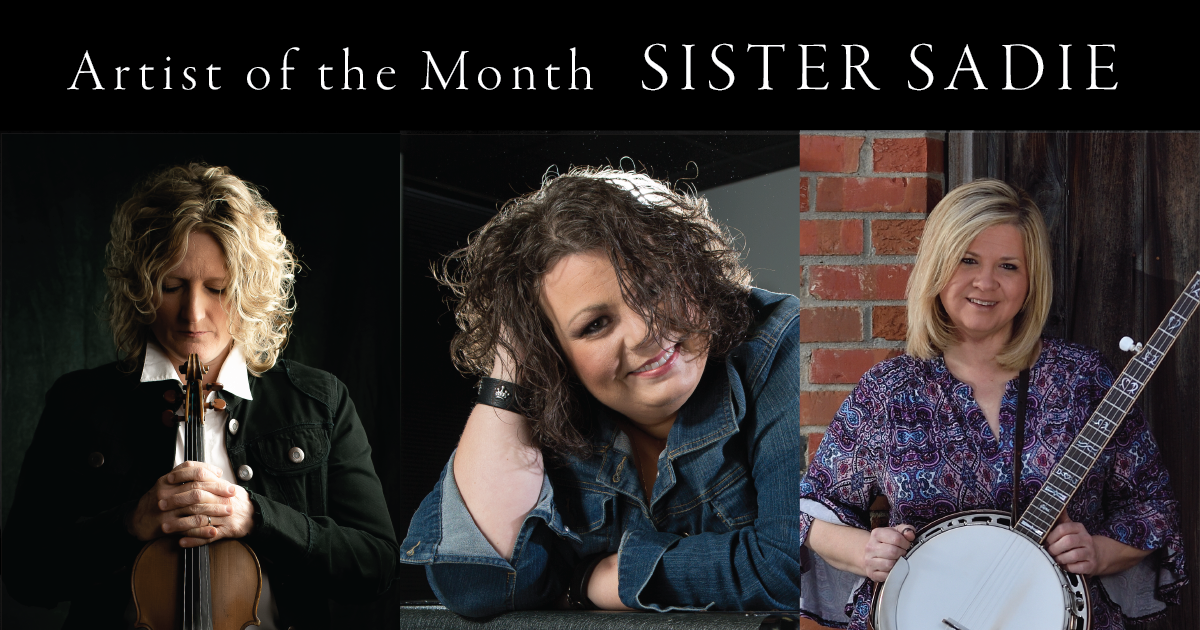
Sister Sadie: Bluegrass Entertainers, Teachers, and Most of All, Friends

Sister Sadie is a bluegrass supergroup featuring no-holds-barred instrumental and vocal talent presented as world-class entertainment. To list each member’s history in bluegrass and their accomplishments would take up more space than this entire interview, but their music speaks for itself. These women have spent their lives perfecting their craft. The band originally formed to play a one-off show at the historic Station Inn in Nashville. Once they started playing, they knew that they had found something special.

Since that night they have gone on to perform on the Grand Ole Opry, receive a Grammy nomination, and rack up two historic awards from the International Bluegrass Music Association. In 2019 they were the first all-female group to win IBMA Vocal Group of the Year and in 2020 they became the first all-female group to win IBMA Entertainer of the Year. These awards represent not only their individual lifetimes’ worth of hard work and passion, but also the work and love that they put into their music and each other.

BGS caught up with three of the band’s founding members — Tina Adair (mandolin, vocals), Gena Britt (banjo, vocals), and Deanie Richardson (fiddle) — for our Artist of the Month interview.

BGS: Since IBMA was virtual this year I haven’t gotten to see any of y’all in person to congratulate you on your award. I imagine this recognition must feel exciting since you’ve all been playing for your entire lives. Does winning Entertainer of the Year hold any special significance to you?

Tina Adair: I’ve been singing on stage since I was 3 years old. As big of a ham as I am now, I was as big a ham back then, too. I’ve always loved the stage and I love entertaining people and making people feel good and having a good time. I think people go out to see shows to get a break from the everyday world and to enjoy music because music is very therapeutic. It’s always been a goal of mine to make sure that people leave smiling bigger than they did coming into the show and feeling like they’re part of something. I know that Gena and Deanie are the same, all we’ve ever known has been music, you know? It’s not just a part of our lives — it is our life. So to get to do this as a profession, just makes us even luckier. And then to be recognized by your peers. Entertainer of the Year has always been something that I’ve dreamed about all my life. It’s been very special and we’re very honored and grateful.

Gena Britt: That’s pretty much everything I would’ve said.

Deanie Richardson: Yeah, that was pretty good. I’d say we’ve all been going to IBMA since we were teenagers. We all dreamed of being nominated for awards, but I don’t know if we ever thought it would happen. And like Tina said, that Entertainer of the Year category is special for some reason, so winning is just the icing on the cake. It means that we’ve not only gone out and played our best, but entertained them. Tina’s a great entertainer. She can grab that crowd and take them on a big journey. They’ll laugh and cry and anything they need to feel emotionally she can do that with an audience. To pull this off, to experience these awards and what we’ve accomplished together as five friends who have grown up knowing each other and going to IBMA that’s the really special part for me.

You all have this connection to mentoring the next generation, which is such a big part of the bluegrass tradition. How do you feel about being able to influence the generation of bluegrass in general and of women and bluegrass?

TA: Each of us has had such a lifelong journey, and we’re not old, but we’re middle aged now. So we’ve got some experiences to share. With age comes wisdom. I’ve been [working] at Belmont [University] for 20 years now. Personally I love that college age, because it’s such a transitional period in a person’s life. That’s the age where you’re coming into being a young adult and learning to make decisions. I love to be involved in lives at that point in time. I love to be able to provide advice to the kids and share any kind of tips. One of the best pieces of advice I always give to my students that I learned from one of my mentors is to do something every day to help forward yourself towards a goal or the career that you want to go after. Whether you spend five minutes on it or 10 hours that day on it, do something every single day.

And then, as far as influencing women and everything, I hope I can be an influence to a female that doesn’t fit the typical mold of what people think you’re supposed to look like in society. You know what I mean? People who need to be encouraged to get on stage or find the courage to want to learn how to play something even if they’re just sitting in their living room. I think that’s important — having that self-confidence and awareness of knowing who you are and knowing what you stand for. And being okay with yourself. Lord knows I’m not a size four, but it doesn’t matter. I’ve got the confidence of a size two. I love people. And I think if you give love to people then they’re gonna give back to you. I really feed off the energy of an audience because if I’m interacting with them and they’re interacting with me, then they’re invested just as much as I’m invested in them, you know? If I can influence one person that may have thought they couldn’t do something but changed their mind after seeing a Sister Sadie show, then that’s made our journey worth it.

DR: We’re not ones to harp on this whole “We’re women, blah, blah, blah.” But there are lots of women out there who paved the way for us like Laurie Lewis, Lynn Morris, and Kathy Kallick. We look up to them and they made it possible for us to win these awards. Somebody said the other day in an interview, “No woman has ever won this award” or all-female band or whatever. It is a male-dominated business, but there have always been women in this genre. There have been women always working towards what we just accomplished and they helped us get to where we are. And I hope that we’re paving the way for the next group of women to come right behind us. I think we’re working past saying, “Here are some women, and they just did this.” Because, you know what? We’re freaking good. And we just did this. Eighty percent of my roster that I teach is young girls playing fiddle and I want them to not have to worry about being a man or a woman. I want them to just want to be good, or to be the best, and to get out there and do this because that’s their goal.

Gena, I had a question for you because you played in Petticoat Junction, which is another historically significant, all-female group. Do you feel like there’s much of a difference performing in an all-female group now versus back then?

GB: Back then, there were a few other all-female bands, and at the time, if you called a promoter to book a show or something, they would say, “Well, we’ve already got a female band that weekend. We don’t need another female band.” I think we’ve grown so much since then. It hasn’t completely gone away, but we have stepped away from that. Yes, we are women, we are in our 40s, we all have these jobs that we’re doing, like, I have a day job and everything. But people are recognizing our music and we’ve been given these awards, because we’re carrying our own and we’re doing as best we can as musicians.

It’s great to see all of that progress. Bluegrass has this thing where men age into reverence, kind of no matter how talented they are. If you’ve been around for long enough, then people recognize that you have some wisdom which is turned into social capital. But women don’t seem to get that same treatment. It seems like it’s much harder for them to age into legends. You just stop hearing about them as much. It’s a really unsettling phenomenon. So I think it’s doubly exciting for you all to, uh, as… I’m trying so hard to not say, and I’m not saying at all that you guys are —

TA: Just say it, Tristan!

You’re only older than me! You’re not old, I’m just a baby.

TA: I mean, we’re all one step away from menopause. At least I really hope I am, because if I’m not, there’s something else wrong with me. [Laughs]

GB: I was 18 when I joined Petticoat Junction. That was 30 years ago. I’m 48. That gives some perspective on how long we’ve been out here doing this.

You’ve been doing this your entire lives and have been actively involved in the scene the entire time and I think it’s reflected in your music. You’re all talented musicians. The music that you play has its own sound, but clearly has a lot of different influences. How do you bridge the gap between bluegrass and folk and country and blues?

DR: Going into the studio and picking material is a hard thing for five people to do, and as women who all have different tastes and different senses of artistic creativity, it’s a challenge. Everybody brings songs to the table and then we choose as a unit what we think works as a band. That’s a hard process for us, but I feel like, at the end of the day, we work really well through our differences. Hell, we’re probably gonna break into a fight, but it’s gonna be alright. We’re gonna make it through it. And at the end of the day, there’s gonna be 12 songs on the record that we can kick ass on. Part of it comes down to Tina has a singing style that works for her, Gena has a singing style, and Dale Ann had one as well. So that brings in the blues, the hardcore traditional, the folky, from each of us.

GB: It’s all those influences. The East Kentucky, Alabama and the blues from Tina, I’m straight-ahead, traditional bluegrass from here in the heart of North Carolina. And it’s like you said, it is a cohesive sound. We’re all together. All those influences do help create our sound.

TA: It’s what brings it together.

You all clearly put a lot of work and love into your music and it’s really paid off.

DR: The one thing I am most proud of about this band is that we started as five friends played that show at the Station Inn. It went from there to another show, to another show, to a record to another record, to a Grammy nomination, to the Opry, to Vocal Group of the Year, to Fiddle Player and Entertainer of the Year. I wouldn’t have won that Fiddle Player or the Year award without this band so I’m truly grateful for all of that. But we’ve done this all by ourselves. We are five women who love each other, who work through our differences, and who have worked hard together.

We’ve done the booking, we’ve done the managing, we’ve done the publicity — it’s all been organic. It’s not something we’ve gone out and pushed, it’s not something we’ve gone out and publicized a great deal. It’s just all happened organically. It took on its own life. Everything that has happened with Sister Sadie has happened because it was meant to happen. And it’s just out of our love for this music and for each other. That is what I’m most proud of. Five women who raise kids, who work day jobs, who teach, who play professionally. Five women who have done this together. I’m super, super proud of that.

TA: Me, too. I want to piggyback off of that because that’s an important point. We didn’t start off to make it big or anything. We just wanted to play music together and instead of doing it in our living room, we thought, “Well, we could do it at the Station Inn, and that would be fun.” Because Station Inn is like all of our home away from home. So that’s how it all started. I think everything has a time and a place and everything happens the way it’s supposed to happen. I think that night at the Station Inn was supposed to happen. That is what led us down this road to accomplishing and achieving some things that have been lifelong dreams of ours that may not have ever come true had Sister Sadie not been formed. We just love each other dearly and hopefully that comes across. I hope the concept of Sister Sadie comes across as nothing more than we’re trying to love. I love people, we love each other, and love making music. We love bluegrass.


Photo credits: Deanie Richardson by Kerrie Richardson; Tina Adair by John Dorton; Gena Britt by Mike Carter

In the ’80s and ’90s, These 10 Women Made Bluegrass Better

With this year marking the 75th anniversary of bluegrass, it’s remarkable to note that women emerged as a creative force at roughly the halfway point between then and now. Of course, female musicians have been part of the fabric of bluegrass from the start, with Mother Maybelle Carter, Sally Ann Forrester, and Hazel & Alice among those serving as inspirations through the decades.

However, the role of women as bandleaders, rather than in a supporting role, began to change in the ’80s and flourished in the ’90s. As part of our Bluegrass 75 series, BGS commends these 10 women who carried bluegrass forward with a combination of undeniable talent, strong material, and a refreshing new perspective.

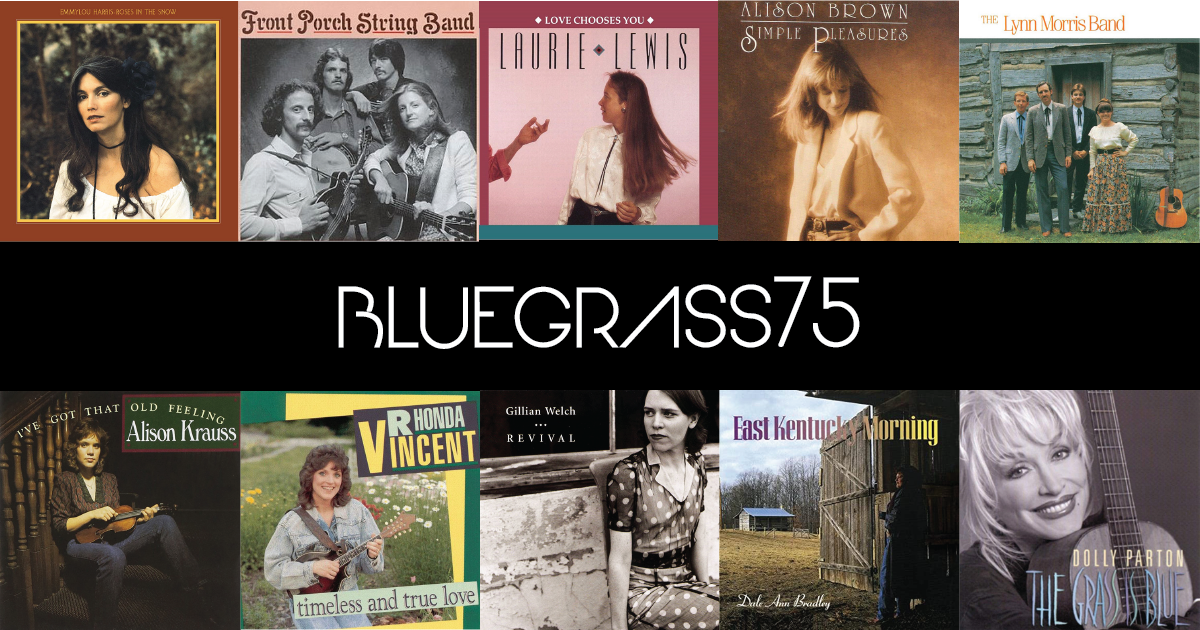
Emmylou Harris

One of the most visible country artists of the ’70s turned her attention to bluegrass, with a support team she deserves (Ricky Skaggs, Jerry Douglas, Dolly Parton, etc.) Her material ranges from the Louvin Brothers to Paul Simon, though that exquisite voice makes the album seamless. It’s one of her finest albums in a brilliant catalog.


Claire Lynch

With a crystalline soprano, Claire Lynch first gained notice as a lead vocalist and guitarist with Front Porch String Band, which released an indie album in 1980 that was picked up by Rebel Records in 1983. The poignant track, “Hills of Alabam,” which she co-wrote, shows her gift for melody and her ability to sing with sincerity.


Laurie Lewis

A key figure of the West Coast bluegrass scene, Laurie Lewis can fiddle with the traditionalists, then hush a crowd with a beautiful acoustic ballad like “Love Chooses You.” As the acolyte of a generation before her, Lewis actively takes an interest in the bluegrass scene’s rising talent, as evidenced on her latest work, an album of duets entitled and Laurie Lewis.


Alison Brown

As a picker, Alison Brown has made her mark on countless recordings and won the 1991 IBMA Award for Banjo Player of the Year. She’s also a co-founder of Compass Records, a producer, and a Grammy-winning artist. At times blazing, and other times mellow, Brown consistently finds just the right tone on her albums’ instrumentals.


Lynn Morris

Blessed with a sweet but persuasive voice, Lynn Morris knew how to get the storyline across, whether she’s reminiscing about “Mama’s Hand” or laying down the law in “You’ll Get No More of Me.” As a banjo player, she had incredible chops, and her grace on stage (and off) has made her one of the bluegrass family’s most beloved figures.


Alison Krauss

A gifted vocalist, bandleader, and fiddler, Alison Krauss kept her early career focused on bluegrass, though her material would soon find its way to millions of country listeners, too. Being a former child prodigy herself, she served as a role model for a generation of younger pickers, while showing traditionalists that bluegrass is indeed in good hands.


Rhonda Vincent

Coming up in a family band, singer and mandolin picker Rhonda Vincent has been working in bluegrass for decades, though she’s always finding ways to keep things fresh. Still, her early albums remain some of her most satisfying work. As a bandleader, she keeps the energy up on stage, and her outgoing personality makes her a true entertainer.


Gillian Welch

While few would consider her albums to be bluegrass proper, Gillian Welch has exerted tremendous influence on its community. A 1993 winner of Merlefest’s Chris Austin Songwriting Contest, Welch has seen originals like “By the Mark” and “Caleb Meyer” become standards, and though she didn’t grow up in Appalachia, her songs somehow embody its heritage.


Dale Ann Bradley

A sterling discovery from the New Coon Creek Girls lineup, Dale Ann Bradley launched her solo career by selecting relatable material along with a surprise or two (including a U2 cover). It’s a template that still serves her well. The title track of East Kentucky Morning captures the mood and melancholy that she continues to convey so well.


Dolly Parton

It’s hard to imagine now, but Dolly Parton had dropped off the mainstream radar in the mid ’90s. Then her first bluegrass album proved what her fans knew all along — she represents her mountain people well. A wonderful mix of familiar favorites and new material, The Grass Is Blue solidified her reputation as one of music’s most important voices.

(Editor’s note: Explore more of our Bluegrass 75 Artist of the Month coverage.)


BGS Long Reads of the Week // June 5

Welcome to another conglomeration of diverting, entertaining, and engaging long reads! The BGS archives never disappoint. As we share our favorite longer, more in-depth articles, stories, and features to help you pass the time, you should follow us on social media [on FacebookTwitter, and Instagram] so you don’t miss a single #longreadoftheday pick! But, as always, we’ll put them all together right here at the end of each week if you happen to let one sneak by you, too.

This week’s long reads are educational, meandering, inspiring, and much more. Read on:

On New Duet Album, Laurie Lewis Gathers Old Friends and Close Companions

May went by in a blink of an eye (how did this happen!?) and we had to say goodbye to our Artist of the Month, Grammy and IBMA award-winning multi-instrumentalist and songwriter Laurie Lewis. In our two-part May AOTM interview, Lewis gave us insight into the making of her new duet album, and Laurie Lewis, and talks a little bit about wanting to measure up to others’ view that she’s a trailblazer and role model in bluegrass. [Read more]


For First Solo Album, Sam Doores Opens the Map of Musical Influences

In a meandering feature we follow singer/songwriter and lifelong troubadour Sam Doores from the Bay Area to New Orleans to Berlin to his first solo album, which is filled with echoes of everything from Tin Pan Alley to the Mississippi hill country, from jazz to psychedelic-folk-rock. The Hurray for the Riff Raff alumnus has co-created some of the last decade’s most arresting socially-conscious anthems with HFTRR, and he’s also made sparkling folk- and country-derived excursions with his own band, the Deslondes. [Read more]


The Ebony Hillbillies: Becoming Part of the Music

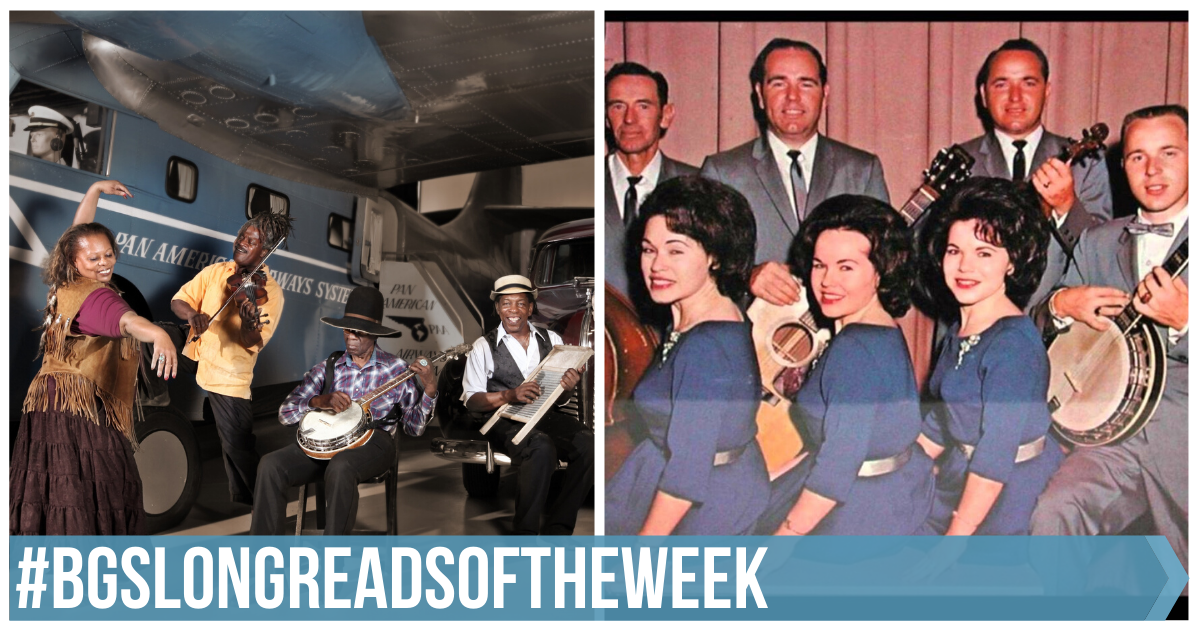
In 2017, Henrique Prince and Gloria Thomas Gassaway — of the legendary and long-running New York-based, Black string band, the Ebony Hillbillies — gave us an excellent primer on how Black folks ostensibly invented bluegrass music. We could all use a reminder of this fact, given how Black contributions to old-time, bluegrass, and string band musics are more often than not erased — and this true, more fleshed out narrative enables us, the roots music community, to unabashedly lift up Black stories and Black lives in full voice at this current moment of crisis. [Read the interview]


7 Bluegrass Family Bands You Need to Know

Bluegrass Bands

From the Monroe Brothers and the Stanley Brothers to Cherryholmes and Flatt Lonesome, the matching outfits, tight harmonies, and long-lasting careers of family bands are an integral part of what makes bluegrass bluegrass. Here are a few lesser-known, underrated, or too-often-forgotten family bands that you ought to spend some quality time with — a classic from the BGS archives. [See the list]


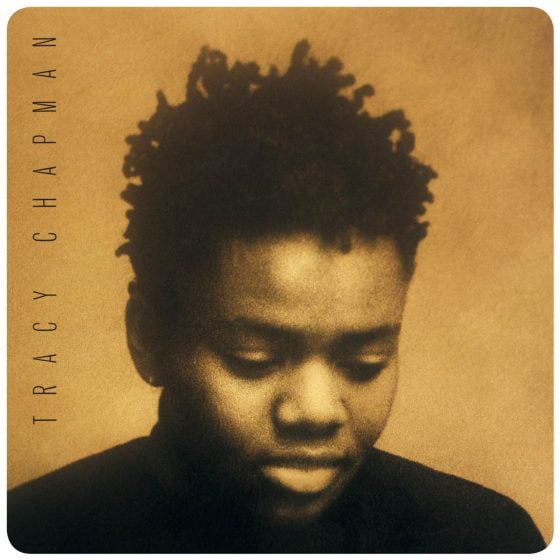
Canon Fodder: Tracy Chapman, Tracy Chapman

Tracy Chapman’s music is ceaselessly relevant, it’s true. Still, her self-titled, 1988 album has a much more broad, eclectic musical palette than we often give it credit for. Its themes surrounding her Blackness continue to distinguish her from her peers and most common comparisons, demanding a more nuanced approach to considering the ongoing impact of Tracy Chapman. [Read our archived edition of Canon Fodder]