BGS Class of 2025: Books

2025 was a standout year for roots music books. In a time of political upheaval and uncertainty, authors like Craig Shelburne & Brenda Colladay and Alisa Murphy brought us deep into the history of music institutions that have weathered generations of American ups and downs: the Grand Ole Opry and The Station Inn. Reading about these places is a reminder that culture is often a better litmus test than news cycles, when it comes to what a country stands for and where its soul can be found.

Biographies of Dolly Parton and Alice Gerrard (the latter written by Gerrard herself) highlight women who defied the odds to become iconic voices in country and old-time. Parton first debuted on the Opry at the age of 13 and her influence on American culture has spanned from highlighting women in the workplace with “9 to 5” to donating a million dollars for medical research to accelerate the creation of the Moderna COVID vaccine. Gerrard, while less of a household name, is considered one of the last of the old guard in traditional music; even if you haven’t heard of her, you’ve probably still been touched by her work. These books detail the unlikelihood of these women’s successes given the time and place of their work and both good reminders of changing gender norms that we now take for granted.

Two books on Black American fiddle and banjo music continue the quest to restore African music’s and African American musicians’ rightful place in the history of the American string band tradition. With additional archival and notation resources, these books offer not only scholarship, but an opportunity for dedicated pickers to add to their repertoire, too.

And finally, roots musicians Paul Burch and Charlie Parr channel their creative writing into novels Meridian Rising and Five, respectively, the former a fictionalized story of Jimmie Rodgers and the latter a wild meditation on the wanderings of a troubadour.

From coffee table aesthetics to novels and new tunes, 2025’s roots music books have you covered! See a list of our favorites and a collection of “honorable mentions” below.

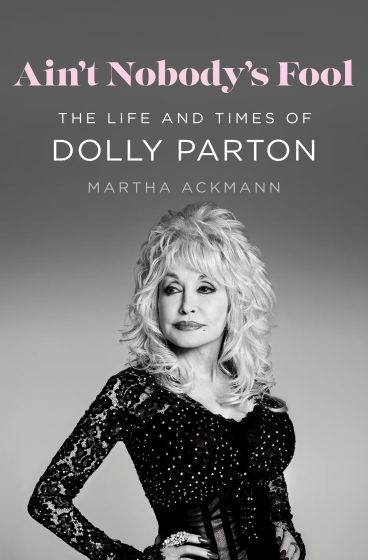
Ain’t Nobody’s Fool: The Life and Times of Dolly Parton by Martha Ackmann

Martha Ackmann is known for illuminating the stories of women who rise above societal expectations, so it’s only appropriate that she should tell the story of Dolly Parton’s ascent to success. With new interviews and documents, the book focuses on the price Parton paid for her early fame, penalized and criticized by those who saw it as a betrayal of her roots. Despite legal battles and struggles with her mental health, Parton persevered and went on to use her affluence to help her East Tennessee home, through the development of Dollywood, her charitable work, and the creation of The Imagination Library. Find it here.


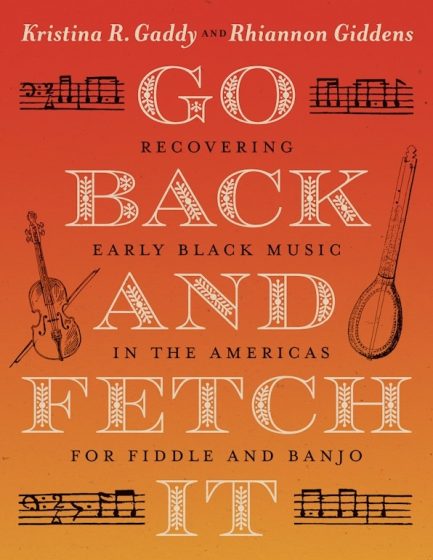
Go Back and Fetch It: Recovering Early Black Music in the Americas for Fiddle and Banjo by Kristina R Gaddy and Rhiannon Giddens

Appropriate for pickers and scholars alike, this collection of early Black Atlantic music is equal parts songbook and history lesson. Nineteen carefully transcribed tunes sourced from 1687 to the 1860s are presented in standard notation and banjo tablature, and accompanied by rich historical essays detailing their origins, cultural context, and evolution over time and place. This collection is another important step in the recovery of Black history of the American musical canon – and specifically the fiddle and banjo canon – from two lauded experts on the subject. Find it here.


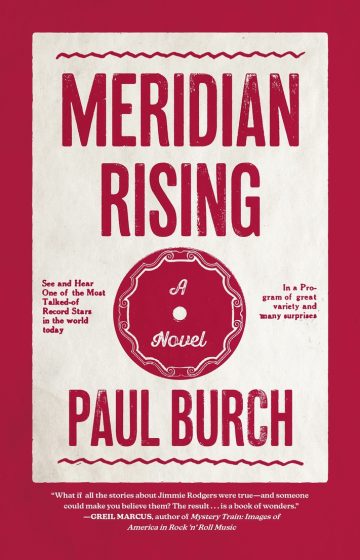
Meridian Rising by Paul Burch 

Meridian Rising, the debut novel from Paul Burch, fictionalizes the life of country star Jimmie Rodgers and was released this fall to rave reviews. As the Chattanooga Free Press says, “Burch must have done a great deal of research to deliver a story that feels so authentic, but research alone doesn’t make a good novel. The writing is what matters, and Burch skillfully renders a large cast of narrators throughout Meridian Rising, especially its main subject, whose witty, sometimes barbed voice is vivid and memorable.” Find it here.


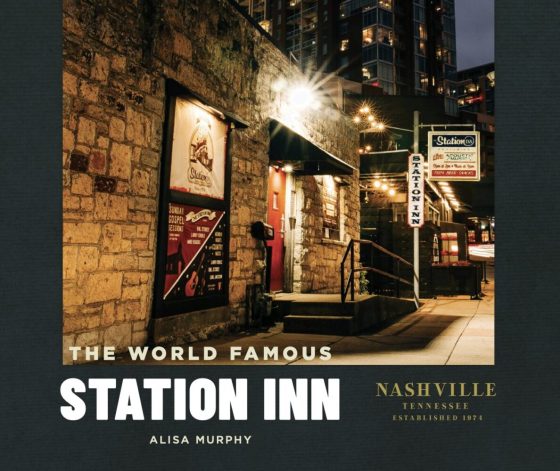
The World Famous Station Inn by Alisa M Murphy 

The passing of JT Gray in 2021 marked the end of an era for The Station Inn. Although the venue continues its bluegrass legacy with new management, it has been long past time to commemorate this (as its name rightly points out) world-famous venue with a book of stories and photos. Author Alisa M Murphy spent two years immersing herself in the culture of the venue and conducting interviews to put together her coffee-table book, The World Famous Station Inn. Find it here.


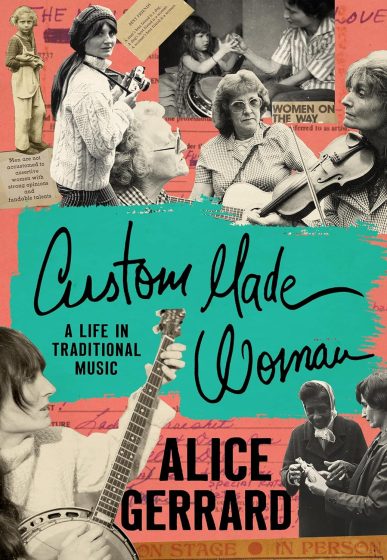
Custom Made Woman: A Life in Traditional Music by Alice Gerrard

This new memoir from one of our national treasures, Alice Gerrard, features over 100 of her personal photographs along with stories from pivotal times and an exceptional life in traditional music. Gerrard’s career saw her crossing paths with Bob Dylan, Doc Watson, Elizabeth Cotten, and many more. Recent rereleases of Gerrard’s trailblazing collaboration albums with Hazel Dickens have been put out by Rounder Records and Smithsonian Folkways, and they can be listened to in an entirely new context thanks to this book. Find it here.


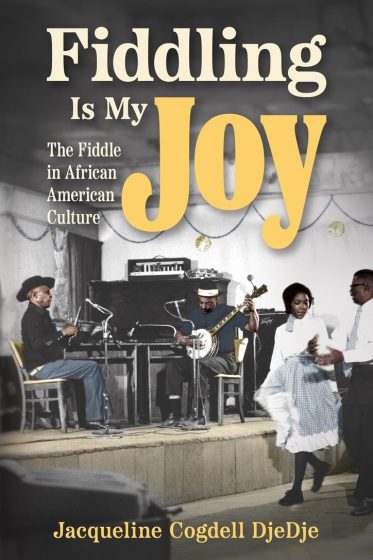
Fiddling is My Joy: The Fiddle In African American Culture by Jacqueline Cogdell DjeDje

UCLA Ethnomusicologist Jacqueline C. DjeDje investigates the fiddle in Black America, not only helping restore it to its rightful position in history, but also exploring why fiddle in African American culture disappeared from the mainstream story of the instrument in the first place. In addition to exploring geographic differences in African American fiddling traditions, DjeDje’s scholarship looks at fiddle traditions in West African and how their specific characteristics made their way to both Black and white American fiddlers. The book is accompanied by an online eScholarship Companion with primary source documents and audiovisual examples of music discussed in the text. Find it here.


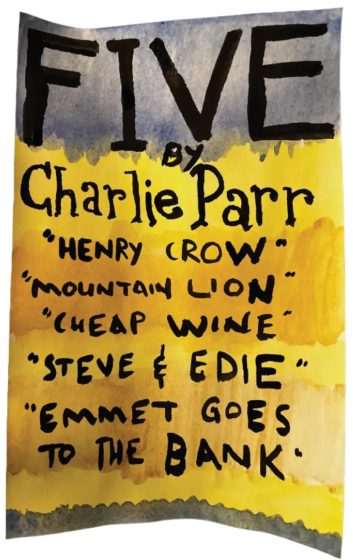
Five by Charlie Parr

The second collection of short fiction from beloved Minnesota musician Charlie Parr is not for lovers of a tight plot and succinct characters. Parr’s five stories are, according to his own description, “more like sad anecdotes told to you at the end of an impossibly long dinner party by the drunken spouse of someone that you barely know while you’re easing your way to the door, having already put your coat on around the time that these stories began.”

But, if you’re a fan of Parr and his 18 (!!!) studio albums, this collection is a must. Find it here.


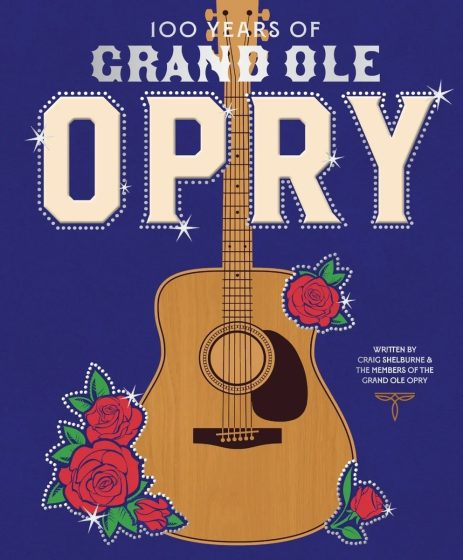
100 Years of Grand Ole Opry by Brenda Colladay & Craig Shelburne

Music journalist Craig Shelburne worked tirelessly with Opry historian Brenda Colladay – and dozens of artist, announcer, and Opry employee interviewees – to tell the story of the world’s longest-running live radio show over a century. The Grand Ole Opry is certainly the main character. This book is perfect for collectors and readers alike, since it’s full of illustrations and photographs. It’s separated into chapters by time periods, following the twists and turns of the Opry’s youth, adolescence, and adulthood. From Lester Flatt to the 2010 flood, the book is as deep as it is wide. An entertaining resource for country fans who like to get the full story. Find it here.


Other Reads From Our Inbox

  • Solomon Simon Dog Man Jack by Cindy Baucom, illustrated by Grace van’t Hof (Self-published)
  • Bluegrass Gospel: The Music Ministry of Jerry and Tammy Sullivan by Jack Edward Bernhardt (University Press of Mississippi)
  • Land of a Thousand Sessions: The Complete Muscle Shoals Story by Rob Bowman (Malaco Records Press)
  • Heart Life Music by Kenny Chesney with Holly Gleason (Harper Collins)
  • Southern Mountain Music: The Collected Writings of Wayne Erbsen (McFarland Books)
  • Howdy! Welcome to the Grand Ole Opry! by Emily Frans (Abrams Books)
  • Blood Harmony: The Everly Brothers Story by Barry Mazor (Da Capo Press)
  • The Hours Are Long, But the Pay Is Low: A Curious Life in Independent Music by Rob Miller (University of Illinois Press)
  • Star of the Show: My Life On Stage by Dolly Parton (Ten Speed Press)
  • Roots & Rhythm: A Life in Music by Charlie Peacock (Eardmans)
  • Poets and Dreamers: My Life in Americana Music by Tamara Saviano (Texas A&M University Press)
  • Bluegrass and Religion by Pete Ward (Bloomsbury)


You Gotta Hear This: New Music From Valerie June, Bryan Sutton, and More

Hear ye, hear ye! A fresh collection of new music, premieres, videos, singles, and more is here. You Gotta Hear This…

To start off, Good Country purveyors, Texan duo Briscoe, offer a brand new music video for “Free.” It’s a track from their new album inspired by lessons learned by Truett Heintzelman from his grandfather, as well as an ode to the Texas roots he shares with his grandad – and with his bandmate, Philip Lupton, too. Also bringing a newly minted video, singer-songwriter Rachael Sage and her band the Sequins celebrate love, friendships, and togetherness on “Belong To You.” The adorable music video was created by hosting an open casting call inviting participants to arrive and join in the taping with whomever they “love the most.” Sidle up to your loved ones and click play.

Bluegrass guitar great Bryan Sutton sits down with mandolinist Sierra Hull for a new rendition of an instrumental classic, “Grandfather’s Clock,” this week, too. But, this time, Hull is playing a six-string instead. Did you know she’s an equally accomplished guitar picker? Meanwhile, Sutton quite fittingly performs the tune on a guitar once owned by his own grandpa. Elsewhere, you’ll find South Carolina-based gospel bluegrass band Eighteen Mile sharing a new single below. “What Mercy Means” is an excellent example of how the long relationship between gospel and sacred music and bluegrass and old-time continues today.

Keep scrolling, though, because we have two more videos for you to enjoy. If you have young roots music fans around – or if you’re young at heart – the Okee Dokee Brothers have an adorable new animated music video for their track, “Little Old You.” Sure, the Brothers make children’s music, but this is listenable at all ages, that’s for sure. The message of the track is sweet and timely, as they put it: “…We’re [all] infinitely big in all our little ways.”

And, finally, the cosmic and (literally) magical Valerie June has a new single out this week and an accompanying visualizer you won’t want to miss. “Rollin’ and Tumblin'” is raucous, impassioned, and brash – just how we like June’s music – and demonstrates yet again how complex and inviting this indie-string-folk mastermind can be. Especially when she brings the blues and the banjo together in exciting ways like this.

There’s plenty to watch and hear, so let’s get to it! ‘Cause seriously, You Gotta Hear This.

Briscoe, “Free”

Artist: Briscoe
Hometown: Austin, Texas
Song: “Free”
Album: Heat of July
Release Date: September 19th, 2025 (album); November 14, 2025 (video)
Label: ATO Records

In Their Words: “I’ve learned a great deal of lessons from my grandfather and the life that he lived so well. He was chock full of wisdom and always keen to share that wisdom with me and my siblings. Perhaps the most important thing he taught me was the art of moderation and the joy in being content with what you have. ‘Free’ is an ode to him and the Texas roots we both share, as well as a reminder for people of all walks to savor a life lived right down the middle.” – Truett Heintzelman

Video Credit: Jackson Ingraham 

(Editor’s Note: Read our recent Good Country interview with Briscoe here.)


Valerie June, “Rollin’ and Tumblin'”

Artist: Valerie June
Hometown: Humboldt, Tennessee (now Memphis, Tennessee and New York, New York)
Song: “Rollin’ and Tumblin'”
Release Date: November 12, 2025 (single)
Label: Concord

In Their Words: “Working with producer and bassist Matt Marinelli and drummer Andy Macleod brings a wild, rambunctious twist to this old blues standard, “Rollin’ and Tumblin’.” I love taking the banjo out of its traditional comfort zone and driving it into a raw, heavy, metallic space – like someone tossing and turning through sleepless nights until they finally let go.

“Decades of digging into how the blues bleeds into every style have taught me one thing – those roots never die. Every time I twist that sound through my own work, I find new ways to grow and let those old ghosts roar again.” – Valerie June

Track Credits:
Valerie June – Vocals, banjo
Matt Marinelli – Basses, producer, engineer
Andy Macleod – Drums

Video Credits: Filmed at Magnolia Pearl in Fredericksburg, Texas by Brights and in Big Sur, California by Dr. Ietef Vita.


Eighteen Mile, “What Mercy Means”

Artist: Eighteen Mile
Hometown: Upstate South Carolina
Song: “What Mercy Means”
Release Date: November 14, 2025

In Their Words: “I’ve always been intrigued by the mental picture of Moses climbing up Mount Sinai to meet God in Exodus 34.The Bible paints a picture that the mountain was dark and terrifying and it even describes earthquakes and thunder, all because the holy presence of God was there. I wrote this song to capture the divine tension of a powerful holy God meeting an unholy man. The song then relates the Bible story to my personal story, that even though I deserve the punishment that comes from being a sinner before a holy God, he surprises me with overflowing mercy every morning instead.” – Carson Aaron

Track Credits:
Hallie Ritter – Upright bass
Carson Aaron – Acoustic guitar, lead vocal, songwriter
Emily Guy – Harmony vocal
Jack Ritter – Banjo, harmony vocal
Savannah Aaron – Fiddle
Andy Leftwich – Mandolin, mandola, acoustic guitar
Steve Pettit – Mandolin


The Okee Dokee Brothers, “Little Old You”

Artist: The Okee Dokee Brothers
Hometown: Denver, Colorado
Song: “Little Old You”
Album: Little Old You
Release Date: November 11, 2025 (video); November 7, 2025 (album)
Label: Okee Dokee Music

In Their Word: “This tune is a special one for us. It reminds us that we’re infinitely big in all our little ways. Even our tiniest feelings ripple like oceans, our dreams comfort the night, and our smiles can light the way for others.” – Justin Lansing

“It’s a gentle anthem to our place in the cosmos – showing that our smallest actions have big effects. We are silly and wise, young and old, and infinitely big in all our little ways.” – Joe Mailander

Track Credits:
Justin Lansing – Vocals, guitar
Joe Mailander – Vocals, guitar
Dean Jones – Organ

Video Credits: Directed by Jack Carr.
Art Directed by Zachariah Ohora.
Animated by Tom Jolliffe & David Jenkins.


Rachael Sage & The Sequins, “Belong to You”

Artist: Rachael Sage & The Sequins
Hometown: Hudson Valley, New York
Song: “Belong To You”
Album: Canopy
Release Date: November 14, 2025
Label: MPress Records

In Their Words: “‘Belong To You’ is the first song I’ve intentionally composed as a gospel ballad. It meant the world to me that many of The Sequins ended up singing on the arrangement, rather than me performing all the harmonies myself (as has often been the case). Kevin J. Killen’s soulful Hammond organ and guitar playing and Will Wilde’s incredible blues harmonica add so much; Dave Eggar’s cello performance keeps everything grounded so beautifully.We all genuinely feel so much love and devotion for one another, so the vibe that was captured via our friendships really mirrors the lyrics and adds so many beautiful layers of emotion.

“Because it’s one of the more universal songs on the record, it’s been really magical to perform it live, and have audience members at the gigs share their individual interpretations of it with us. Trina Hamlin, who also sings on the track, has been singing it with me live lately and it makes it very easy to sing about unconditional love and friendship when one of your best friends is harmonizing with you!” – Rachael Sage

Track Credits:
Rachael Sage – Lead vocals, background vocals, piano
Doug Yowell – Drums
Dave Eggar – Cello
Kerry Brooks – Upright bass
Will Wilde – Harmonica
Kevin J. Killen – Acoustic guitar, electric guitar, Hammond B3 organ, background vocals
Trina Hamlin – Background vocals
Mikhail Pivovarov – Background vocals

Video Credits: Jenny He – Director, producer
Shadow Play Pictures, LLC. – Production company
MPress Records – Executive producer


Bryan Sutton, “Grandfather’s Clock” (with Sierra Hull)

Artist: Bryan Sutton with Sierra Hull
Hometown: Nashville, Tennessee
Song: “Grandfather’s Clock”
Album: From Roots to Branches
Release Date: November 14, 2025 (single)
Label: Mountain Home Music Company

In Their Words: “I’m so happy to have Sierra Hull on this record. We chose the song, ‘Grandfather’s Clock,’ just because it’s a classic, beautiful melody. A lot of people know what a great mandolin player Sierra is, but I’ve always known what a great guitar player she is. This song meant a lot to us and, in fact, I’m playing my grandfather’s old Martin 0-17 guitar on this track.” – Bryan Sutton

“Bryan is one of my favorite musicians in the world to listen to and make music with. He knows how to elevate any musical situation he enters. Whether he is supporting a simple melody with pure tone and restraint or providing a wave of rhythmic brilliance and musical playfulness to ride along with, he always knows how to make things feel and sound easy. He’s one of my biggest heroes, so I’m both honored and thrilled to get to be a part of this new duets project with him!” – Sierra Hull

Track Credits:
Bryan Sutton – Acoustic guitar
Sierra Hull – Acoustic guitar


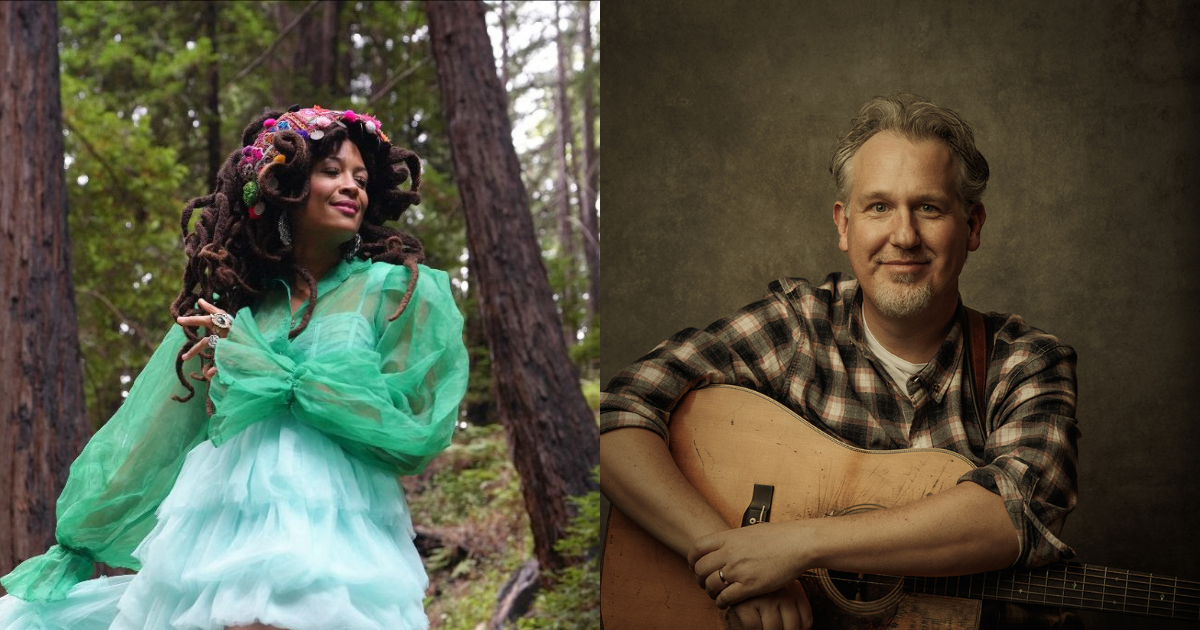
Photo Credit: Valerie June by Dr. Ietef Vita Photography; Bryan Sutton courtesy of the artist.

You Gotta Hear This: New Music From Larry Keel & Jon Stickley, Gwen Levey, and More

Our new music and premiere roundup is ready and waiting for you, ’cause You Gotta Hear This!

Bluegrass gospel group Eighteen Mile from upstate South Carolina have released their very first single, “Above The Clouds” today. Dripping with rich harmony vocals, the track offers encouragement to anyone experiencing doubt, anxiety, and pain. Supergroup neo-folk assemblage Geckøs – featuring Howe Gelb, Mark McCausland (AKA McKowski), and M. Ward – dropped a new single earlier this week, as well. “Lo Hice” started as an instrumental number, but morphed and changed when it reached the group, ending up as one of their favorite tracks on the upcoming album.

Guitar greats Larry Keel and Jon Stickley have joined forces on a new project; their self-titled EP will be available in just a week. To mark the occasion, we’ve got a sneak preview of one of the tracks from that collection, “Take the Air,” featuring just two guitars in an exciting and engaging instrumental dialogue. Singer-songwriter – and Sister Sadie band member – Jaelee Roberts has released her brand new solo album today, sharing its title track below. “Let Me Be Lonely” was written by Kelsi Harrigill (formerly of Flatt Lonesome) and hit country writer Wyatt McCubbin and it showcases Roberts’ love of traditional country sounds.

Don’t miss another country sensation, Gwen Levey, too, who shares a brand new music video for “Lighter,” the title track from her upcoming EP that is another excellent anthem for survivors of systems of violence. Beginning with subdued solo guitar and voice, the song soars into crisp modern country that will certainly have you feeling… lighter.

It’s all right here on BGS and You Gotta Hear This!

Eighteen Mile, “Above The Clouds”

Artist: Eighteen Mile
Hometown: Upstate South Carolina
Song: “Above The Clouds”
Release Date: August 29, 2025

In Their Words: “I wrote ‘Above The Clouds’ during a season when I was wrestling with uncertainty and learning to trust God more deeply. The song became a reminder to myself that no matter what we face – doubt, anxiety, or pain – God is steady and present above it all. I wanted the music to feel hopeful, something that lifts listeners up and reminds them that the sun still shines above every storm.” – Hallie Ritter

“We hope this song is an encouragement to listeners in all areas of life who may be dealing with clouds of doubt, pain, and anxieties. The sun will always shine above the clouds.” – Eighteen Mile

Track Credits:
Hallie Ritter – Upright bass, lead vocal, songwriter
Carson Aaron – Acoustic guitar, mandolin, harmony vocal
Emily Guy – Harmony vocal
Jack Ritter – Acoustic guitar
Savannah Aaron – Fiddle
Andy Leftwich – Mandolin


Geckøs, “Lo Hice”

Artist: Geckøs
Hometown: Tucson, Arizona; Portland, Oregon; and Omagh, Ireland
Song: “Lo Hice”
Album: Geckøs
Release Date: August 26, 2025 (single); September 26, 2025 (album)
Label: Org Music and PIAPTK Records

In Their Words: “‘Lo Hice’ is a song that started off in Ireland as an instrumental track. The bare bones was written specifically with Matt in mind to see if it perked his ears enough to finish it off. He picked it up and breathed brand new life into it. The song came alive with his voice and slide guitar and his Spanish lyrics took it to a whole new world. One of the beautiful things about Geckøs is I’m slowly learning how to speak the Spanish tongue, or at least I know how to say things like, ‘It’s fucking hot outside.’ We finished the song together in Bristol with John Parish driving the ship, and the puzzle was complete. It’s become one of my favourite tracks on the album. Definitely in the top eleven.” – Mark McCausland (AKA McKowski)


Larry Keel and Jon Stickley, “Take the Air”

Artist: Larry Keel and Jon Stickley
Hometown: Lexington, Virignia (Larry); Asheville, North Carolina (Jon)
Song: “Take the Air”
Album: Larry Keel and Jon Stickley (EP)
Release Date: September 5, 2025

In Their Words: “‘Take the Air’ is one of those musical ideas that came to me like a gift. It’s based on a happy riff that I would play every time I picked up my guitar during the height of COVID lockdown. It was such a time of stress and anxiety, yet I also experienced so much connection with the world around me. When life slowed down, the planes stopped flying overhead, and the wheels of the world stopped turning, suddenly everything in the natural world felt so much more alive. I posted a short video of myself playing it one day and got a text from Larry shortly after saying, ‘Hey man, let’s do some duo shows someday.’ It took about four years, but we’re finally making it happen. The arrangement of this tune purposely leaves some space to take a breath. I hope listeners find it as uplifting as I do.” – Jon Stickley

Track Credits:
Larry Keel – 2008 Andrew White handcrafted parlor style guitar
Jon Stickley – Preston Thompson D-EIA acoustic guitar


Gwen Levey, “Lighter”

Artist: Gwen Levey and The Breakdown
Hometown: Nashville, Tennessee
Song: “Lighter”
Album: LIGHTER
Release Date: August 29, 2025 (single); October 24, 2025 (EP)
Label: GAL Productions

In Their Words: “If my previous EP, Not The Girl Next Door, was about all of the toxicity I was experiencing the first few decades of my life, ‘Lighter’ is about shedding all that sh*t and stepping into my healing era. The EP represents the light I’ve been able to find to carry me through some very dark days. The two-and-a-half minute song is an upbeat anthem as a survivor of not only an eating disorder, but of overcoming abuse and life’s tribulations, and my hope in writing it is that other survivors will also feel empowered.

“Being a survivor has given me the voice I have today. I co-founded Rise Above Justice Movement, a coalition of survivors impacted by systems of violence. The theme song for RAJM is ‘Barefoot & Pregnant,’ my viral pro-choice country anthem that has amassed over 20 million views, won several awards, and will premiere on PBS this summer. To this day, RAJM has several notable followers, including Rosie O’Donnell, the founder of the MeToo movement Tarana Burke, Alanis Morissette, and many others. ‘Lighter’ will be another anthem for our survivor movement.” – Gwen Levey


Jaelee Roberts, “Let Me Be Lonely”

Artist: Jaelee Roberts
Hometown: Nashville, Tennessee
Song: “Let Me Be Lonely”
Album: Let Me Be Lonely
Release Date: August 29, 2025

In Their Words: “‘Let Me Be Lonely’ is one of my favorite songs on the album for sure! I am such a huge lover of classic/traditional country music and there isn’t a day that goes by that I don’t listen to it. I am beyond excited that I got to record a song that allowed me to give a nod to that sound. My friend and mentor, Kelsi Harrigill, sent me the demo of ‘Let Me Be Lonely’ that she wrote with hit country songwriter Wyatt McCubbin, and I knew before I’d even gotten halfway through the first listen that I absolutely had to put it on my album. As I’ve mentioned several times, I love sad songs with my whole heart, and this song has all the ingredients that make the perfect sad country song – lyrically and melodically. Kelsi and Wyatt joined me on this recording singing harmony vocals, which just topped it off for me. There is steel and fiddle on this track (which are my favorite instruments), and I sure hope that y’all enjoy my little tip of the hat to the trad country music that I love so much!” – Jaelee Roberts

Track Credits:
Jaelee Roberts – Lead vocal
Kelsi Harrigill – Harmony vocal
Wyatt McCubbin – Harmony vocal
Byron House – Bass
Cody Kilby – Guitar
Andy Leftwich – Mandolin
Ron Block – Guitar
Stuart Duncan – Fiddle
Russ Pahl – Steel guitar
John Gardner – Percussion


Photo Credit: Larry Keel and Jon Stickley by Lexi Simcic; Gwen Levey by Meaghan Campbell.

Ragtag East Nash Grass Say We’re All God’s Children

Featuring Harry Clark on mandolin, James Kee on guitar, fiddler Maddie Denton, bassist/Dobro player Jeff Partin, and Cory Walker on banjo, East Nash Grass began as ragtag group of pickers blowing off steam at a honky-tonk in Madison, Tennessee, just northeast of Nashville proper. It has always been a band open to both unusual ideas and committed to the classic form. Still, their new album, All God’s Children, takes the metaphorical cake.

After winning the 2024 IBMA Award for New Artist of the Year, touring internationally, and even making their co-headline debut at Nashville’s Ryman Auditorium, All God’s Children feels like a joyful tribute to the many ways life gets good – and to bluegrass’s many salt-of-the-earth styles. With skillful traditional picking and a focus on diversity (both thematically and in the band’s tendency to share the spotlight at center stage), East Nash Grass deliver a truly spirit-satisfying album. Just don’t let its name fool you – this ain’t gospel.

“I enjoyed that it’s a little bit of a misnomer,” says Kee, with a touch of mischief in his voice. “We are a fairly traditional bluegrass band and we do some gospel music, but … anybody who knows us would know pretty immediately, it’s not a gospel album. I kind of liked that it would make somebody who doesn’t know our music take a second look.”

Out August 22 and featuring everything from good-old fashioned traveling songs to a reimagined West African folk tune, All God’s Children celebrates the coming together of worlds. James, Harry, and Maddie spoke with BGS from a Montana tour stop and explained how they reached their universally minded creative crossroads.

What’s the vibe with you guys these days? The last few years have been a bit of a Cinderella story and you’ve done so well. How are you feeling creatively?

Harry Clark: We’re in road mode right now. I feel like we were in a real creative mode around December when we were finishing the album and you kind of have to go into a different mode for … “Alright, let’s get through three weeks on the road in a van.” That’s a different kind of mindset.

But going into the album process, was there no pressure to change the way you’ve been doing things in the past – just because now there’s been a little more success?

HC: I feel like there are just ideas and things that seem to exist that we want to bring into life. That’s how the creative process has been for us. I wouldn’t call it aimless, but we kind of just let it happen on its own in terms – what songs people are bringing in and what the mood of those are. It’s just recording a record. It’s kind of like seasons of your life.

This one has a little bit of everything. You’ve got some new songs, a couple covers, and even a [modified] Liberian chant. Was this just kind of a cross section of everything the band is into right now?

Maddie Denton: I think everybody’s been getting into different stuff on their own. And everybody’s writing with other people, while we’re writing together. So I guess “cross section” is a good word for it. We just wanted to put together some songs that we liked.

How about thematically? It’s called All God’s Children and you guys say very clearly this is not a gospel record, but it does have a spiritual element, right? What do you mean by that?

James Kee: We debated a couple different titles. I was afraid that this traditional bluegrass crowd would hear that [title] and assume it was gospel, which would be an issue. And then once I kind of sunk my teeth in, I actually thought that [song, “All God’s Children,”] was the heart of the album, and it just seemed like the right title.

All the songs on it are a good showing of different walks of life. It’s not just one thought for each song. It’s not about the same person throughout each song. It’s different short stories throughout the album. It kind of goes hand in hand with “all of God’s children,” because it’s a bunch of different things. Not just one.

MD: It also came about after we had done some international travel as a band. Some of us had been to other countries, but not with the band, and then in February of last year we went to Ireland and Switzerland with East Nash Grass and this record started falling into place after that. And then later in the year we went to France. I think we got inspired by seeing some different folks and ways of life than what we were used to. There’s a small element of world music inspiration behind the record, too. So I think that comes from just traveling more.

You have always been a very inclusive-minded band, while also sticking pretty close to traditional bluegrass roots. When you started at Dee’s [Country Cocktail Lounge], was that kind of the goal?

HC: I feel like that’s where we all came from individually. Each and every one of us grew up going to these lawn chair snapping festivals where you go up and they have the same bands every year and there’s people out watching the show in their lawn chairs – sometimes sleeping [like] they’re dead. But there’s also this killer community of jamming that happens at these festivals, and you go and you jam with people and you just learn the repertoire. You get together with people you haven’t even met before, but who’ve been in the same places, and you can just all kind of speak the same language.

We were able to take it from there. We all have that same background from our childhoods of going to these places and these shared experiences. So when we got together, it was like we had been doing it for a long time. But everyone’s got new ideas, new energy coming from other places musically as well. … I think we all pull from that individually and it comes out sounding like traditional bluegrass, but at the same time, not really at all.

After winning the IBMA New Artist of the Year award, do you feel like that is more accepted in the bluegrass community nowadays?

HC: It’s art and it has to move … so it just seemed like the time to do our own thing. The most important part is always the music. I hope it stands the test of time and somebody else listening can look back 20 years from now and say it was a good guidepost throughout the evolution of bluegrass music. That is most important to us, as opposed to trying to fit into a certain box that has just been built many, many times.

You all do a really good job of sharing the spotlight. Different singers, different featured instruments. From a friendship perspective, what’s it like watching your bandmates do their thing every night?

MD: Man, it’s pretty cool. Everybody is such a good musician and such a good singer. I mean, even Cory can sing a little bit – he just doesn’t like to do it and play banjo at the same time. Everyone has a little special unique thing that makes them stand out.

HC: For me personally, everyone has something they do really well that I just can’t do. And when I get to see ‘em do that, I’m in awe. It’s inspiring when someone crushes something right in front of your face and you’re like, “Man, I dunno how they do that every time.”

JK: Also anything that’s a win for one person in the band is a win for the whole band, and that’s kind of how we’ve looked at it. It’s like it’s the sum of all parts.

The reason I ask is because you made your headline debut at the Ryman Auditorium a couple of weeks ago. What was that night like?

HC: It’s hard to describe. It’s the Mother Church. It’s truly my favorite venue to see a show, and now play a show. There’s no time like the first time … and it’s just such an honor to be up there, have our name up there, and have our own little night there.

There’s only a few places where once I get on stage, it hits me where I’m at and what I’m doing, and then I focus in on everything so close, and that never helps me out. To touch on the question you asked prior to this, one of the best parts about this band is there’s been times where I felt like I didn’t play a great show personally, but the band probably played one of its best shows, because everyone can step up and pick up weight. It really pays off when that team spirit comes out, because I do feel like that night at the Ryman I got up there and was in my head – because of this place. But as a band, the band crushed it. Once again. It was a great feeling.

Tell me a little bit about the story behind “All God’s Children.” It’s got this warm and fuzzy bluegrass feeling and then you’ve got some joyful children noises in there too. Where’s all this coming from?

MD: Well, that’s our buddy David Grier’s son Nash Grier. Nash helped us out with those joyful children noises.

JK: Yeah, Nash is seven and he’s fluent in Japanese and English.

MD: And he can play – I mean, probably any instrument, but I’ve seen him play fiddle. He’s crazy good, so everybody keep their eye open for old Nash Grier. He’s coming for everybody’s jobs in Nashville.

HC: That was a song that me and Christian Ward and Cory Walker wrote and I kind of had that phrase in mind. The idea behind the song was loosely based on real life, but at the same time, it kind of has that old-time limerick thing where you can take whatever the words are and use your imagination to make ‘em what you want it to mean.

How about “Jump Through the Window.” Is this one the Liberian chant? I think it speaks to the way you made all these songs your own that I can’t necessarily tell.

MD: Yeah! Our tour manager and my best pal, Brenna MacMillan, she grew up with some siblings adopted from Liberia, and they knew this song, this chant. It was like a thing that the Liberian kids over there knew. … Brenna came to me with this idea of like, “Hey, there’s this chant that I grew up hearing with my siblings and I think it would be cool bluegrass. Can you help me with it?”

Everybody spent time learning it because it’s kind of a weird thing, but we arranged it and everybody had really nice ideas. I think Jeff had some ideas at the end for those chord substitutions, and it just came together really nicely. Then we brought Brenna in to sing some harmony on it. There’s the part where we all are singing unison together, so Brenna is on that. The engineer of the record, Jake Stargel, also hopped on a mic and joined us in the little chant part. And James was the town elder singing the bass part.

That speaks to the inclusive nature of a set called All God’s Children, which you have done a few times here. I just wonder, what do you hope listeners take away from this batch of music?

HC: A bunch of merch. [Laughs]

MD: There’s a peacefulness to me about this record, and that comes from having seen some of the world and singing about those experiences and connectedness. For me, this record, it’s like we had to pull together to make it, and I want it to reach different types of folks and everybody feel connected.

HC: I remember when I was a teenager, I’d played bluegrass for eight years and it was becoming more and more the forefront of my life. And when I would hear something that hit me as new or fresh, it inspired me to want to do something new and fresh, and get out of the box a little bit. I hope we can do that for other young musicians. It feels good when you see a young musician that you see a little bit of yourself in, who is inspired by what you’re doing. It kind of gives it a little more gravity, and you realize, “Oh, there is reason and purpose behind this just other than fulfilling that weird urge to create art.”

JK: And to that end, with all of us being lifelong bluegrassers, we know there’s a big contingent of folks that know all these same songs that we know and won’t get outside of that box, and that is okay. There’s no problem if that’s what you want to do as a musician, is to play those same songs for the rest of your life. But I feel like this is a statement that you don’t necessarily have to do that. You can use the same traditional instrument lineup and be a bluegrass band by all norms, and create something new and do some new music, and this is kind of our offering.


Watch our DelFest Sessions with East Nash Grass here.

Photo Credit: Scott Simontacchi

Bluegrass Gospel,
Arena-Style

This feature ought to start with a laundry list of our subject’s accomplishments, but rootsy country hitmaker Dierks Bentley’s résumé and inventory of accolades, awards, and trophies would be far too long to include. After 30+ years in Nashville, Bentley has more than made it and his particular brand of country – down-to-earth approachability, bro-ey (while remarkably non-toxic) good-time vibes, honeyed crackling vocals, an unwavering sense of humor, and fierce love for bluegrass virtuosity – has now gained such a strong gravitational pull, it continues to shift Music Row. (For the better, of course.)

In June, Bentley released his eleventh studio album, Broken Branches, and launched an eponymous continent-spanning tour with everybody’s favorite, fellow trad country lover Zach Top, and swampgrass North Georgia duo the Band Loula in tow. Broken Branches features guests like Miranda Lambert, Riley Green, John Anderson, and more and – like all of the albums in his expansive Dierkscography – quite a few string band- and bluegrass-inspired moments, as well.

The Broken Branches Tour, which has been clipped and shared thousands and thousands of times on social media over the past several weeks, includes many hits, striking sets and theatrical tech, cameos from the infamous Hot Country Knights, and, yes, plenty of bluegrass. On the set list, Bentley and Top duet on an incredible “Freeborn Man” – we’re leaving out spoilers here so you can catch the tour’s scant remaining dates yourself and still be delighted. Bentley also performs the title track from his hit bluegrass album, 2010’s Up On The Ridge, and Logan Simmons and Malachi Mills of The Band Loula join him elsewhere in the set for a delicious bit of church.

@thebandloula the broken branches tour is in fulll effectttt 🥹🤧 y’all come see us with @dierksbentley and @Zach Top ♬ original sound – The Band Loula

Singing a Bill Monroe bluegrass gospel number in tight, intricate three-part harmony may seem like an odd choice for a big mainstream country arena show, but longtime fans and listeners of Bentley will know this is no aberration. This is the norm. Whatever the sonics of his music, from the most poppy and radio-ready country to the more Americana-coded to straight-ahead bluegrass, classic rock, and New Orleans grooves (and back again), Bentley brings bluegrass with him everywhere he goes. He brings its pickers, legends, and unsung heroes, too, uplifting them for all to enjoy.

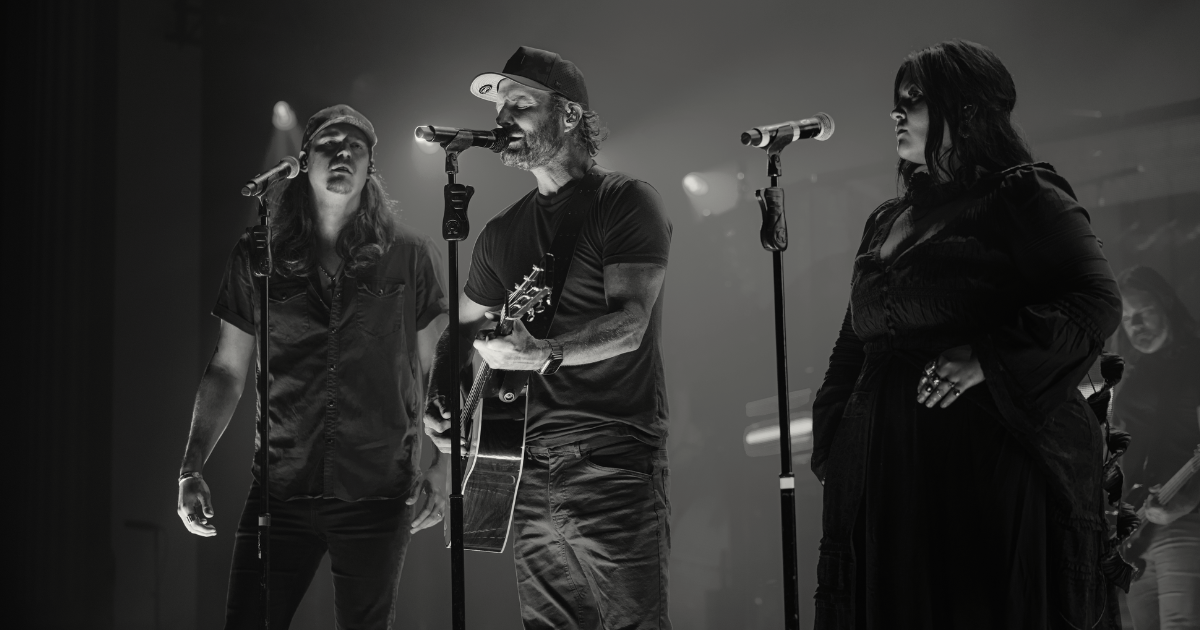
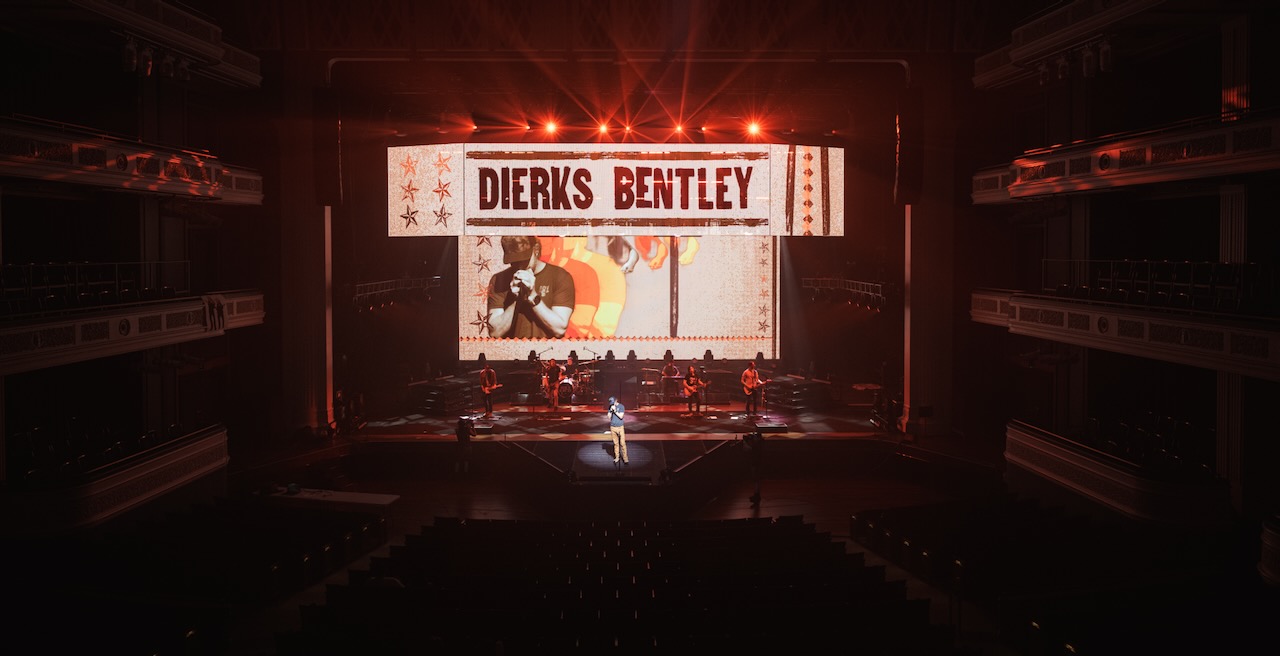
When Mills, Simmons, and Bentley step to the center stage of an enormous auditorium or amphitheater to sing “Get Down On Your Knees and Pray,” depicted behind them on towering LED screens is a little log cabin dive bar with a neon cross steeple and a flickering “open” sign. As they lead the audience in the stark, convicting, hair-raising number – with grit and heart and endless spirit – you realize, yes, this is church. This is gospel. This is country and bluegrass, front porch music and arena music. This is Saturday night and this is Sunday morning.

It’s hard to imagine all of these intricate roots music details not only being palpable in a show of this scale, but they’re also measured, vulnerable, and intimate – traits not known as hallmarks of either country or bluegrass. It’s here that we find exactly the conglomeration of reasons why Bentley retains such widespread appeal and adoration from fans of all entry points. While neither he nor any other artist is universally loved, Dierks Bentley accomplishes being the modern country “everyman” not by diluting himself and his personality beyond recognition, but by purposefully, creatively, hilariously – and spiritually! – putting all of himself on the line in his music.

Before the Broken Branches tour launched earlier this summer, Good Country sat down backstage with Dierks Bentley and the Band Loula during a break from tour rehearsals, after the trio had just run through “Get Down On Your Knees and Pray.” We spoke about what bluegrass means in a country context, the appeal of gospel to folks of any (or no) faith, tent revivals and camp meetings, the joys and vulnerabilities of singing harmony, and much more.

Obviously, Dierks, across your entire career you’ve had a relationship with bluegrass. And not just Up On The Ridge, which we just heard you rehearse a bit of for the Broken Branches Tour. You’ve got records and posters on the wall at the Station Inn here in Nashville, you namecheck Keith Whitley on the new album. You’ve worked with the McCourys over and over, Charlie Worsham, an excellent bluegrass picker, is in your band. There are so many more bluegrass touchpoints. Your bluegrassy CMA Awards show appearance last year was very popular with our audience.

And for y’all, the Band Loula, you call yourself “swampgrass.” The harmonies clearly have the grit and the gospel of bluegrass and the timbre of how your voices blend together reminds me of bluegrass.

It might be an obvious question to ask, but I figured we could go around the circle here and get each of your takes on what does the genre mean to you? What’s your relationship with bluegrass? What does bluegrass mean to you in the constellation of country music that you make now?

Dierks Bentley: When I think about bluegrass, obviously it’s the music and all that, but really it’s just people with acoustic instruments gathering to play and sing together. I never really did a lot of stints on my own, solo. Probably I’m not good enough, but bar gigs where I was just doing cover songs never really interested me. I always liked being in a band. I love the way this instrument talks to that instrument, this voice talks to that voice, and this voice gets added and– “Whoa!”

Like the Osborne Brothers, they’re switching harmonies. Sonny is singing the high tenor, then the next thing you know, he is on like a low baritone part. The voices, the way they move around. That’s the main thing, that’s what drew me in when I walked into the Station. And there were guys my age. I always thought bluegrass was kinda like Hee Haw stuff. I walked in and I was like, “Oh my God, there’s guys my age.”

It was about just playing songs together. And they were doing a lot of Merle Haggard songs, George Jones songs mixed in. Johnny Cash songs mixed in with Stanley Brothers, the Osborne Brothers, and all that too. So it was just, “Wow.”

It’s more about the community of people congregating through and with their instruments. And using those to have fun – and drinks as well. [Laughs] Lotsa drinks, a lot of moonshine back then. The real stuff! No label on it.

Not 30 proof. [Laughs]

DB: That’s what it means to me and that’s what I hear in [The Band Loula’s] music, a lot of, if you want to call it, “front porch” picking music. Picking their roots – you know, deep, Southern gospel-y kind of roots, the mixing of that, and those voices together.

That’s what bluegrass has always been to me. It’s about the community as much as it is about the instrumentation and the bands. It’s the great community of people.

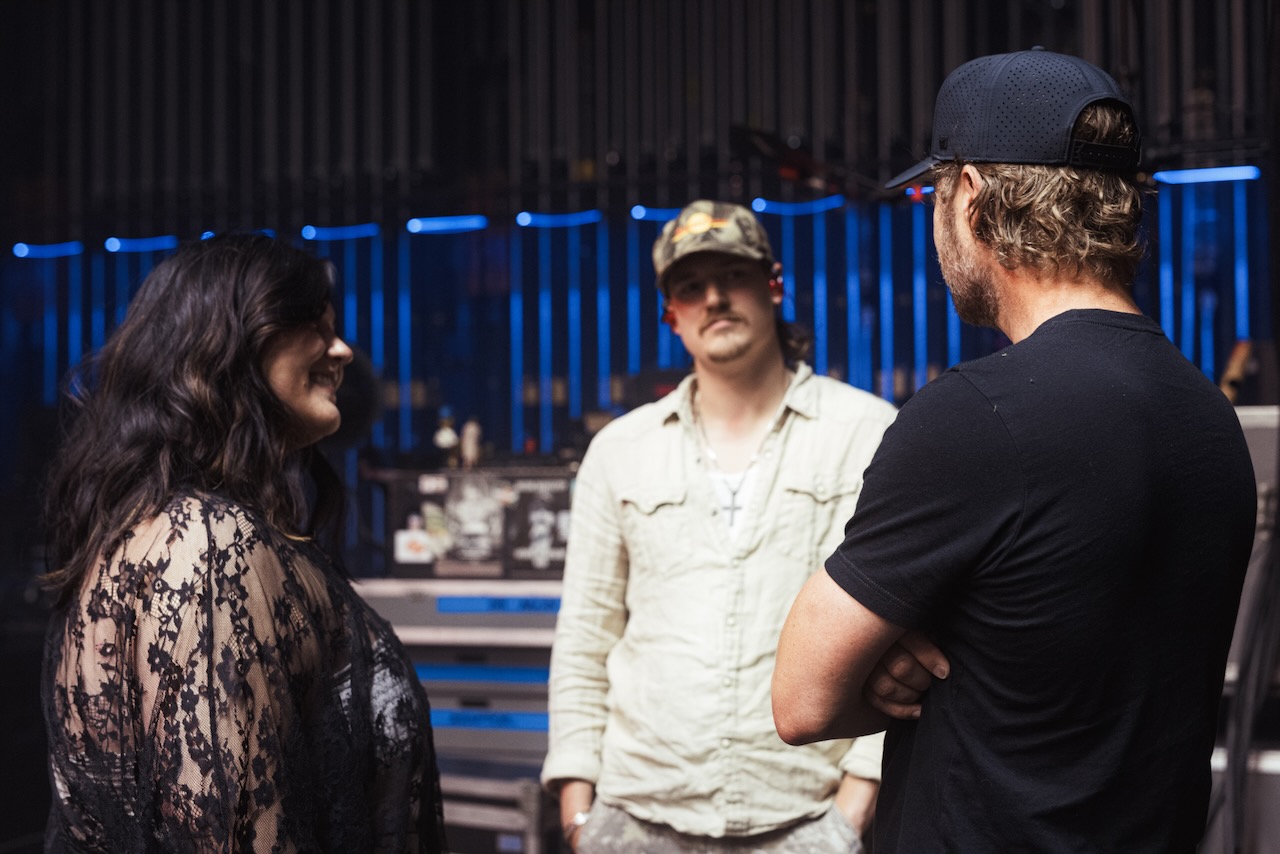
(L to R): Logan Simmons and Malachi Mills (of the Band Loula) confer with Dierks Bentley during rehearsals for the Broken Branches Tour. Photo by Zach Belcher.

Logan Simmons: I’ll say something that comes top of mind for me. I spent my whole life going to tent revivals. It’s not just, “I go and it’s summer camp, ’cause somebody made me.” It’s like the pinnacle of who I am.

I really believe that it’s the pillar of my family. We go for about 10 to 15 days every year. It’s beside my nanny’s house, and all it is, red-back hymns and bluegrass. The service happens every night and you go for about an hour and a half before service starts, before preaching starts, to hear bluegrass, gospel bands.

That’s how I learned harmonies, hearing all my godmothers and aunts sing the wrong ones around me. [Laughs] And you’ll hear somebody over there, Linda’s like [sings operatically and off-tune] and she’s not on it at all. But I was at least learning something and I feel like with my roots in general, it already infused that bluegrass sound into my life.

Then when Malachi and I became friends and started making music together. He has a lot of Motown roots. I think, blended together, the blues and bluegrass just made something beautiful. And, on top of that, the family harmony we have together. We’ve been friends forever, half our lives.

Malachi Mills: It all comes back to blues, yeah. And just like you said, that cross-pollination of the different genres. North Georgia is like the southern point of Appalachia. Like she said, it really influences the music we make by our harmonies. That’s the biggest thing we take from it. I love bluegrass music, but I’m not like a bluegrass buff. I would lose at bluegrass trivia. [Laughs] But it’s just in our bones and in the harmonies that she was talking about. Growing up in church and everything influences the way that we sing together and the notes that we pick whenever we’re singing harmonies. One of the biggest things that I love about bluegrass is the rhythm and pocket. And the intonation of the instruments. Bluegrass players choose to be intentional about [all of] it, the pocket, the timing, the tuning. It’s all so dead on. The details matter when you’re making records.

Dierks Bentley and band give Good Country and members of the media an exclusive sneak peek at their Broken Branches Tour set at rehearsals in May 2025 in Nashville. Photo by Zach Belcher.

I think that’s one of the reasons why it’s striking that y’all have this bluegrass song as part of this big, arena-sized stage show. Because for me, translating those details in such a big space and in such a broad format could be really hard.

Then I hear and see y’all singing in three parts with a neon cross behind you and suddenly yes, this is church. This is what it is. Any close-singing harmony vocals are great, but when it really sounds like bluegrass to me is when you can hear the reeds of your voices match up when you’re harmonizing. That was a really beautiful moment.

Could you talk a little bit about capturing those details for a big audience in big rooms like this – or even outside, in amphitheaters. How do you take a Bill Monroe gospel song and translate it to that space?

DB: Well, there’s “Bluegrass” Ben Helson out there walking the hallways. Ben and a couple other guys in the band have played with Ricky Skaggs. Ben played with Ricky and Tim [Sergent] still plays with Ricky. I always say, if you can graduate from the Ricky Skaggs school of bluegrass and country music, you’re probably a pretty good musician. He also played with Rhonda Vincent.

I’m a big Del McCoury fan. They did [“Get Down on Your Knees and Pray”] and Del has such a cool version of it. We were just kinda thinking of songs to do with these guys that would be great using their voices. Like [they] said, they’re the blues and bluegrass. I’m still trying to figure out their sound. It’s such a unique mixture; it’s so Americana in the way that in this country we have this melting pot of stuff. We thought it would be cool to do a little three-part thing, so that one came up.

Marty Stuart also did a really cool version of that song. But Ben [Helson], our guitar player really came up with that [arrangement], leaning into the swampy stuff they do. Gave it that feel, a little Southern – I don’t know what the vibe is there, but that telecaster is playing and it just has a cool kind of dirty, bluesy vibe to it. Then working up the harmonies, there’s just something about hearing a cappella bands.

I remember seeing Billy Strings at a bluegrass festival years ago and the band all stopped – no one knew who he was back then. Bryan Sutton had told me who he was, so I was where he was. He played like a Thursday set in the middle of the day. They had just done three songs and then they stopped and did a four-part harmony thing. There’s just something about it that’s so powerful. It goes straight to your soul.

The oldest version of entertainment there was was probably harmonizing. Finding people, seeing how your voices sound together, it’s a weird, cool thing. Singers talk about it all the time, in any genre of music about how seeing how we sound together is an intimate thing.

It’s vulnerable and it’s immediately establishing that community that you’re talking about. “We may not be a band, but now we’re a thing.”

DB: I feel like I blend well with anybody, because I’m like the condition. I sing it pretty straight here and allow the people around me to really do their stuff. I’m just gonna hold the line. There’s like nothing special about my voice, but it’s good to blend with ’cause other people have these amazing voices. They can do a lot of movement and a lot of great vibrato. I’m like the dumbest Del McCoury School of Bluegrass [student], just find that note and put everything into it. [Laughs]

Not to mention, introducing people to bluegrass as well – I love that. You have a chance to be a bridge to your heroes and that is always fun. People have been that to me, Marty Stuart probably the biggest. You get into Marty Stuart’s music and you find out who he likes, and then, whoa! He brings you back there. So [I hope] this turns somebody onto Bill Monroe. That’s pretty cool.

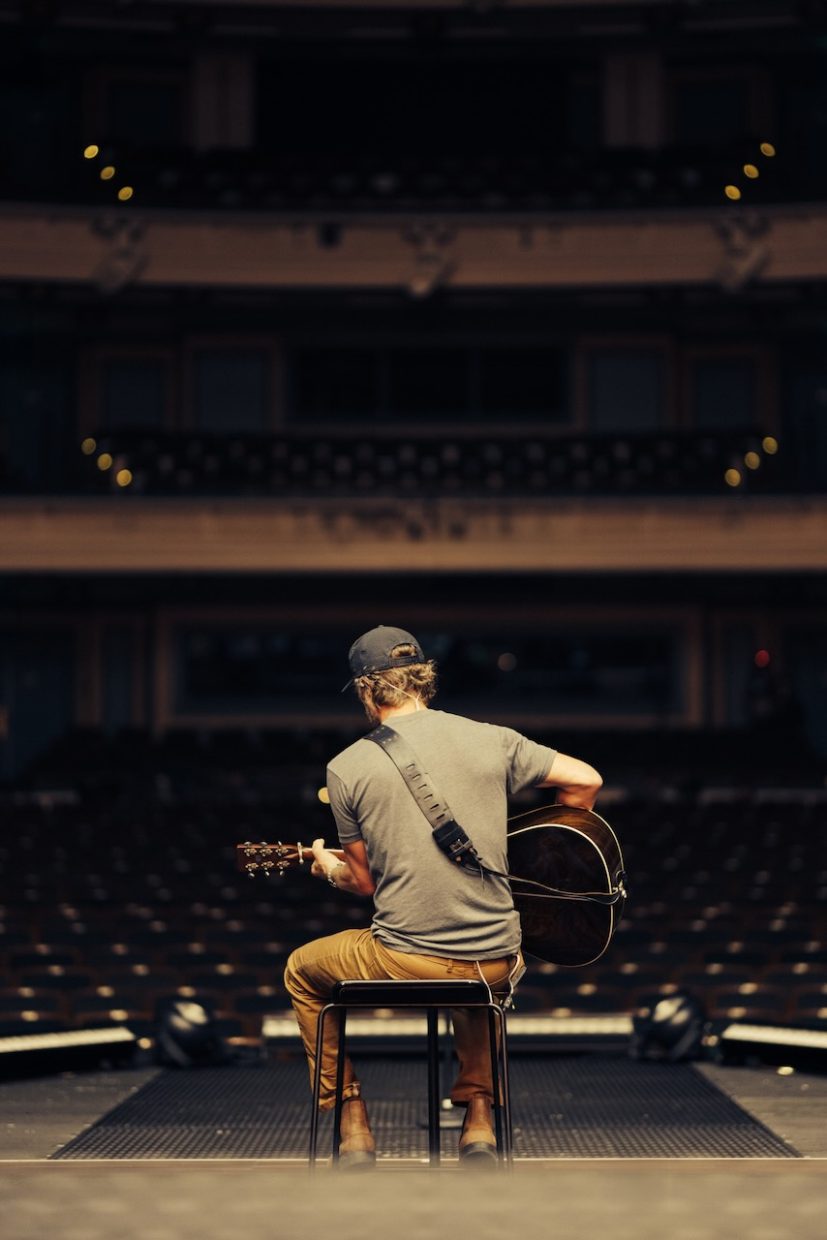
Dierks Bentley has a quiet moment on stage during rehearsals for the Broken Branches Tour. Photo by Zach Belcher.

Country – a lot like blues, R&B, and the early days of rock and roll – it has this often tempestuous and inspiring relationship between the fun of Saturday night and the conviction of Sunday morning. So seeing y’all sing that song in front of the depiction of a church as a dive bar, complete with a neon cross and a flickering “open” sign – to me that’s “a little bit holy water, a little bit Burning Man” epitomized. You guys are embodying that relationship between the sacred and the secular here. And that duality is all over your new album, too, Dierks.

MM: I’ll say, I think that one of the biggest things that contributes to that is the goosebump, hair-standing-up-on-your-arm feeling. It’s knowing that you have a part in something and whenever you sing and play bluegrass music together, you have to give way to one another on stage. So it’s the whole stage saying we’re doing this very intentionally in unity, in harmony.

And everybody in the crowd, whether they know that or not, they feel it. That’s what I think people feel. Even if you’re not a believer and maybe the message that’s being said [doesn’t apply], but you still resonate with serving each other. With being present, which is a strong energy. I think that’s what makes me excited about playing this song. I don’t know what’s gonna happen emotionally for me whenever that moment happens, ’cause it’s gonna be so much of that unified energy.

DB: Unified energy is a good way of putting it. It’s unified and it really is energy.

We’re pretty involved with the church. I have an older daughter who’s involved in the church and another middle daughter who doesn’t believe it like I did. But there’s something divine that you just can’t ignore, whether you believe it or not – just look at a sunset, look at a flower, look at a fish, look at so much unnecessary beauty in the world. There’s just some energy that exists and you can’t deny it when you sing a song like this. It just taps [something] on anybody. Recognizing how small you are in this world and the power of whatever version of prayer you do.

LS: I liked how you said it joins secular and holy together and that actually made me think of the tent revival, as well. I think growing up in Appalachia, like Malachi said – I wish I could just teleport you there so you could experience!

DB: That would be cool, a tent revival – I can’t even imagine.

I haven’t been to a camp meeting or revival in so long!

LS: Everybody’s invited to camp meeting. I don’t know if you’d love it. Our tent – I say tent, it’s like a shack on a square, it’s like a big square, four sides. So we’ll say, “Are you on the upper line or the lower line?” We’re on the upper line, which is not a good thing. It’s like you think upper line is like uppity people or something, but it’s not. Our shack is the oldest and [most] untouched of the whole campground. It was built in 1846.

DB: Wow!

LS: So there’s holes in the roof and like, my bunk bed, I get water drops on my head if it rains. There’s hay floors, there’s no air, and there’s a lot of us, so it’s all packed in there. But camp meeting is where I learned my first Bible verses and where I smoked my first joint. [Laughs] So it all marries together how you said, like holy and secular at the same time. I think of that picture of going to the gospel tent revival, going to camp meeting, singing those red-back hymns, doing all those things – but then also learning the grit of growing up.

I just loved when you said joining those things together, because that was such a representation of my upbringing. Yeah, it’s a little bit holy water, a little bit Burning Man. It’s definitely Saturday nights and Sunday mornings – and the tent revival is where I feel like those two worlds are so evident.

Dierks, in all you’ve done across your career there are all these bluegrass moments. The country that you “grow,” it’s mainstream, it’s radio-ready, but it’s like there’s bluegrass in the “soil” you grow it in, so you can always taste bluegrass in everything you do. Like on the new record, “Never You” with Miranda Lambert feels that way and “For As Long As I Can Remember”–

DB: There’s a little “Circles Around Me” by Sam Bush [reference] there at the top of that song.

Oh my gosh, yeah! Exactly what I’m talking about.

You said a little bit earlier turning people onto your heroes always feels great, but for you, from your own perspective being that guy that used to just hang out at the Station Inn and now being the Dierks Bentley and going on tour in sheds and arenas and amphitheaters… Why do you keep bluegrass with you?

Dierks Bentley: It is selfish in a lot of ways. I have such a great band and I just take so much joy watching them do cool stuff that I can’t do. It’s like our guitar player, Ben, he’s just an unbelievable flat picker. Charlie Worsham’s in our band and Charlie won the CMA Musician of the Year. He is just an incredible musician. Dan [Hochhalter] is an incredible fiddle player. Tim is so underutilized. Our steel guitar player – who plays banjo and everything else – he’s one of the best singers to me. Hearing him is like hearing Merle Haggard. He sings like nobody else, but he’s also so underutilized. And Steve’s been playing with me since 1999.

It’s just a great group and we love bluegrass music, featuring that, and having the music part of the show. I like being in a band setting, so just getting to be around it and hear these instruments swirling around me playing, I think it’s just cool.

I got a chance to play ROMP Festival last year and I feel lucky to be friends with guys like Jerry Douglas and Sierra Hull and have them come up on stage and play with us. I still think bluegrass music is the punk rock of country. It’s just the coolest genre of music there is.

It’s gotta be centering or grounding to a certain degree just to have that as something you can go back to, to feed yourself and fill yourself back up even while you’re touring.

DB: Absolutely. In the show we go from playing Tony Rice to John Michael Montgomery. We play bluegrass with the Hot Country Knights with costumes on. It’s just it’s all very selfish! It’s like, “How can I have a lot of fun in the next 90 minutes?”

I wanna do our radio country. I want people singing songs back, because that’s a great feeling. I want to get a little bluegrass in there. Just see if we get away with that. Then, can we try to get canceled on the way out? [Laughs] I dunno. It’s really fun for me. And having these guys [out with us] and getting to harmonize with them, it’s gonna be really fun. Check back in a few months, see how it turned out.


Want more Good Country? Sign up to receive our monthly email newsletter – and much more music! – direct to your inbox.

All photos by Zach Belcher.

Good Country, Good Community

Editor’s Note: Each issue of Good Country, our co-founder Ed Helms will share a handful of good country artists, albums, and songs direct from his own earphones in Ed’s Picks.

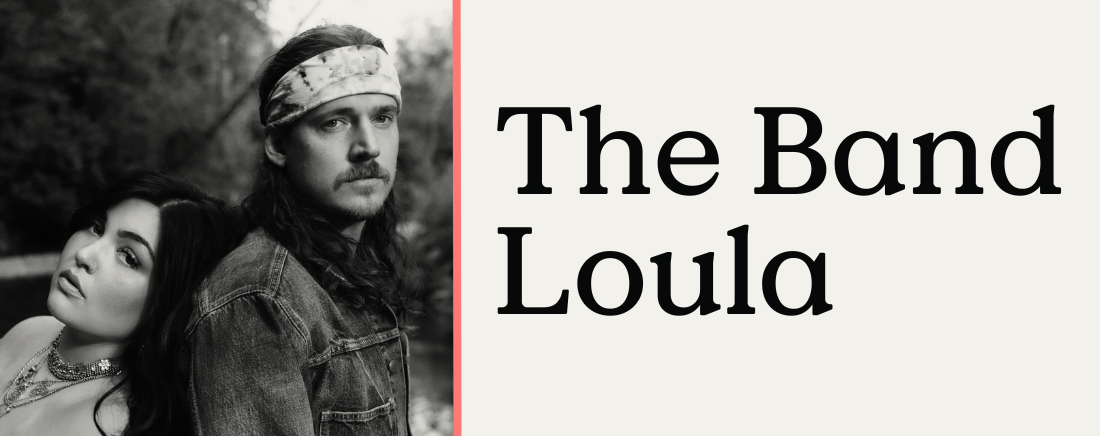
Gospel-infused, blues-inspired “swampgrass” from North Georgia, this Americana duo reminds of the Civil Wars, the SteelDrivers, and the Secret Sisters. Even so, they certainly have a sound all their own. Their new EP, Sweet Southern Summer, arrives August 22.

Read more about the Band Loula in conversation with Dierks Bentley here.


Our old favorite Timmy Ty has done it again! Snipe Hunter is a masterpiece of traditional postmodern Appalachian music. It’s hilarious and heartfelt, entirely unserious and devastating, too. No matter the textures and genres he references in his work, Tyler has always been Good Country (and very bluegrass, too).

Tyler Childers is our Artist of the Month. Dive into our coverage here.


Greensky Bluegrass

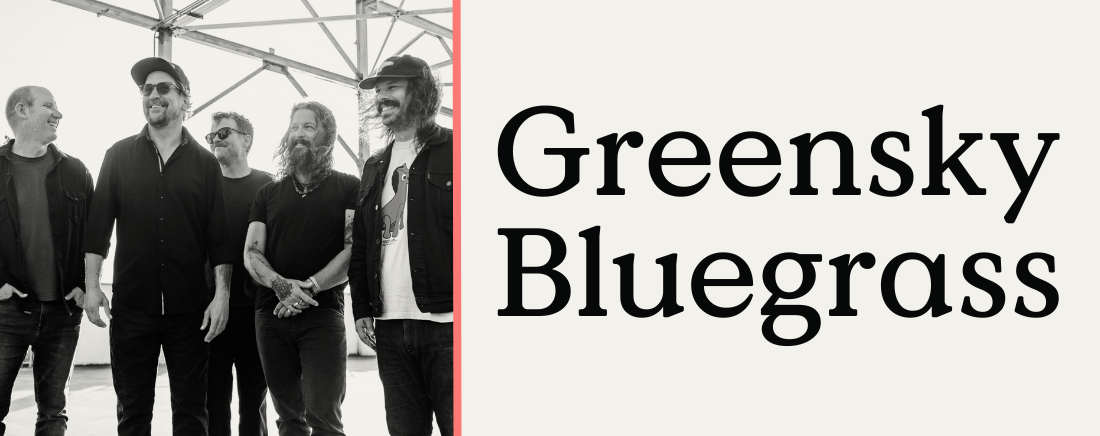
Bluegrass and jamgrass fans rejoiced in late July when our longtime pals in Greensky announced their upcoming album, XXV, marking 25 years of this incredibly impactful string band. With the announcement they released “Reverend,” featuring their Michigan compatriot Billy Strings. Here’s to the new album – and to the next 25 years! We can’t wait.


Robert Earl Keen & Friends: Applause for the Cause

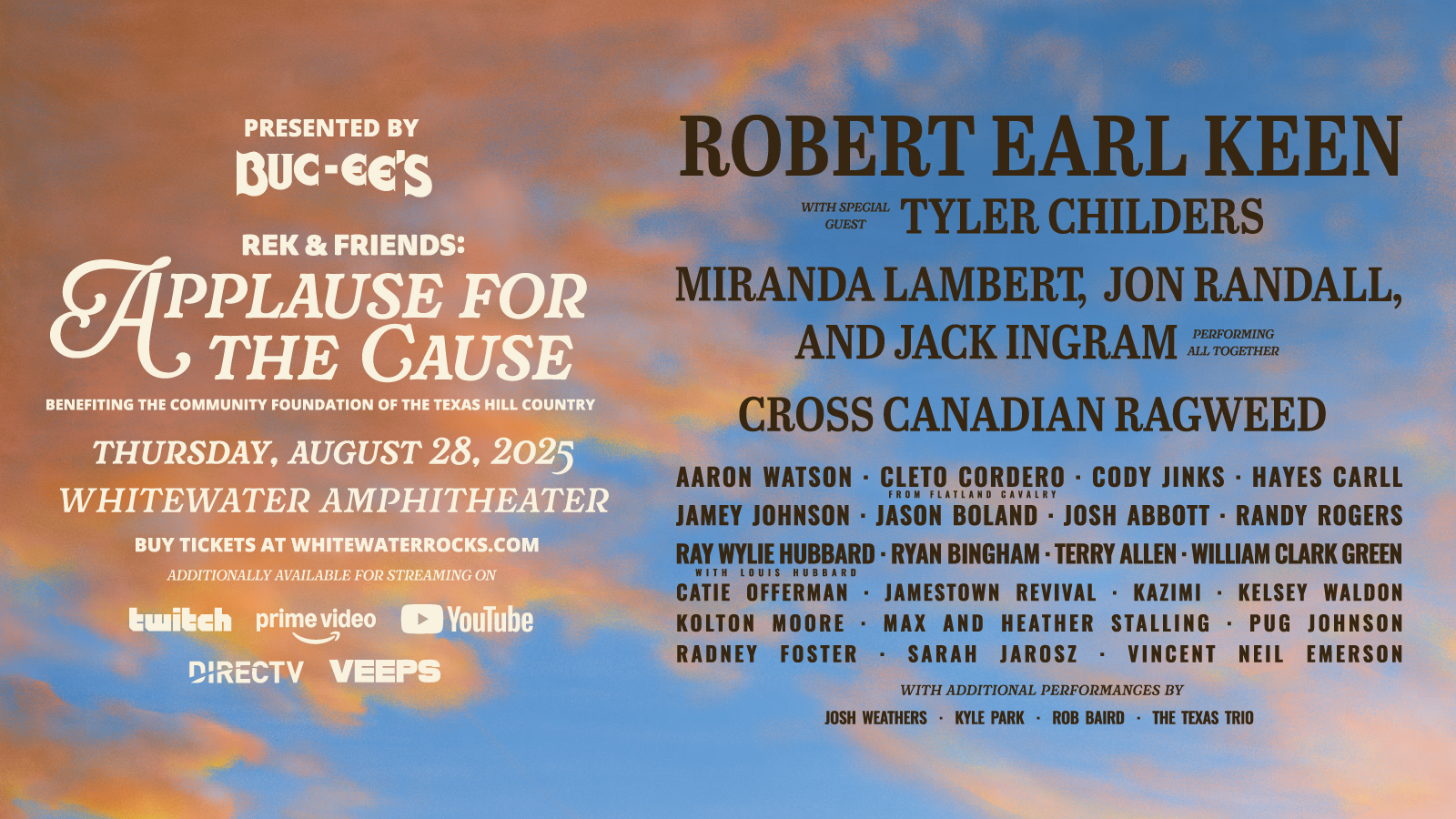
The Texas Hill Country floods devastated fertile territory for roots music and Good Country in west Texas in early July. The artistic community has responded en force, quickly assembling quite a few star-studded benefit shows, concerts, and on-the-ground relief efforts.

Robert Earl Keen – together with a host of partners and sponsors – has convened a superlative lineup for just such an event, Applause for the Cause, to be held August 28 in New Braunfels, Texas. Featuring appearances by luminaries such as Tyler Childers, Miranda Lambert, Cody Jinks, Ray Wylie Hubbard, Kelsey Waldon, Jamey Johnson, and many more, the show almost immediately sold out. The good news is you can watch the performances via streaming (Amazon Music, DIRECTV, Veeps) and REK’s YouTube channel. The even better news is you can still donate directly to the Community Foundation of the Texas Hill Country, beneficiaries of the evening, to support the cause.


Trisha Yearwood

Yes, Trisha Yearwood is a country legend of stage and screen, but did you know she’s a stellar songwriter as well? Her brand new album, The Mirror, reflects this fact with 15 tracks all co-written by the Grand Ole Opry member. Plus, the collection features guests like Jim Lauderdale, Charles Kelley, and Hailey Whitters. THIS is Good Country!


Want more Good Country? Sign up to receive our monthly email newsletter – and much more music! – direct to your inbox.

Photo Credits: The Band Loula by Sara Katherine Mills; Tyler Childers by Sam Waxman; Greensky Bluegrass by Dylan Langille; Robert Earl Keen by Emma Delevante; Trisha Yearwood by Russ Harrington.

Jackson and the Janks Celebrate “Garage Gospel Jank”

Jackson and the Janks, we started in a living room in New Orleans. Piano and guitar playing old gospel songs and trying to make a dance band. First there were two, then a third came in to use the bathroom – he was living in his van out front at the time. He sat down and played along after nature’s call. Over a year it grew from there, adding bass, saxophone, and steel guitar. We started playing shows in New Orleans, sweaty dance shows, and we didn’t have a name other than “the garage gospel band” (officially, Sam Doores’ Garage Gospel Band). We’ve branched out now and adopted New York janks into the family.

The Janks as a name came up, describing all things Janky. An old time, do-it-yourself way of playing, inspired by New Orleans R&B, rock and roll, honky tonk, and of course the sacred songs.

This playlist is a mix of sounds that influence the sentiments of Jackson and the Janks. Rollicking dance music, garage band approach, songs of love and lost love, sweet and sour, irreverent. – Jackson Lynch, Jackson and the Janks

“My Journey To The Sky” – Sister Rosetta Tharpe

There’s something wrong if Sister Rosetta is not in the conversation. True muse and queen progenitor of rock and roll, she kills me with her gospel.

“Rockin’ Bicycle” – Fats Domino

The great Fats Domino. I picked this because it inspires an approach to songwriting that gets overlooked. Have fun with the lyrical content and make fun music.

“Unchained Melody” – The Fleetwoods

I don’t take baths, but listening to this tempts me to try it out. The harmonies do it to me. My favorite version of this song.

“No More Tear Stained Makeup” – Martha & the Vandellas

This one has that lyricism and rhyme that I love. Taking a simple theme and so cleverly making it heartbreaking, don’t see it coming. Smokey Robinson at his best.

“Young Boy Blues” – Snooks Eaglin

New Orleans for real songster Snooks Eaglin played everything. Country blues, jazz, and pop songs of his day. That’s the job: play what people want to hear, do it good, and make it your own.

“Let’s Leave Here” – Jackson and the Janks

It’s about trying to not be the last one at a party that’s going under. Nothing’s happening, but you gotta leave before something does. “Gates are dropped, the service stopped, at the shop on the corner…”

“I Got Loaded” – Keith Frank & the Soileau Zydeco Band

This is a great zydeco version of a swamp-pop party song. Keith Frank (son of the famed Preston Frank) and his whole family make some of the best music I’ve ever had the privilege to dance to.

“Sweet Nothin’s” – Brenda Lee

Sugar, spice, everything nice.

“Sitting on my front porch, well do I love you? Of course,” Brenda growls and tucks me in.

“Who Will The Next Fool Be” – Charlie Rich

This speaks for itself. Just listen to how Charlie Rich sings the word “Who.”

“Life Is Too Short” – Benny Spellman

A great ballad deep cut from the man who gave us that deep voice on “Mother In Law.” Operatic. ”

We do big things in a hurry/ Let’s do what’s right to live…”

“Immigration Blues” – Duke Ellington

This secular hymn is my favorite shit. Early Duke’s orchestrated pieces like this make me regret and hope, sad and happy.


Photos courtesy of Jalopy Records.

Finding Lucinda: Episode 6

Ismay travels from Texas to Mississippi to visit the studio where Lucinda Williams made her first record. There, Ismay interviews Wolf Stephenson, who was the engineer that day in 1978, to learn about what happened during the session and whether Lucinda was confident through that initial challenge of recording. They discuss what results when artists get rejected and what keeps certain artists moving forward in spite of various roadblocks. Stephenson oversaw the development of Malaco Records, which produced R&B, soul, and gospel hits. Elsewhere in the episode, Ismay also takes time to visit the stretch of country between Austin, Texas, and Jackson, Mississippi, in order to understand the landscape that informed Lucinda’s work.

LISTEN: APPLE • SPOTIFY • AMAZON • MP3

Produced in partnership with BGS and distributed through the BGS Podcast Network, Finding Lucinda expands on the themes of Ismay’s eponymous documentary film, exploring artistic influence, creative resilience, and the impact of Williams’ music. New episodes are released twice a month. Listen right here on BGS or wherever you get podcasts.

Finding Lucinda, the documentary film that inspired and instigated the podcast, is slated for release in the fall. Both the film and podcast showcase never-before-heard archival material, intimate conversations, and a visual journey through the literal and figurative landscapes that molded Lucinda’s songwriting.

Credits:
Produced and mixed by Avery Hellman for Neanderthal Records, LLC.
Music by Ismay.
Artwork by Avery Hellman.
Jackson, MS Recording: Recorded at Malaco Studios.
Sound Recordist: Rodrigo Nino
Producer: Liz McBee
Director: Joel Fendelman
Co-Director & Cinematographer: Rose Bush
Special thanks to: Mick Hellman, Chuck Prophet, Don Fierro, Jacqueline Sabec, Rosemary Carroll, Lucinda Williams, & Tom Overby.


Find more information on Finding Lucinda here. Find our full Finding Lucinda episode archive here.

Basic Folk: John Hiatt (Reissue)

(Editor’s Note: Welcome to our Reissue series! For the next several weeks, Basic Folk is digging back into the archives and reposting some of our favorite episodes alongside new introductions commenting on what it’s like to listen back. Enjoy!)

In 2021, John Hiatt released Leftover Feelings (which is still his latest album, by the way), a collab with bluegrass great Jerry Douglas as producer and his band as backup. Hiatt’s digging into some serious past memories for these songs, which include one about his older brother, Michael. Michael died by suicide when John was only nine and it’s only recently that he chose to write about the experience with the track, “Light of the Burning Sun.” Jerry knew that the material was very serious and approached it lovingly with John and band. On Basic Folk, John expands on his grief and talks about giving himself the time and space to mourn. We also chat about the importance of radio in John’s young life: he would listen to WLAC from Nashville as a kid around 11 years old. There was a gospel show on Sunday night and the station would go to a different Black church every week to broadcast services. As
Hiatt has said, “Those gospel shows used to scare the shit out of me.” That opened his world to a completely different way to relate to music, in terms of faith.

LISTEN: APPLE • SPOTIFY • AMAZON • MP3

Hiatt picked up the guitar at 11 years old, partially to cope with the trauma resulting from being an overweight child. This was especially hard because he was a bigger kid at a time when it was rare for a child to be heavier. He discusses how music and, surprisingly, drugs and alcohol helped him overcome his weight issue. Then, of course, the drugs and alcohol led him to new problems in his adult years, requiring overcoming that addiction to live a sober life. John also talks about his kids, which includes musician Lilly Hiatt. Lilly said in an interview once, “I was crying over the fact that my career seemed stalled and I wasn’t the flavor of the month, and Dad said, ‘Lilly, we will never be hip. We’re just not those people.’”

John Hiatt has been a steadfast songwriter since the ’70s who’s written many well-loved songs such as “Have a Little Faith in Me,” “Cry Love,” and, of course, “Thing Called Love.” The writing on Leftover Feelings spans several decades and confronts some of his most vulnerable feelings. To be able to talk to John Hiatt about this project was a sincere privilege and we hope you enjoy!


Photo Credit: Patrick Sheehan

MIXTAPE: “Tempus Fugit” – Joe Mullins’ Past, Present, and Future Playlist

I’m rarely satisfied with the status quo. And I love roots music that is bona fide. Well, I’ve used up most of my Latin vocabulary very quickly.

I didn’t know what “Tempus Fugit meant until I got a wonderful new song from Tim Stafford and Missy Raines, both great artists, writers, and old friends. Missy and I were together with our bands at Americanafest in Nashville in 2024. I was chatting with her and said, “We’ve been doing this a long time,” since we got acquainted in the 1980s, as we were both learning everything about the bluegrass community. Missy said, “Yes, but we have heard so much great music and met so many wonderful people. And getting older isn’t a bad thing!” Then she told me she and Tim had a song about the subject. I had to hear it and I loved it!

Our new single, “Time Adds Up (If You’re Lucky)” is out just a few weeks after the new gospel album from JMRR was released in March. Thankful and Blessed is a collection of eight new sacred songs and two revived oldies. I’m grateful for the opportunity to deliver the spiritual message and provide an inspiring gospel collection, but I’m thankful for a great variety of music, and I’ve been blessed by the powerful talents of great musicians, singers and songwriters of all kinds.

So, this Mixtape is truly a mix – some songs from the past that inspire me, a tune from the current JMRR gospel album, and our latest bluegrass single from an album releasing in the near future. Carpe diem! – Joe Mullins

“Time Adds Up (If You’re Lucky)” – Joe Mullins & The Radio Ramblers

“Time Adds Up (If You’re Lucky)” is the new bluegrass single by JMRR. “Tempus Fugit” are the first words of the song, meaning time flies. The lyrics were so relatable for me at this phase of life. I have been on stage with a banjo and on radio in some capacity since 1982. Now, over four decades later, I have my first grandchild – and she’s gorgeous by the way!

I’m not just lucky, I’m thankful and blessed.

“My Ropin’ Days Are Done” – Blue Highway

Tim Stafford is such a great writer! This is a favorite recording of one of the most consistent bands of the past 30 years. Wayne Taylor sings with soul and the song is as lonesome as a one-car funeral procession.

“Yardbird” – Larry Cordle

Music has to be fun sometimes! I love a good sad song, but clever lyrics that are so entertaining have been penned by Larry Cordle for years. And the mighty Cord is a great singer, too. Cord is also one of my favorite people, one of those who you always look forward to seeing. He’s been very supportive of my recording career, providing many songs. He and Larry Shell wrote “Lord I’m Thankful” in our new gospel album and a new working man’s song in the Radio Ramblers bluegrass album that releases soon.

“Andy – I Can’t Live Without You” – Ashley McBryde

She has such a believable delivery, and this song is gritty and sincere. The beauty of simplicity can’t be beat – a great voice, a killer song, and one guitar.

“Gonna Be Movin'” – Larry Sparks

Sparks is a stylist, both vocally and instrumentally. He’s an original in every way. I’m pretty sure he has his own zip code. Interestingly, Larry sings three of the four vocal parts in the quartet portions of this recording from the 1980s. Randall Hylton was a superb songwriter and performer whose home-going was way too soon. His bluegrass gospel songs will be enjoyed eternally and this is one of Randall’s best. I was fortunate to have a song from Randall’s catalog that was never recorded, and it’s the a cappella selection in our new album.

“Looking at the World Through a Windshield” – Daniel Grindstaff with Trey Hensley

One of East Tennessee’s great banjo men, Daniel Grindstaff, produced one of my favorite recordings of 2024. I love good, driving country music. I’ve managed a small network of radio stations for many years and we feature a lot of hard-hitting country music from every era. Daniel and Trey nailed this old truckin’ tune with a contagious, grassy groove.

“Beneath That Lonely Mound of Clay” – George Jones & The Smoky Mountain Boys

Yes, it’s a sad song. Graveyard tunes have always been part of the bluegrass and country canon. But I want the world to be aware of this album. Jones went to the studio with Roy Acuff’s band in the very early 1970s and recorded his favorite Acuff songs. The album wasn’t released until 2017. I’m a huge fan of George’s music from his six-decade career and he was in his prime here with an acoustic band that helped define country music on the Grand Ole Opry stage.

“Journey On” – Joe Mullins & The Radio Ramblers

If you’re enjoying the mixtape in order, we need something uplifting after our stop at the cemetery. This is a new song featuring the Ramblers quartet. The perseverance of the saints is celebrated in this tune from our new album Thankful and Blessed.

“From Life’s Other Side” – Lee Ann Womack

I was fortunate enough to produce an award-winning album during the pandemic. This song is on the 2021 IBMA Album of the Year, Industrial Strength Bluegrass. The album celebrates music I grew up on in my neighborhood, Southwestern Ohio. Dave Evans was an Ohio singer and songwriter with soul oozing out of every note he breathed, like Lee Ann Womack. Her treatment of one of Dave’s rare songs was a highlight of that album that is so special to me.

“Lonesome Day” – The Osborne Brothers

I must include an Osborne Brothers song, because I’ve listened to their music almost daily for my entire life. Bobby’s vocal delivery and Sonny’s banjo genius are among my greatest influences. This cut was produced about 1977. They went to the studio to record a collection of songs from their traditional bluegrass roots, after crossing over into mainstream country during the previous decade. You’ll be hard-pressed to find a more pure voice, and each instrument rings with huge tone because of the perfect touches, including Kenny Baker and Blaine Sprouse on fiddles, and the legendary Bob Moore on bass. Just turn it wide open on repeat!


Photo Credit: Brandy Buckner