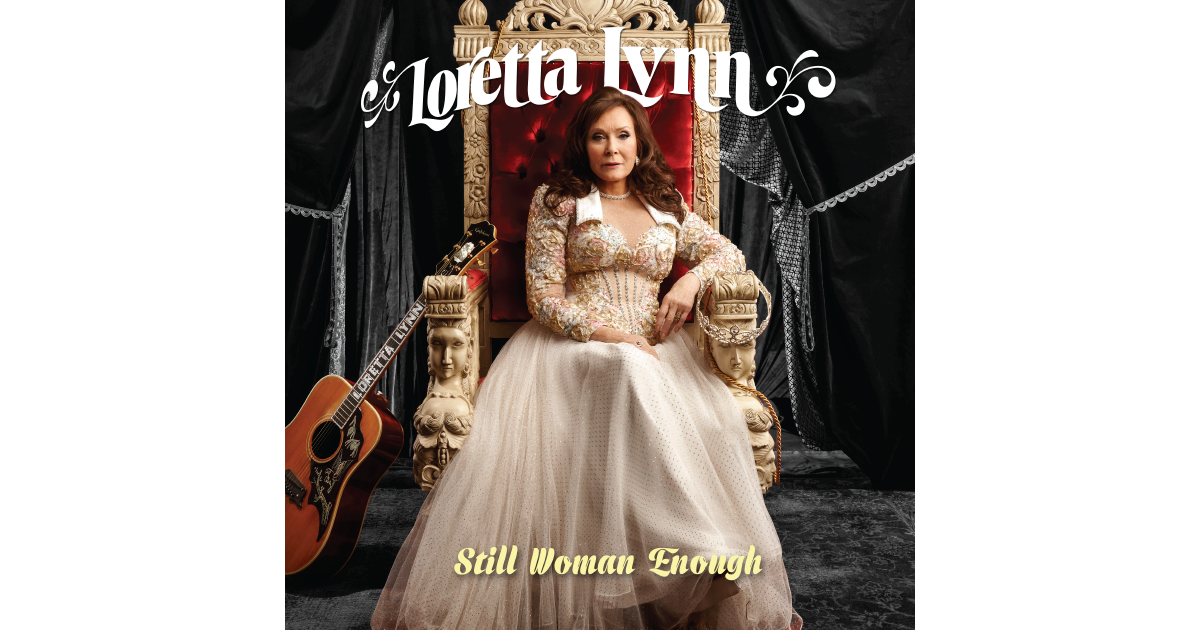
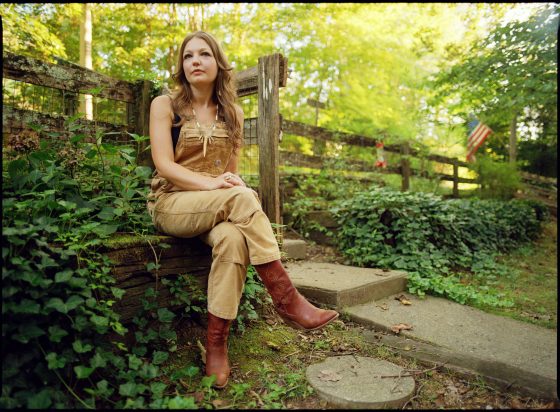
Loretta Lynn’s new album, Still Woman Enough, not only brings a collection of new songs from the venerable artist, but also makes a point of celebrating women in country music that have come after and alongside her. Appearing on the Legacy Recordings project are pillars of country music like Reba McEntire, Carrie Underwood, Tanya Tucker, and Margo Price. About including these all-stars, Lynn said, “I am just so thankful to have some of my friends join me on my new album. We girl singers gotta stick together. It’s amazing how much has happened in the 50 years since ‘Coal Miner’s Daughter’ first came out and I’m extremely grateful to be given a part to play in the history of American music.”
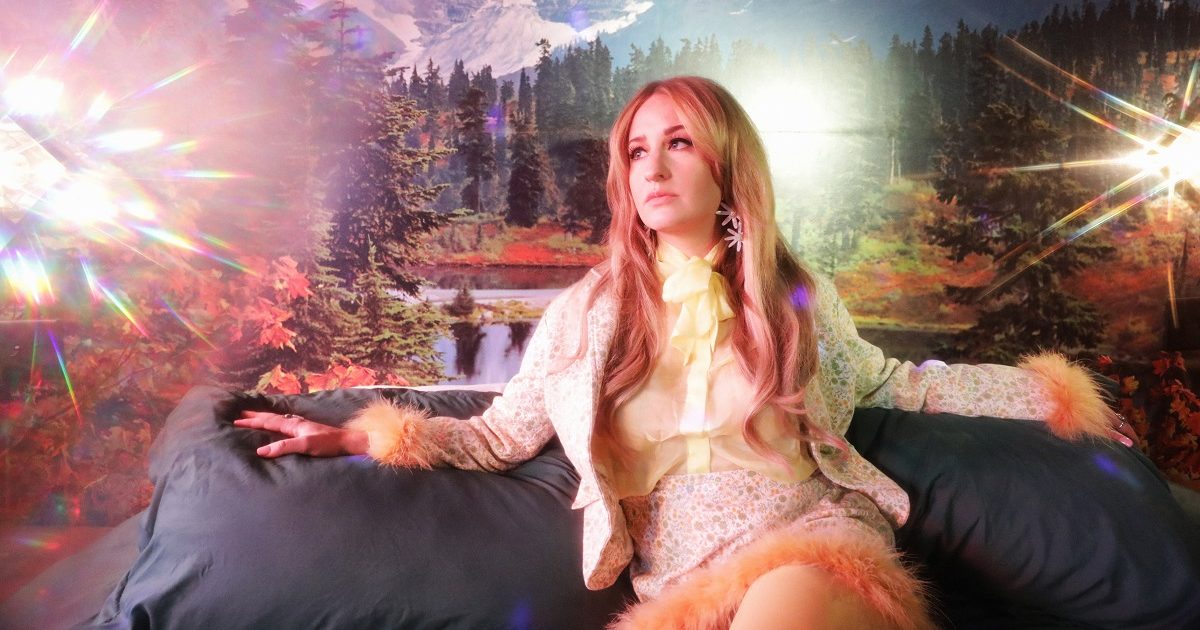
Steel guitar, fiddle, shuffling drums, and a story told straight are the key ingredients in “One’s on the Way,” a song about the underappreciated struggle of raising children. In a promotional, behind-the-scenes spot for their duet version, Price shared her unique perspective as a creator who had the privilege of working alongside a lifelong heroine. The song is especially meaningful to Price, who said of the collaboration, “I chose ‘One’s on the Way’ because it’s an important song. It was an important song at the time and it’s still an important song; to be able to talk about birth control and women’s rights in country music is legendary.”
Lynn carried “One’s on the Way,” which was written by Shel Silverstein, to No. 1 in 1971. It also served as the title track of her album that year. Her recording of it received a 1972 Grammy nomination, one of 18 she’s earned in her six-decade career. Still Woman Enough is the country legend’s 50th studio album.
In an interview about their duet, Price observes, “What first drew me to Loretta was, obviously I love her voice and I love the way she sings, it’s so powerful, but it is what she’s saying and how she’s saying it. ‘Coal Miner’s Daughter’ and those story songs, they gave me the blueprint as a country artist and just as a writer in general. Loretta said you either have to be first, great, or different. You know, she was all three.”
As an acclaimed artist who has been outspoken in her music throughout her own career as well, Price concluded, “Loretta is such an important figure to me. She’s larger than life in so many ways, and she really was this no-frills, no-BS, singing straight from her heart. And yet, men can sing about sex, they can sing about straight-up murdering someone and it was fine, but Loretta was not afraid to step on any toes. She wrote her truth. I think Loretta’s songs are timeless, and I’ve taken so much knowledge and wisdom from her, just watching how she navigated her career and motherhood. She’s one of the greatest of all times.”
Welcome to the BGS Radio Hour! Since 2017, the show has been a weekly recap of all the great music, new and old, featured on BGS. This week we bring you music to provide a fresh start in 2021 and to celebrate the many roots artists nominated for Grammy Awards this year. Remember to check back every Monday for a new episode.
20 years following his death, John Hartford is still being honored by a whole world of roots musicians. The John Hartford Fiddle Tune Project, Vol. 1 just happens to be the most recent, an album of songs Hartford composed but never recorded, only to be found later by his family when sifting through his archival collection. A collaborative recording, this track is performed by Alison Brown and Hawktail (Brittany Haas, Paul Kowert, Jordan Tice, and Dominick Leslie) — and the album is up for a Grammy!
From Nashville, Carl Anderson brings us a co-write this week from his upcoming Taking Off and Landing. The single is about vulnerability, forgiving and becoming comfortable with yourself, and embracing your inescapable imperfections.
Minnesota-based singer and songwriter Luke LeBlanc brings us a new song this week! From his Better Now EP, “All My Love” is a resurrected voice memo, one that took some time to navigate but is undeniably better with age.
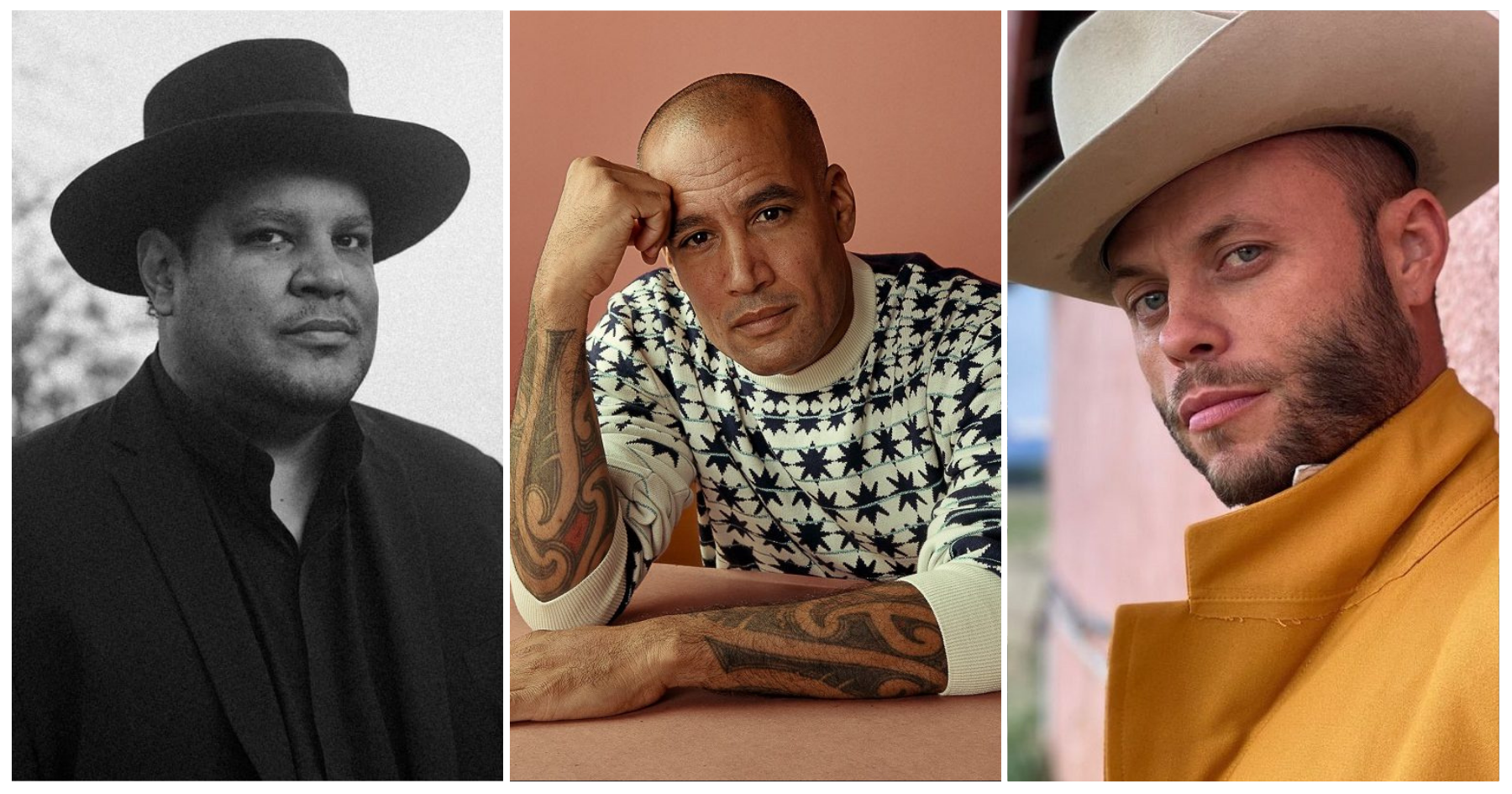
From the 2020 film Black Boys, Ben Harper brings us a song this week which he composed for the cultural documentary. The film is a timely reckoning on Black, male identity in America, through sports, education, and our broken criminal justice system.
Frequent visitor of our pages here at BGS, Texas-based Charley Crockett brings us a new single this week from The Next Waltz, Vol. 3. “I Can Help” is a Billy Swan number, one in which recording was not planned, yet somehow nailed in one take by Crockett and his band.
From Wilmington, NC, Brent and Ben of Beta Radio bring us the title track from their Afraid of Love EP. The pair sat down with BGS for a 5+5 — that is, five questions and five songs — where we went over influences, how different types of art relate to their music, and the toughest go at songwriting they’ve ever had.
An undeniable legend, Loretta Lynn brings to us this week a mountain-style recitation on her famous song (and film title) “Coal Miner’s Daughter.” The new release commemorates the 50th anniversary of the original song, as well as being part of her upcoming Still Woman Enough — Lynn’s 50th studio album.
Durham’s M.C. Taylor of Hiss Golden Messenger is back with a new single, following 2020’s Terms of Surrender, which is nominated for a Grammy. “Sanctuary” is a reflection on the past year, and the way in which we care for ourselves and those around us. Bidding farewell to John Prine — “Handsome Johnny” — who was lost in the storm of 2020, Taylor finds shelter within it.
After the collapse of their family, the Rough & Tumble borrowed a Michigan kitchen and worked through the darkness. But, the Nashville-based-but always on the road duo realized not everything had to be lost, telling BGS, “We have as much right to a family to call our own as the family that won’t call us their own, anymore.”
Silence is perhaps the most detrimental plague to justice. Los Angeles-based Chris Pierce brings us a song this week on silence, striking that if we smile and applaud for people different than us, we are responsible to fight for them too.
No matter how much we prepare in life, there is always someone or something that will catch us by surprise. From Haywood County, NC, Balsam Range brings us a song this week about stumbling, being unable to speak, completely taken by surprise when that someone comes around.
The great fall of gigs in 2020 hit young performers hard — especially those who had just broken through and had rarely seen momentum, like 24-year-old Marcus King. After his January 2020 release El Dorado, King was poised for a busy year that slowly unraveled, turning his attention to songwriting, drive-in concerts, and a performance on the Tonight Show With Jimmy Fallon. This January, King has reclaimed that momentum with a GRAMMY nomination for El Dorado!
From Boulder, CO, Cole Scheifele brings to us this week a song about chasing what invigorates you. For many, including Scheifele, 2020 was a year to revisit old ideas, providing us with a stagnant, neutral state of stillness, and giving Scheifele the answers to this previously begun, for years unfinished song.
2021 celebrates the 20th anniversary of O Brother, Where Art Thou?, the Coen Brothers’ film which ignited a modern revival of roots music. This month, we’re celebrating by making the entire soundtrack our January Artist of the Month, where all month long we’re featuring music from the film. This week’s selection is brought to us by artist Chris Thomas King, aka Tommy Johnson, the blues man that we meet at the crossroads early in the film, just after his soul was sold to the devil.
Photo credit: (L to R) Chris Pierce by Ross Kolton; Ben Harper by Jacob Boll; Charley Crockett by Taylor Grace
In Their Words: “I am just so thankful to have some of my friends join me on my new album. We girl singers gotta stick together. It’s amazing how much has happened in the fifty years since ‘Coal Miner’s Daughter’ first came out and I’m extremely grateful to be given a part to play in the history of American music.” — Loretta Lynn
Editor’s Note: “Coal Miner’s Daughter Recitation” commemorates the 50th anniversary of the release of Loretta Lynn’s signature song (October 5, 1970) and album (January 4, 1971). Meanwhile, her upcoming 50th studio album, Still Woman Enough, includes collaborations with Reba McEntire, Margo Price, Tanya Tucker, and Carrie Underwood. Lynn reunited with director David McClister for a short film version of “Coal Miner’s Daughter Recitation.” Shot on location at her ranch in Hurricane Mills, Tennessee, the music video includes scenes filmed in her “Butcher Holler” replica home.
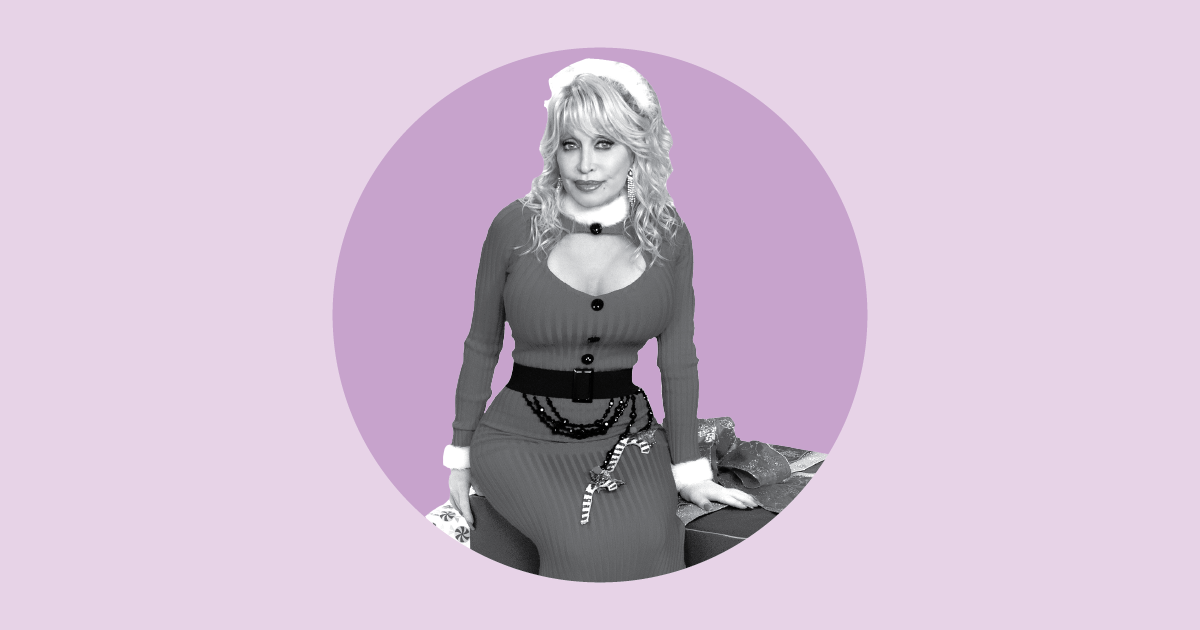
Dolly Parton kept her promise to bring good into the world in 2020 and beyond. For so many reasons, this is absolutely the Year of Dolly Parton.
Marking her 50th anniversary as an Opry member in October 2019, she told reporters, “This world is just so dark, ugly and awful. I just can’t believe how we just can’t have a little more light and a little more love. So, I’m going to make it my business to try to do songs that are more uplifting — not just all Christian-based songs but songs that are just about better things. Do better and just have a little more love, a little more light and just don’t be so dark and dirty!”
Although it seems like a million years ago now, Dolly launched a viral craze on January 21 with a meme that went around the world. Gotta love the acoustic guitar for Instagram!
Also in January, she notched a Top 10 track on Billboard’s Hot Dance/Electronic Songs chart with “Faith,” which basically transformed the John Hiatt classic into an international EDM hit. Co-starring in the video with her musical collaborators, Galantis, Parton camps things up as the world’s best-dressed bus driver.
Later in the month, Parton collected her ninth career Grammy Award, this time in the category of Best Contemporary Christian Music Performance/Song, sharing the honor with For King and Country with “God Only Knows.” Although Parton wasn’t in attendance, the duo’s Joel Smallbone remarked from the podium, “To dear Dolly Parton, who is an incredible human being. It’s one of the great moments of our career to collaborate with her and her team.”
He continued, “I taught two of her managers in Sunday school growing up, so they were kind enough to reach out and play her the song. But she said something on a call. She said, ‘I love this song because it’s reaching to the marginalized, to the depressed, to the suicidal,’ which is all of us at some point. And then she said this, in her Dolly accent: ‘I’m going to take this song from Dollywood to Bollywood to Hollywood.’ And we did it, Dolly, we took it all the way.”
A few months into the pandemic, Parton told Instagram followers, “I think God is in this, I really do. I think he’s trying to hold us up to the light so we can see ourselves and see each other through the eyes of love. I think that when this passes, we’re all gonna be better people.”
She also revealed on social media that she’d donated a million dollars to Vanderbilt University help find a cure for the coronavirus. She wrote, “My longtime friend Dr. Naji Abumrad, who’s been involved in research at Vanderbilt for many years, informed me that they were making some exciting advancements towards research of the coronavirus for a cure. I am making a donation of $1 million to Vanderbilt towards that research and to encourage people that can afford it to make donations.”
Incredibly, when news of the Moderna vaccine emerged in November, Parton’s contribution was duly noted. “Without a doubt in my mind, her funding made the research toward the vaccine go 10 times faster than it would be without it,” Abumrad told the Washington Post.
In April, she kicked off a series of bedtime stories, told online, in order to bring comfort to children who were scared about sheltering in place. “This is something I have been wanting to do for quite a while, but the timing never felt quite right,” she said. “I think it is pretty clear that now is the time to share a story and to share some love. It is an honor for me to share the incredible talent of these authors and illustrators. They make us smile, they make us laugh and they make us think.” Two of the chosen books she wrote herself: Coat of Many Colors and I Am a Rainbow.
In addition, a new line of uplifting greeting cards inspired by Parton appeared in Walmart stores over the summer. Meanwhile, musically, she responded to the pandemic with a beacon of optimism, titled “When Life Is Good Again.” She shared the song in tandem with an interview (while sitting on her porch in her first-ever Zoom call) with the series Time100 Talks: Finding Hope.
Bluegrass fans rejoiced in August as she made a surprise announcement that six of her albums from the early 2000s were finally available on streaming services, so how about adding title tracks of Little Sparrow and Halos & Horns to your Dolly playlists? Overall, 93 once-missing tracks are now available to stream.
Although she’s rarely controversial, Parton’s commentary about Black Lives Matter caused a commotion among its supporters and detractors — and even inspired a mural in East Nashville. She told Billboard in August, “I think that everybody needs to express themselves however they feel they have to. I’m not out here to tell you what to do. I don’t want you to tell me what to do. But I just do what my heart tells me to do, I ask God to direct me and lead me, and if I’ve got his direction, I don’t have to worry too much about anything else. But I do understand people having to make themselves known and felt and seen. And of course Black lives matter. Do we think our little white asses are the only ones that matter? No! Everybody matters.”
In November, she commemorated the 25th anniversary of the Imagination Library – an incredible program she launched in 1995 in order to provide free books every month to preschool children — with a new documentary titled The Library That Dolly Built. Parton stated, “I am so excited that we can finally tell the whole story of the Imagination Library. It is certainly not just about me. Our story is the story of children, of families and communities who all share the dream to inspire kids to love to read and to love to learn. My hope is this documentary will encourage more towns, more states and even more countries to jump onboard. One thing is for sure, I think this is the best investment I have ever made.”
Those who have been fans of Dolly Parton for their whole lives were treated to two magnificent overviews in 2020. The first is a Time Life box set of her career on camera, available in two different configurations. One option for Dolly: The Ultimate Collection clocks in at 11 DVDs, and the other at 19 DVDs. Some of the most interesting footage comes from her variety shows, such as this clip of the superstar singing “Amazing Grace” with Glen Campbell (who, for some reason, has brought along his bagpipes).
The other retrospective is Songteller, a book of lyrics that doubles as a memoir. Compiled by Parton and noted journalist Robert K. Oermann, it portrays Parton as a composer whose catalog goes way deeper (and darker) than “Jolene,” “9 to 5,” and “I Will Always Love You.” Dorian Lynskey, a contributor to the L.A. Times, wrote, “Her shows are carnivals of good-natured inclusivity that unite everyone from LGBTQ millennials to MAGA-hat boomers under one roof. There is room for heartbreak but not deep cuts about suicide and arson. Still, she would not have included so many of these dramas of cruelty and suffering in Songteller if she did not believe that this harsher strain in her life and work was worth remembering. Her optimism stands on the shoulders of pain.”
And if all that isn’t enough, she gifted us with a holiday album and a network special (both titled A Holly Dolly Christmas), a Netflix movie (Christmas on the Square), and even a baking kit at Williams-Sonoma. It may be the only time in history that she’s been affiliated with the words “cookie cutter.”
Right before Thanksgiving, the iconic musician logged her 50th Grammy nomination, this time for “There Was Jesus,” a collaboration with Zach Williams in the Best Contemporary Christian Music Performance/Song category. A week later, former President Barack Obama lamented that he hadn’t given Parton the Presidential Medal of Freedom. Perhaps that will happen in 2021?
Not that she’s short on awards. She picked up the new Hitmaker award from Billboard in December, and told viewers, “Of course, I’m proud of all the wonderful women in show business that write all these wonderful songs. I’d like to acknowledge a few — some of them older, kind of back in my day. Cindy Walker, who wrote some of the greatest songs ever, and of course Loretta Lynn, a wonderful, wonderful songwriter. And this day in time, of course, Taylor Swift, she’s just right up there, probably number one. And of course, Brandi Carlile, there’s just so many that write so many good songs. I think it’s so important that we acknowledge the women that write and sing in country music. And I think it’s also very important that they take control of their own business. I know I’ve had my own publishing company for years. Same with a lot of these women that I mentioned. But anyhow, I’ve just wanted to always say, ‘You go, girls!’ We can do it!” (Like hundreds of others, the trophy will be housed in her museum in Dollywood.)
This year, and in all years, we commend Dolly Parton for her work ethic and for making herself available to her fans. Yes, she knows how to market herself through visibility and personality, but in 2020, when so many of us have stayed in, she’s gone the extra mile to put herself out there, safely.
On November 30, she wound up in New York Times‘ Style magazine in its “Diva” series, alongside Patti LaBelle and Barbra Streisand. One of the most accurate depictions of what it’s like to be around Dolly (and to always wish you had more time to spend together), the article’s author Emily Lordi quotes Dolly talking about her ambition: “I just wanted to do really good work, and I wanted it to make a really big difference in the world … to uplift mankind and glorify God.”
An exquisite singer who is undeniably country, Nashville singer-songwriter Brit Taylor is taking a stand for herself in her debut album, Real Me. It’s an intriguing collection of original songs that position the East Kentucky native as one of Americana music’s most promising artists. After a number of setbacks, ranging from the demise of a marriage to the end of a publishing deal, she contacted producer Dave Brainard to talk about a fresh start. Around the same time, she met Dan Auerbach, who encouraged her to sound like a traditional country singer, even though she’d been told for years that nobody was buying that kind of music anymore.
Emerging from a cloud of depression, Taylor channeled her emotions into song. Then she released Real Me in November, staking her claim as an artist that proudly honors her roots without sounding stuck in the past. Songs like “Waking Up Ain’t Easy” and “Broken Hearts Break” echo her true country influences, too. Talking by phone from her farm, with a few goats roaming nearby, she told BGS about the journey.
BGS: You’ve said that your family wasn’t very musical, but was there music always around as you were growing up?
Taylor: Yeah, I grew up in Eastern Kentucky, right by the Country Music Highway, US 23. So, the culture of country music is super rich around Eastern Kentucky. I grew up singing in the Kentucky Opry Junior Pros in Prestonsburg, Kentucky. I was always singing and playing music every weekend of the summer, and through the Christmas season.
What were those shows like?
It’s kind of like something you would see in Branson. Back when I was a kid, it was booming and tourism was really rich around there. We would sell out shows every Christmas and have to add matinees. I felt like I was in the big time when I was a kid! [Laughs] It’s a really nice theater, too. I saw my first concert there, and it was George Jones. I played there for 10 years, and then I moved to Nashville and started playing tiny bars! It was such a shock, The Junior Pros opened up for the older members who were in the Kentucky Opry. What I was in was just kids. I don’t think anybody was older than 18.
When did you learn to play guitar?
I learned to play guitar in my senior year of high school. I had a vocal coach and I was taking piano lessons. He knew I wanted to move to Nashville. I was very [eager to move]! I was always playing by ear, and I was always frustrating him, because I hated to read music. One day he said, “How are you gonna pack this piano around Nashville?” And I was like, “Well, I don’t know.” He said, “You’re not going to make it in that town unless you learn how to play guitar.”
And I went home and I was like, “Mom, you have to buy me a guitar. Now.” [Laughs] We went to the music store and she didn’t know anything about music. The guitar was a hundred bucks, or two hundred bucks, and my mom said, “I am only spending $50 on this guitar.” I told the guy at the cash register that I would sing him any song that he wanted if I could have that guitar for fifty dollars. I sang him a Fleetwood Mac song and he let me buy the guitar.
You had to overcome a lot of setbacks to get where you are. How did you stay focused and inspired to keep going?
I don’t think I ever thought about the option of quitting. It’s always just been there, that this is what I want to do. There’s never been any other thought. It was hard at times, but it was never like, “I want to do something else.” This is just what it’s always been. I don’t picture life any other way.
What kind of lessons did you learn from your family? Were they good at teaching you a work ethic, focus, and dedication?
Oh yeah. My dad’s an entrepreneur and he was always going against the grain, working for himself. A lot of people don’t understand that, but I came from a family that understood being an entrepreneur and chasing your dreams at all costs. He was also a martial arts instructor and that’s how he got started. So, he always taught me how to fight, whether it was in a karate match, or in real life.
Did you take lessons in martial arts as well?
I did. Dad had me whippin’ ass since I was 4. [Laughs]
How much of this dream you had was about songwriting as well? How important was it to develop your voice as a songwriter?
Oh, I wrote my first song when I was 13. It was terrible, but it came so natural. The structure came natural. I think I had listened to so much country music at that point, it had to come natural. Yeah, I moved to town to write songs. I wanted to be an artist, too, but I definitely wanted to write my own songs. It’s always been a dream to have other people record my songs as well.
Patty Loveless. I love her. She’s one of my favorite artists. Darrell Scott, and lots of songwriters, too. I grew up listening to a lot of Elvis and oldies. I sang a lot of Patsy Cline and Loretta Lynn growing up. The Judds, Dwight Yoakam, all those Kentucky artists.
Were you listening to the words even back then?
Every single word. My dad’s favorite story to tell is about when we were on the way to Myrtle Beach. I was always my dad’s little sidekick and I would sit in the front seat while my mom and my brother would nap in the back. We were listening to Sam Cooke. The line in the song was, “My baby’s gone and she ain’t coming back.” And my dad called me his baby. I was 4 years old, and I think I thought that song was about the man’s daughter. Dad said he looked over and saw me crying, and he said, “What’s wrong, baby?” And I said, “Why won’t his baby come back to him, Daddy?” [Laughs] I’m just sitting over there bawling, listening to Sam Cooke, and it’s not even about what I thought it was about, but it hit me.
Did you go to college in Nashville?
Murfreesboro. I moved here to go to school for music business at MTSU.
What do you remember about those early days, finally being so close to Nashville?
Oh my gosh, it was the best time of my life! I felt like such an adult. I’ve always been a little ahead of myself, I think, and just being on my own, getting to make my own decisions because I’m really independent, was just the best time time in my life. I had already started writing songs and co-writing songs, and I was just ready.
I moved here when I was 19 and I remember that feeling of excitement. It feels like the whole world is in front of you.
Oh, it does. That’s the cool thing about living on the farm, too. I remember when I would drive from Murfreesboro to Nashville, or Kentucky to Nashville, seeing the skyline of Nashville is so exciting! It’s just glorious! It still makes my heart drop because I’m not in it every day. So when I get to drive to town, it’s still really special.
Are you living on a farm now?
Yeah, I live out in Mount Juliet, outside of Nashville, and I’ve got a little over three acres. And I adore it! I don’t know if it’s because I grew up this way, but there’s some kind of peace about it when you can be out in the woods. I’m an animal lover. My next thing I want to get, with these goats, is these miniature donkeys. [Laughs] And you can’t really have those in Nashville.
Oh, I’ve always had animals. My dad’s a big animal lover. And his dad had llamas, emu, ostriches, donkeys, horses… I mean, he was always getting some kind of crazy animal. And apparently I’ve taken on that role in the family.
I think animals can bring comfort in stressful times. Is that the case for you?
Yeah, I can’t look at these little Pygmy goats and not smile. They’re just hilarious! And they make me happy. The music industry is full of ups and downs, and life in general is full of ups and downs, and it’s so easy to walk outside and be grounded in nature. It’s just being in nature and watching the animals running around, because they don’t have to think about anything. They’re just hollering for some more hay.
When you listen to Real Me now, what goes through your mind?
I’m grateful. I just listened to it and I’m grateful. I’m just as much in love with this record as I was in the process of making it. I still listen to it and get butterflies.
Artist:Jaime Wyatt Hometown: Fox Island/Gig Harbor, Washington Latest Album:Neon Cross Personal nicknames (or rejected band names): My family and close friends call me James
Which artist has influenced you the most … and how?
Gram Parsons is one of the most influential artists for my life and creativity. I identify deeply with Gram: He was a hippie who was obsessed with country as well as soul and his original music was a perfect blend of genres, incorporating vintage and modern influences. I try not to make a perfectly vintage sounding country song, as I feel like I’d rather listen to the classics than listen to a straight reproduction.
What’s your favorite memory from being on stage?
I toured with Wheeler Walker Jr. as support and during a set in Los Angeles, a man screamed, “Jaime, I wanna have your baby!”
What rituals do you have, either in the studio or before a show?
For both pre-show and pre-recording sessions, I do yoga, meditate, go for a jog and do some mat exercises, vocal warm-ups and then crack a Coca-Cola and smoke a cigarette and pace until I hit the stage, or pick up a guitar and pace around with the guitar.
What’s the toughest time you ever had writing a song?
Many many times for many many songs. For me, following the melody is very important and it should lead the lyrics. I write mostly in my head then bring to an instrument, so a lot of songs come to me while I’m sleeping, driving, meditating or walking outside.
“Just a Woman” almost didn’t make the record, because I did not want to risk comprising the potential of that song. I felt I was representing women with that one, which might be a total lie, but I did not want to fail all of womankind, by making the lyrics cheesy. I finished the bridge right before we tracked the song with the band. I heard a major/minor Beatles thing when I woke up that morning and was blessed enough for that melody to return to me while I was outside pacing in the courtyard. Then I finished the second verse maybe one hour before the final recording session.
How often do you hide behind a character in a song or use “you” when it’s actually “me”?
I’d say 50 to 60 percent of the time. I’ve done this to hide that I’m gay or that I don’t want anyone I know to know how I feel and I’ve done it to give a wider demographic of people the opportunity to connect to a song.
We’ve so enjoyed looking back into the BGS archives with you every week for some of our favorite reporting, videos, interviews, and more. If you haven’t yet, follow our #longreadoftheday series on social media [on Facebook, Twitter, and Instagram] and as always, we’ll put all of our picks together right here at the end of each week.
Our long reads this week are pioneering, longsuffering, triumphant, innovative, and so much more.
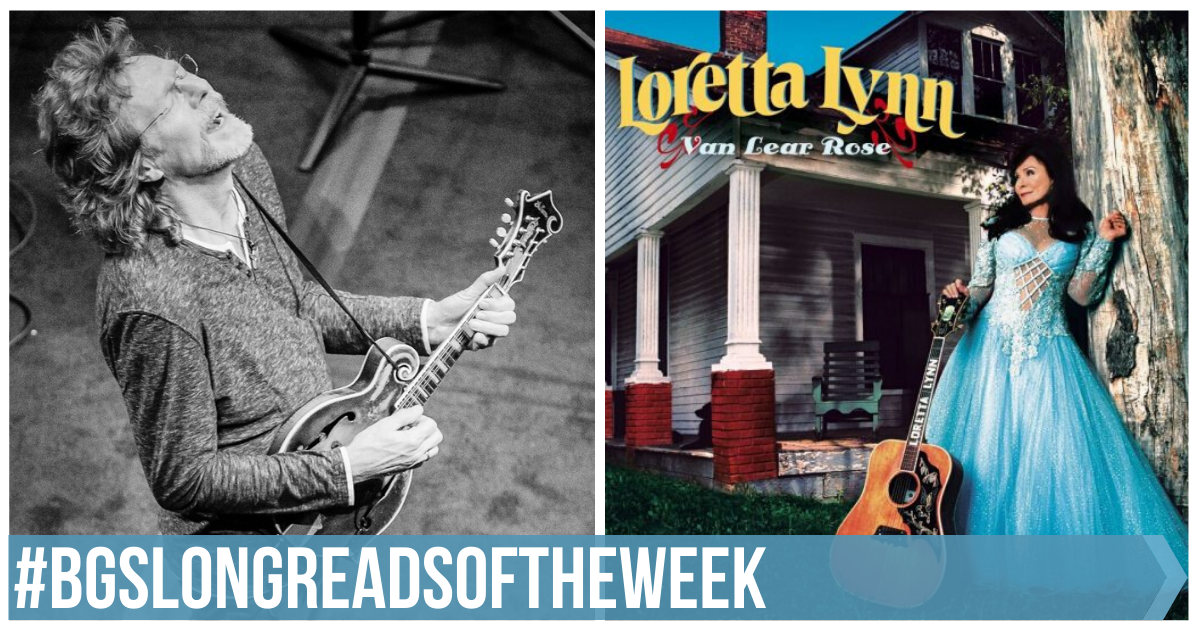
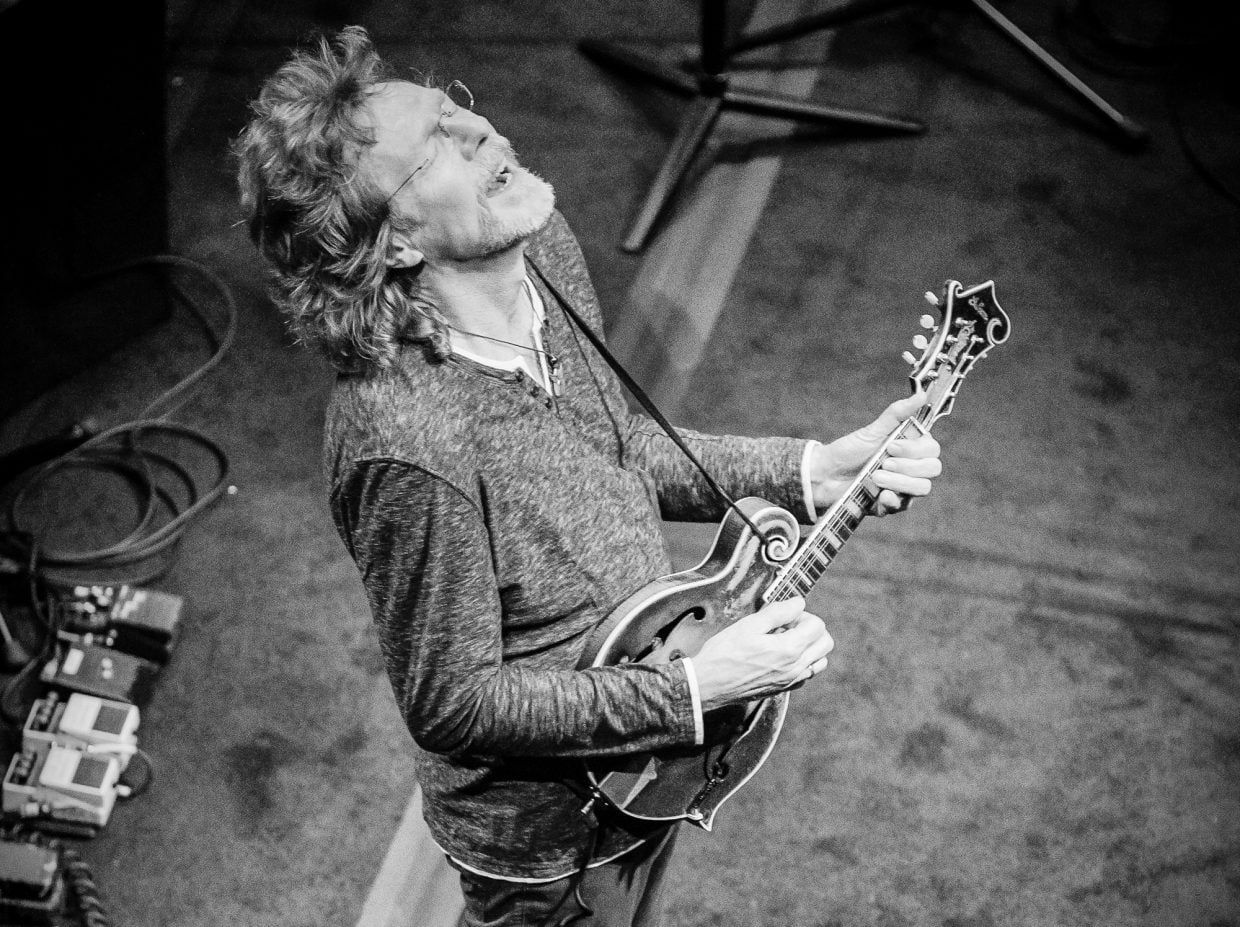
April 13 just so happens to be the birthday of this bluegrass pioneer, a man who has had an incredible impact on the genre over the course of his lifelong career. So of course we started off the week in long reads with this 2016 interview with Sam Bush, written by Mipso guitarist and vocalist, Joseph Terrell. Sam talks New Grass Revival, Bluegrass Alliance, the future of mandolin, and so much more. It’s worth a read, birthday or not! Happy Birthday, Sam! [Read more]
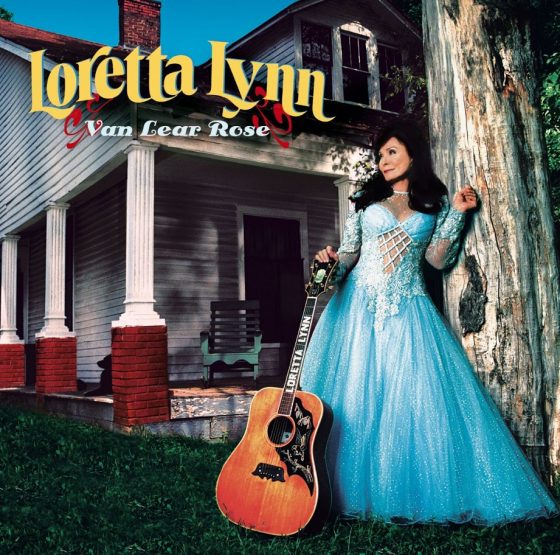
It just so happens, we’re featuring two birthday long reads in a row! On Tuesday this week we wished country legend Loretta Lynn a very happy birthday with a revisit to an archived edition of Canon Fodder on Van Lear Rose, her 2004 critically-acclaimed collaborative album made with Jack White. Lynn has changed and innovated upon country music in many more ways than one, and she continues to do so as her career goes on! Just like with Van Lear Rose. [Read more about the album]
We love a two-fer. With this look back into the archives, you get a film choice for tonight or this weekend, too. The Madness & the Mandolin is a documentary following the many challenges and breakthroughs of Kelley Gibson’s (son of The Gibson Brothers’ Eric Gibson) journey and evolution with autism. The film explores methods like exercise, meditation, reading, and music as tools that, combined, can often be the most powerful treatment. We spoke to the project’s producer/director Dr. Sean Ackerman last year.
The Madness & the Mandolin is available to rent on Amazon Prime. [Read the interview]
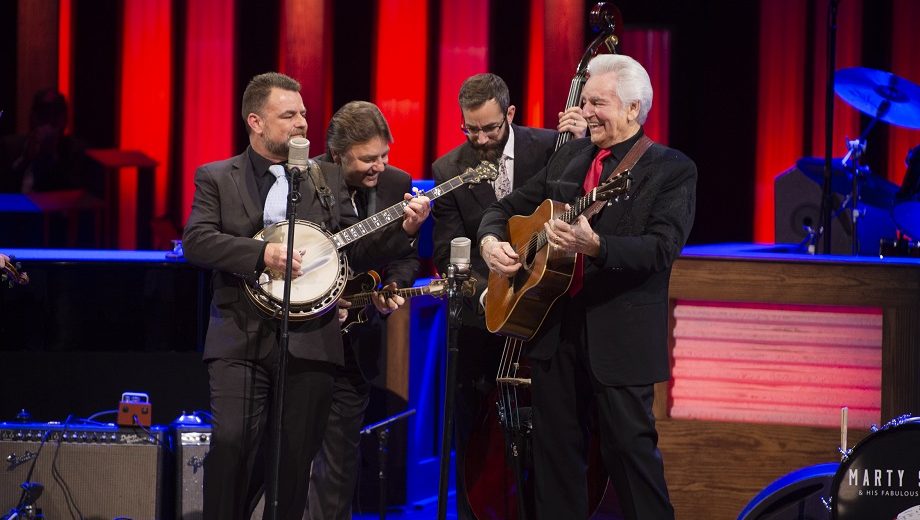
2019 was a banner year for The Del McCoury Band and The Travelin’ McCourys, Del celebrated his 80th birthday, his Opry anniversary, and DelFest conquered the mid-Atlantic once again. While 2020 is certainly off to a rockier start, the entire bluegrass world — and roots music altogether, too — are so glad to still have this legend of bluegrass making music, laughing a lot, and killing the hair game. At BGS, we’re grateful we got a chance to chat with Del backstage at the Opry last year. [Read more]
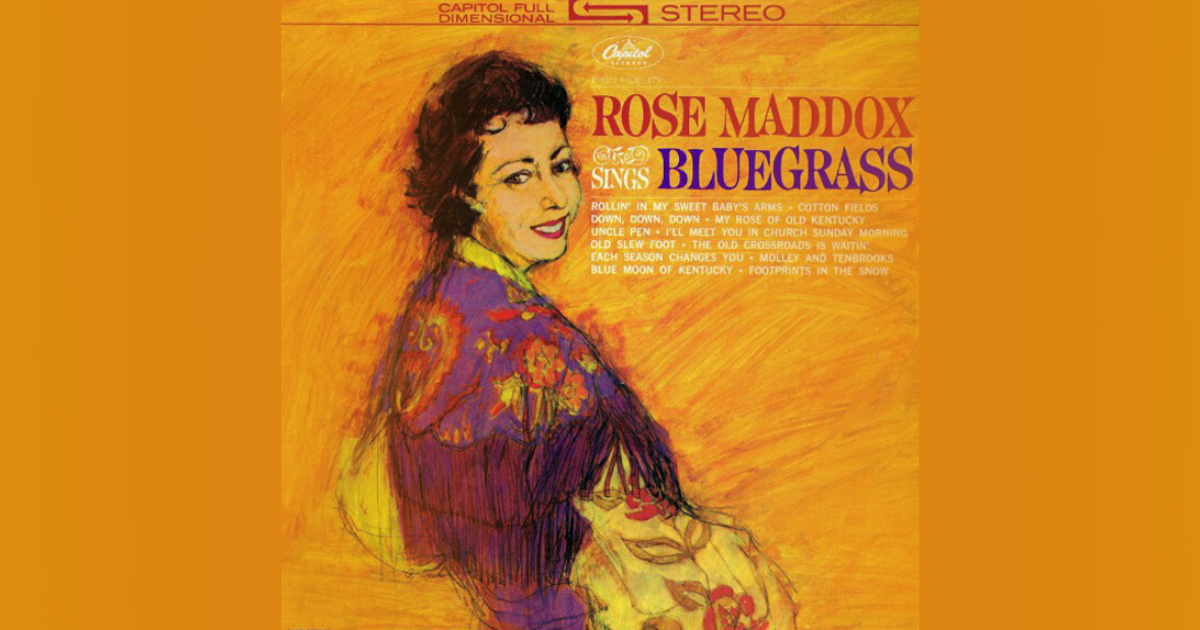
She’s not in the Country Music Hall of Fame or the Bluegrass Hall of Fame, and Hollywood has never adapted her story for any sized screen. She’s certainly more than deserving of the former — regarding the latter, you’ll just have to read our feature to see why Rose Maddox deserves to be canonized and then some for her myriad contributions to country, bluegrass, and every other genre in between. [Read about this musical pioneer]
Artist:Donna Ulisse Hometown: Hampton, Virginia Latest album:Time for Love Personal nicknames (or rejected band names): Lots of family and friends just call me “Da”, which didn’t work so well for me when we were in Russia doing some shows because da means yes in their language so I was always turning my head in big crowds, thinking someone was calling me! My band members sometimes call me by my initials: D.U.
Which artist has influenced you the most … and how?
My dad and I have always had a major crush on Loretta Lynn! From as far back as my memory will go, I have admired her sassy songs and her way of delivering them. In my world, she is and will always be the cat’s meow. It took becoming a serious songwriter to realize that I also loved her writing. When I was young I didn’t give much thought to who wrote her songs, I just simply loved them. As I matured in this business I was struck by how many of the artists I adored actually wrote their own songs and Loretta was at the top of the heap.
When I started my journey into the bluegrass genre, my first producer, Keith Sewell, hit the talkback button in the studio after we cut a song I wrote called “When I Look Back” and said he thought I wrote like a mix of Loretta and Dolly. I didn’t touch the ground for two weeks after that. What a wonderful compliment! Loretta’s influence is certainly pronounced throughout my song catalog.
What’s your favorite memory from being on stage?
This one is easy! I was 12 and I was asked to sing one song at a popular venue in Mathews, Virginia, called Donk’s Theater. The show was loosely patterned after the Grand Ole Opry, with a staff band that would help spotlight young talent and I was one of the fortunate recipients. My mom and dad were SO excited! They invited all kinds of family and friends, probably thirty or so. The week before the show dad took me out shopping; I’ll never forget it. He let me buy a Gunne Sax dress that reached the floor. I thought I looked just like Loretta Lynn. I twirled in front of my mirror for hours when I got home and used my hairbrush to practice holding a microphone.
The night of the show is still so clear. The place was packed and the spotlights were incredibly bright. I was given a generous introduction and I walked out and sang a Loretta Lynn song, “Somebody Somewhere,” to the top of my lungs. I loved it, every moment, smell, sight, clap, note… all of it. Years later, my Aunt Helen told me that my mom and dad lost all their color when my name was announced and never blinked or swallowed while I was on stage, bless their hearts. I guess I didn’t have to be nervous, Mom and Dad did that for me.
What was the first moment that you knew you wanted to be a musician?
In all honesty, I knew I would be on stage when I was very young, maybe 5 or 6 years old. I have never dreamed of another career, it was always going to be the stage for me. But if you want to know the exact moment my star was born, it would be that Loretta Lynn song I performed on the Donks stage when I was 12. I owned it and never looked back.
If you had to write a mission statement for your career, what would it be?
I’ve never been good with homework, but I believe the topic of my mission statement would be perseverance! I have never given up on my dream of performing, even through the darkest of times. I was one of the blessed when I was signed to Atlantic Records in the early ’90s. A major country deal is a huge accomplishment and much coveted. I was out in L.A. doing a Dick Clark show when I got the call that I lost my deal. It was brutal, heartbreaking. I was so lost in those days but I knew deep down there was a place for me to sing.
I turned my heart and hopes into songwriting and it saved my music life. Through songwriting I discovered the mountains that lived in my soul and I started writing Appalachian sounding tunes that led me into this warm and wonderful world of bluegrass. I am having success in this business a little late, but so very cherished and appreciated. This is the world I was always meant for and perseverance got me here!
Which elements of nature do you spend the most time with and how do those impact your work?
My husband and I bought a little farm outside of Nashville a few years ago. I’m not your typical farm girl but I love this land. It has a sweeping field that leads down to a creek and I spend lots of time watching goats and cows and all the changes that spread across the field. In the spring, vibrant yellow flowers show off the new season like a Sunday hat. In the summer there is so much purple bursting out all over the tall grasses, reminding me of an Irish hillside. In the fall there are elements that look like a harvest, like a bounty was laid there though we don’t plant anything, and in the winter the field lays there like temptation and whispers for springtime. This is where so much of my inspiration is found these days. I write about the spirit and the glory and the life that I see from my table on the porch.
I’ve had the good fortune of knowing Kentuckian country queen-in-waiting Kelsey Waldon for almost the entire time I’ve lived in Nashville — more than eight years at the time of this writing. I’ve stood over her unfathomably enormous cast iron skillet, filled to the brim with bubbling, sizzling battered fish. I’ve sung harmony on one too many choruses of “Smoky Mountain Memories” after perhaps one too many slugs of Kentucky straight bourbon whiskey with her, too.
And yet, in listening to her brand new album, White Noise/White Lines, I still found myself picking up fresh tidbits of her extraordinary yet downright ordinary approach to musicmaking, songwriting, self-expression, and artistic exploration. Waldon, despite limitless comparisons to almost every female country forebear to ever growl through a lyric, remains a paragon unto herself, a true singularity in realms of American roots music.
White Noise/White Lines cements the fact (which has always been plain as day to those who dug deep enough) that Waldon will refuse tidy, one-for-one comparisons to any/all other country stars and writers who have come before her or who count themselves among her contemporaries. Except perhaps two: Loretta Lynn — whose “Coal Miner’s Daughter” inspired Waldon’s own “Kentucky, 1988” — and John Prine. The latter is fitting, in so many ways, now that Waldon makes her label home with Oh Boy Records, label of the denizen of Kentucky songs, meat and threes, and plain spoken oracle-like wisdom through lyrics.
A brief album by many measures, White Noise/White Lines captures technicolor moments of Waldon’s life, her joys, her musings, and her homeplace, encouraging listeners to lean into the record’s brevity and engage wholly with each constituent moment therein. Because truth needs no more than a moment.
For BGS I made the trek out to Waldon’s cabin outside of Nashville and after a quick stroll around the vegetable gardens and a tour of the many Kentucky-themed decor items imported from one state north, we settled in the kitchen, sipping water out of mason jars, to talk.
People routinely refer to you as being similar to Loretta, similar to Tammy Wynette, Kitty Wells, Patsy Cline. People are constantly making these comparisons to these kind of foremothers of country and I wonder how that makes you feel, to be a bookend against someone like Loretta or Tammy Wynette?
Kelsey Waldon: Honestly, I think that’s an incredible compliment. Those are all, you know, my sisters that have gone before me, women that I’ve looked up to quite a bit. Especially in the country music realm. However, I also kind of feel like, especially with this new record, I think it’s apparent that hopefully I’m also finding quite a bit of my own thing.
Sometimes when people say things like that to me it’s like, well maybe their scope of country music isn’t that wide. When someone would be like, “You sound like Patsy Cline!” I’d be like, “Uh, no I don’t.” [Laughs] I mean, I love Patsy Cline and I hold her up as something sacred, I wouldn’t ever even sing Patsy just because nothing touches that.
I think it can kind of be, dare I say, a lazy comparison to just kind of name [some popular woman country star.] It’s definitely there. Even sonically, I was so inspired by them. Especially Loretta, absolutely.
I hope the new record showcases that with the years we’ve spent on the road — just using even my own touring band. It starts at country with me, I can’t just flip off a light switch and say, “Oh, it’s not country!” I guess some people can do that, but I don’t see it that way. Country is just so much embedded in me. No matter what form my artistic expression comes out, that’s still gonna be there. It just may not be cookie cutter, it may not be formulated. It may not even sound exactly like that. One thing that I think the growth of this record shows, hopefully, is that these are my songs, I’m not a throwback artist. I’m not a retro artist. I am an artist making music in 2019.
I did want to talk about your band, I think it’s remarkable. It’s getting more and more rare that folks tour with the folks who played on the record, because — and it’s not the fault of anybody — they’re trying to make money on the road. So if they stack their record, of course they aren’t bringing those people on tour. Why is it a priority for you to have the same band?
There are obviously all of these amazing musicians out there who are session musicians and a lot of people I’ve been fortunate enough to play with myself. I’ve learned a lot from [them]. This time around, this was always a goal of mine, to have a record that had a band I wanted on it. I worked really hard to find the band to really fit those pieces together. It took me a while… just trying to figure out really what I wanted. My last record, I’ve Got A Way, caused the right people to gravitate towards my music. I mean, I eventually found the band that I have now because they heard those earlier records and they were like, “I would love to be a part of this.”
The band I have now, which is Mike Khalil, Nate Felty, and Alec Newnam — and Brett Resnick played on the record, but he doesn’t get to play with us a lot anymore, he plays with Kacey Musgraves, which is wonderful. But with the band I have now I just knew it. I was like, “I think this is it.” We all knew it. Even Brett. People were like, “We think this is the right combination.”
In that way, too, there’s nothing wrong at all with using session players, I just think, honestly — and I might be a little biased — my band is just as good as any. I think they could, and they will be one day, they will be those session players. They care so much about their craft and they work hard. I’m very lucky.
One of the things that excites me most about this record is that I’ve always heard the bluegrass influences in your music, but they’re really forward in this record. Especially in your rhythm playing, in your rhetorical style in your writing, in your vocal phrasing, even in the arrangements with the twin fiddles and there are a couple of “fast waltzes” on the record. I love that “Lived and Let Go” really could be played on bluegrass radio.
I think that is such a huge compliment, thank you.
It’s bluegrass! I wanted to ask, and not just because we’re The Bluegrass Situation, but in general, because this is a huge part of the canon of music you reference and that you listen to. Who in the bluegrass sphere influences you now and who has in the past — and I’m gathering Ola Belle Reed is at least one of them.
I love Ola Belle, obviously, we did an Ola Belle song on the record. Well, I love that you can pick that out. To me, I feel like it’s plain as day that there’s a bluegrass influence all over it. To some people it’s not as apparent, I guess. I’ve had some people just be like, “What is this thing that you’re doing?” It’s because they don’t listen to bluegrass. I’m like, “I STOLE that!” [Laughs]
I guess I understand now why they don’t put those two together, if you’re talking about mainstream country, because that’s clearly not. But to me, I’m always like, “Of course bluegrass is country.” It’s also bluegrass, but it’s also country. It’s like the OG country music.
I would say one of my favorite influences, one of my favorite singers ever, is Dale Ann Bradley. She’s up there for me. I really think Dale Ann should be a legend, honestly. And Ralph Stanley, and obviously I love Bill [Monroe], and Jim & Jesse, and all those groups. And early Keith Whitley, I’ve been obsessed with that for a long time.
I think it’s interesting that you mention both Ralph and Keith back to back like that, because you can hear elements of both of their vocal phrasing and vocal techniques, in what you do singing-wise.
The same thing with Dale Ann. They have such unique registers of their voices and it’s something that I really relate to. Sometimes I didn’t really know what it was that I was doing. I could kind of hear my own voice in [their vocals]. If that makes sense? I could really relate to that. It’s so soulful.
I feel like Keith could sing on anything. [Laughs]He sounded exactly like Keith. That’s the beautiful thing about a country singer to me, he could sing on an R&B track and it would be sexy as hell. It’s like George Jones — and Dolly can sing on anything, as far as I’m concerned. That’s a great singer, to me. Ralph, I’ve always said that he is like the Pop Staples of mountain music. It’s like he doesn’t even have to be loud, but he is so loud. He’s barely singing. He’s just projecting. I love Flatt & Scruggs as well.
New artists… Molly Tuttle, I love what she’s doing. That new record. She’s really taking a genre and making it her own. Something that’s not worn out or tired. Doing something fresh. She has accomplished making this new for people. In my own way, I hope to do that as well.
I don’t guess there’s anybody else completely new, besides like Sister Sadie, and Dale Ann! [Laughs] They are some BAD girls!! Dale Ann, man. The mark of a true artist is that she can sing all of the covers she does. Like I said, I think Dale Ann should be a legend.
Words are clearly your priority in your songwriting. You’re prioritizing what you’re meaning to say first and foremost, then making the melody and music and everything work around what you’re trying to say. It sounds effortless when you listen to it, but I wonder what kind of intention goes into that?
Songwriting is kind of interesting to me in that way. I’ve actually heard a couple people be like, “It sounds effortless.” Sometimes, it is effortless and you’re just like, “Wow that kind of poured out of me. I didn’t realize it was in there but it poured out of me in like five to ten minutes.” With this record, though, there were definitely a couple of things I had to go back to. I had the meat and taters, but there were a couple of things I rewrote and made sure made exactly the sense I wanted them to make. There’s a balance there, too. You don’t want to kind of go too far, over-analyzing the whole thing.
With “Kentucky, 1988,” I think your songwriting up to this point has felt so personal, and so tightly intertwined with who you are, that I almost didn’t realize that you hadn’t written this exact kind of song, yet. What brought you to the point of wanting to be that direct with telling your origin story? Was it more intuitive or more purposeful?
That was definitely purposeful. That is awesome that you’ve observed that, because I’ve felt the exact same way. I was writing new songs and I felt like, “You know, I haven’t written my ‘Coal Miner’s Daughter.’” I don’t really have something that is kind of like this definitive origin story. I just set out to write it. The title was actually kind of inspired by someone I forgot to mention, Larry Sparks — one of my favorite singers.
Oh my gosh!! “Tennessee, 1949!!”
Yeah! Yeah, it was inspired by that. That and a Tom T. Hall song that has Kentucky and a year in the title, with the comma and everything. In my head all of that sounded so cool. Everything about it, the rhythmic feel, it all rolled right off my tongue great. I just had to write it. People always [say], “That’s very vulnerable and transparent.” Well yeah, isn’t that what we’re supposed to do? [Laughs]
I know a lot of artists say this, but I definitely think this is the most personal thing I’ve done so far. I think all of it has been very transparent, in a way. I want to completely embrace that. I want to be as much of a freak as I want to be. It’s not like I was afraid to before, I just don’t think that I was ready. My mom always said I was a late bloomer, but she said, “When you bloom, baby, you’ll bloom!”
I did want to ask you about the significance of the Chickasaw Nation members singing on the record. We hear them at the end of “White Noise, White Lines.” What’s the personal significance of that for you? And are you a tribal member? Is anybody in your family a tribal member?
No. All of the Rollins side of my family, which is my granny’s side, they were all of French and Native American descent, but I never claimed anything like that. I just think it’s been something that’s been such a part of where I grew up, culturally. Even just hunting for points [arrowheads] and having such a respect for that way of life and culture.
It’s always really hard to keep this story short, when people ask me about the song, because I wrote it right after this amazing experience I had back home in Monkey’s Eyebrow, Kentucky, my hometown. When I went back to watch a ceremonial dance that the Chickasaw from Ada, Oklahoma [performed]. They came to re-bless the Wickliffe Mounds. They ended up lodging at my Dad’s that night, for free, [he was] cooking the food, doing the catering and stuff. I ended up staying down there and visiting.
We just became friends with the members of the tribe. We had so much fun. They’ve kept in touch… My dad took them arrowhead hunting for the first time, and they were doing ceremonial dances out on my dad’s land as well. I think he really really was appreciative of that. We were kind of the only people who ever lived down there in those river bottoms, maybe besides [the Chickasaw]. I mean, it’s the river bottoms. That’s why we find all these artifacts. No one has been down there except us.
I just remember thinking about how awesome the weekend had been and the radio had been on white noise for literally fifteen minutes and I had no idea. I was just in this tranquil moment. The song is just a detail of all these things. The solar eclipse had also blown my mind that weekend. Just realizing how small we actually are, compared to what is even going on in this universe.
Naturally, I included the details. “Chickasaw man got a buffalo skin drum,” because Ace — Ace Greenwood and Jesse Lindsey, that’s who’s on the song — actually did have a buffalo skin drum. It was pretty badass. My dad asked them to sing some songs on the porch. I love Ace’s voice, it reminds me of Ralph Stanley. It’s a voice that just feels like it’s been there for a long time. It’s so pure. I just loved it, I was really touched.
He sang a song that had been in his family for generations. The message of the song was basically, “Though I’m far away I’m still near you. No matter where I am. We are together.” In that moment that really was something I needed to hear. I put that [on the record] not only because I thought it was beautiful, and I wanted people to experience what I felt, but I also wanted the record to feel like an experience.
Ace told me one time when we were down there that the media likes to tell his people who they are and that’s not who they are. I think in a way, perhaps it’s also why I thought it would be really beautiful to have that at the end as well. I hope it doesn’t seem like it was for my own reasons, I guess. I was just writing about that weekend and I felt like it was so beautiful to me I wanted it to be documented.
I think it makes a lot of sense. And I’m not saying it’s not a complicated thing to talk about, or that it doesn’t trip into some territory that we as settlers will never fully understand, but I do think that it follows perfectly with you bringing your whole entire self to your music. So much of what you do is tied to place and is tied to coming from Kentucky.
That was another part of it, showcasing where I’m from. And the cultural background of it.
And not just the colonial background of where you’re from?
No. I mean absolutely not. To me, that’s exactly how I saw it. Nail on the head. It might cause a little bit of question, but I think that’s good. ‘Cause then I’ll get asked about it. And then I’ll tell ‘em. [Laughs]
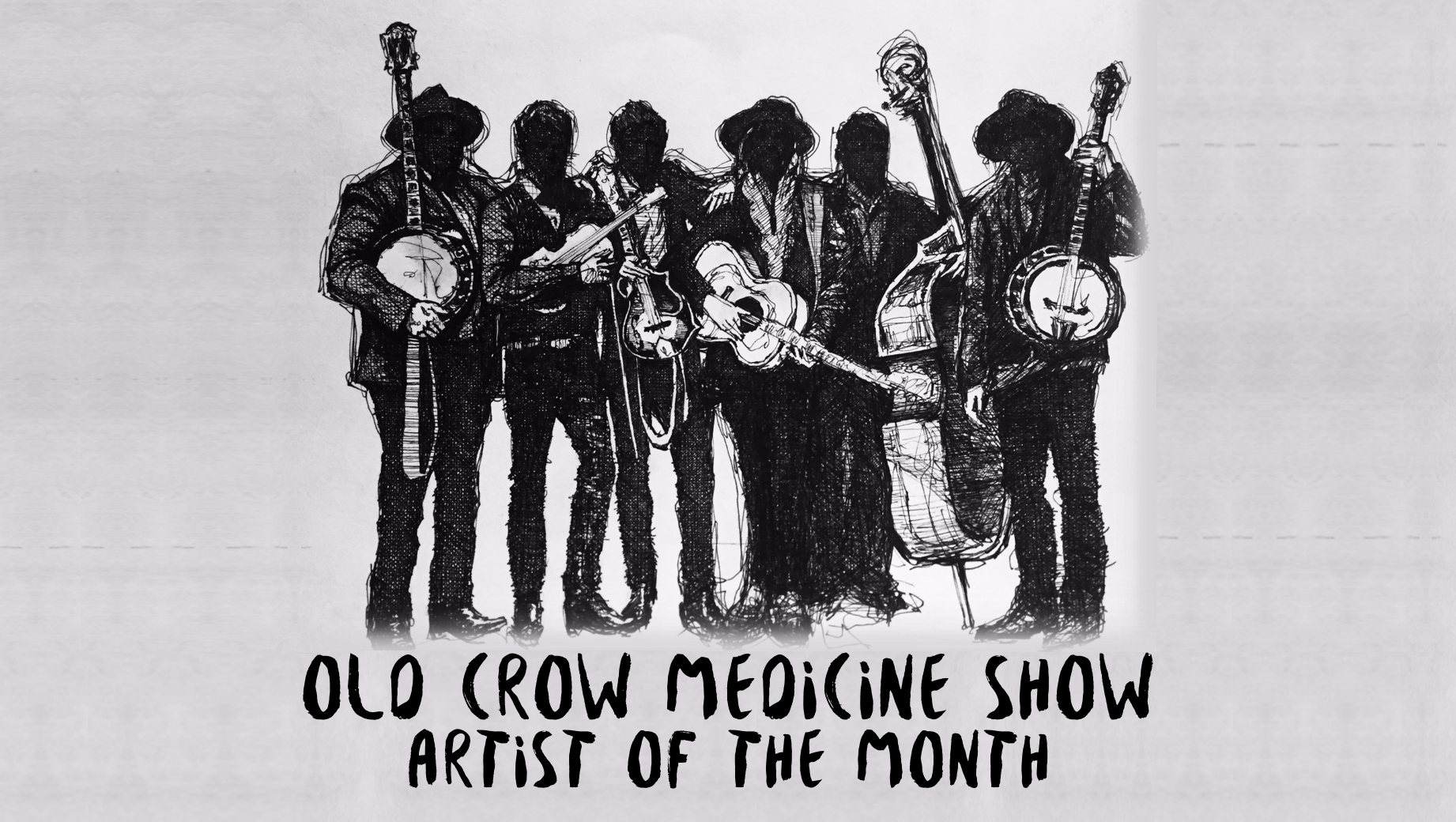
I can still remember the first time I saw Old Crow Medicine Show live. It was a sweltering summer night in Nashville around 2008 (back before the bachelorettes and Bird scooters) and they played from a massive barge moored at Riverfront Park. The thing was huge — far too big for six skinny street musicians to budge — but I swear it moved while they stomped and hollered, the Cumberland rolling by lazily behind them.
I was familiar with the band and already loved the unapologetic mix of tradition and edgy intensity, but that live show was revelatory. It gave me a new appreciation for the sense of community Old Crow was trying to forge, so it’s always surprised me that they didn’t record live albums. That has finally changed with this month’s release of Live at the Ryman.
Backstage at the Grand Ole Opry House on another hot summer night, front man Ketch Secor spoke with BGS about the project, why Old Crow is just now getting around to a live album, and what their style of music needs most right now.
BGS: Part of the idea of this album is that Old Crow has played the Ryman over 40 times. For a band that started out busking in the Northeast, how does it feel wrap your head around that?
Ketch Secor: Actually, I wish I had a real count because Lord knows I’ve played there more than 40 times. I think that’s how many times we’ve headlined, but if you add them all up I bet it’s a triple-digit number. We’ve been openers there for Dolly Parton back in 2002 for, like, a daytime show. We’ve done a lot of film and television there, all kinds of awards shows. It always felt like the place to shoot for — it’s the moon, the Ryman Auditorium, and we were always a shoot-for-the-moon kind of band because we figured “Well, we’re not supposed to be here anyway, so we might as well try and go as far with it as we can.”
You self-released one live album in 2001, and then nothing else until now. Why did it take 18 years to do another, since the live show has always been the foundation of what you guys do?
Oh, I think because we’ve always tried to put out a new studio record every couple of years, and here at the 21-year mark it’s probably time to start doing exactly what we feel like doing.
You haven’t been doing that the whole time?
Nah, not with those studio records. There’s a lot of stuff you’ve gotta do. Yeah, we always did it “our way” in the fact that we always played our own music. But just being in the music business means doing it everybody else’s way.
So you had to make a few compromises here and there?
Oh yeah, there was a lot of playing the game in ways that never seemed to pan out, but it never stopped us. That was just the way it was, and we were impressionable, so that’s what we did. We did it the way we were advised to do it.
Can you elaborate a little?
Like playing Napster. Doing shows for radio programmers in L.A. who never played us. Trying to make videos for CMT that were never in rotation, ever. …Opening up for Carrie Underwood at [Country Radio Seminar], it’s like, “What were we doing there?” Those guys, they might have liked it, but they were never gonna play it. And I don’t care if they like it, I want them to fucking play it, or I don’t want to play that show.
So now that you feel freed up to do it your way, what’s that look like?
Live at the Ryman. Here we are singing a Merle Travis song! Here we are singing our songs or selling popcorn and tickets and people brought their buck-dance shoes! I mean, we’ve set beer records at the Ryman. I’d rather sell beer at the Ryman than sell records! …I’d rather sell beer at the Ryman than digital streams! What’s the fun in that?
“Tell it to Me,” “Methamphetamine,” those are interesting songs to present because rural America has a new drug problem going on with opioids. Why is it important for you guys to sing songs like that, especially at the Ryman?
Well, “Tell It to Me” was recorded in Johnson City in 1928 I think. The band that brought that song to the studio had been an original backing band for Jimmie Rodgers… Anyway, I’m just saying this because if you like country music, you should probably know that drug songs have been part of the canon since recording studios first illuminated a red light bulb and said, “You’re on.”
I don’t think people do know that. We’re just now starting to get radio songs with pot references that people don’t flip out over.
Yeah, I mean it was blow in the ‘20s and now it’s pot in the 2010s. And then “Meth” is a really different kind of song because it’s more topical. We recorded it a long time ago but it seemed important to bring it back and revamp it, make it more intense, and Charlie Worsham plays some really great electric guitar on it. It just feels like it’s knocking on your door, like a hurricane.
Tell me about doing “Louisiana Woman, Mississippi Man” with Margo Price.
We were down in Oxford, Mississippi, doing a show with Margo. She was opening up for us down there near Ole Miss, and we were looking for a song that seemed to fit, so we tried that one. Our duo thing felt really good, and I feel like I’m a little bit in the Conway range — and she’s definitely in the Loretta range — so it worked out pretty good. We heard the playback we thought it sounded great so we wanted to put it out. I saw her at the grocery store the other day and she said she loved it.
Why did you include a song like “C.C. Rider,” which has Lee Oskar playing harmonica?
I really love his band War. We did “Lowrider” onstage at the Ryman, too, maybe that will come out on Volume 2. But what I really loved about that moment on the Ryman recording is that it has twin harps. You know the old guys don’t have their pictures up here [gestures at photos of Opry stars on the dressing room wall]. …But the story of the twin harp playing of the Crook Brothers — Herman and Louis Crook — lives a long time, because Herman and Louis lived, like, into their 90s. What they were great at was two harmonicas playing in unison.
That’s interesting. In your music you’re often looking to the past for inspiration, but what do you think is the future of string bean …. er, string band music, Americana?
You just answered it, man. We need a new Stringbean. Nobody’s acting like that and that’s what’s missing. Who’s gonna be the clown? What happened to the kind of entertainment that’s self-effacing? Everybody on this wall loves the clowns, but none of them are. They’re “the vocalists” and we’re supposed to take them seriously. I’d love to see this genre — whether it’s country or Americana or whatever — just not take itself so damn seriously. Let’s just have a grand ole time. Let’s poke some fun at each other, and especially at ourselves. I’d love to see that.
This website uses cookies to improve your experience. We'll assume you're ok with this, but you can opt-out if you wish.AcceptRejectRead More
Privacy & Cookies Policy
Privacy Overview
This website uses cookies to improve your experience while you navigate through the website. Out of these, the cookies that are categorized as necessary are stored on your browser as they are essential for the working of basic functionalities of the website. We also use third-party cookies that help us analyze and understand how you use this website. These cookies will be stored in your browser only with your consent. You also have the option to opt-out of these cookies. But opting out of some of these cookies may affect your browsing experience.
Necessary cookies are absolutely essential for the website to function properly. This category only includes cookies that ensures basic functionalities and security features of the website. These cookies do not store any personal information.
Any cookies that may not be particularly necessary for the website to function and is used specifically to collect user personal data via analytics, ads, other embedded contents are termed as non-necessary cookies. It is mandatory to procure user consent prior to running these cookies on your website.