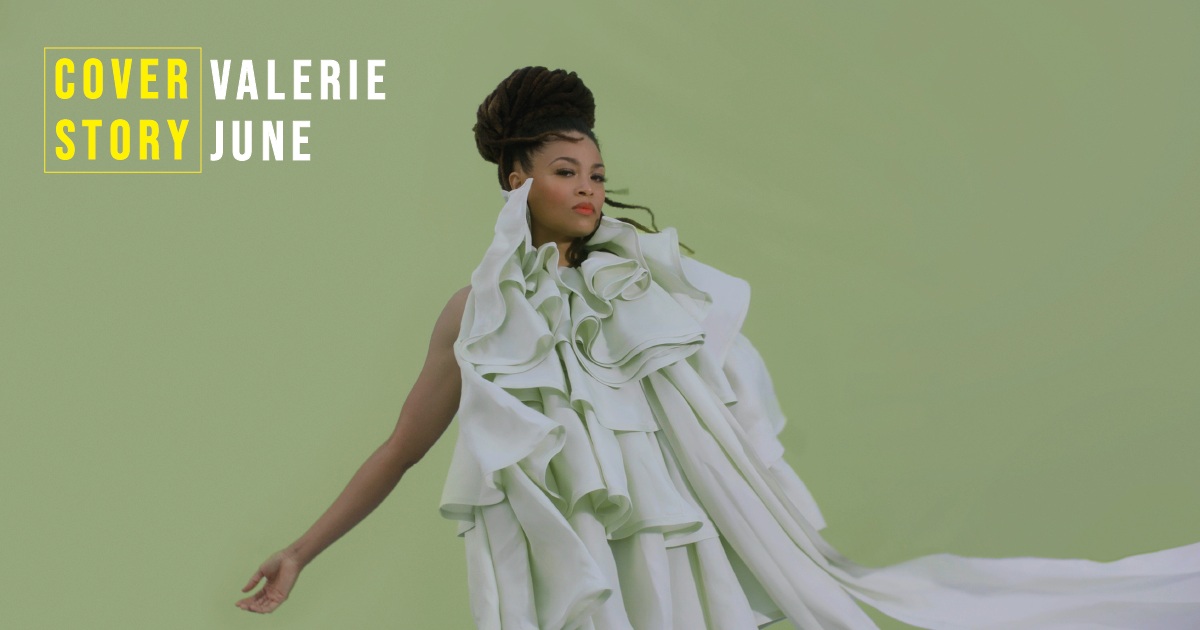
Some Stardust Realm: A Q&A with Grammy Nominee Valerie June

Valerie June is in New York today, which means she’s not in Tennessee. When she’s not on the road, the singer-songwriter splits her time between the Big Apple and Humboldt, a small town of 8,500 souls nestled in the northwest corner of the Volunteer State. Known for its annual Strawberry Festival, it’s equidistant from the country music capital of Nashville and her beloved Memphis, but more crucially, her family lives there. “My mom is there, my whole family, and I still have my little room with all my stuff, a closet with all my old outfits and instruments.”

Humboldt is an oasis, where she can escape the city and see something besides concrete and skyscrapers—a place that feels like home. “Tennessee has that very specific personality to it, and sometimes I just don’t want to leave. And I still get down to Memphis or over to Nashville. Nashville is such a booming city, but Memphis is still a little sleepy. That can be great, but it can be bad because you just get so comfortable. There’s really not much push to go and do and explore more than just enjoying life.”

Big or small, famous or not, urban or rural, all of these places inform the music Valerie June makes, especially her most recent album, 2021’s breezily philosophical, buoyantly bluesy, unabashedly optimistic The Moon and Stars: Prescriptions for Dreamers. Those prescriptions, as she calls that round of songs, blend cosmic country with earthy R&B and churchly gospel into a sound that is familiar yet idiosyncratic, as though no one but Valerie June could have written, arranged, or sung these songs. She even brings in two of her Memphis heroes—soul-folk-in-action icon Mavis Staples and Carla Thomas, best known for a string of Stax hits (including “B-A-B-Y”) and for holding her own against Otis Redding.

As she explains, these songs may be grounded in place, but they’re all about dreaming yourself elsewhere—about dreaming as the foundation for a social movement. That idea took on new poignancy during the pandemic, when society seemed to be fraying at the edges, but it turned The Moon and Stars into Valerie June’s breakout album, landing on numerous year-end lists and earning her numerous Americana Music Award nominations as well as a Grammy nomination (her first) for the Best American Roots Song.

For its one-year anniversary, Valerie June added more prescriptions to The Moon and Stars, including new acoustic tracks and covers of songs by Nick Drake (“Pink Moon”), Stephen Foster (“Beautiful Dreamer”), and John Lennon (“Imagine”). In her small studio in her New York apartment, Valerie June sat down, guitar in hand, to speak with The Bluegrass Situation about visiting her different homes, singing with her heroes, and dreaming up a new movement.

BGS: There’s a distinct Memphis flair to this album, especially with the great Carla Thomas on there.

Yes! And Mr. Lester Snell did the string arrangements on this record. He’s an older gentleman who worked with Al Green and Isaac Hayes, Keith Richards, Margo Price, all kinds of people. Yesterday I had this little moment… A lot of times I can be down on myself. Man, I really went wrong there! I’ll just count up my failures. But yesterday I had a day where I was counting my blessings. Oh my god, Carla Thomas is on a record with me! That’s a victory. I’ll take it.

Did the pandemic make her or Mavis hard to get on the record?

I’d already captured “Call Me a Fool” with Carla, and Mavis said she wanted to do the song “Why the Bright Stars Glow.” We were gonna be in the studio together and everything, but when the pandemic hit that March, the world just stopped and she couldn’t do anything. I was even sculpting these ideas—like, could we send some studio engineers over to her house? Get everybody tested and just put the microphone through the mail slot? But it didn’t work, and we had to put the record out without her. But my manager said it was an extra long album cycle due to the pandemic and would I like to do something with some more songs? So, we were able to finally get Mavis. She’s a real saint. Saint Mavis.

Do you remember the first time you heard Mavis or the first time you heard Carla?

Mavis was part of the family growing up. She was like Cousin Mavis. My father would take us on family road trips, and the Staple Singers were always one of the first CDs that he played. And we would all sing along. There were five kids in our family, and everybody had their part.

And I knew Carla’s songs, but I didn’t know they were from her until I moved to Memphis and started studying Memphis music. You can’t live in Memphis without studying Memphis music. It’s everywhere. One year she played the Cooper-Young Festival, this small neighborhood event in Memphis, so I went down and saw her perform. She didn’t perform very much, but she was a star! She was just such a powerhouse, a joyful spirit like Mavis. Maybe that’s what happens when you get to record for Stax!

Can you tell me about the two titles for the album? When it was released last year, I wondered if the whole dream concept was rooted in that pandemic experience.

It was. And the reason why I added The Moon and Stars is similar. I wrote down the moon because the moon was with us every time Jack and I went into the studio. We didn’t plan it that way, but it was the week of a full moon. So, every night we’d enter the studio under a full moon. I wrote down Moon as a title, but I felt like there should be something more. Our last day in the studio, I walked out and there were three shooting stars crossing the sky. Okay, The Moon and Stars! But I still felt like there should be something more.

When the pandemic hit, I thought, our hearts are breaking. They’re breaking for so many reasons—racism, sex discrimination, age discrimination, so many issues. I saw the visions of people like Dr. King and people who’ve been pushing for change—even Mavis and Carla, two people who’ve seen all of these hard times. Carla has seen so much happen in that awesome city of Memphis. She’s seen it change and flip. I was listening to stuff like “A Change Is Gonna Come” and “Respect” and all of these movement songs. All of a sudden this clarity came over me. We can dream and hope for the future, and maybe we just need a prescription. We need a movement.

How do you mean?

There’s a lot of movements happening right now, but if I were to start a movement, what would I want it to be? I want it to be very loving and very hopeful and very positive. I want it to embrace all of humanity and sculpt a more harmonious and beautiful planet. Every movement needs songs. It needs its own “Change Is Gonna Come.” It needs something that will give you hope to open up your wishful mind and use your imagination. That’s what these songs are. They’re very ethereal. They put you in mind of some fantasy, some stardust realm where we look up at the stars and feel enamored. All of this is possible, but we’re drawing from the same cycles of trauma and oppression. It was all some deep thoughts.

So much has happened in the year since the album was released. Has your relationship to the songs changed during that time? Have they revealed new meanings or new implications?

They have changed. I put out the original version with arrangements that I created with Mr. Lester and Jack Splash, and now I’m releasing the new version with some acoustic songs, which have more fiddle and banjo. It was a musical chain, and I love it so much because it shows how songs can live in different realms. I love the beauty and evolution of a song. That’s what I’ve been experiencing with this record, because of the long album cycle. And when we do go on tour, that’ll be another evolution as we go from produced record to stripped-down acoustic versions to the live sound. They’re gonna keep growing and changing.

I like that about covers, too. I’m a songwriter, but I didn’t learn how to play technically. I just play to my own voice when I cover something. I can’t really do it like the original artist did it because I don’t know how to do that. You know, we lost Nick Drake a long time ago, but “Pink Moon” still lives with every person who sings it. It takes on a new character. So, the songs outlive the singer. It can go further and further and further.

The three cover songs on the new version seem to extend that dream theme. Was that planned?

When I was choosing the covers, I wanted songs that either worked with the theme of moon and stars or the theme of dreaming. It had to have “moon” or “dream” in the title. That’s how I chose “Beautiful Dreamer” and “Pink Moon.” And “Imagine” is one of those songs that sums up the record in a lot of ways. John Lennon had this dream for humanity.

And you also did “Summer’s End” on the recent John Prine tribute, Broken Hearts & Dirty Windows Vol. 2. How did that come about?

His label and his team, they know how much I love John. I love his music, and I got to tour with him and sing with him onstage. It was such a high point in my life. And they sent me a letter asking if I wanted to cover that song. And while I was singing it, I started wondering if the reason they asked me to do that song was because it goes [sings] “The moon and stars hang out in bars, just talking, and I still love that picture of us walking.” I was like, What? It was so perfect. I absolutely adore that song and sing it quite a lot on the road.

I wanted to ask about the Grammy nomination. Well, I don’t really have a question, just a congratulations.

Thank you. And thank you on behalf of Carla, too, because it’s huge for both of us. We were nominated for Song of the Year at the Americana Music Awards, and she came up from Memphis to sing with me at the Ryman that night. And she received the Lifetime Achievement Award for Inspiration. Is she not an inspiration to everybody! She was interviewed for the Memphis paper and she said the only thing she wanted was to be nominated for a Grammy. And now look at her!

That must feel good, to take somebody who is a hero and introduce her to a new generation of fans.

It’s true! Sometimes I wonder why we didn’t get her an achievement award sooner. Why does that happen with our elders? They’ve contributed so much and made it so we can be here. That’s what happened with John Prine toward the end of his life, and all the awards and appreciation meant so much to him. I think we need to thank people like John and Carla and Mavis for what they’ve given us. I was grateful for the Americanas and the Grammys for honoring and appreciating this beautiful star, this Queen of Memphis Soul.


Photo Credit: Renata Raksha
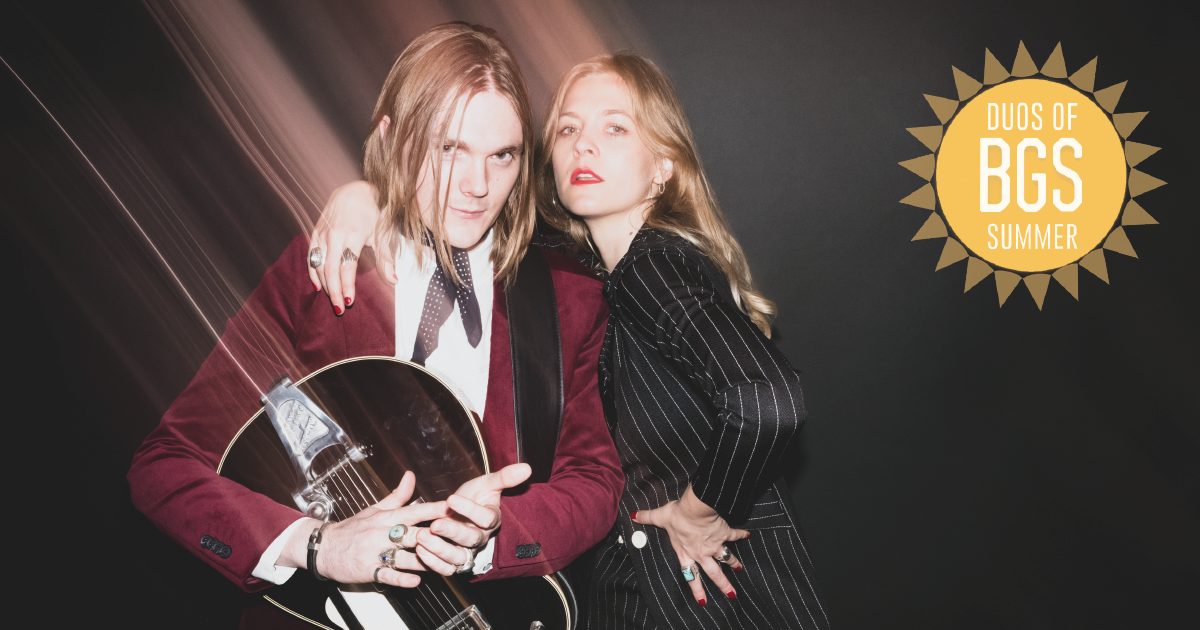
BGS 5+5: Ida Mae

Artist: Ida Mae
Hometown: Nashville / London
Latest Album: Click Click Domino (out July 16, 2021)

What was the first moment that you knew you wanted to be a musician?

As a kid my dad had a load of music documentaries on VHS. I can remember watching one on Jimi Hendrix which opens with Pete Townsend talking about Jimi Hendrix’s performance at Monterey Pop Festival… the film then begins with Hendrix storming into “Rock Me Baby” at Monterey Pop, a Stratocaster and fuzz pedal plugged in to a Marshall stack. I can remember getting shivers from my head to my toes! I remember also being fascinated by the guitar, I’d go to my posh mates’ houses and would stare into their music rooms and silently look at their guitars like they were strange, rare holy relics.

What’s your favorite memory from being on stage?

Joining Willie Nelson and Alison Krauss on stage was an incredible moment and an honor that we’ll never forget.

What other art forms — literature, film, dance, painting, etc. — inform your music?

We love film but in particular for me photography plays a big part in how I visualize my songs. I love the work of Garry Winogrand, William Eggleston, Martin Parr and Stephen Shore to name a few. I very often have a place or time in the back of mind when I’m writing, even if its not explicitly mentioned in the lyric and I find photographs are able to open up and inform all sorts of creative decision making and lead ideas.

Since food and music go so well together, what is your dream pairing of a meal and a musician?

We’d like to share a tube of Pringles with Bob Dylan. Maybe a trifle with Mavis Staples? Oooh or share a Twix with Richard Thompson.

How often do you hide behind a character in a song or use “you” when it’s actually “me”?

Fantastic question. I think persona plays an incredibly important part of what any artist does. It allows you to inhabit characters and roles as almost as an actor. It’s important for the self preservation of the artist to make the distinction between the picture they choose to paint and their personal lives. As a songwriter, things can get very self-indulgent and self-obsessed and that gets tedious after a while. I often imagine painting myself into some sort of impressionist’s painting… it’s you almost, but the lines are blurred and reality is more based in what’s on the edge of your conscious mind, in raw emotion and letting the story play out in the atmosphere you create sonically and poetically. Every song is relatable to us in some way, sometimes they are incredibly personal and other times they’re explorations of the way you were feeling at some point in your life… and sometimes it’s just fun to play with words!


Photo credit: Joe Hottinger

The Show on the Road – Bettye LaVette

This week on The Show On The Road, we feature an intimate conversation with beloved soul and R&B singer, Bettye LaVette.

LISTEN: APPLE PODCASTSSPOTIFYSTITCHER

Covering her remarkable six decades in show-business, we dive deep into LaVette‘s beginnings as a Detroit hit-making teenager during Motown’s heyday (her neighbor was Smokey Robinson), to her early career touring with Otis Redding and James Brown, and the hard times that followed, as a music industry steeped in racist and sexist traditions largely turned its back on her.

While other soulful song stylists like Sharon Jones, Tina Turner, Mavis Staples and others saw their status and popularity rise with time, LaVette remains an underrated, best kept secret on the Americana circuit, with younger listeners just discovering her remarkable work covering anyone and everyone from The Beatles to Neil Young to Billie Holiday.

After nearly dropping out of music, her remarkable comeback began in 2005 with a string of acclaimed records — bringing her from half-filled bars to singing “Blackbird” at The Hollywood Bowl with a 32-piece orchestra, being nominated for five Grammy awards, and being inducted into the Blues Hall of Fame.

One thing you’ll notice immediately is her fiery laugh, which punctuates the episode — even when telling the darkest stories, like her early manager getting shot and her 1960s hits being recorded by white artists, leaving her versions largely forgotten. Her Grammy-nominated newest LP Blackbirds, produced by legendary drummer Steve Jordan, shows her at her most vulnerable best.


Photo credit: Mark Seliger

WATCH: Miko Marks, “Hard Times”

Artist: Miko Marks
Hometown: Flint, Michigan
Song: “Hard Times”
Album: Our Country
Release Date: March 26, 2021
Label: Redtone Records

In Their Words: “This is our arrangement of an 1854 song by Stephen Foster. Those who know about Foster’s involvement with minstrel shows earlier in his life may wonder why I would include a song of his on my album. Much of his success came through the appropriation of Black culture and music, and for me this felt like an opportunity to take a song of his and reclaim it through my own voice as a Black artist. It was also a way for me to pay tribute to Mavis Staples, whose arrangement of this song is absolutely gorgeous. The lyrics also have particular significance that I think everyone can relate to because of the hard times we’ve been going through this year. I love the melody and the mood. It’s sweet, sad, and hopeful all at the same time.” — Miko Marks


Photo credit: Beto Lopez, Mooncricket Films

2021 Grammy Awards: See Nominees in American Roots Field

The 2021 Grammy Awards finalists were revealed on Thursday, November 24. Here are the nominations in the American Roots field:


Best American Roots Performance

Black Pumas, “Colors”

Bonny Light Horseman, “Deep in Love”

Brittany Howard, “Short and Sweet”

Norah Jones & Mavis Staples, “I’ll Be Gone”

John Prine, “I Remember Everything”


Best American Roots Song

“Cabin,” Laura Rogers & Lydia Rogers, songwriters (The Secret Sisters)

“Ceiling to the Floor,” Sierra Hull & Kai Welch, songwriters (Sierra Hull)

“Hometown,” Sarah Jarosz, songwriter (Sarah Jarosz)

“I Remember Everything,” Pat McLaughlin & John Prine, songwriters (John Prine)

“Man Without a Soul,” Tom Overby & Lucinda Williams, songwriters (Lucinda Williams)


Best Americana Album

Courtney Marie Andrews, Old Flowers

Hiss Golden Messenger, Terms of Surrender

Sarah Jarosz, World on the Ground

Marcus King, El Dorado

Lucinda Williams, Good Souls Better Angels


Best Bluegrass Album

Danny Barnes, Man on Fire

Thomm Jutz, To Live in Two Worlds, Vol. 1

Steep Canyon Rangers, North Carolina Songbook

Billy Strings, Home

Various Artists, The John Hartford Fiddle Tune Project, Vol. 1


Best Traditional Blues Album

Frank Bey, All My Dues are Paid

Don Bryant, You Make Me Feel

Robert Cray Band, That’s What I Heard

Jimmy “Duck” Holmes, Cypress Grove

Bobby Rush, Rawer Than Raw


Best Contemporary Blues Album

Fantastic Negrito, Have You Lost Your Mind Yet?

Ruthie Foster Big Band, Live at the Paramount

G. Love, The Juice

Bettye LaVette, Blackbirds

North Mississippi Allstars, Up and Rolling


Best Folk Album

Bonny Light Horseman, Bonny Light Horseman

Leonard Cohen, Thanks for the Dance

Laura Marling, Song for Our Daughter

The Secret Sisters, Saturn Return

Gillian Welch & David Rawlings, All the Good Times


Best Regional Roots Music Album

Black Lodge Singers, My Relatives “Nikso Kowaiks”

Cameron Dupuy and the Cajun Troubadours, Cameron Dupuy and the Cajun Troubadours

Nā Wai ʽEhā, Lovely Sunrise

New Orleans Nightcrawlers, Atmosphere

Sweet Cecilia, A Tribute to Al Berard


Photo of John Prine by Danny Clinch

Americanafest Prepares Thriving Roots: A Virtual Community Music Conference

Although in-person plans for Americanafest are on hold this year, fans of roots music can still take part in celebrating the music, no matter where they are.

From September 16th to the 18th, Thriving Roots: A Virtual Community Music Conference will host intimate conversations between pairings you won’t find anywhere else.

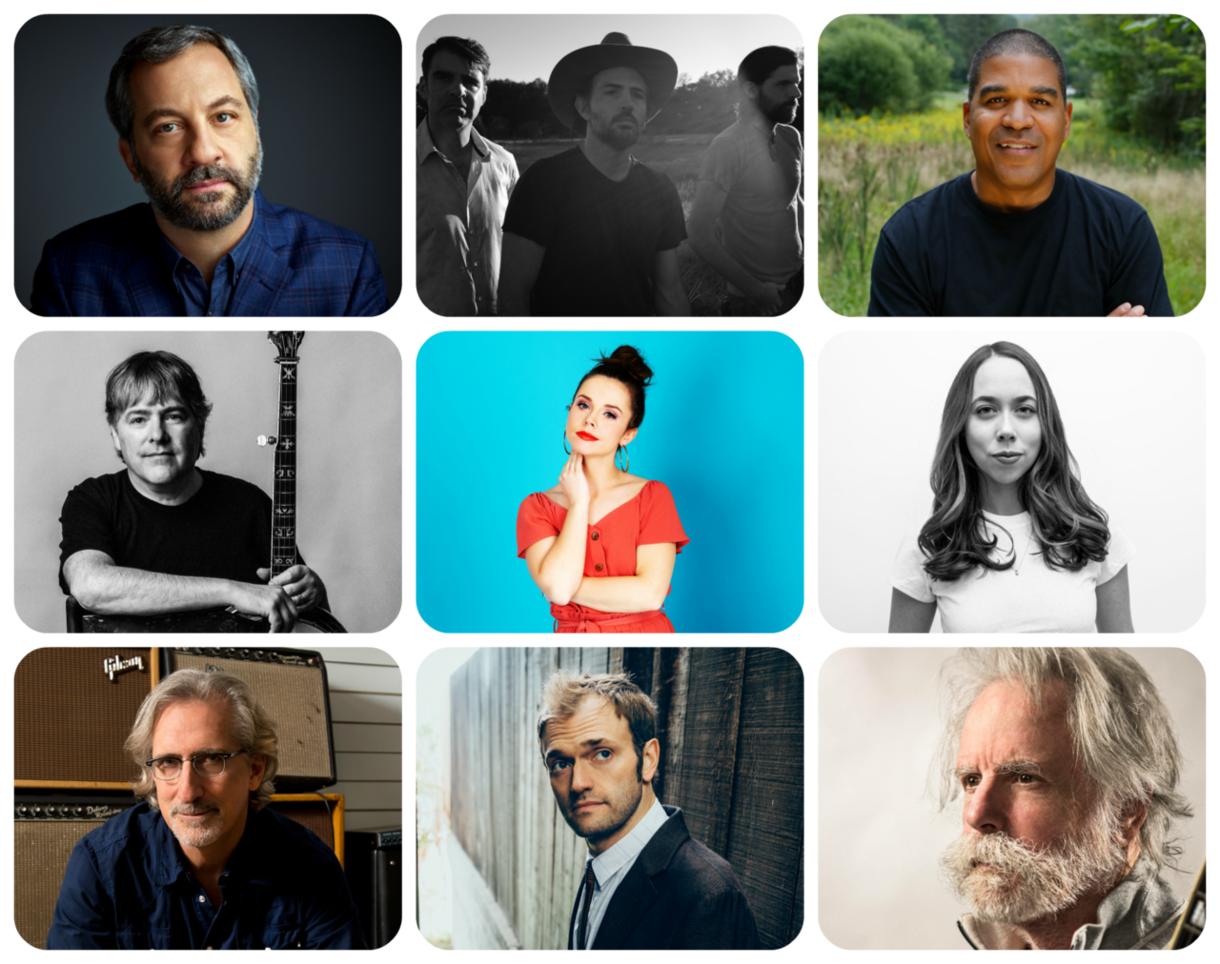
In August, the Americana Music Association Foundation (AMAF) revealed programming featuring director Judd Apatow in conversation with The Avett Brothers; Bob Weir with Oteil Burbridge; Béla Fleck with Sierra Hull; and Sarah Jarosz with John Leventhal and Chris Thile. The latest programming information also includes talks on empowering today’s creatives, developing streaming strategies and musicians in recovery.

https://www.instagram.com/p/CD1R4d_BUzV/

Apatow will sit down with The Avett Brothers to discuss the intersection of film and music, as well as the fine line between fine art and commerce. In 2017, Apatow co-directed the band’s critically acclaimed documentary, May It Last: A Portrait of The Avett Brothers. Since then, The Avett Brothers have released their new album, The Third Gleam.

The music that fans know and love from their favorite artists simply wouldn’t exist without the innovative musicians who came before them. Weir will sit down with fellow Dead & Company member Burbridge as they explore the inspirations and influence Black musicians have had on the Grateful Dead.

Now more than ever, musicians continue to push and blur the confines of genres to create the art they want to make. Fleck and Hull will speak to how roots music transcends and connects with a wide range of audiences during “Music Without Boundaries.” When it comes to creating that art in the studio, a producer’s ability to understand an artist’s vision is an integral part of the creative process. Moderated by Thile, Jarosz and Leventhal will delve into the connections forged between the artist and producer evident on her latest project, World on the Ground.

Additional new programming includes “Independent Control: The Power of Collaboration,” an inside look into how Americana industry professionals are empowering their independent artists to retain full creative control and the benefits of assembling a hand-picked team. Moderated by Jessica Nicholls (Metropolitan Groove Merchants), this discussion will include Blair Clark (Brooklyn Basement Records), Maria Ivey (IVPR) and Michelle Szeto (Paquin Entertainment Group).

In the streaming era, an abundance of digital resources can be found at the fingertips of industry and artist professionals, but how does one optimize those helpful tools? Led by Mike Fabio (New West Records), “Building a Streaming Strategy in 2020” rounds up Charles Alexander (Systemic), Margaret Hart (YouTube), Margaret Jacobi Lee (AMFM Management), Laura Ohls (Spotify) and Amy Wright (DittyTV) for a talk on developing real-world strategies that lead to increasing listenership and growing a solid fanbase.

Presented by Promises Behavioral Health, “The Show Must Go On: Musicians in Recovery” will find artists Phil Bogard and Jaime Wyatt in conversation with Shireen Janti (MusiCares) and Shane Ramer (That Sober Guy Podcast) about the road to recovery while offering how to find treatment and how others can take practical steps toward becoming a sober creator.

https://www.instagram.com/p/CDRhNsvBq-n/

Previously announced Thriving Roots programming includes intimate conversations between Brandi Carlile and Yola; Emmylou Harris and Ken Burns; and Jackson Browne and Mavis Staples. Rosanne Cash will bring together Ry Cooder, Angela Davis, Bonnie Raitt and Alice Randall for “Love and Vigilance,” a look at the history of protest music.

Moreover, RIAA Chairman/CEO Mitch Glazier and COO Michele Ballalynte will share an update on the music industry during “Record Setting” while looking at current trends and sharing their outlook. There will also be artist-friendly songwriting workshops and case studies like Mary Gauthier’s “Accessing the Universal in Your Songs: Mercy Now,” Taj Mahal’s “Music Is the Healing Voice” and an artist development breakdown with Black Pumas.

With over 50 panel discussions and more than 40 special events filled with music, Thriving Roots will bring the Americana music community together from across the world for three full days of engaging insight from its top industry professionals and leading artists.

Adding to the slate of artist conversations music fans won’t want to miss is Linda Ronstadt offering a behind-the-scenes look at Linda and the Mockingbirds, a new documentary that chronicles her 2019 journey with Jackson Browne and Mexican-American song and dance troupe Los Cenzontles to her grandfather’s hometown in Mexico, resulting in a tale of immigration, family and music. Moderated by esteemed journalist Randy Lewis, attendees will be able to watch the film screening and hear insight from the musical icon alongside the doc’s producer/director James Keach and Los Cenzontles founder Eugene Rodriguez.

https://www.instagram.com/p/CE95F1chNOY/

The Lumineers’ Jeremiah Fraites and Wesley Schultz will sit down with renowned filmmaker M. Night Shyamalan for an engaging discussion on the importance of retaining creative control of your art. In addition, Kathleen Edwards will speak with acclaimed Program Director Rita Houston (WFUV) about her new album Total Freedom, which marks her triumphant return to music after an eight-year hiatus from the business.

The common threads and differences of the Americana and country music worlds will be explored during “Ladies, Your Roots Are Showing,” presented by Change the Conversation. Moderated by CTC co-founder Tracy Gershon with freelance music journalist Marissa Moss, this panel session rounds up Brandy Clark, Tanya Tucker and Lee Ann Womack to share how they’ve been able to successfully navigate both worlds while maintaining their artistic integrity. They’ll also reveal the challenges and memorable moments they’ve experienced during their respective careers.

Reigning Legacy of Americana Award (co-presented by the Americana Music Association and the National Museum of African American Music) recipient Rhiannon Giddens joins NPR’s Ann Powers and the legendary Taj Mahal to discuss the theme of “Music is the Healing Voice.”

https://www.instagram.com/p/CEpIcpMhsZ-/

Music buffs should also tune into a special virtual edition of “Songlines Music Meeting,” an Americanafest fan-favorite. Sean Coakley and Leslie Rouffé will once again invite listeners to hear mostly unreleased tunes and score them during the live session, leading to a discussion on how music programmers in various media formats select the songs they feature.

Aside from plenty of educational and networking opportunities, Thriving Roots attendees will have a chance to unwind and recharge with immersive virtual events and lifestyle breaks. Valerie June will walk folks through a guided meditation that explores how to center oneself using ancient teachings. Big Machine Label Group will spotlight The Cadillac Three, Sheryl Crow and Ray Wylie Hubbard with some must-see musical performances.

During “Aw Heck: An Oh Boy Music Break,” join the late John Prine’s own record label Oh Boy Records for a celebration of their talented roster which includes Tré Burt, Arlo McKinley, Dan Reeder and Kelsey Waldon. For “Come Hear NC,” experience the rich music of North Carolina featuring Hiss Golden Messenger, Jim Lauderdale, Mandolin Orange, Steep Canyon Rangers and more.


Pictured above in composite: Top Row (L-R): Judd Apatow, The Avett Brothers, Oteil Burbridge; Middle Row: Béla Fleck, Sierra Hull, Sarah Jarosz; Bottom Row: John Leventhal, Chris Thile, Bob Weir

On These 10 Recordings, Willie Nelson and Black Musicians Share a Creative Vision

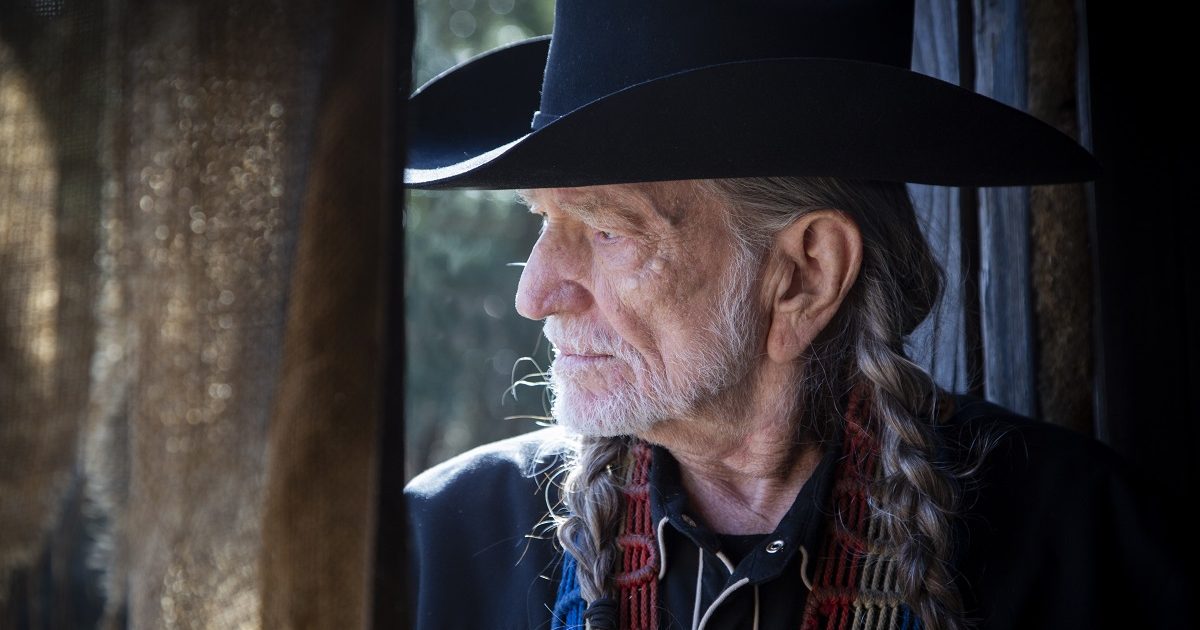
Willie Nelson has long been not just an American musical treasure, but an iconic figure with far more appeal across racial and generational lines than often recognized. At 87, he’s achieved a perfect marriage of artistry and commercial success few have in any idiom. While certainly a country legend, and the only person in the genre to ever achieve a Top 10 hit in seven different decades, he’s also collaborated with an astonishing number of artists across a wide swath of musical styles and approaches. He’s penned numerous anthems that have been covered by jazz, blues, R&B, soul, rock and pop vocalists, and this month he released his 70th studio album, First Rose of Spring.

Nelson’s never been afraid to stand up for social justice, even when those words weren’t part of the popular vernacular. Early in Charley Pride’s career, Nelson actually gave him a kiss on stage in Louisiana, quieting an audience that was allowing some of its more verbally racist louts to heckle Pride on stage. He’s always included Black musicians in Farm Aid concerts, had one of his biggest albums ever (Stardust) produced by a Black man (Booker T. Jones, who raved about Nelson in his autobiography) and has maintained a friendship with Snoop Dogg since long before Lil Nas X appeared on the scene. He also enjoyed a very close relationship with Ray Charles, who Nelson lamented he could never beat at chess.

He’s in the same company with people like Duke Ellington, Louis Armstrong, and Bill Monroe, whose output, personality and consistent brilliance has endured despite changes in production, audience preferences, and many other variables that can negatively affect the careers of popular musicians. Part of the reason for that longevity is Nelson’s undeniable skill in multiple areas. He’s penned a host of songs that are every bit as epic as those from the pre-rock canon he often samples. Had he only written “Crazy,” “Funny How Time Slips Away,” or “On the Road Again,” that would have been enough for one lifetime. He’s also a very credible singer, highly effective in pacing and telling a story.

Nelson has consistently embraced and operated in other genres by neither sacrificing his musical individuality and integrity, nor seeming to pander or simply attempting to seem hip. Actually, he’s the epitome of that term, though in a vastly different way from someone like Miles Davis, who was known as much for fashion and fine cars as musical innovation. The fact that Nelson has appeared in more than 30 films just adds weight to his universal appeal.

Trying to pick the best of Nelson’s numerous collaborations with great Black singers and musicians is a tricky thing. One could easily select 10 one day, then come back and tab a different 10 another time. But these are some (far from all) personal favorites. They are ranked in order only by year, nothing more. We picked a mix of singles and LPs, but it’s just a small sample of the many wonderful things he’s done. By no means would we claim this is the definitive list for Willie Nelson’s collaborations with African American artists, but it’s a good sampler and an indicator of how widespread his impact and willingness to work with various musicians actually extends.

SINGLES AND ALBUM CUTS

“Man With The Blues” with Buckwheat Zydeco
From Five Card Stud (1994)

The greatest zydeco master since Clifton Chenier teams with Nelson for a smoky, delightful romp that sees Buckwheat Zydeco also find a comfort zone vocally and instrumentally. As is always the case, Nelson easily works himself into the arrangement, and the two sound right at home in this setting.


“Night Life” with B.B. King
From Deuces Wild (1997)

The King of the Blues sounds happy and engaged on one of Nelson’s earliest compositions, providing some taut guitar licks and outstanding lead and harmony vocals while Nelson doesn’t try to match the improvisational edge, instead easing into a nice zone that’s part complimentary, part quite different in style and sound, but ideal for the situation.


“Still Is Still Moving to Me” with Toots & the Maytals
From True Love (2004)

Toots brings some Jamaican soul and lots of energy to this collaboration, while Willie seems a bit more energetic as the song works its way through. This is one of many performances that earned this LP the Reggae Grammy, and Nelson had such a great time he made a follow-up of his own and paid Toots and company back by having them guest on it.


“Busted” with Ray Charles
From Genius & Friends (2004)

I know “Seven Spanish Angels” was a number 1 hit and more people remember it fondly, but this late redo of an early Charles hit has equal doses of warmth, reflection and edge in both voices. Charles was certainly not at his vocal peak, but he found a way to make his treatment effective, while Willie as always proves the ideal partner in multiple ways.


“Family Bible” with The Blind Boys of Alabama
From Take the High Road (2011)

The album title indicates precisely what Nelson does here, singing with verve and fire while the Blind Boys bring some of their characteristic Golden Age gospel energy and intensity to this rendition that’s alternately wistful, memorable and poignant. This composition dates back to Nelson’s late ’50s catalog, while he was trying to get heard as a songwriter.


“Grandma’s Hands” with Mavis Staples
From To All the Girls (2013)

Mavis Staples has one foot in the church and the other in the street with her customarily powerhouse voice setting the tone. Nelson manages not to get overridden or canceled out in the process as they do their own special version of the Bill Withers hit, which the Staples Singers cut for their 1973 Stax LP, Be What You Are.


“Last Night I Had the Strangest Dream” with Charles Lloyd and the Marvels
From I Long to See You (2015)

The great Memphis jazz man Charles Lloyd and his newest group provide the backing for what comes off as a cross between a nightmarish vision and a marvelous revelation, sung in emphatic fashion by Nelson and punctuated by Lloyd adding some nifty licks underneath and the Marvels adding some musical punch.


ALBUMS

Country Man (2005)

A follow-up to his appearance on Toots’ LP the year before, Nelson goes full bore into reggae territory. Some of it works, some of it doesn’t, but all of it is performed with enthusiasm and joy. Nelson vocally handles the skittering reggae rhythms well, and on the disc’s best songs surpasses what he did on True Love.


Two Men and the Blues (2008)

Wynton Marsalis as a youthful prodigy had a lot of negative things to say about a lot of things back in the ’70s and early ’80s, and country music wasn’t spared in his broadsides. But fast forward all these years later and his gorgeous trumpet solos (both full and muted) made a great musical partner and support system for Nelson, who by now was so familiar with pre-rock, blues, and even traditional jazz tunes and rhythms that it was super smooth sailing from first note to the end. Also recommended: the DVDs Live From Jazz at Lincoln Center with Wynton Marsalis (2008) and Willie Nelson & Wynton Marsalis Play the Music of Ray Charles (2009).


Here We Go Again: Celebrating the Genius of Ray Charles (2011)

Marsalis and Norah Jones joined Nelson to pay homage to his friend Ray Charles, doing wonderful renditions of both hits and more obscure Charles tunes before a rousing audience. Nelson sounded especially energetic throughout, while Marsalis, who’s often been accused of being more technically expert than emotionally powerful, delivered crushing solos and accompaniment, and Jones was equal parts alluring and engaging. As always, Nelson comes across as sincere and genuine, a marvelous mix of down-home sensibility and attitude.


Photos: Pamela Springsteen

Best of: Live From Here

This month brought the unfortunate news that Live From Here, hosted by Chris Thile, has been cancelled.

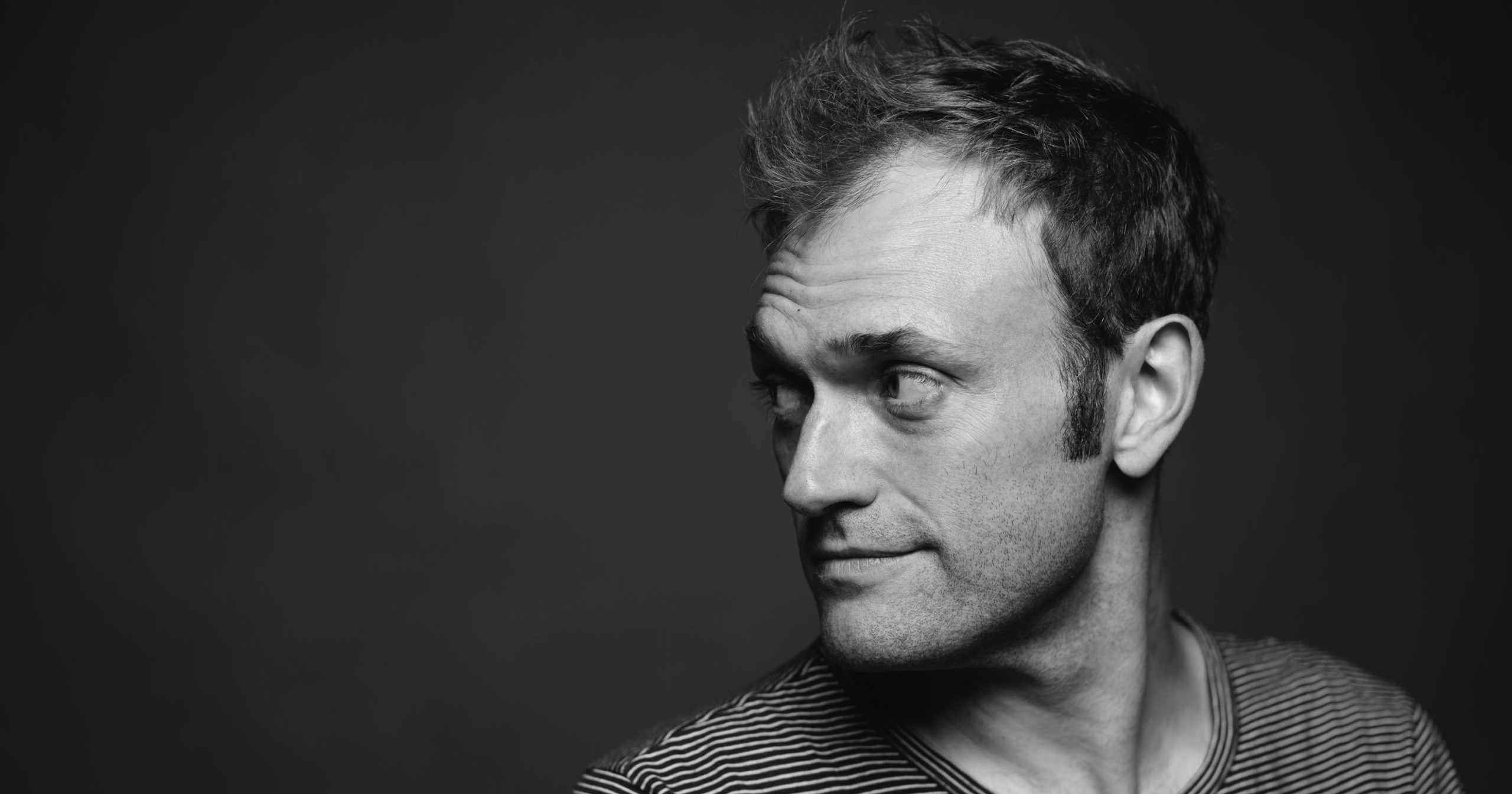
The American Public Media-produced radio show, previously known as A Prairie Home Companion, has been beloved by listeners since its inception in 1974, and continued in 2016 when the series was rebranded as Live From Here, with Thile leading the way.

The show was cut from production as a result of COVID-19’s widespread impact on the music and entertainment industries. On his socials, Thile graciously acknowledged the decision, stating the purpose of Live From Here as “a celebration of live, collaborative audible art.”

So, without further hesitation, let’s look at 11 of our favorite Live From Here moments.

“Dean Town” – Vulfpeck & Chris Thile

Perhaps one of the most loved Live From Here moments was Thile’s guest performance with Vulfpeck on their classic, “Dean Town.” One has every reason to assume that eye contact between Thile and Joe Dart is still going strong at this very moment.


“Fiddle Sticks” — Billy Contreras

It may be one of the lesser-viewed bits from the show, but this “Fast-AF” fiddle tune feature by Billy Contreras is certainly not short on notes. Two and a half minutes of pure double stops and bass walks.


“Lovesick Blues” — Brandi Carlile, Ben Folds, Chris Thile, & Sarah Jarosz

Ever wondered if Brandi Carlile could yodel on par with Jimmie Rodgers — or everyone’s favorite Walmart yodeling kid, Mason Ramsey? Well, look no further than this early Live From Here collaboration with Carlile, Thile, Ben Folds, and Sarah Jarosz.


“Change” – Mavis Staples

“Say it loud, say it clear!” We’ve shared this powerful performance from the legendary Mavis Staples before, but it is even more relevant now. Things are starting to change around here!


“Toy Heart / Marry Me / Jerusalem” – I’m With Her

Almost 10 minutes of mind blowing harmony and togetherness from I’m With Her, all beloved guests throughout the show’s course. As Thile so happily declares at the end, “There’s not a better band — in the world — than I’m With Her.”


“In Da Club” / Musician Birthdays – Julian Lage, O’Donovan, Thile, and More

What could be better than the composer of 50 Cent’s “In Da Club” jamming with Chris Thile, or Julian Lage playing Django Reinhardt? Oh that’s right: it’s Aoife O’Donovan singing Dolly Parton’s “9 to 5.”


“Blue Skies” – Andrew Bird & Chris Thile

Not only does this pair look quite the same, but their playing together is divine, and one of the last Live From Here moments we were graced with before shutdown.


“Kodachrome” – Paul Simon

This one’ll make you think all the world is a sunny day. Just look at Thile’s face!


“Can’t Find My Way Home (Blind Faith)” – Rachael Price

The tonal map of this moment is pure magic. Lake Street Dive’s Rachael Price supported by Thile’s harmony, Mike Elizondo’s bass lines, Brittany Haas’s fiddle playing — need we say more?


“Winter Boy” – Amanda Brown

Since Thile’s takeover as host, Live From Here has always had a strong female vocalist on stage. From Aoife O’Donovan to Sarah Jarosz to Gaby Moreno to more recent guest Amanda Brown — these women have been an integral part of the show’s cast and performance. Enjoy Brown’s beautiful take on this Buffy Sainte-Marie classic. 


“Hard Times” – Chris Thile

It only seems right to acknowledge the many efforts of the Live From Here cast and crew to bring listeners the show, recast as “Live From Home,” in the wake of the COVID-19 pandemic and global shutdown. For the last three months, those at the show worked tirelessly to bring us the weekly program, with the help of dozens of musicians, show regulars, and the #LiveFromHome social media campaign.

All we have left to say is — thank you to Chris Thile, all of the musicians, crew, and those who made Live From Here possible. And we hope these “Hard Times” we’re all living in together come again no more.


Photo credit: Nate Ryan

Celebrate Black History Month with These 15 Artists

American roots music wouldn’t exist if not for the voices, stories, and musical traditions of Black Americans. Full stop. Celebrating the Black forebears of Americana, bluegrass, country, and string band music, pointing out their importance and their essential contributions to these genres we all know and love today needs to happen year-round, not just February. 

The BGS editorial team believes strongly in this idea, and though readers will be able to find several Black History Month features and articles in the coming weeks, we encourage you all to also take a dive back into our archives for stories that highlight Black creators and artists from all points across the last year. 

Mavis Staples on Live From Here

Ceaselessly relevant, Mavis Staples recently gave a keynote presentation at Folk Alliance International in New Orleans where she once again gleefully assured the audience she wouldn’t be done singing ‘til she didn’t have anything else to say. And she has plenty left to say! Watch Mavis Staples on Live From Here with Chris Thile. 


Yola’s Year of Debuts

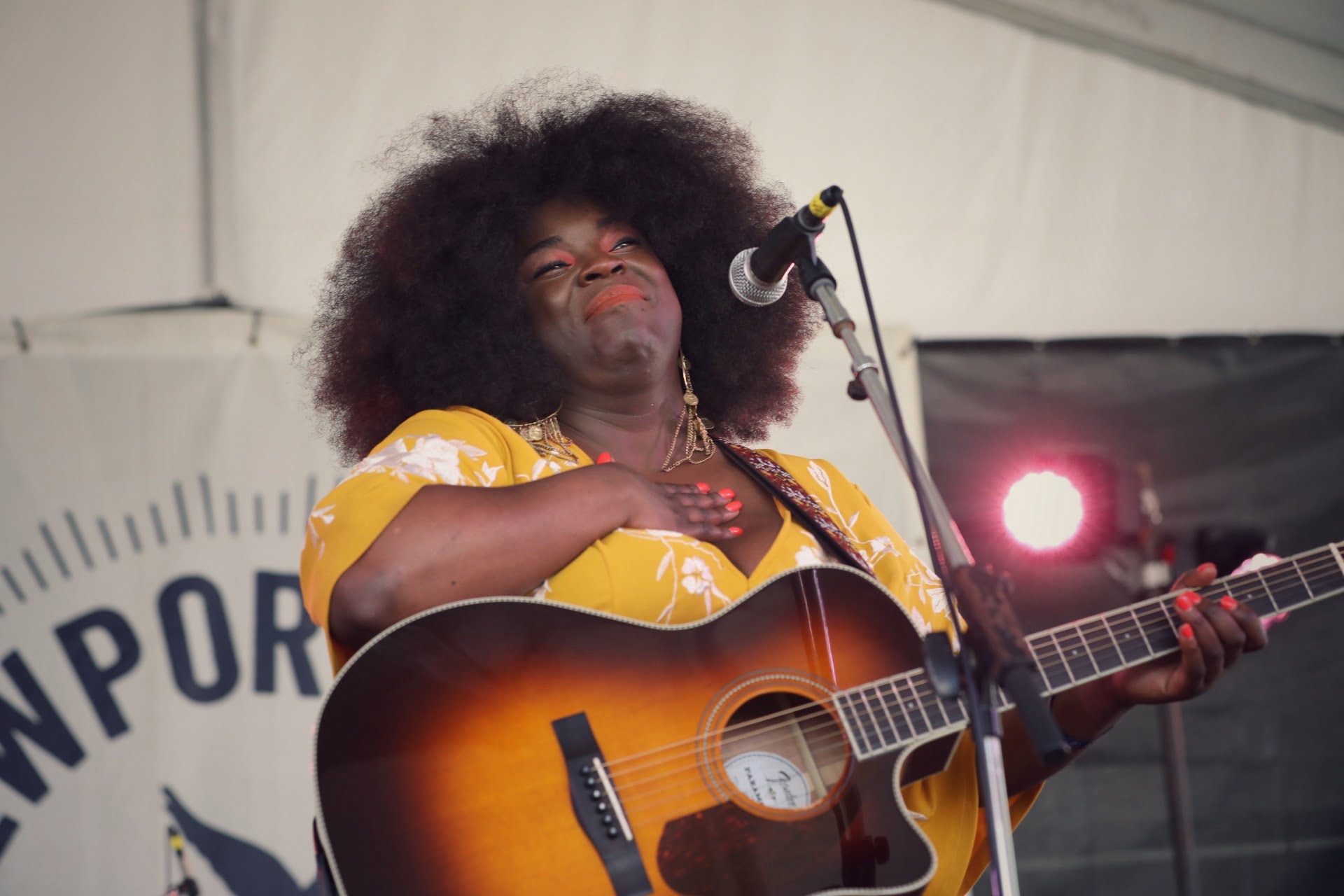
Yola’s debut album, Walk Through Fire, landed on our BGS Class of 2019 lists for Top Albums and Top Songs — and nearly every other year-end list across the industry, too. Naturally she popped up a few times in our pages: In our in-depth interview, when she made her Opry debut, and when she dropped an blazing Elton John cover.


Liz Vice on The Show On The Road

Liz Vice is a Portland born, Brooklyn-based gospel/folk firebrand who is bringing her own vision of social justice and the powerful, playful bounce of soul back to modern religious music. She is following a rich tradition that goes back generations to powerful advocates like Sister Rosetta Tharpe, Sam Cooke, the Staples Singers, the Ward Sisters, Aretha Franklin, and especially Mahalia Jackson, who was the soundtrack to the civil rights movement. Listen to the Liz Vice episode of The Show On The Road.


Brittany Howard, Artist of the Month and More

Our November 2019 Artist of the Month stunned in a stripped down duet with Alicia Keys at the Grammy Awards last weekend, her well-earned musical stardom solidified by her debut solo album, Jaime. Our Artist of the Month interview anchored our coverage of Howard’s new music, but her Tiny Desk Concert really captured readers’ attention!


Steep Canyon Rangers with Boyz II Men

Yes, you read that correctly. A combination none of us knew we needed that now we can never go without. The Asheville Symphony backs up the two groups collaboration on “Be Still Moses,” a moment transcending different musical worlds and genre designations. You can watch that performance here.


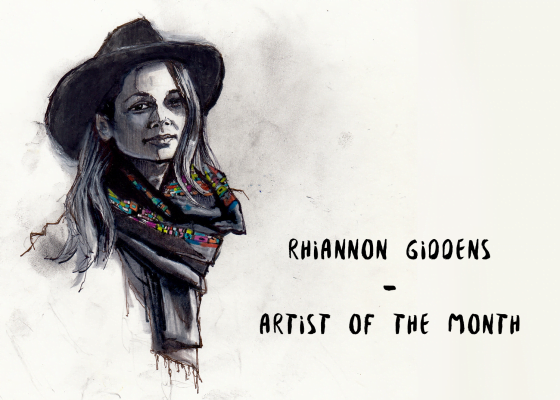
Rhiannon Giddens: Booked, Busy, and Blessed

How much can an artist really accomplish in a year? A quick scroll through the BGS halls shows a Grammy-nominated album, being named Artist of the Month, scoring a ballet, playing the Tiny Desk, debuting a supergroup, and oh so much more. We are more than happy trying to keep up with Rhiannon Giddens’ prolificacy.


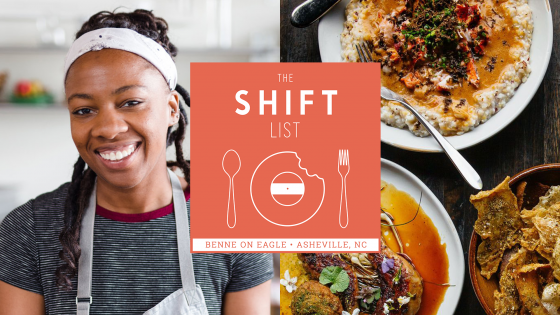
Ashleigh Shanti on The Shift List

The Shift List is a podcast about chefs, their kitchens, their food, and the music that powers all of it. On an episode from September we interviewed Chef Ashleigh Shanti of Benne on Eagle, an Appalachian soul food restaurant in Asheville, North Carolina. Her Shift List includes Kendrick Lamar, Nina Simone, and more.


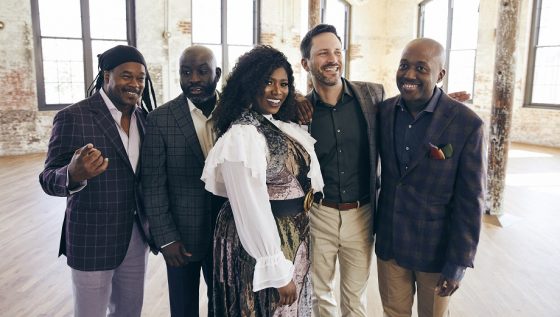
Grammy Winners, Ranky Tanky! 


We spoke to Ranky Tanky about their album Good Time in August, less than six months before it would win the Grammy for Best Regional Roots Album. If you aren’t familiar with Gullah music, our interview will help you out.


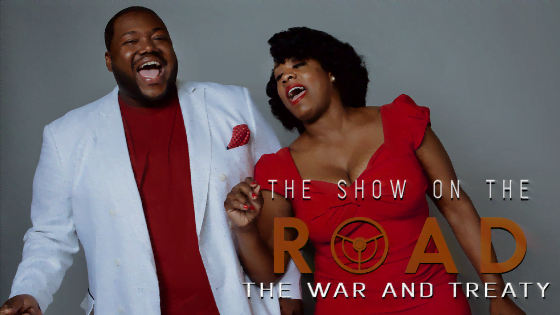
Americana’s Sweethearts, The War and Treaty

Rapidly-rising folk/soul duo of  husband and wife Michael and Tanya Trotter, The War and Treaty have had a year chocked full of smashing successes. Of course the best way to catch up with them was on the road, so Z. Lupetin set up the mics for an episode of The Show On The Road.


Tui’s Old-time Tunes

Jake Blount, one half of old-time duo Tui with fiddler Libby Weitnauer, is a scholar of Black, Indigenous, and otherwise forgotten, erased, or marginalized American fiddlers in old-time and string band music. His work specifically spotlights the source musicians whenever possible, undoing generations of revisionist history in roots music. Tui’s recording of “Cookhouse Joe” was featured in Tunesday Tuesday.


A Sitch Session with Birds of Chicago

A song with a message well-timed for almost any era, “Try a Little Harder” seems especially perfect for this very moment. Birds of Chicago do an excellent job bringing that message to the world. A suitably stunning Sitch Session.


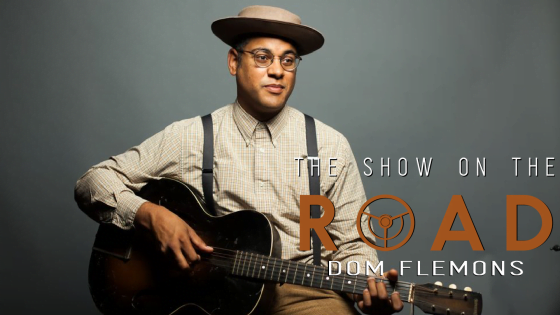
Dom Flemons Talks Black Cowboys

If you haven’t heard Dom Flemons talk about his album, Black Cowboys, and the narratives and traditions that inspired it, this episode of The Show On The Road is essential. The music is captivating on its own, a perfect demonstration of Flemons’ uncanny ability to capture timelessness and raw authenticity, but with his scholarly takes and his depth of knowledge the songs take on even more meaning and power. It’s worth a deep dive — check out our print interview, too.


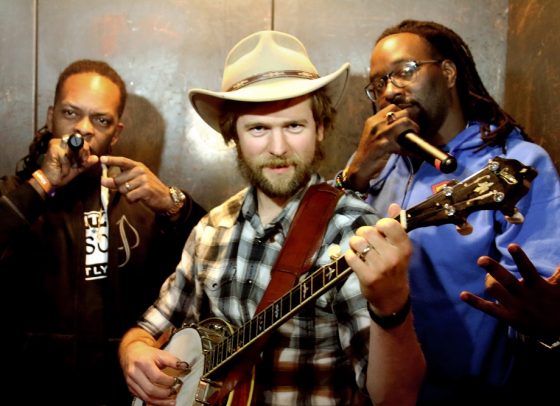
Gangstagrass Set the Standard

When you read Gangstagrass’s Mixtape of standard setters the parallels that emerge between foundational bluegrass and hip-hop are certainly surprising, but they also make perfect sense. It speaks to the longevity of this boundary-pushing, genre-defying group — that has been setting their own standard as they go.


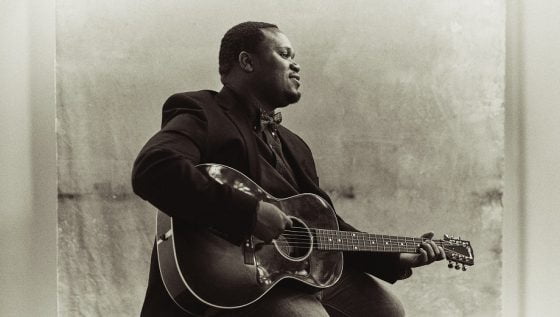
Jontavious Willis Goes Back to the Country

“Take Me to the Country” is Willis’ paean to his homeland: “No matter where I go in the world, I can’t wait to go back to the country,” He told BGS in April of last year. “For me, that special place is a rural southern town in Georgia where I grew up. It’s such a quiet and calm place, and somewhere I crave when I’m far from it.” You can hear that truth woven into the music.


Octogenarian Bluesman, Bobby Rush

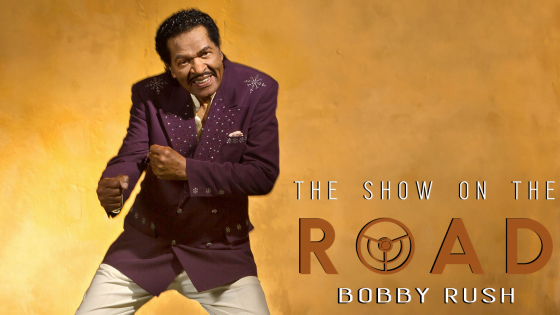
At 85 years old, Bobby Rush has been playing his brand of lovably raunchy, acoustically crunchy, and soulfully rowdy blues for over six decades. After winning his first Grammy at the humble age of 83, he has no plans of slowing down. We caught up with Rush on The Show On The Road.


Photo of Yola: Daniel Jackson 

WATCH: Mavis Staples Performs “Change” on ‘Live From Here with Chris Thile’

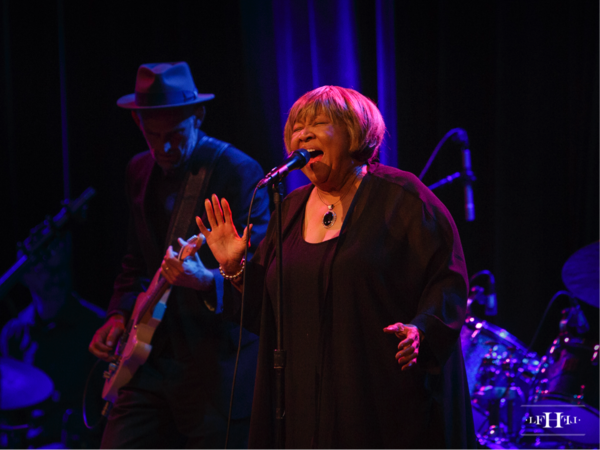
Musical matriarch Mavis Staples is as active as she has ever been. Fresh off an Americana Award nomination for Artist of the Year, Staples was recently featured as a guest performer on Live From Here with Chris Thile. Her latest album, a release from May 2019, is a collaborative work with another extraordinary singer-songwriter and blues icon, one Ben Harper. The new record, titled We Get By, features Staples’ sultry singing over Harper’s compositions, and like so many magical musical matchups, the total of the project is somehow far more than the sum of its parts.

Speaking to the writing, Staples had high praise for her junior collaborator. “When I first started reading the lyrics Ben wrote for me, I said to myself, ‘My God, he’s saying everything that needs to be said right now,’” she remembers. “But the songs were also true to my journey and the stories I’ve been singing all my life. There’s a spirituality and an honesty to Ben’s writing that took me back to church.”

Staples’ performance on the Live From Here is just that — it’s like going to church. Watch as she performs the opening number from her newest record here.


Photo of Mavis Staples courtesy of APM