They’ve Got You Covered: 10 Tributes You Need to Hear

2020 was a year of many things – COVID-19, existential elections, the shuttering of the music industry, and on and on – but one common, non-catastrophic throughline of the musical variety was cover songs. Many musicians and artists, finding themselves with more free time than usual and more standard-fare albums and cross-continental tours back-burnered, took the opportunity to explore live records, collaborations, and yes, covers. From Molly Tuttle to Wynonna, livestreams to socially-distanced shows, covers became an unofficial pandemic pastime. 

Now, in 2021, many of these cover projects conceived and created in 2020 have made it to store shelves – digital and otherwise – and we’ve collected ten tributes worth a listen:

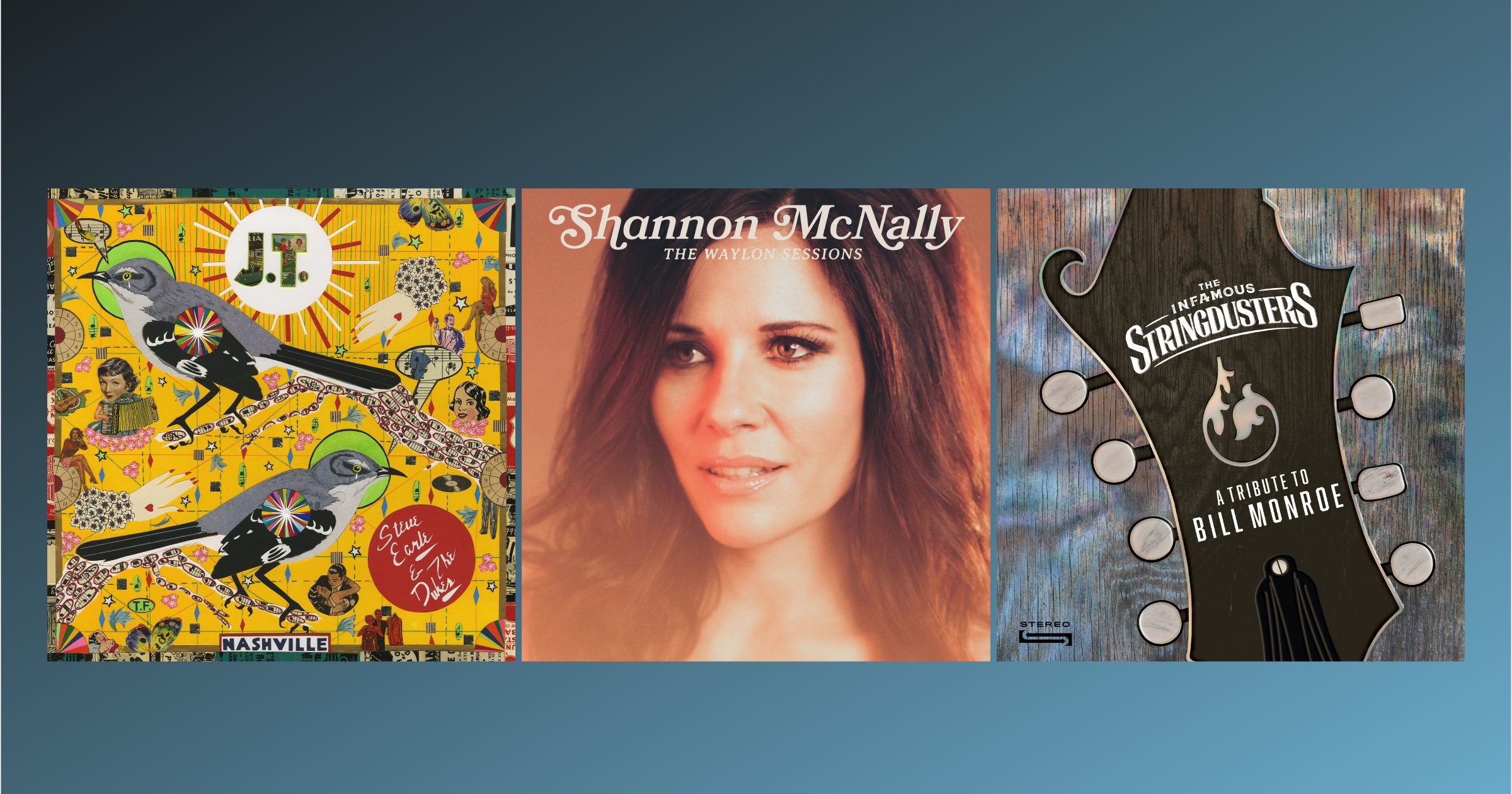
Shannon McNally covers Waylon Jennings

It’s fitting that Shannon McNally released The Waylon Sessions on Compass Records, whose headquarters now occupies “Hillbilly Central.” As Tompall Glaser’s former studio, the building helped give rise to country’s outlaw movement and it’s where Waylon himself recorded. With guests like Jessi Colter, Buddy Miller, Rodney Crowell, and Lukas Nelson, the project recontextualizes Waylon Jennings’ material, which is usually associated with hyper-masculine wings of the country scene. As McNally puts it in a press release, “What Waylon Jennings brought to country music is what country music needs right now, and that unapologetic and vulnerable sense of self are what women are tapping into artistically right now as the industry evolves.” 


Steve Earle covers Justin Townes Earle

Many a musical child has covered their parents’ catalogs in retrospect, but it’s rare that we see the reverse. A gorgeous, gutting, and laid-bare album, Steve Earle’s J.T. is a ten-song tribute to his son, Justin Townes Earle, who passed away suddenly in August 2020, shocking the Americana and folk communities. Earle’s signature emotion bristles and crackles throughout the project, giving Justin Townes’ songs an even stronger quality of visceral electricity. Proceeds from the album will go to a trust for Etta St. James Earle, Justin Townes’ daughter and Steve’s granddaughter. 


The Infamous Stringdusters cover Bill Monroe

Spread out from North Carolina to Colorado and beyond, the Infamous Stringdusters utilized home recording from their respective studios during the pandemic to accomplish musical creativity their jam-packed schedule hadn’t really allowed in the “before times.” Their brand new EP, A Tribute to Bill Monroe, returns the virtuosic jamgrass outfit to territory familiar to those who first found the group when they were cutting their teeth, striding out from traditional bluegrass into the vast, expansive newgrass-and-jamgrass unknown. The project illustrates that the true strength of this ensemble is found in utilizing traditional bluegrass aesthetics for their own creative purposes. For example, you might listen through the entire record without realizing the Stringdusters made a Bill Monroe tribute album without mandolin!


Mandy Barnett covers Billie Holiday

Mandy Barnett is a cross-genre chameleon; between her talent, her voice’s timeless Americana tinge, and her appetite for classics — from Nashville staples to the American songbook — she often finds herself reaching far beyond Music Row and classic country to R&B, standards, and in her most recent release, Billie Holiday covers. Every Star Above was recorded in 2019, pre-pandemic, and includes ten songs from Holiday’s 1958 Lady in Satin album – songs previously also covered by Frank Sinatra, Dinah Washington, and many, many others. The project feels akin to Linda Ronstadt’s pop and big band forays, never fully detached from Barnett’s country roots, but built atop their solid foundation. In another Ronstadt-esque move, Barnett partnered with recently departed jazz arranger Sammy Nestico; Every Star Above was the award-winning composer’s final project.


Charley Crockett covers James Hand

Country-western crooner Charley Crockett is truly prolific, having released nine full-length albums in the past six years. As the story goes, before his friend, acclaimed Texan singer-songwriter James “Slim” Hand passed away unexpectedly about a year ago, Crockett promised he would record his songs. “Lesson in Depression” captures the sly, winking quality of the best sort of sad-ass country, which isn’t burdened by its own melodrama. While it’s certain Crockett (as Tanya Tucker would put it) would have rather brought Slim his flowers while he was living, there’s a poignancy in how 10 For Slim – Charley Crockett Sings James Hand, like Earle’s J.T., immediately demonstrates how these impactful musical legacies will live on.


Lowland Hum cover Peter Gabriel

Lowland Hum’s album covering Peter Gabriel’s So — which they’ve cutely and aptly entitled So Low — began as a passing joke, but the folk duo of husband-and-wife Daniel and Lauren Goans followed the passion and fun that led them to Gabriel’s hit 1986 release, quickly unspooling the passing whim into inspiration for a full-blown project. “We already loved the iconic record, but in translating Gabriel’s melodies and otherworldly arrangements,” they explain on their website, “we fell even deeper in love with the songs, Gabriel’s voice, and his uncanny ability to fully inhabit both vulnerability and playfulness…” Their “quiet music,” minimalist approach is well suited to the material and the entire project is incredibly listenable, comforting, and subtly envelope-pushing.


Chrissie Hynde covers Bob Dylan

After The Bard released “Murder Most Foul” and “I Contain Multitudes” early in 2020 (and in the pandemic) founder, singer, songwriter, and guitarist for The Pretenders Chrissie Hynde was inspired to once again revisit Dylan’s catalog – a limitless fount of material with which she was already intimately familiar. Her new album, Standing in the Doorway, features nine Dylan tracks recorded with fellow Pretenders guitarist James Walbourne – almost exclusively via text message – and for their coronavirus YouTube video series. Hynde opts for deeper cuts, showcasing her affinity for swaths of Dylan’s career often overlooked by other would-be cover-ers. This classic, “Tomorrow is a Long Time,” feels appropriately sentimental and longing, a perfect encapsulation of the day-to-day of the realities of the pandemic, filtered through a Bob Dylan lens and Hynde’s distinctive voice. 


Various Artists cover John Lilly

John Lilly is a songwriter’s songwriter. Based in West Virginia, his original music has been covered by modern legends like Tim O’Brien, Kathy Mattea, and Tom Paxton. April In Your Eyes: A Tribute to the Songs of John Lilly gathers various artists from the folk, old-time, and bluegrass communities – in West Virginia and otherwise – spotlighting the incredible depth and breadth of Lilly’s catalog. The title track is stunningly rendered by Maya de Vitry and Ethan Jodziewicz, who were connected with Lilly originally through West Virginia’s iconic old-time pickers’ gathering affectionately referred to as “Clifftop.” Paxton, O’Brien, and Mattea all make appearances on the project, as do Brennen Leigh & Noel McKay, Bill Kirchen, and many other members of Lilly’s musical family and inner circle, giving the project an intentional and intimate resonance.


American Aquarium cover ’90s Country Hits

BJ Barham’s American Aquarium dropped a surprise album, Slappers, Bangers, & Certified Twangers: Volume One in May. Featuring ten covers of some of the band’s favorite ‘90s country hits, it’s a dose of all-star-tribute-concert packaged in a pandemic-friendly stay-at-home-form – and available on John Deere Green vinyl, of course. One particularly sad casualty of the coronavirus pandemic has been these sorts of musical nostalgia bombs – when was the last time any of us attended a theme night or tribute show at say, the Basement East in Nashville or Raleigh, NC’s The Brewery? – and Slappers, Bangers, & Certified Twangers has us in the mood to attend the first ‘90s country covers live show possible now that things are finally reopening.


Various Artists cover John Prine

A year without Prine seems far, far too long to travel with such a Prine-shaped hole in our musical hearts. But his presence and legacy certainly still loom large; the Prine family has announced “You Got Gold: Celebrating the Life & Songs of John Prine,” a series of special concerts and events held across various venues in Nashville in October. Oh Boy Records is also planning to release a new tribute record, Broken Hearts and Dirty Windows: Songs of John Prine, Vol. 2, to coincide with You Got Gold. The first two tracks from the project that have already been unveiled feature Sturgill Simpson performing “Paradise” and Brandi Carlile’s rendition of “I Remember Everything,” which you can hear above. Each month until October, the Prine family and Oh Boy will release another song from the project, unveiling special guests who each pay tribute to Prine, his songs, and the enormous vacuum his loss has left in the roots music industry.


The BGS Radio Hour – Episode 198

Welcome to the BGS Radio Hour! Since 2017, the show has been a weekly recap of all the great music, new and old, featured on BGS. This week, we’ve got new releases from Lindsay Lou and Blue Water Highway while we continue to celebrate our artist of the month – Black Pumas! Remember to check back every Monday for a new episode of the BGS Radio Hour.

APPLE PODCASTS, SPOTIFY

Blue Water Highway – “Grateful”

This quartet – who come from a working class, small town Texas background – bring us a mixtape, featuring their big inspirations, from Bruce Springsteen to Phoebe Bridgers. Blue Water Highway graces our show this week with this tongue-in-cheek take on thankfulness from their upcoming album Paper Airplanes.

David Huckfelt – “Hidden Made Known”

Iowa-based singer and songwriter David Huckfelt brings a single to the show this week, from his soon to be released Room Enough, Time Enough. “‘Hidden Made Known’ is about having faith in the basic intelligence of the universe, and what to do next when you lose it,” Huckfelt tells BGS. “From Wounded Knee to Sault Ste. Marie, tenderness is on the run.”

Black Pumas – “Fast Car”

Our current Artist of the Month, Black Pumas, recently caught up with BGS to talk about their biggest influences, from a gospel music upbringing to original MTV. Black Pumas (Deluxe Edition) is up for Album of the Year at the GRAMMYs!

Miko Marks – “Hard Times”

Miko Marks is reclaiming the music that Stephen Foster appropriated his way to success with. In anticipation of her upcoming album Our Country, what better place to start than this famous song?

Sway Wild – “Edge of My Seat” (with Anna Tivel)

Sway Wild brings us this appropriately titled anxiety-inspired song from their upcoming self-titled album. Based in the San Juan Islands of the Pacific Northwest, the group is not alone in needing to share their mental struggles as we journey through 2021.

Anya Hinkle feat. Graham Sharp – “What’s It Gonna Take?”

From the mountains of Western North Carolina, Anya Hinkle and Graham Sharp (Steep Canyon Rangers) bring us this new single, written on May 26, 2020 – the first day without George Floyd. “Only by listening to Black voices are we going to know what it is gonna take,” Hinkle told BGS. “We are still so divided and will remain ignorant until we can absorb what it’s like to be Black in America.”

Lindsay Lou – “Alright Sweet”

No stranger to BGS and the roots scene, Lindsay Lou offers The Suite Sweets, four songs combined into two for an A and B-side single. Inspired by Immersion Composition Society (ISC) writing lodges, writing for hours as uninhibitedly as possible, the Nashville-based artist combined these song segments into something that was greater than just the sum of their parts.

Chris DuPont – “Sandpaper Hymn”

Chris DuPont brings us a song from Floodplains, out now via Sharehouse Audio. Writing during a time of loss, DuPont recognized an opportunity to grow, for the great “sanding” of loss to smooth out the rough edges, and to not let bitterness overshadow the narrative.

Sideline – “Just a Guy in a Bar”

IBMA award winning band Sideline tells this story through both song and visual representation. The video tells the story of the song in perfect synchronicity, pulling the viewer even deeper into the story.

Rhiannon Giddens & Francesco Turrisi – “Last Night I Dreamed of Loving You”

From our 2020 Whiskey Sour Happy Hour segment, we’re bringing back this haunting performance from roots artist Rhiannon Giddens accompanied by Francesco Turrisi. Giddens, who has been outspoken throughout her career about the African-American origins of country music, is another featured artist in our Black Voices segment, uplifting the disenfranchised voices in roots music that helped create the genre.

Beth Lee – “Birthday Song”

Texas-based Beth Lee wrote this song before her birthday, and sent it to Vicente Rodriguez for his birthday (who would go on to be her producer for the record). Recorded by Lee, Rodriguez, and James Deprato – who coincidentally had a birthday during the week of recording – this song was the first sign to Lee that her Waiting On You Tonight was going to be a good record.

Mark Erelli feat. Maya de Vitry – “Handmade”

Though not originally written as a duet, nothing suited Erelli’s song better than vocal accompaniment from Maya de Vitry. Without holding anything back, they emphasize the song’s message – that we all have the opportunity to make something new.


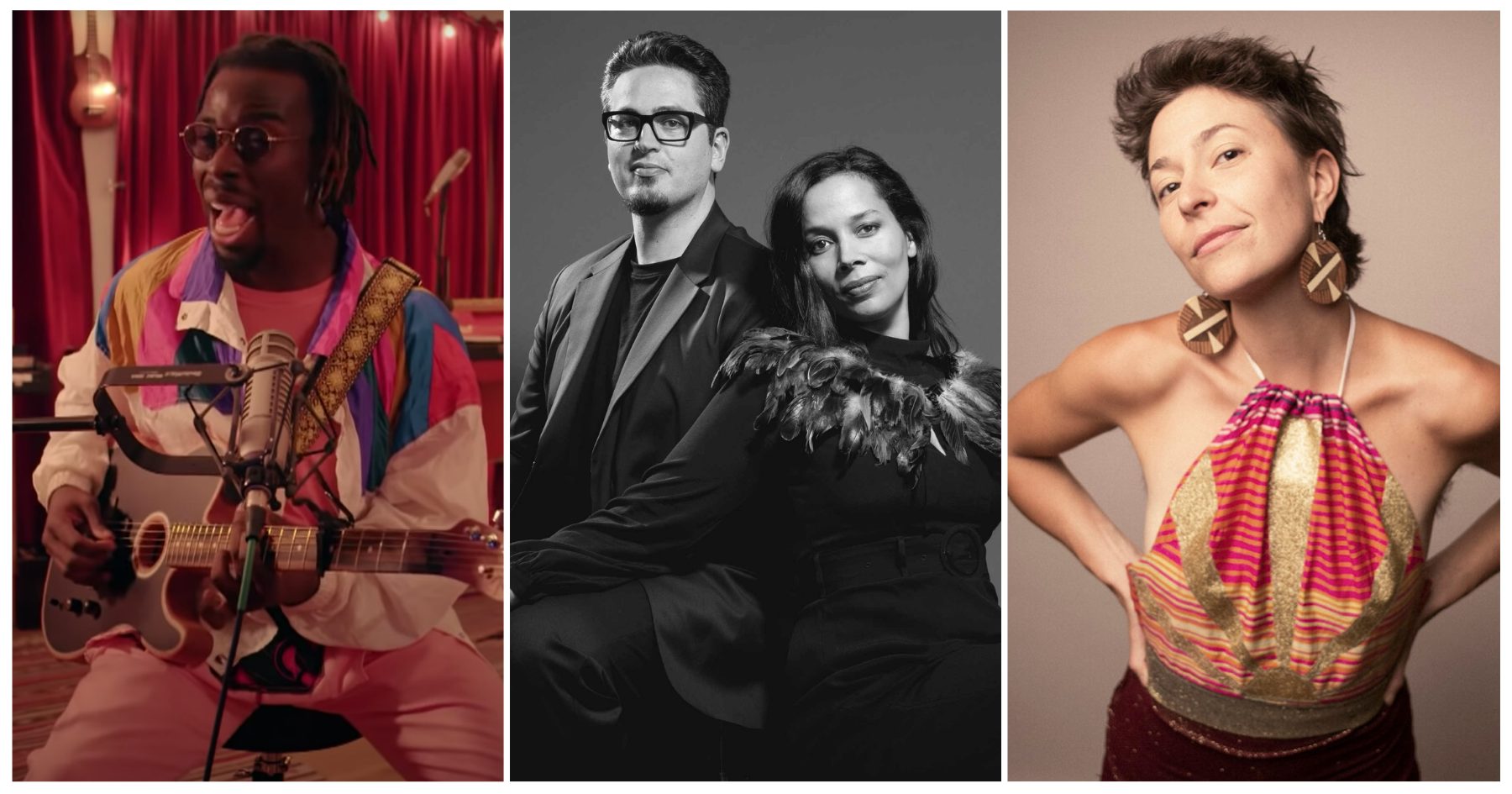
Photos: (L to R) Black Pumas from the Late Show with Stephen Colbert; Rhiannon Giddens & Francesco Turrisi by Ebru Yildiz; Lindsay Lou by Scott Simontacchi

LISTEN: Mark Erelli, “Handmade” (Feat. Maya de Vitry)

Artist: Mark Erelli
Hometown: Melrose, Massachusetts
Song: “Handmade” (featuring Maya de Vitry)
Album: Jackpot EP
Release Date: February 12, 2021
Label: Soundly Music

In Their Words: “Sometimes I’ll write a song that just truly comes alive when turned into a duet. I didn’t write ‘Handmade’ for two people to sing, but it didn’t take much to retrofit it to include another voice. The question of who that voice should be was a harder decision, made difficult by the shear number of amazing singers in Nashville where we recorded the song. I was a big fan of The Stray Birds, and when Maya de Vitry went out on her own for her 2019 solo album Adaptations, I was truly blown away. I love listening to all types of voices, but I really love singing with someone who can dig in and match my dynamics, which inspires me to dig deeper. Singing with Maya, I didn’t have to hold anything back, and I think the strength our vocals project reinforces the song’s message that sometimes you have to dig in, roll up your sleeves, and really work to make love happen.” — Mark Erelli

“It was an absolute joy to sing ‘Handmade’ with Mark. As a guest in Mark’s recording process, I was stepping into whatever culture and atmosphere that they (Mark, his band, producer Zack, engineer Dan) already had going in the studio — and I remember stepping into that room and finding a place of pure warmth and enthusiasm. Harmony singing is one of my favorite things in the world — I get to feel the emotional intensity and energy and character of a song, and then actually climb into it and do my best to help convey the story. I think Mark’s lyrics here are especially resonant in this moment, because a lot of us are taking a more ‘handmade’ approach to everything these days. And that line ‘I can’t wait to see what we’re gonna make’ really hits me now too — in dreaming about our future beyond the pandemic, and how we won’t just be returning to something in the past… we all have an opportunity to make something new.” — Maya de Vitry


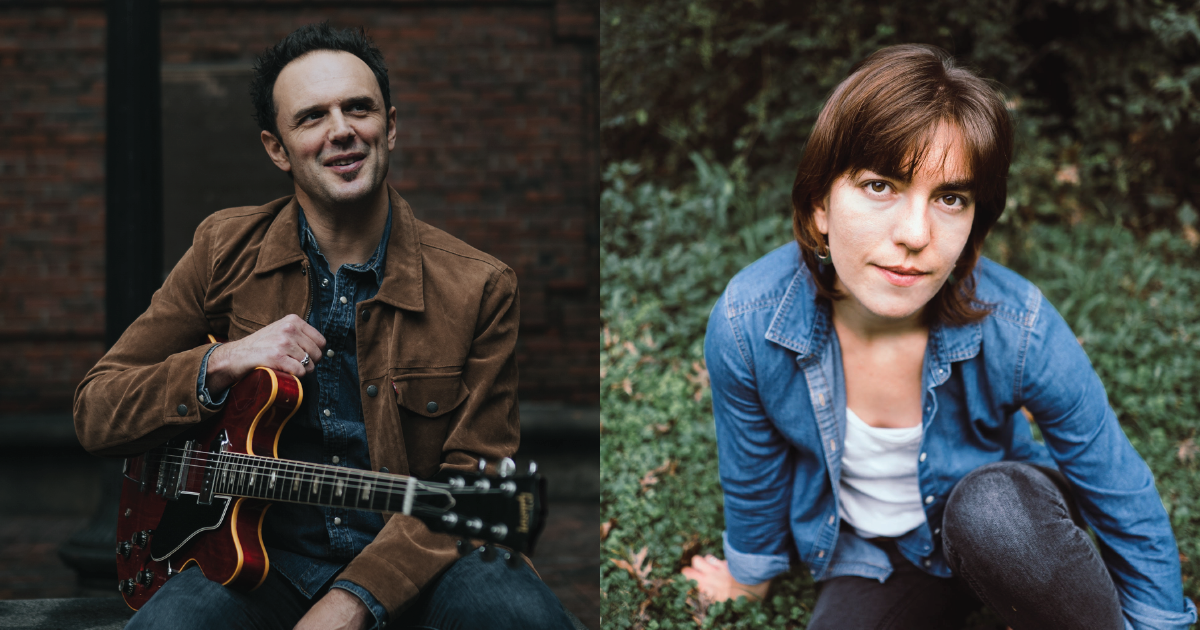
Photo of Mark Erelli: Joe Navas; Photo of Maya de Vitry: Kaitlyn Raitz

Dolly Parton, Brandi Carlile, and the Women Who Wrote Our 2020 Soundtrack

There are a whole lot of ways you can tell the story of 2020, but for us here at BGS, it will be remembered as a year of especially remarkable songwriting from women in roots music.

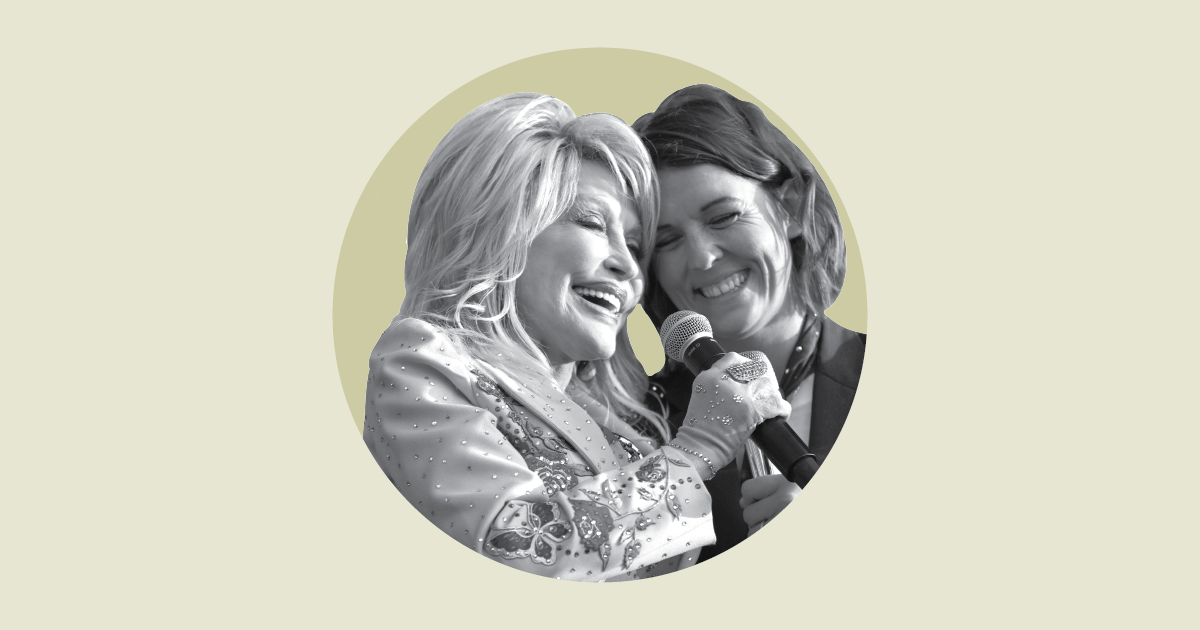
We lead our playlist with the one and only Dolly Parton, who assured us that life will be good again. Parton’s songwriting is presented in an enticing new book, Songteller, and her ability to articulate complicated emotions — through lyrics that speak to all walks of life — is something that Brandi Carlile picked up on as a teenager. In this video interview from the 2020 BMI Country Awards (with a cameo from Dolly at the end), Carlile explains how Parton’s perspective on equality kept Carlile from divorcing country music completely.

Parton, who turns 75 next month, shares a number of important qualities with a new generation of singer-songwriters she’s inspired. In the case of Brandi Carlile, there’s a sense of belonging that is woven throughout their work, from Parton’s “Joshua” to Carlile’s “Carried Me With You.” Like Parton, Brennen Leigh is able to capture a sense of place and make it relatable, even for a listener who’s never been there. Kyshona Armstrong offers a sense of self-worth and self-awareness in her writing, as Parton does, allowing listeners to know them better. Likewise, Maya de Vitry and Parton share a sense of wonder and joy, portraying landscapes — internal and external — that are imagined, yet vivid.

On Prairie Love Letter, her full-length paean to her homeland on the Minnesota-North Dakota border, Brennen Leigh demonstrates a visceral, evocative grounding – just as Parton constantly speaks of her Tennessee mountain home: with a glint in her eye, and a sorrow in her heart for knowing she had no choice but to leave it. Leigh stakes her claim on both the wide, expansive plains and Nashville all at once, asking her audience “Don’t you know I’m from here?” As if to remind she’s as at home in bluegrass and country — and Music City — as Dolly herself.

“Backwoods Barbie,” “Dumb Blonde,” and “Just Because I’m a Woman” are all perfect examples of Parton’s lifelong radical self-possession. She expresses her agency boldly, confidently, without (visible) second guessing – from her wigs to her infamous tattoos to her nothing-special acknowledgement of her plastic surgeries, struggles with suicidal ideation, and so on, she is her fully realized, autonomous self. As Dolly told Jad Abumrad on Dolly Parton’s America, “Who we are is who we are… I would just bow out if I wasn’t allowed to be me…” Kyshona Armstrong‘s prescient album, Listen, holds similar space, as Armstrong doesn’t simply ask folks to listen; her presence, compassion, and radical honesty demand it. Because, first and foremost, she’s welcoming and non-judgmental in that aim, you will find yourself fully enveloped by her music before you realize the conviction within it.

Maya de Vitry made a gorgeous, poetic foray into heavier, rockier turf with How to Break a Fall, a gutsy, genre-bending set of songs. Their anger, release, and passion, expressed by the folk-rock production style, feels right out of Parton’s post-White Limozeen era, an effortless combination of seemingly disparate musical influences, distilled into something that, almost above all else, feels joyful. Where male-centered rock and roll finds itself often hung up on its endemic toxic masculinity, de Vitry and Parton stride into electrified sounds with their femininity forward, and the result is as charming as it is subversive.

It’s striking, among such an incredible volume of musical output from their Americana and country peers this year, that these women would stand out, above and beyond the still-common glass ceilings imposed upon them for decades. Dolly blazed a trail, but these dozens of writers — and singers and pickers and composers and front women and side musicians and authors and poets — would have crashed through inevitably on their own. With songs like Adia Victoria’s “South Gotta Change,” Sunny War’s “Can I Sit With You?,” “Troubled Times” from Laurie Lewis, the Secret Sisters’ “Cabin,” it’s obvious Dolly Parton’s songwriting legacy will be inherited by multiple generations worthy of carrying it on.

Throughout 2020, the BGS editorial team embraced this wealth of excellent music from women songwriters in roots music. It has been a privilege to share these original voices with our readers, too. Here are 50 of our favorite tracks from 2020:


Photo credit: Daniel Jackson for BGS, Newport Folk Fest 2019

Forgiving Herself, Maya de Vitry Feels Better and Better on New Solo Album

When Maya de Vitry quit her most recent full-time touring gig, she did it for self-preservation. Before her solo debut Adaptations was released in 2019, the multi-instrumentalist and singer/songwriter prioritized her life by centering community, home, and a sense of place in what had often been a frantic, taxing, and nomadic daily life.

Her second, just-released album, How to Break a Fall, was tracked almost immediately after Adaptations hit shelves, and with a harder, more grizzled, rockier aesthetic it demonstrated the growth and transformation that had occurred in the meantime. A sense of movement, of excited, unapologetic momentum permeates the Dan Knobler-produced project. Where Adaptations had seen de Vitry through a transition to stillness, How to Break a Fall was poised to carry her into still another new period for the budding solo artist. 

Enter a global pandemic. With nearly all of that momentum and her entire release cycle squandered on a music industry that had to shutter itself in the face of COVID-19, de Vitry found herself once again prioritizing, enjoying each individual moment at home, focusing on community in whatever shape it can take at this point, and baking banana bread, too. It turns out practice does make perfect. 

BGS spoke to de Vitry over the phone, immediately diving into how serendipitous this collection of songs is for a moment of global pausing.

BGS: The last record, Adaptations, was written in isolation and now you’ve landed with this new record, How to Break a Fall, and on the back end of it you’ve ended up in isolation again. I wondered if you’ve thought about that? Or considered the strange symmetry, the way that these records are bookended by the idea of intentional solitude?

de Vitry: [Laughs] Wow, I absolutely did not connect those dots and that is so wild. It’s so ironic, because I was feeling very frustrated and angry about losing all of these shows this spring and I was finally feeling like [I was ready to get on the road] — because with Adaptations I didn’t tour really at all. I wasn’t emotionally or mentally healthy enough to be touring my music, I wasn’t ready to be on stage. Then this time, I felt emotionally healthy to go out there and play shows and it was like, “Oh, but the world has another health situation going on.” 

In some ways, How to Break a Fall was also written in isolation. I had kind of cut myself off a bit from the East Nashville scene, because I needed some space from the patterns and circles of people. I needed space from touring and leaving [the Stray Birds]. I was working at Starbucks while I was writing the album and I was essentially in isolation. You go to work for eight hours, come home, and you’re just in your house again. It was still voluntary, and I definitely still had some community. I could still pop out and play a show. 

I’m kind of an introverted person, so I’m always in isolation when I’m writing — in some way. I’ve been writing so much in the last couple of weeks. I was ready to kind of emerge, I was ready to go and be out there, and in interaction, instead of isolation. Now it’s like mandatory isolation and I’m going to write.

What does that feel like to you? Does it feel like a grinding of the gears? Like, “Oh, hold on, we’ve gotta turn this ship around and it’s going to take some effort and energy for me to go back into the writing frame of mind when I was ready to be in the outward-facing, extroverted frame of mind.”

It feels like muscle memory. It’s like a pivot. That part of it has not been difficult. I think accessing the writing part, the inward part of being an artist, is [always] within reach. I get as much satisfaction from creating the stuff as I do performing the stuff, if not more. I would say the process of writing an album, recording an album, and being in the studio with people is so fulfilling to me. Just creating it. There’s almost a grieving process when that’s over. Then there’s the next thing, when the songs come alive… I was looking forward to that, seeing how the songs would live and evolve and change. How they would land, out there in the world in real time with people. What other choice do I have? Let’s just pivot. Let’s write another record. [Laughs]

“Better and Better” is about the idea of building something and the song feels pertinent in this moment of… pausing, let’s say, because I think we could all eventually agree that life isn’t about being the best, it’s about being better. It’s about being better than the moment before, the day before, the year before. How do you see that song’s potential for connecting with listeners right now?

That song was like the doorway for writing the rest of that album and it was the doorway because, through writing it, I was realizing that I was actually unwell. Some of the things I was singing about, those lyrics were all things that I wanted to believe, and I realized that I had to make changes. I had to stop doing something that felt normal. I had to leave the band that I was in, I had to stop touring for a while, and yeah, that in some ways does remind me of this moment, too. The only thing we really can control right now is how we take care of ourselves — and that’s also sort of the only thing we ever can control. But it’s easier to feel that when it feels like other things are so outside of our control. 

I felt myself stop, stock still in the moment that I heard the line, “Forgiving myself is the most I can do” go by, because I don’t think a lot of people realize that’s what we’re doing every day right now, to get through. Letting ourselves just be enough. Where does that line come from for you?

That line is specifically about staying. About staying in the situation I was in. Before I was in [the Stray Birds], I was a musician. I was playing fiddle tunes, I was really into old-time music, I was writing songs, and I started to draft up what would be a solo record — in like 2009 and 2010. Then the band became like an invisible fence. There was no room for anyone to be doing anything outside of the band. There was no physical room, for all of the time we were on the road, and there was no emotional room with the interpersonal dynamic of the band. It was not possible to continue to be myself, to nurture my own voice as a writer and musician and also be a member of that band, because of the environment of the band. 

Forgiving myself, in that line, is about forgiving my nineteen-year-old self for not knowing any better at the time. And forgiving myself for my fears, because it was easier [to avoid them instead]. It’s vulnerable to sing your lyrics at all, ever, and I’m forgiving myself for those fears I had. Instead of standing up with my name and my lyrics, it was easier to climb inside the identity of a band and feel protected and more secure.


Which is quite the contrast from How to Break a Fall, because, to me, this record feels like a statement, a declaration for women to be allowed to take up space. And to be allowed to access and enjoy as much of the oxygen in those spaces as they like. Songs like “Something In the Way She Moves,” “Gray,” definitely “Open the Door” all speak to this. And the rock ‘n’ roll aesthetic often feels angry and impassioned, but the music doesn’t feel hostile in the way that it channels those energies.

That’s one hundred percent right. That comes from that process of forgiveness. It comes from walking through that doorway, the doorway being “Better and Better,” and walking into this landscape of songs and being receptive to writing that story. I think the record doesn’t sound hostile because it’s not. These are the songs, these are the sounds that I felt like making, this is a story. These things are true for me. 

There’s this video of Sister Rosetta Tharpe playing incredible guitar, walking up and down this train platform, it’s an iconic taking-up-of-space. An iconic expression of joy. That kind of spirit is what’s behind this music and this record. For as much as I can control what people can get from it, I would hope that some of what it unlocks or awakens is, “Huh… there are a lot of female characters on this record taking up space and doing what they want.”

It’s not hostile because it’s taking the responsibility of going inward by going to my own interior and inviting listeners to go into their interiors and see what’s going on in there. In the song “Revolution” it’s like, What are these walls? What’s inside of me? If this is the way that my eyes have been trained to see, what new world am I going to see? If I can’t shift the lens or something on the inside, how am I going to see a world that’s [different?] It’s happened so many times in history, whether it’s women’s rights or gay rights or the civil rights movement. We have to practice imagining the impossible. That’s connected to why it’s not hostile. 

When that’s the reason behind the music and the intent behind the record, the volume of it or whether it’s an electric or an acoustic guitar or if it’s rock or folk — none of that matters to me. [Laughs] This is the story I’m telling! 


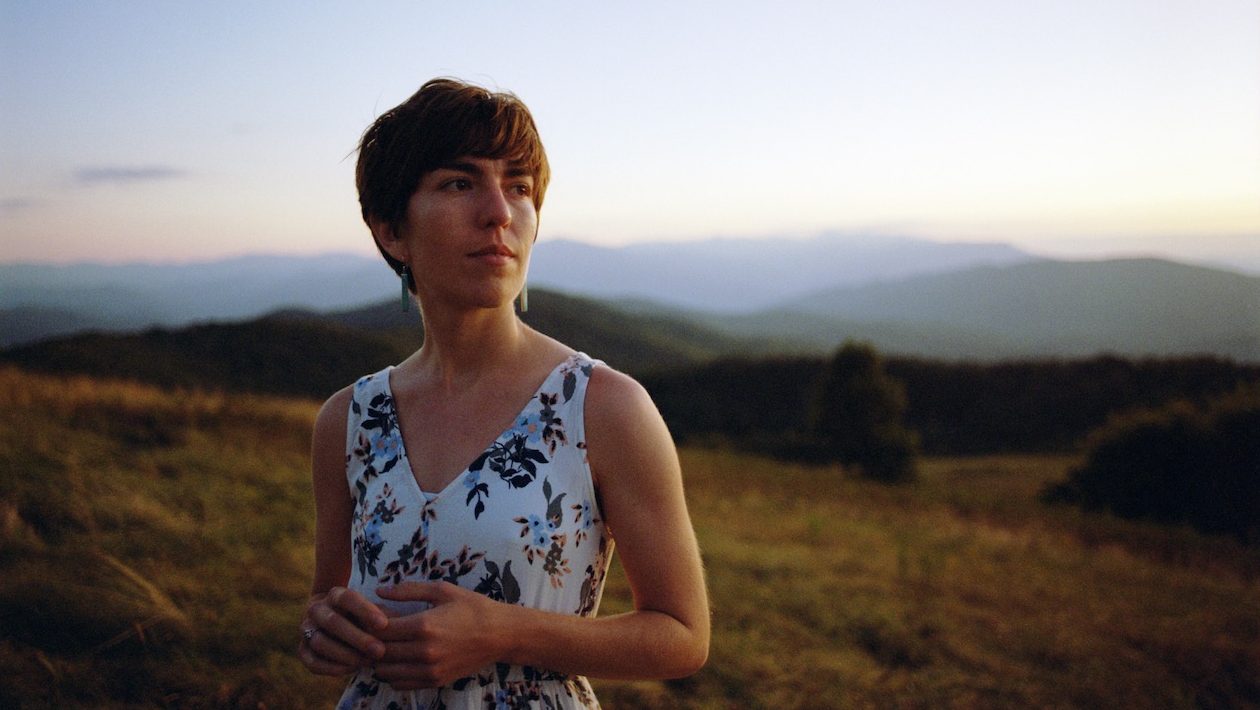
All photos: Laura Partain

BGS Top Albums of 2019

Yes, even in this digital era, albums still matter, in particular in the genres covered by the team here at BGS, where storytelling is revered. Throughout 2019, we covered hundreds of new releases in folk, bluegrass, Americana, TV and film soundtracks, and really anything that had a roots feeling that rang true to us. Here are our eleven favorite albums we heard this year.

Charley Crockett, The Valley

From gospel-blues vocal cues to honky-tonkin’ steel guitar, Charley Crockett’s latest release, The Valley, has a little something for every roots music fan. His low croon makes an endearing vessel for deep lyrics — the album wrestles with mortality (likely a side effect of the two heart surgeries Crockett underwent in the weeks surrounding the recording sessions), love, and loneliness — but quick tempos, catchy melodies, and a hopeful takeaway keep the tone light. I have a feeling opener “Borrowed Time” will still be on loop in my head come 2030. – Dacey Orr


Maya de Vitry, Adaptations

Americana, especially its folkier, song-centered haunts, is remarkable in the way that it grapples with the realities of the millennial condition — granted, this most often occurs in a somewhat tactless, blinders-on, privilege unchecked sort of way. A deeper undercurrent is eroding that norm, though, a flow in which songwriters and music sculptors like Maya de Vitry thrive, reckoning not with the woes of this generation and this angst-filled time in history in saccharine, derivative ways, but by baring all, relinquishing shame, and believing the radical idea that human connection means seeing — and being seen. In Adaptations, de Vitry takes this unspoken mandate deeper still, not only lifting up whatever opaque barriers may obscure, but also shining a cleansing light on them, packaging her own (very relatable) internal and external debates in songs that are catchy, musical, intuitive, and craveable. – Justin Hiltner


Rhiannon Giddens with Francesco Turrisi, there is no Other

We talk about music cutting across borders, linking cultures, spanning eras. Few albums have embodied that as deftly, as enchantingly, as unforcedly as this set from folk-blues-and-beyond stylist Giddens and Italian percussionist Turrisi. On much of this, they mesh Southern traditions stretching back to music brought by enslaved peoples from Africa and immigrants from Europe with Mediterranean sounds echoing through the centuries back to the Crusades. It proves a natural mix, as much can ultimately be traced to common origins in the Middle East and North Africa — though you don’t have to know the musicology to be enraptured by the vibrant performances. And that goes for their Menotti opera piece (via Nina Simone) too. – Steve Hochman


Takumi Kodera, Sunset Glow

Japan’s flourishing bluegrass scene is little-known to most Americans, but it’s a community that has been developing in the shadows of Western-centered bluegrass for years. This past August we saw an example of the talent coming out of Japan with the release of Tokyo-based banjoist Takumi Kodera’s debut album, Sunset Glow. It’s a record rich with creative textures and thoroughly composed arrangements of both original tunes and bluegrass standards. Kodera is definitely an artist to follow going forward. – Carter Shilts


J.S. Ondara, Tales of America

In 2013, J.S. Ondara moved from his native Kenya to Minnesota (the home state of his hero Bob Dylan) seeking inspiration and musical opportunity.  Six years later, he released his breakout record, Tales of America: a reckoning of the realities of romanticism that come with moving to a place you only knew in your mind, and the dichotomy of the failures and freedom of the modern “American Dream.”  With veteran producer Mike Viola at the album’s helm (and supported by an impressive roster of guest artists like Andrew Bird, Dawes’ Taylor and Griffin Goldsmith, and Joey Ryan of the Milk Carton Kids), Ondara steps outside of the shadow of his idol’s influence and completely into his own.  – Amy Reitnouer Jacobs


Joan Shelley, Like the River Loves the Sea

Shelley traveled all the way to Iceland to record this album, but that distance gave her a new perspective on the place she calls home. This is at heart a Kentucky album: She incorporates various strings of regional music, sings and plays with other Louisville musicians (including Will Oldham and Nathan Salsburg), and gains some perspective on a place often described as being five years behind the rest of the country. But her steady voice and imaginative melodies, her incisive words and deft picking all mean that songs like “Awake” (about the angst of being in a city) and “The Fading” (about the beauty of entropy) hit with a quiet, intense power even if you’ve never set foot in the Bluegrass State. – Stephen Deusner


Larry Sparks, New Moon Over My Shoulder

Larry Sparks makes bluegrass music to satisfy his own traditional leanings, yet New Moon Over My Shoulder would appeal to anyone who cares about emotion, vocal control, and eloquence in their music collection. His gospel songs shine, his guitar playing is exquisite, and his delivery of “Annie’s Boy” proves he’s one of the most expressive vocalists that bluegrass has ever known. – Craig Shelburne


Andy Statman, Monroe Bus

Time and time again, as musicians with deep, unassailable bluegrass cred release albums that challenge absolutely every precept and entrenched tennant of the genre, a rule of thumb is made apparent: To be a “legit” bluegrass picker is to not give a shit about what is or is not bluegrass. With Monroe Bus Brooklyn-based mandolinist Andy Statman turns tradition on its ear — it’s still fully recognizable, just placed slightly out of reach, as a kind mother knowingly weans a petulant child, keeping the prize in sight as a security blanket. The album takes twists and turns through jazz, blues, bebop, klezmer, and yes, bluegrass, and it all feels right. So much so, a listener might not even blink at the title’s evocation of the Father of Bluegrass. – Justin Hiltner


Billy Strings, Home

Billy Strings is a force to be reckoned with. As a flatpicker, a singer, a writer, and a performer, the IBMA Award-winning guitarist has been storming the bluegrass scene, and 2019 was especially good to him. While continuing his seemingly endless tour, Strings released his highly-anticipated sophomore album, Home. The project hits all the right buttons — classic bluegrass styling, vibrant playing, and discerning songwriting. In its class of new releases in 2019, Home shines among the brightest. – Jonny Therrien


Tanya Tucker, While I’m Livin’

What makes this Tanya Tucker album so special? For me, it comes down to one word: personality. Nobody else sounds like her – the rasp, the catch in her voice, the way she phrases words like “Vegas” and “Texas” to make the story in a song her own. Her undiminished bravado is put to good use on “Hard Luck,” but very few vocalists can scale things back with equal power. Tucker does it every time. – Craig Shelburne


Yola, Walk Through Fire

Figure skating isn’t the first thing to come to mind when considering the year’s best albums, but Yola’s blazing debut, Walk Through Fire, reminds me of the glory days of the sport, before the scoring system changed, when judges would deliberately reserve perfect scores — the ever-elusive 10s — for athletes taking the ice toward the end of the competition. The terroir of Dan Auerbach’s production style met its match with Yola; they fashioned an album that’s transcendent, truly timeless, and an apt distillation of this exact moment in country and Americana. It’s fortuitous then, that at the end of the 2010s, we’ve reserved one last perfect score with which to declare this masterpiece not only one of the best albums of the year, but of the decade, too.Justin Hiltner


BGS Top Moments of 2019

If music happened in 2019, but wasn’t a “song” or an “album,” does it make a sound– er… does it warrant real estate in any of the many year-end pieces, wrap-ups, and lists hitting the internet on a daily (sometimes hourly) basis? Why, of course it does! Each year BGS notes Top Moments of roots music — whatever form they may take — as a way of reminding ourselves that the art we each consume, especially of the musical variety, is often at its best when it eschews the formats and media we expect and/or most closely associate with it. What changes about the way we view a year in music when we alter the context as such? First and foremost, we change just that — our viewpoint. Turns out that makes a world of difference.

Speaking of top moments, one of the best for the BGS team took place just last week, as we premiered a brand new look with an updated homepage and logo. A lighter color palate, clean modern lines, and updated fonts usher in a new era for the site, and hopefully a positive reading experience for you, our beloved fans and readers. Not unlike the state of roots music itself, our new look is constantly evolving, but what’s at the heart of it remains timeless. Now, read about more moments that turned our heads and caught our ears over the course of the past 12 months.

Chris Stapleton Creates LEGO Alter Ego

When Chris Stapleton’s music video for “Second One to Know” hit YouTube, I found myself musing, “What are the benchmarks we use to determine someone’s level of notoriety? What are their claims to fame? Owning a tour bus? Having your first number one hit? Being the musical guest on SNL? Having a highway named after you? Or perhaps a proclamation from your local public figures designating a [Named After You] Day?” Seriously, can you imagine getting to a point in your country pickin’ / singin’ / songwritin’ career where your Game of Thrones cameo falls into the background of your music video star LEGO-self?

I would be remiss if in this blurb I did not mention another real-ass country singer/songwriter/rabble-rouser who dabbled in alternative visual media this year, too — that would be Sturgill Simpson’s “Sing Along.” More of this oddball, non sequitur energy in country in 2020, please. – Justin Hiltner


Dolly Parton’s America Podcast Finds Common Ground

Epiphanies in the podcast series Dolly Parton’s America are too many to count, as host Jad Abumrad and his team explore the notion that the Tennessee songbird is a rare unifying force in the fractured socio-cultural universe — everyone loves Dolly! But the fourth episode, titled “Neon Moss,” finding the common ground of Dolly’s Tennessee mountain home and the Lebanon mountain home in which Abumrad’s dad (a doctor who became friends with Parton after treating her in Nashville) grew up is gripping on a cultural and emotional level. Bonus: BGS’ own Justin Hiltner and his banjo pop up as a key part of a later episode. – Steve Hochman


Duos, Duos, and More Duos

Were you seeing double this summer? Mandolin Orange, Tedeschi Trucks Band, and Shovels & Rope offered exceptional albums and sold tons of tickets. From the sweeping San Isabel from Jamestown Revival to the intimacy of Buddy & Julie Miller’s Breakdown on 20th Avenue South, roots duos were having their moment. Personal favorites included The Small Glories and Bruce Robison & Kelly Willis, but the true discovery for me was Dravus House, a Seattle duo who delivered an understated and beautiful album that blends Elena Loper’s vocal with Cooper Stouli’s soft touch on guitar to stunning effect. – Craig Shelburne


Del McCoury Turns 80

At 80 years old, Del McCoury has witnessed the rise of bluegrass while still being actively involved in it. (In fact, he’s got a gig this weekend in New York with David Grisman, Jerry Douglas, Drew Emmitt, Andy Falco, and Vince Herman.) An all-star tribute at the Grand Ole Opry provided perhaps the most musically satisfying night of music this year for me, mostly because The Del McCoury Band has still got it (and they make it look like so much fun). Check out their 2019 performance on Live From Here With Chris Thile. – Craig Shelburne


Hadestown Wins Big on Broadway

In an era when Broadway has seemingly been taken over by jukebox musicals that rehash the catalogs of legacy artists, watching Anaïs Mitchell pick up eight Tony Awards for Hadestown was a surreal triumph. For those of us who have followed Mitchell’s career over the past couple of decades, it was truly remarkable to see a grassroots musical that she first staged in 2006 reach the heights of Broadway, earning her a win for Best Musical and Best Original Score. “Wait for Me,” indeed. – Chris Jacobs


Ken Burns Digs Deep into the Roots of Country Music

Ken Burns has a long history of digging into America’s deepest roots, through documentaries like The Civil War, Jazz, Baseball, and The National Parks. In 2019 he took those roots in a more on-the-nose direction, exploring the long and varied history of American Roots Music through his PBS documentary series Country Music, which premiered in September. As the filmmaker himself said in a recent interview, “Country Music is about two four-letter words: love and loss.” Thanks to Burns, who looks unflinchingly at all of the different stories that have shaped this music, we get to see the love, the loss, and everything in between. – Amy Reitnouer Jacobs


MerleFest and IBMA, Rediscovered

After a long break, I made an effort to reconnect with two of the preeminent roots music festivals  in 2019 – MerleFest and IBMA’s World of Bluegrass. With other obligations in Nashville, it had been five or six years since I’d attended either, and both surprised me for different reasons. At MerleFest, I was struck by the caliber and diversity of artists, in particular for landing a headlining set by Brandi Carlile in her breakout year. Five months later, I returned to North Carolina to see IBMA in action, amazed by the way that the city of Raleigh has embraced the musical experience, from the Bluegrass Ramble to the StreetFest with plenty of outdoor stages. North Carolina, I’ve got you in my 2020 vision. #ComeHearNC – Craig Shelburne


“Old Town Road” Can Lead Anywhere

Is “Old Town Road” country? Like millions, maybe even billions of fans, I’m inclined to answer that question with an emphatic “Of course it is!” But I’m also inclined to ask: What else is this song? Is it roots music? Is it folk? Blues? Yes, yes, and yes. That chorus is powerful in its simplicity, and it’s not hard to imagine Doc Watson singing those lines or Geechie Wiley intoning that sentiment mysteriously from some lost B-side, accompanied by a century of acetate scratches and surface noise. Almost accidentally existential, the chorus speaks to an unnamed American melancholy, and it can mean anything you want it to mean and be anything you want it to be. – Stephen Deusner


Roots Music Don’t Need No Man

No, like literally. After 2019 we can definitively say that roots music as a whole does not need any men. From the first albums of the year (say, Maya de Vitry’s Adaptations or Mary Bragg’s Violets as Camouflage), followed by two indomitable women of the Grammys (Kacey Musgraves and Brandi Carlile), then two universally regarded supergroups (Our Native Daughters, the Highwomen), the resurgence of true legends (like Reba McEntire’s Stronger Than the Truth and Tanya Tucker’s While I’m Livin’), to a Newport Folk Fest collaboration that combined nearly all of our favorites, this year in Americana, bluegrass, old-time, and folk has been defined by women. There were pickers (Molly Tuttle, Nora Brown, Gina Furtado), there were scholars (Allison de Groot & Tatiana Hargreaves, Our Native Daughters), there were poets (Caroline Spence, Jamie Drake) — repeatedly this year I found myself in musical spaces that, if all of the men were subtracted, I would still want for nothing. #GiveWomenAmericana – Justin Hiltner


Yola’s Meteoric Rise

Co-write sessions and frontwoman-for-hire gigs aptly prepared Yola for the non-stop successes she’s had in 2019, from sharing stages with childhood heroes Mavis Staples and Dolly Parton to nabbing a whopping four Grammy nominations, including a coveted Best New Artist nod. Kicking off the whirlwind year was her Dan Auerbach-produced debut solo album, Walk Through Fire, a beginning-to-end stunner and a sure sign that Yola’s star power will only continue to rise. The ample steel guitar on “Rock Me Gently,” the countrypolitan charm of “Ride Out in the Country,” and the buoyant old-school soul of a new bonus track “I Don’t Wanna Lie” show off an eclectic roster of influences and a striking vocal range. But the album standout might be its only number written solely by Yola, “It Ain’t Easier,” a slow-burner with a hell of a bridge that pays tribute to the hard work behind even the greatest of loves. On the stage, in the studio, and in everything she does, Yola is putting in the work — and we can’t wait to see what 2020 holds. – Dacey Orr

BGS Top Songs of 2019

Here at The Bluegrass Situation, we’re always eager to hear a new song. This year it’s likely that thousands of them drifted by, each with their own charms. Yet, rather than ranking our favorites, we decided simply to pick tunes that reached out and grabbed our attention in 2019 — listed here in alphabetical order. Take a look.

Brad Armstrong, “Carry Your Head High”

Formerly of the great Alabama art-folk outfit 13ghosts and more recently a member of the impossible-to-kill Dexateens, this Birmingham singer-songwriter has in the last few years emerged as a solo artist who can bend old musical forms into brand new shapes. “Carry Your Head High,” off his second album, I Got No Place Remembers Me, may be his most stunning composition yet, a churchly acoustic hymn of self-reckoning and survival that builds to a weird, intensely ecstatic climax. It’s the sound of a man shaking loose every last burden. – Stephen Deusner


Bedouine, “Echo Park”

Carrying on a long legacy of Eastside LA troubadours, Bedouine’s standout track from her brilliant sophomore album captures the essence of lackadaisical days in the Southern California sunshine by Echo Park Lake. On repeat all year long. – Amy Reitnouer Jacobs


Dale Ann Bradley, “The Hard Way Every Time”

An exquisite singer, Dale Ann Bradley has put her stamp on countless cover songs, but there’s something special about the way she interprets this 1973 gem written and recorded by Jim Croce. More than just singing it, she inhabits it. The poignant lyrics allude to lessons learned and dreams broken, but also the insistence that the narrator wouldn’t have done it any other way. Through Dale Ann’s perspective, it’s presented as a blend of nostalgia and fortitude, delivered by one of bluegrass’ most believable vocalists. Musical support from Tina Adair, Tim Dishman, Jody King, and Scott Vestal round out the good vibes. – Craig Shelburne


Tyler Childers, “All Your’n”

It was a banner year for Tyler Childers, whose seemingly endless run of sold-out tour dates gave way to a staggering sophomore album, Country Squire, that took his snarly Appalachian drawl and quick-witted lyrics to the top of the Americana charts (and to college football fans everywhere). From the sweeping piano at the outset to the final wail of affection, “All Your’n” elevates van-tour vernacular to a kind of love language — “loading in, and breaking down / my road dog, door-deal dreams” — with a grin of a chorus that conveys a confident, just-gets-better-with-time kind of intimacy, miles between be damned. – Dacey Orr Sivewright


Charley Crockett, “The Valley”

A life story set to music, “The Valley” recounts the bumps along the way for this Texas musician, who somehow overcame the obstacles — from tough family situations to open-heart surgery — to create an exceptional album of the same name. Echoing his own experiences, the instrumentation on “The Valley” is a pendulum of highs and lows, yet sits squarely in classic country territory, thanks to Crockett’s magnetic voice and the through line of superb steel guitar. – Craig Shelburne


Maya de Vitry, “How Do I Get to the Morning”

This earworm caught me after seeing Maya de Vitry at The Basement in Nashville a few months before the release of her album, Adaptations. If you’re not familiar, The Basement is essentially that – a small club below the former location of Grimey’s Records. It’s dark, intimate, and sports a max capacity of about 50, but de Vitry lit the place up with this one. It’s funky, soulful, positive, and it’s bound to leave you humming the chorus for weeks after your first listen. – Carter Shilts


J.S. Ondara, “American Dream”

A kid from Kenya, obsessed with Bob Dylan, wings his way to Minneapolis, starts playing music and, a few years later, has a deal with Verve Records and an acclaimed, highly affecting debut album. American Dream, indeed. But his song of that title is full of unsettling images — guns, beasts, ghosts — the darkness at once belied and deepened by his sweet, accented voice and lilting jazz-folk settings, echoing Van Morrison as much as the Bard of Hibbing. If you see him perform or talk with him (read our BGS feature from February), though, his hope and optimism beam through. – Steve Hochman


Our Native Daughters, “Black Myself”

Though watching a majority-white audience gleefully shout along to this righteously vengeful, imposing, empowered anthem by Amythyst Kiah might justifiably raise an eyebrow or two, this phenomenon is a testament to those Black musicians and creators who lead the way in actively un-writing myths that claim Black experiences and Black stories — especially those of Black women — are not relatable to the mainstream and its consumers. Recorded with Rhiannon Giddens, Allison Russell, and Leyla McCalla on Songs of Our Native Daughters, this track demonstrates that talking about our shared history, telling our truths without censorship or defensive reflexes, is key to moving forward with healing and intention. And just a dash of raisin’ hell, too. – Justin Hiltner


Tanya Tucker, “Wheels of Laredo”

For an album with a largely decentralized creative process — Tucker herself has been quoted in numerous interviews describing having to warm up to the songs, the recordings, and the entire project — While I’m Livin’ is a perfect distillation of the persona, the vim and vigor, and the pure X-factor that makes Tanya Tanya. (Read our Artist of the Month feature from August.) “The Wheels of Laredo,” written by Brandi Carlile and Tim and Phil Hanseroth, remarkably sounds as if it’s been plucked directly from the subconscious and lived experiences of Tucker herself. A haunting refrain, “If I was a White-crowned Sparrow…” reminds us that the human barriers by which we allow ourselves to be thwarted are just that. Human. No one stops a sparrow at the border of a not-so-distant land. – Justin Hiltner


Yola, “Faraway Look”

You know an album is special when a deluxe edition is released in the same year of its debut. Yola’s Walk Through Fire is just that kind of record. (Read our interview.) The opening track, “Faraway Look,” sets up the album with a soaring chorus and vintage vibe, paving the way for what’s to come. And with four Grammy nominations, including Best New Artist, it’s sure to continue its relevance well into 2020. — Chris Jacobs


Letting Go of Time: My Soundtrack for a Year with Cancer

Many of the facets of the music industry are the way they are simply because they are the way they are, but there is one pillar of melodic and lyrical art-making that remains extraordinarily arbitrary.

Time.

Records are released on Fridays now. Except when they aren’t. Some release days are packed with albums and others are desolate. Festival season coincides with the weather-outside-is-bearable season — except when it doesn’t. Holiday records are recorded in the summer. Lead time is inflexible, though ever-changing. Deadlines are always drop-dead… until they aren’t.

Time has gone from being regarded as something that inevitably passes to being framed as a commodity that can be “spent.” Time is money, especially in this gig economy era and in creative spaces where sentiments like “If you love what you do, you don’t work a day in your life!” rapidly devolve into a workaholic culture. We’ve seen the dissolution of boundaries between professional and personal lives, and made constant comparisons to those we perceive as more productive and ambitious.

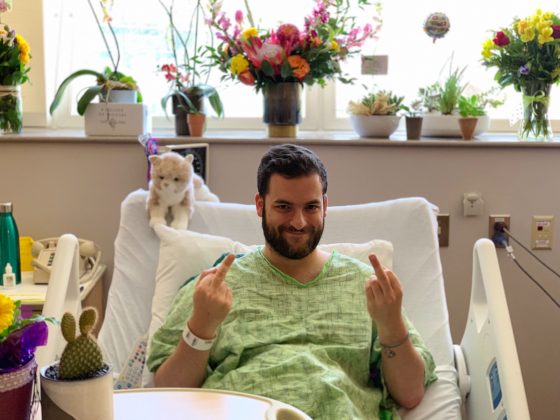
My relationship with time — from each basic, incessant twitch of the clock’s second hand to my holistic understanding of existential time — changed fundamentally and cataclysmically in August 2018 when I was diagnosed with rectal cancer. In the earliest days my doctors told me that I would “lose a year of my life” fighting the disease. Being naive, new to the realms of life-threatening illness and the omnipresent physical, mental, and spiritual alterations of such diagnoses, I believed them.

Over the months that followed, time passed not linearly, but as if it were a roller coaster operating in many more than just three dimensions, with twists, turns, and corkscrews I never considered possible. The associated cognitive impairments of cancer — from chemotherapy, an inordinate amount of prescription drugs, and the related traumas of fighting the disease — exacerbated my willy-nilly tumble through the twelve months that landed me here, writing this. Now, just over a year post-diagnosis and almost four months in remission, I am free of cancer (though not technically “cancer-free”).

Cancer is an arbitrary demon in and of itself, and as such, it’s very good at reminding: If something need not be arbitrary, perhaps it ought not to be. A rectal cancer diagnosis in an otherwise healthy 26-year-old is a perfect example. Humans cannot help trying to force such a thing to make sense, to have a direct cause and effect, but in this case and in many, many others it doesn’t. And it never will.

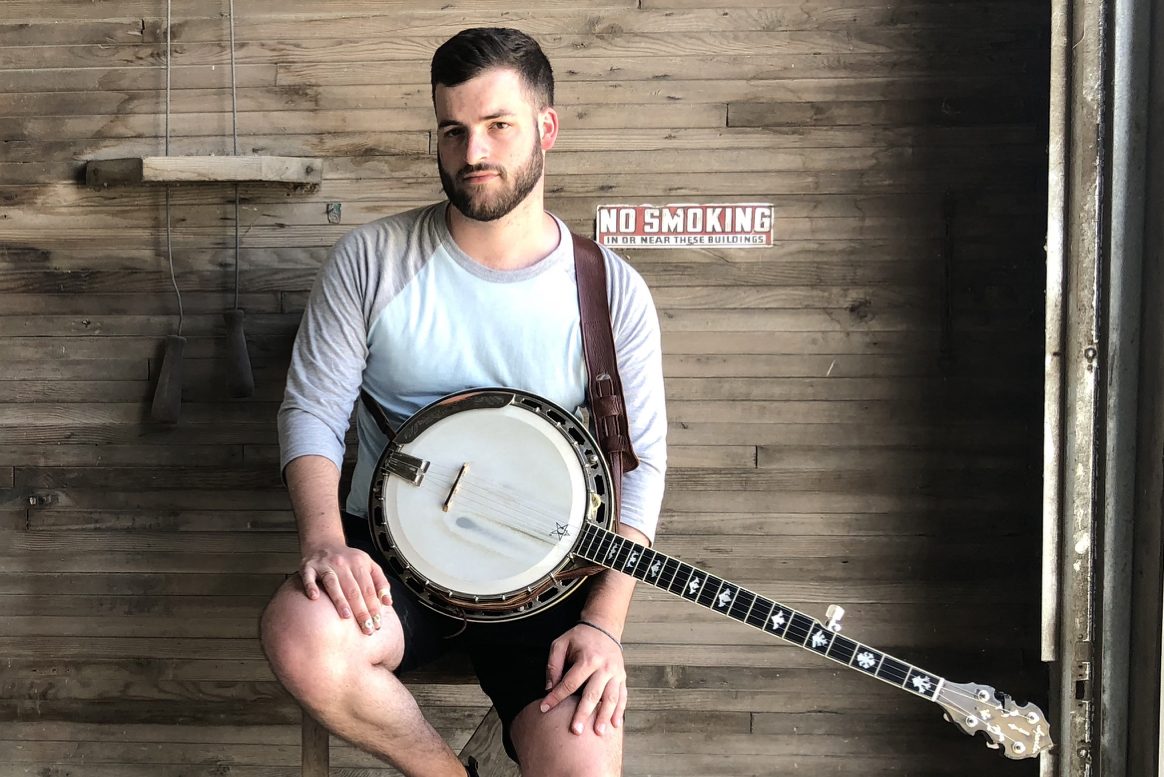
Before the final months of the 2010s elapse and we find ourselves reliving the year — and the decade — in music; while I find myself emerging from the fog of a year of pain, loss, and grief, a year fighting for my life and coming out ahead, I offer you this year-end wrap up. Not of 2019, but of a year fighting cancer. This is a soundtrack. For a few more than 365 days (and many more to come) of a queer banjo player, songwriter, and music writer holding onto life and letting go of time.

“Soon You’ll Get Better” — Taylor Swift feat. Dixie Chicks (2019)

In my eyes, the single most resonant line of any song released in the past year must be, “You’ll get better soon, ‘cause you have to.”

There’s this general, almost universal understanding of cancer, from a societal standpoint, that often does more harm than good. Almost everyone has a simplistic, rudimentary handle on what cancer is, what it means, and how to operate in relation to it. We’ve been fed countless narratives on the subject in the media, in fiction, non-fiction, through science, by the Hallmark Channel — you name it. One of the most frustrating outgrowths of this well-intentioned, though often tactless and somewhat misinformed understanding is that fighting cancer is noble. That it’s a holy war, a righteous baring of the teeth in the face of mortality and abject suffering and the quickened unraveling of existence.

But that is not how it feels. At least not to this survivor. Fighting cancer isn’t honorable. It’s necessary.

There is no choice.

It is exist or cease to exist. Because we romanticize storylines, dynamics in which “pulling the plug” seems like an actual option; because of faith systems that predicate moral truth on the existence of an afterlife; because we have heartbreaking, gut-wrenching tales of friends and family who opted for less pain, without treatment, than more time in misery with it; because there are all too many folks who shine, choosing joy against the odds, facing terminal diagnoses with bravery and aplomb, we think that the battle is wholesome, good, and virtuous.

I can tell you it is not. We get better because we have to. Sadly, there are too many who don’t. Because they can’t. Not because they are any less “noble” than those of us who “win” the fight. Not because they made a choice to give up the fight.

Choosing between being and ceasing to be is not a choice.

“The Capitalist Blues” — Leyla McCalla (2019)

Besides pain, discomfort, fear, and grief, the most present phenomenon to accompany cancer is bills. Piles and piles and piles of window envelopes. Emails. Push notifications chiming, “YOU HAVE A NEW STATEMENT.”

Each time my health insurance denied a claim on the grounds of some aspect of my care not being “medically necessary” — is the contrast used in my CT scans truly not necessary? — each time a prescription fell outside of coverage, often to the tune of hundreds and hundreds of dollars, my body and visage would grimace as if twisted from the pain of a 5cm mass in my colon.

To know, to see in plain daylight, that other human beings are getting rich off of my fight for life, causes such visceral anger and, in the wake of that anger, something that can only be described as the capitalist blues. Leyla McCalla’s wonky, off-kilter, Big Easy sound herein is a perfect wry smile in the face of a daunting, insurmountable task such as holding capitalism accountable. We’re all swimming with sharks and it’s a cold, cold world — even at the doctor’s.

“Anyone at All” — Maya de Vitry (2019)

As if to mock me, the electric guitar joins the band with a tick-tocking hook. Maya de Vitry’s narrator (however autobiographical) hasn’t been seeing anyone at all, hasn’t been drinking much at all, hasn’t been crying in the mornings, and she’s tired of hearing folks tell her it’s going to get harder.

Believe her. (Believe me.) It’s always been hard.

I spent the majority of a year at home, in my apartment, in bed, alone. Which is not to say I haven’t been supported throughout this journey by my friends, family, peers, colleagues, et cetera. It’s just that cancer is isolating in many, many more ways than one, and each of those sly, constituent methods of enforcing solitude conspire together to relegate us to these lonely spaces. Hearing de Vitry rejoice in them, embracing them, laughing in the face of what others, outsiders, might perceive as weakness and wallowing is not only redemptive, it’s liberating. I’ll see your “Have you been seeing anybody?” and raise you an “It’s been a couple of days since I’ve seen anyone at all!”

“Fixed” — Mary Bragg (2018)

The world teaches us how to regard ourselves, our bodies, our minds, our personhoods. We often don’t even realize this dictation is happening, but it is. Let me tell you, cancer brings out the worst in these tendencies, these trained reflexes. While Bragg’s message seems geared toward a childlike listener faced with society’s beauty standards, with dynamics of insiders and outsiders, cool and uncool, conformist and eccentric, I found myself returning to that refrain, “You don’t have to be fixed” over and over.

While my body image issues and low self-esteem run amok, fed on a glut of internalized ableism and materialism and superficiality and shame, the reminder in those lyrics that there is no one right way to be human, to be embodied, to be hurt or to be healed, was simply uncanny. Packaged with Bragg’s pristine, orchestrated arrangement and her powerfully tender voice, it’s a mantra in a song that we could all add to our quiver of weapons with which we face the world.

“Bad Mind” — Erin Rae (2018)

This song sounds like Ativan feels. Glossy and ethereal. The panned, double-tracked vocals, just distant enough in the mix, giving the impression that her voice is nearby, but out of reach. I was prescribed Ativan after being hospitalized due to complications from my first round of chemotherapy, namely that my nausea medications didn’t seem to be effective — until we brought Ativan on board.

That’s right, Ativan is prescribed for nausea. It’s also an effective anxiety medication, a strong benzodiazepine that’s often taken recreationally, but it’s a depressant. A strong, unyielding, psychoactive drug that guarantees dependency as a result of regular use. For months I was on an astronomical dose, without knowing it was considered high, to curb my incessant nausea.

I took two “cancer break” vacations during treatment. During the first, a country music cruise in the Caribbean, I cried myself to sleep every night. On the first night of the second trip, a solo getaway to the Bahamas, I wrote in my journal, through tears, “Perhaps I’m too depressed to enjoy an island paradise?”

As the lyrics in verse two reference indirectly, growing up gay in a conservative — and in my case, evangelical — family teaches you quite rapidly that your mind is bad. Very bad. Which, in quite a predictable turn, caused an anxiety disorder and clinical depression that I’ve been battling for more than a decade now. At times I was convinced that the problem of my erratic and burdensome mental health was simply due to my bad mind.

Ativan sank me to depths beyond those that I thought were possible. At its worst, beneath every word I spoke, beneath every layer of my thoughts, there was a constant suicidal hum. My prior struggles with suicidal ideation couldn’t even prepare me for the surprise of realizing, in some deep, hidden catacomb of my psyche, that I was fantasizing about taking my own life.

After chemo and radiation, when my nausea began to subside, I made getting off of Ativan my number one goal. I didn’t want to have a bad mind anymore. After seven months of three pills a day and after weeks of titrating, lowering my dose bit by bit to wean my dependent body and brain off of the potent, depressing, stomach-settling drug, I took my last Ativan in the hospital, after surgery to remove the mass.

It’s worth mentioning, for my sake and others’, there is no such thing as a bad mind.

“Sleepwalking” — Molly Tuttle (2019)

This year truly felt like sleepwalking. Through a world that disappeared.

In the Bahamas, after a month of daily radiation sessions and a mere handful of weeks before my operation, I walked straight into the Atlantic until the cold, steel blue water covered my head. I pleaded, I begged the sea to carry me away. To be allowed to float away with my fears. I cried into the saltwater.

Each time, as I listen to Tuttle’s voice — not angelic, no, but cosmic — grasping for the highest altitudes of her breathy vibrato, I hear my own personal flailing. My desperation to find an anchor, to not be woken up, to be left fantasizing about drifting away on the waves and the sounds of a voice that is that anchor, that is the one thing coming in clear through the static.

Another lesson learned from cancer: sometimes, you have to be your own anchor.

“Sit Here and Love Me” — Caroline Spence (2019)

My own helplessness over the last year was somewhat expected, but I was surprised that it wasn’t simply typified by the inability to help myself. There’s a deep, despairing helplessness found when you wish you could help others help you. To alleviate their helplessness. And I couldn’t. So often all I could do to help others help me was to ask them, with all of the kindness and compassion I could muster, to just sit here and love me.

I did not anticipate the hot, searing pain of telling my mother — a kind, generous, selfless woman who would admit time and time again, “If I could take your place, I would in a heartbeat” — telling her not merely once, but time and again, “This isn’t a problem you can solve. I just need you to hear me and love me.”

I know you hate to see me cry… and to hurt, and to fade into the nothingness of a round of chemotherapy, and to face doctors telling me my life and my body will be forever changed, and to know that there’s nothing you can do to step in, to interrupt the deluge pouring over me.

… But I just need you to sit here and love me.

“Keep Me Here” — Yola (2019)

Going through cancer when you’re single is difficult and complicated, but especially so as a young, gay man experiencing colorectal cancer. In the darkest moments, in the loneliest hours, when I craved physical affection, a hand to hold, a big spoon to lull me to sleep, a shoulder in which I could hide my eyes from the world — and with them, all of my worries and cares — I had nowhere to turn. Hook-up culture and the apps that have come along and monopolized queer entry to romantic and sexual relationships aren’t built for finding a security blanket for a battle with a lethal illness.

And so, in those moments, I turned to my ex. The reasons for our relationship ending notwithstanding, I think we’d both readily volunteer that we don’t think we’re a match. At least, not with a capital M. We live in that strange, queer space of happily being more familiar than platonic friends in that precipitous, somewhat intangible realm of deep connection — predicated on almost three years together — and unspoken boundaries.

He’s an entertainer, traveling the globe for work, ducking back into my life between contracts, each time leaving me with an ex-shaped chasm in my heart. My visceral yearning for closeness, for affection physical and emotional and spiritual, is a cacophony in my head each time, defiant against being denied these needs after having them finally fulfilled. Even if by someone who was not mine, nor could be, nor really should be.

Every time he left, I would love him a little more. It’s a strange thing to give love to someone so dear without being in love with them. So, I cried along with Yola, led by her expressive, assertive, grief-stricken vocals. I shouted along with Vince’s harmony in my car, trying to drown out the maximum volume. I waited a long time, for the right time to tell my ex how much I needed him, how much I wish I didn’t have to need him, I wish cancer didn’t require me to, but it did. I’m not sure the right time has happened yet, but I’ve tried — and I’m still holdin’ on.

“You’re Not Alone” — Our Native Daughters (2019)

Context matters. Circumstances matter. Privilege matters. It’s nearly impossible to listen to the stunningly timeless music of Our Native Daughters without considering these things. Songs mined from the experiences of women of color, of enslaved peoples, of folks categorically and systematically oppressed might seem like the last place a cisgender, white man like myself could seek comfort, but the salve here is twofold. First, to see and be seen. “None of us is here for long / but you’re not alone.”

Second, even in the extreme misfortune and despondency I’ve faced through my journey back to health, I ought to be reminded — I want to be reminded — of my privilege. Of how fortunate I am. Of the ample opportunities and advantages afforded to me by my race, my income level, my geography, my access to world-class medical care, my ability to work and continue working through my diagnosis and treatment, my support system, and on and on.

Yes, we all face our own trials, our own sorrows, and they are no less valid or troublesome because someone else in the world may have had it much, much worse. But the reminder is helpful, it’s cathartic, it’s therapeutic. And, while these injustices continue, while thousands and thousands of others are left in the shadows, we mustn’t take our privilege for granted.

Our Native Daughters use their platform to remind us of this, and no set of circumstances — no, not even cancer — is such that any one of us ought not hear that message. In the process, we might just uncover something limitlessly resonant that we didn’t expect to find.

“Everything’s Fine” — Jamie Drake (2018)

Maybe tomorrow we’ll find / everything’s fine.

Maybe tomorrow…

Maybe tomorrow…

Maybe tomorrow…

For 365 days. And more. Longer. And longer. And looooooonger. But you know what, the cinematic feel of this exquisite, arty folk-pop isn’t coincidental. It’s a deliberate tease. It’s dangling the carrot, leading you toward the conclusion that this is just part of the story. There is a tomorrow. You can hear the future in the sigh of the background vocals, in the whimsical harps, and it sounds good. It sounds like we might just find that everything is fine. And if we don’t (we won’t. At least not always), that’s fine too.

I hope in that future I’m able to option the rights to this story of mine and make a movie, if not for the sake of monetizing the misery I’ve endured, at least so that we can include this stunner on the literal soundtrack. Because that’s where it belongs.

Roll credits.


Photo courtesy of the author
WATCH: Molly Tuttle, “Light Came In (Power Went Out)”

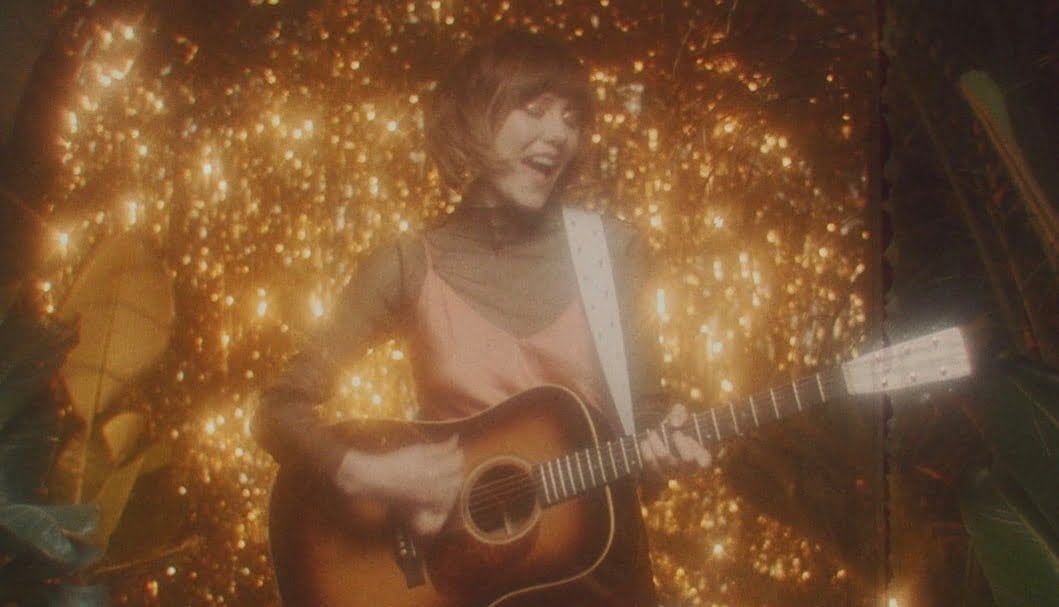
Can you feel it now…? Flatpicking phenomenon and Americana-by-way-of-bluegrass singer/songwriter Molly Tuttle has released her second music video from her debut full-length album When You’re Ready. “Light Came In (Power Went Out)” was co-written with her longtime friend and collaborator Maya de Vitry, as well as When You’re Ready producer Ryan Hewitt and award-winning songwriter Stephony Smith.

The video, directed by Jason Lee Denton, was shot in a plant shop and greenhouse in Nashville, carrying forward the verdant, tropical theme of the record’s cover art with added pops of light and electricity. “I thought that it would be nice to have the visuals almost be an extension of my album artwork, which also had foliage in the background and kind of a golden glow to it,” Tuttle explains. “That gave the video team the idea to look for a plant store or greenhouse that we could shoot in. Mackenzie [Moore] (art direction) and Aliegh [Shields] (producer) thought of crafting a glitter backdrop, and everyone just kind of worked together to make all the rest fall into place.”

After having spent the majority of her life as a performer, Tuttle finds it particularly gratifying to see her musical visions come to life on screen. “I am a very visual person so seeing how the glow of the lights and the lush backdrops add depth to the song is super rewarding. Getting to create in this way is why I love what I do – it was just a very fun evening spent filming in a cute plant store…”

And if you wondered – yes, Tuttle is a fan of the current houseplant craze that has struck many a millennial home and Instagram account. “I love having plants in my house so much!!!” She admits, “It lifts my mood to have greenery around. I just can’t keep any of them alive because I’m constantly away on tour… This video is what I wished the inside of my house looked like, basically, but in reality I just have a few unhappy succulents.”

Watch “Power Came In (Light Went Out)” right here, on BGS.


Photo courtesy Compass Records