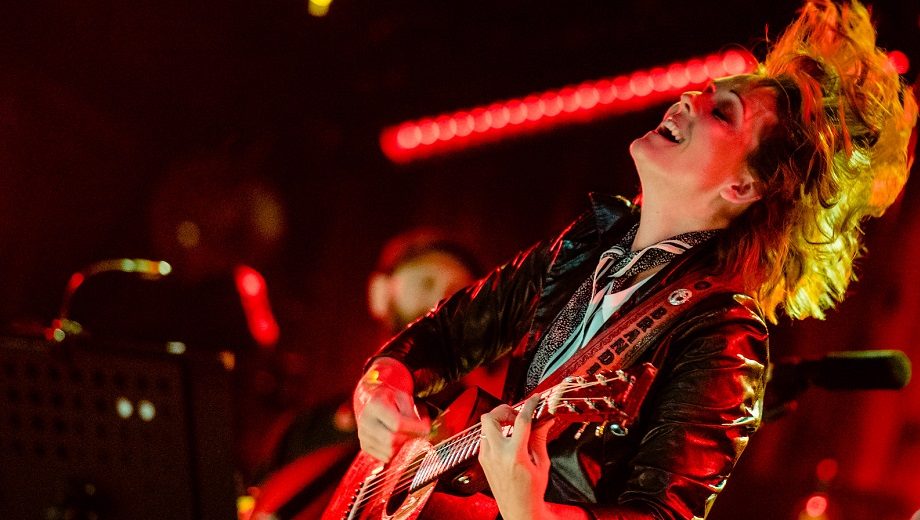
MIXTAPE: Doug Paisley’s Merle Watson Memorial Festival 1994 Playlist

It’s terrifying to imagine now that when I was 18 I got in a station wagon with six other teenagers and drove 12 hours from Toronto to Wilkesboro, North Carolina, to the Merle Watson Memorial Festival. Terrifying because I don’t think any of us had much driving experience, money or sense. I had a big crush on one of the other passengers and would have gotten into the car whichever festival it was going to, but now when I look at the lineup for that year (1994), I’m glad we made it. Over the weekend that crush turned into a romance that lasted for what amounts to a lifetime at age 18, so most of my memories are not of the performers I was listening to who came to dominate my ears for years to come. But the moon-eyed haze I was floating around in tied up my first experience of bluegrass with all the intensity and longing of love and the freedom and excitement of traveling.

I like that bluegrass means such different things to its adherents, but that they all feel it strongly. It can be an exercise in authenticity, an article of faith, a technical jungle gym and an emblem of a time and place in history. It’s a genre that’s small and quirky enough that some people feel they can inhabit, protect and partly own it. Now it’s so embedded in my musical history that I don’t know if I can speak about it intelligibly with anyone who doesn’t already love it as much as I do. Here are some of my favourite songs by some of the artists that were playing at the Merle Watson Memorial Festival in 1994. — Doug Paisley

Alison Krauss – “Endless Highway”

I’m deeply attached to this album and feel that it’s some of the most emotional bluegrass singing. I also love Jeff White’s guitar playing.

Tony Rice – “Walls”

Tony Rice more than anyone else is the reason I am a guitar player and a musician. His many layers of musicality and his broader interests from modern acoustic instrumental music to restoring Accutron watches to his appearance on stage to his insights and comments in interviews make him a fascinating character. I’m so grateful for his time on earth.

Seldom Scene – “Wait a Minute”

When I began to play bluegrass, the high-water mark of what a bluegrass group could be was for me the Seldom Scene. They were such an assemblage of distinct characters. John Starling and John Duffey are two of my favourite singers.

Iris DeMent – “Our Town”

In my daily life I can connect to so much feeling in Iris DeMent’s music, but if I’m going through a hard time I think I’d approach it very carefully because it’s just so powerful.

Peter Rowan – “Moonshiner”

The myriad permutations of Peter Rowan’s music are mind-boggling. On my record shelf he’s the Zelig of great acoustic music.

Emmylou Harris – “Before Believing”

Aside from all the great and probably familiar things we can say about Emmylou Harris, I love her forays into more traditional music — especially on “Roses in the Snow” with Tony Rice on guitar.

Ralph Stanley & The Clinch Mountain Boys – “Sweet Thing” (The Stanley Brothers)

I realize this may not be a landmark tune for the Stanley Brothers, but it always sticks with me and I also love George Shuffler’s guitar playing.

JD Crowe & The New South – “Tennessee Blues”

Once I had finally recovered from the New South lineup with Tony Rice, I then discovered that there was a whole other set of tunes with Keith Whitley on vocals, and my head just about exploded.

Claire Lynch – “Second Wind”

Such a beautiful singer. I heard from dobro player Don Rooke that Claire Lynch may be living up in our neck of the woods now. I hope I get a chance to see her play here.

Tony Rice – “Shadows”

I discovered Gordon Lightfoot’s songs through Tony Rice. He brings out all the power and sadness in this tune.

Doc Watson – “Winter’s Night”

Although I’ve listened to Doc Watson all along I never tried to emulate or learn from his guitar playing the way I did Tony Rice or Norman Blake. There’s something inscrutable and compelling about it for me, and I’d rather take in his music not as a guitar player, but purely as a listener.


Photo Credit: Dave Gillespie
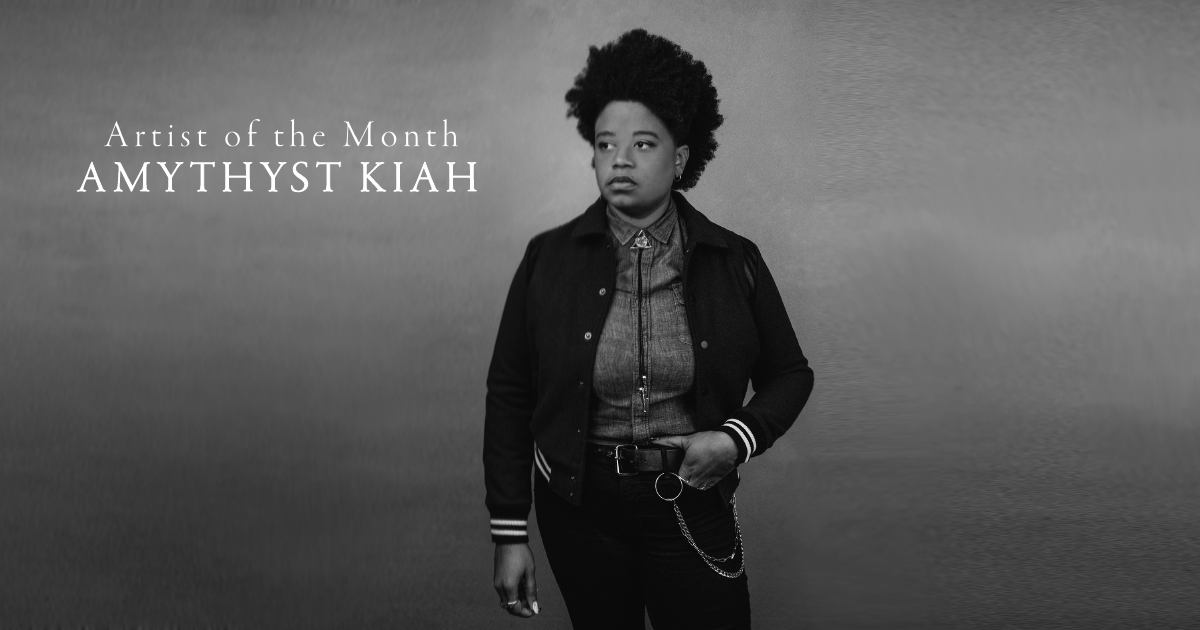
Artist of the Month: Amythyst Kiah

Amythyst Kiah is having a moment with Wary + Strange, an album that positions her among today’s most compelling singer-songwriters. Although she is an East Tennessee native, her personal lyrics somehow feel universal — this isn’t an album about rivers and mountains, but instead touches on identity (“Black Myself”), grief (“Wild Turkey”), and unsolicited advice (“Soapbox”). Written from a place of questioning and reckoning, a gently-played song like “Firewater” would satisfy anyone who enjoys an acoustic aesthetic, as well as those who draw confidence from the music of others.

“A lot of these songs come from a moment in my 20s when I was grappling with trauma while also trying to navigate the experience of being a Black and LGBT woman in a white suburban area in a Bible Belt town,” says Kiah, who moved to Johnson City after growing up in Chattanooga. “I’ve had moments of feeling othered in certain aspects of my life, and it took me a long time to figure out who I wanted to be and how to move through this world.”

With that perspective and a guitar in hand, she’s been sharing her music on stages ranging from the Grand Ole Opry to Newport Folk Festival to Jimmy Kimmel Live, where she performed “Black Myself.”

Upon announcing the record, she noted, “‘Black Myself’ is the first song I’ve written that was confrontational. I’d always made it a point to sing songs that anybody could relate to, but this was something that had been welling up inside me for a long time, and working with three other Black women in Our Native Daughters put me in the position where I finally had the courage to put those words out. The reception of the song so far has given me hope that there are people out there who are ready to confront the shared trauma of racism, to look within ourselves and see how we might be perpetuating racist beliefs, and to do what is needed to create equality for all people.”

Next month, Kiah (pronounced “KEE-uh”) is in the running in multiple categories for the Americana Music Honors & Awards. (As a solo artist, she’ll compete for Emerging Act of the Year, while “Black Myself” is up for Song of the Year. Our Native Daughters is also up for Duo/Group of the Year.) With this incredible career momentum, she’s criss-crossing the country in the months ahead: After a gig with Brandi Carlile and Sheryl Crow at the Gorge in Washington, she’ll be everywhere from Maine to Mexico, with a MerleFest gig in the mix too. Enjoy new music and some crowd favorites in our BGS Essentials Playlist with Amythyst Kiah below. And don’t miss our two-part Artist of the Month interview. Read part one here. Read part two here.


Photo credit: Sandlin Gaither

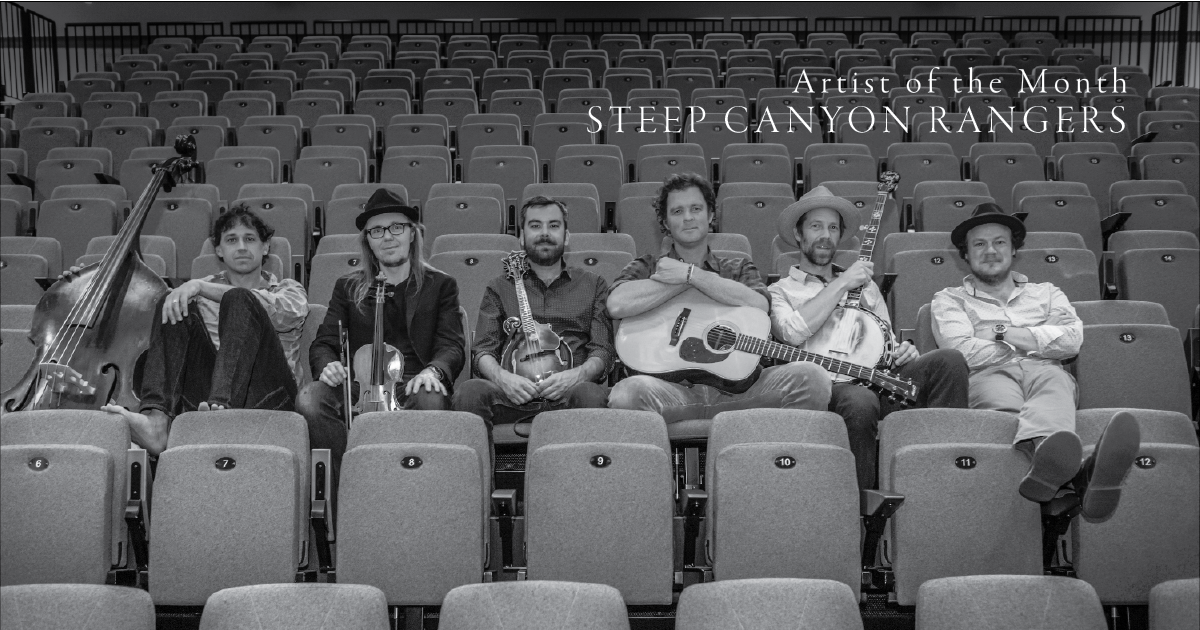
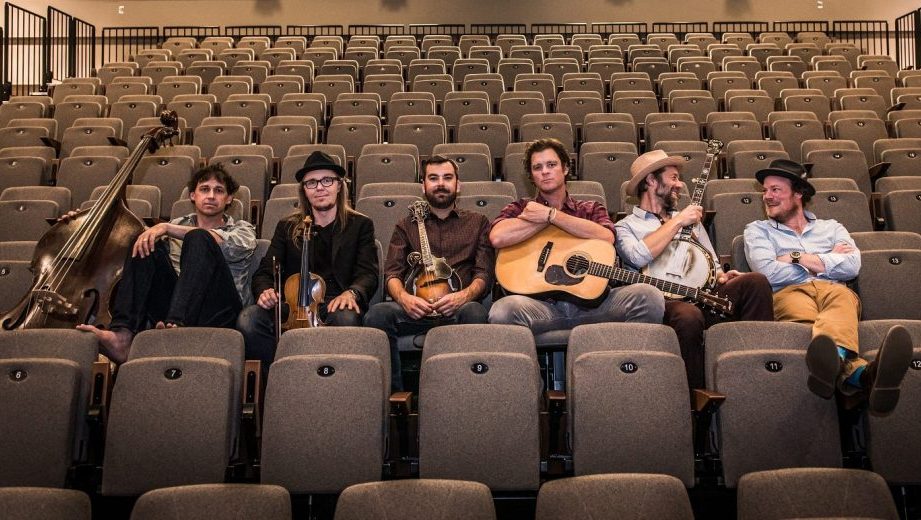
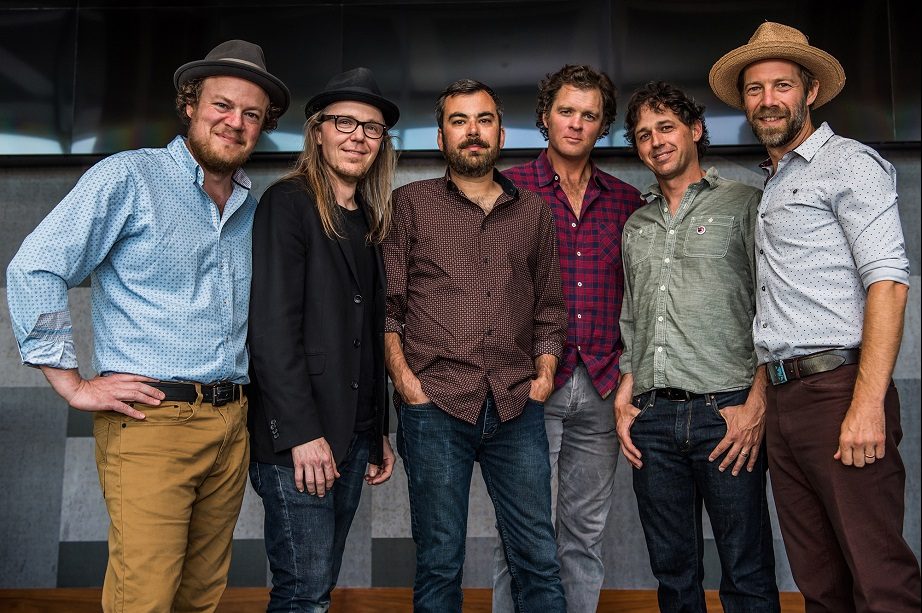
Artist of the Month: Steep Canyon Rangers

In a state with no shortage of bluegrass bands, North Carolina’s Steep Canyon Rangers have always set themselves apart with compelling songwriting and a camaraderie that feels authentic, whether they’re up on stage headlining Merlefest or at a performing arts center supporting Steve Martin. (The band shared IBMA Entertainer off the Year honors with Martin in 2011.) These guys have integrity, sure, but they also have an adventurous spirit, a subtle sense of humor, and a keen perspective that reflects where they are in life.

On their upcoming album, Arm in Arm, bluegrass fans will find a lot to like, but so will those listeners who pay attention to songwriting. It happens to be the first time they’ve recorded an album outside of North Carolina, opting to work at Southern Ground studio in Nashville, and to produce the album with Brandon Bell. Some of the sonic textures may sound different, but the emotions in their music remain intact.

“We’re not trying to sound like a style or genre,” says Graham Sharp, the band’s banjo player, frequent songwriter, and occasional lead singer. “We’re not trying to fit into a certain mold. For a long time, we were a traditional bluegrass band, and that meant the themes would have to fit into that mold: work songs, heartbreak songs, train songs. But we’ve evolved to play any groove, any style, and it has opened us up to so many more possibilities.”

BGS will spotlight Steep Canyon Rangers as our Artist of the Month with back-to-back interviews with two of its founding band members, Woody Platt and Graham Sharp, conducted by noted North Carolina author and journalist David Menconi. (Read part one with Woody Platt here. Read part two with Graham Sharp here.) Arm in Arm arrives on October 16, but we’ve include a few of its early tracks below in our BGS Essentials Playlist for Steep Canyon Rangers.


Photo credit: David Simchock

Doc Watson: Live Moments and Memories

While the late great Arthel “Doc” Watson released scores of albums over the course of his career, he only made the main Billboard charts once and peaked at a modest 193 (for his 1975 album, Memories). But Watson made a far bigger mark as a performer, often in some unusual settings — from the most prestigious concert stages down to humble living rooms.

Even though Watson wasn’t a huge record seller, few artists in the history of American music ever generated more transcendent moments. He remains revered as one of the best flatpick guitarists of all time, and MerleFest (the festival he founded in memory of his late son) stands as an essential acoustic-music event.

Here are some of Watson’s signature moments of performance, captured for the ages. (Listen to the playlist below.)

“Roll In My Sweet Baby’s Arms” – The Three Pickers: Earl Scruggs/Doc Watson/Ricky Skaggs, 2003

We begin with a collaboration between Watson and his fellow North Carolina legend, master of the bluegrass banjo Earl Scruggs, with the old Flatt & Scruggs warhorse “Roll In My Sweet Baby’s Arms” — the closing track from the live album they recorded together in Winston-Salem in 2002. The picking is as hot as you’d expect, especially on this track where Ricky Skaggs urges a solo by calling out, “Try one, Doc!” He gets gone.

“Railroad Bill” – Legacy, 2002

Legacy was the Grammy-winning retrospective album Watson made with his longtime, late-period accompanist David Holt, with songs and stories going all the way back to his earliest days playing music. The package includes a live show recorded in Asheville, North Carolina in 2001, with one of his best-ever versions of the Etta Baker Piedmont blues classic “Railroad Bill.” Watson could indeed play about as fast as a runaway train, and this features some of his swiftest guitar runs ever captured.

“Corrina” – Doc Watson and Gaither Carlton, 2020

Watson’s newest release is this live recording of some of his earliest shows in New York City, 1962 in Greenwich Village, when he was one of the rising stars of the budding folk revival. Watson performs here with his father-in-law, the renowned old-time fiddler Gaither Carlton. But what’s really notable is that Watson is playing banjo in the old style rather than guitar. It turns out he was almost as formidable on five strings as six.

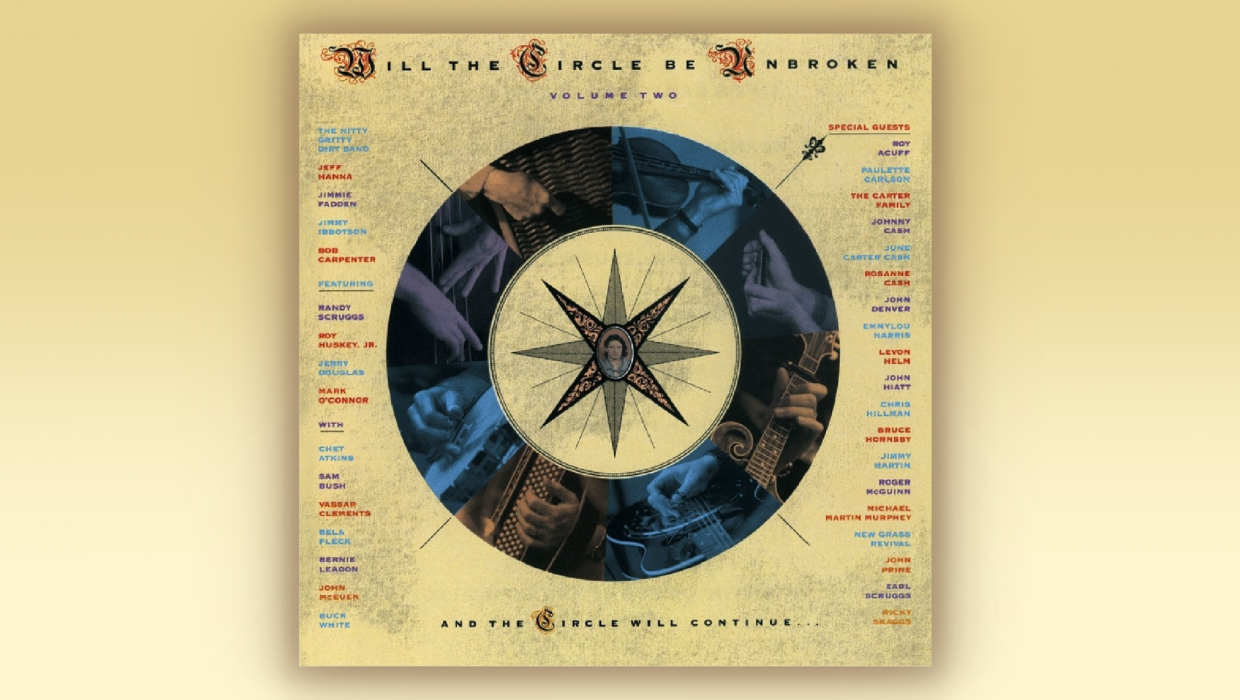
“Tennessee Stud” – Nitty Gritty Dirt Band’s Will the Circle Be Unbroken, 1972

This Americana landmark captured a revolutionary moment, an intergenerational, country-rock summit with the Dirt Band on one side and the country/folk/bluegrass establishment on the other. And it wasn’t live onstage, but live in the studio, with the tape machine left running to record between-song conversations. That captured some of Watson’s priceless homespun pearls (“That’s a horse’s foot in the gravel, man, that ain’t a train!”), as well as what stands as his definitive recording of this stately, well-worn standard. “Tennessee Stud” made Watson a star all over again to yet another generation of roots-music enthusiasts.

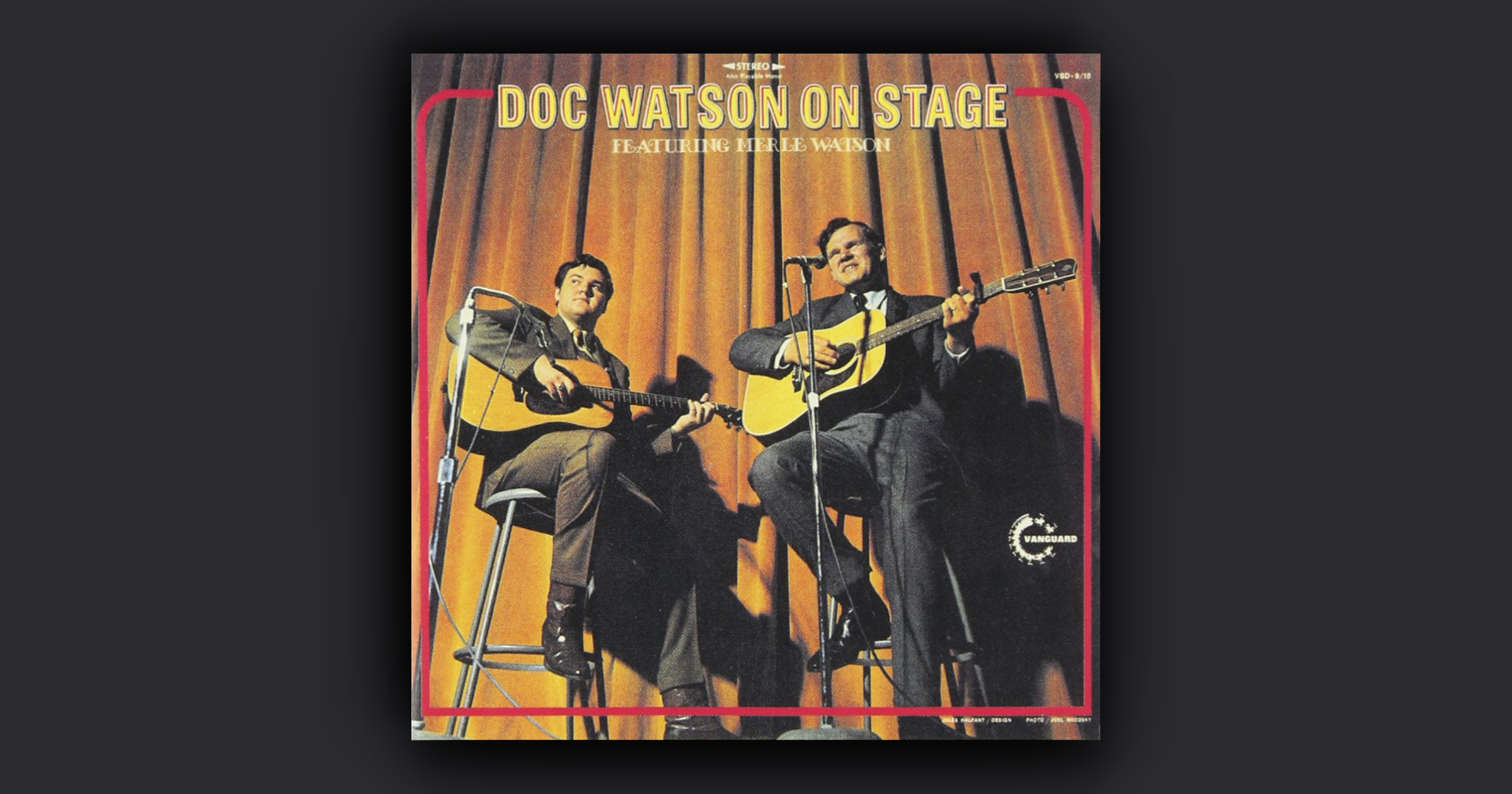
“I Am a Pilgrim” – Doc Watson on Stage, featuring Merle Watson, 1971

Watson had many fine accompanists over the years, but none better than his son Merle, who was always on Doc’s wavelength. Ever modest, Doc always claimed that Merle was the better player. He was, of course, wrong about that, but Merle was a great picker in his own right. Recorded live at Cornell University, this is an excellent version of the old spiritual that also appeared on Circle. “I Am a Pilgrim” would remain an evolving onstage set piece for Doc over the years. After Merle’s tragic death in 1985, Doc would customize the lyrics in performance: “I’ve got a mother, a sister and a brother and a son, they done gone on to that other shore.”

“Blue Smoke” – Doc Watson at Gerdes Folk City, 2001

Another track drawn from one of Watson’s early-period excursions up to New York City, this was recorded during 1962-63 engagements at the legendary Gerdes Folk City nightclub. And this cover of the instrumental by Merle Travis (for whom Doc named his son) is aptly named. When he really got to cooking, Watson could play guitar so fast he just about left a vapor trail.

“Every Day Dirt” (from The Watson Family, 1963)

Ralph Rinzler, the musicologist who first discovered Doc in the early 1960s, recorded this album live at the Watson family homestead in North Carolina. It captures some of what life must have been like growing up singing and playing with Doc; son Merle, wife Rosa Lee and father-in-law Gaither Carlton are among the relatives present. “Every Day Dirt” shows off just how personable a vocalist Watson could be, although as always the real draw is the obligatory killer guitar-picking.

“The Cuckoo Bird” – The Watson Family, 1963

From that same recording, Doc plays guitar accompanied by his son Merle on banjo, covering the old Clarence “Tom” Ashley song that appeared on Harry Smith’s epochal Anthology of American Folk Music. Thanks to the familial radar that comes when blood relatives play together, the instrumental interplay is perfect. This is also a great example at Watson’s mastery of the art of call-and-response between his guitar and voice.

“What Would You Give in Exchange for Your Soul?” – Bill Monroe and Doc Watson, Live Recordings 1963-1980: Off the Record Volume 2

Watson’s modesty was such that his natural inclination was to regard himself as a sideman — even though he was rarely if ever not the best picker and singer in the room. But he plays the role of foil perfectly here, vocally as well as instrumentally, to Monroe’s rippling mandolin and high lonesome tenor on this live version of the first song The Father of Bluegrass ever recorded.

“Wabash Cannonball” – Doc Watson on Stage, featuring Merle Watson, 1971

Before he started playing guitar, Watson’s first childhood instrument was actually a harmonica, which he wore out so fast from playing it so much, his parents had to give him another one at Christmas. A new harmonica became a perennial favorite gift. This version of the venerable folk-music classic features Watson blowing a mean harmonica and his descending runs on guitar are also a thing of beauty.

“Your Lone Journey” – Steep Canyon Rangers’ North Carolina Songbook, 2019

We close with a bit of a wild card, in that it’s a performance by someone else. But it’s one in which the presence of Watson’s spirit looms large enough to be felt. “Your Lone Journey” is a song that Doc and Rosa Lee wrote, and it bids a poignant farewell to a loved one at the moment of death. It is performed here by Watson’s fellow North Carolinians Steep Canyon Rangers, recorded on the main Doc Watson Stage to close out the 2019 MerleFest.


Editor’s Note: David Menconi’s Step It Up and Go: The Story of North Carolina Popular Music, from Blind Boy Fuller and Doc Watson to Nina Simone and Superchunk will be published in October by University of North Carolina Press.

BGS Long Reads of the Week // May 15

Welcome to another week of long reads! The BGS archives are simply chocked full of golden content from across the years. So each week we’re sharing our favorite longer, more in-depth articles, stories, and features to help you pass the time. If you haven’t already, follow us on social media [on FacebookTwitter, and Instagram] for our #longreadoftheday picks — and as always, we’ll put them all together right here at the end of each week.

Our long reads this week are bluegrass two by two by two, they’re historic, they’re virtuosic, and they remain unbroken, too. Read more:

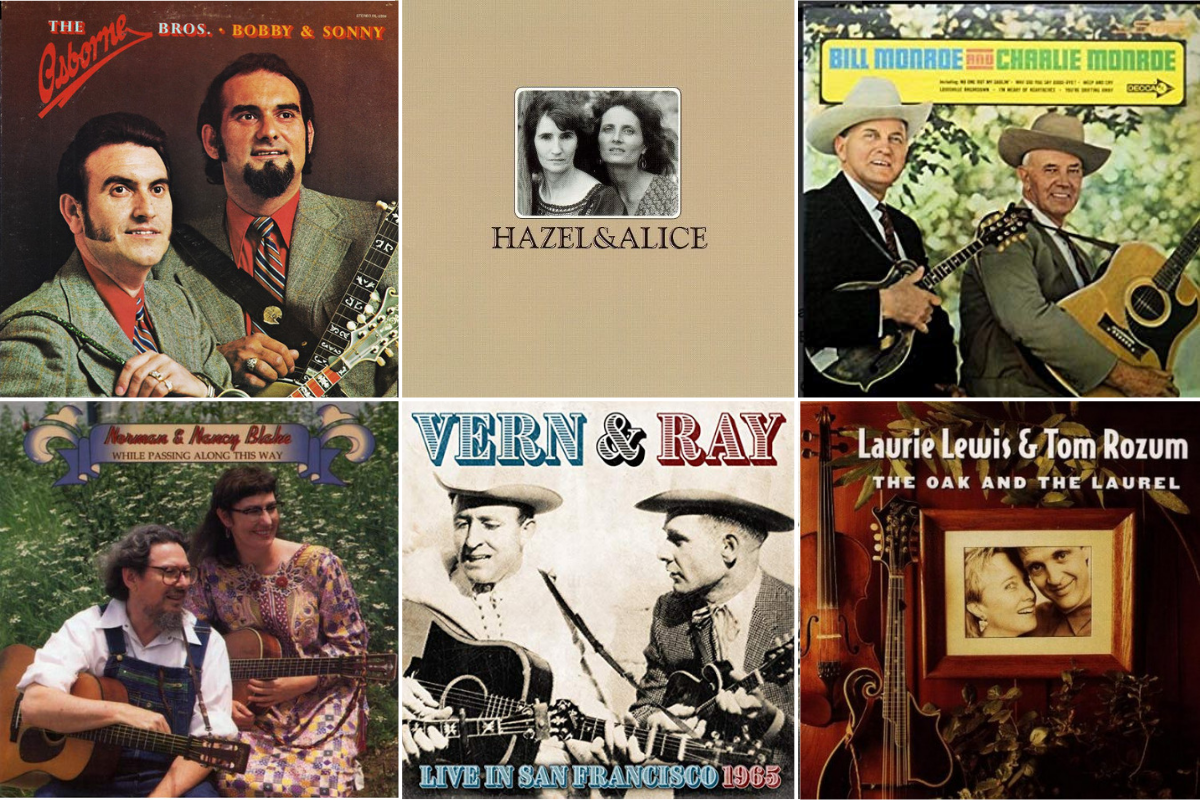
22 Top Bluegrass Duos

Ever since the earliest days of bluegrass and old-time all anyone has ever needed to start a “band” is just two folks, pickin’, singin’, and otherwise. This long read, a delightful collection of twenty-two of the greatest pairs to ever render a number together and call it bluegrass, could easily kill and an entire afternoon or evening — it’s a rabbit hole you’ll want to follow to its end. From Charlie and Bill to Skaggs and Rice and so much more, too. [Check out the full story]


Brandi Carlile: An Interview from Doc Watson’s Dressing Room

Just about a year ago now, in the afterglow of MerleFest 2019, we published this conversation with Brandi Carlile that we had in Doc Watson’s dressing room backstage at the festival grounds in Wilkesboro, NC. Carlile was about to headline the iconic bluegrass, Americana, and roots festival for the very first time — a somewhat historic occurrence that was not lost on those gathered in the storied main stage green rooms of the thirty-plus-year event. [Read the conversation]


Sierra Hull Seizes the Moment in 25 Trips


In our interview with singer/songwriter, mandolinist, and multi-instrumentalist Sierra Hull, we dig into the fresh sonic territory she explores on her most recent album, 25 Trips. For the first time, Hull worked with producer Shani Gandhi, who helped shape the album’s diverse production styles — from stripped down tracks with just guitar and vocals, to familiar bluegrass arrangements, to songs with fuller production than those found on Hull’s first four albums. [Read more]


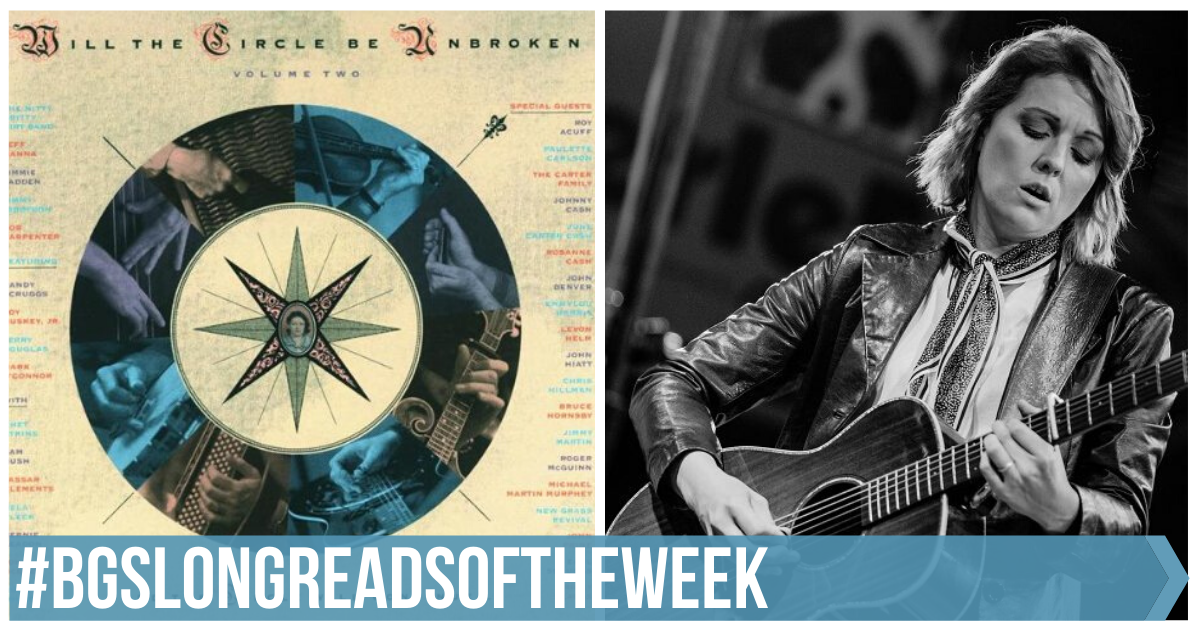
Nitty Gritty Dirt Band’s Jeff Hanna Reflects on Will the Circle Be Unbroken, Volume 2

In September of last year, to mark the 30th anniversary of the “Circle 2” album, we had a conversation with Jeff Hanna about how the group was able to issue a follow-up to the first iconic Will the Circle be Unbroken record that somehow recaptured that magic while covering plenty of new ground. We coupled our interview with a special screening of archival footage from the documentary film about the making of Circle 2 at the Country Music Hall of Fame and Museum. [Read the interview on BGS]


Michael Cleveland Grabs Grammy Nom for (Not Quite) Solo Album

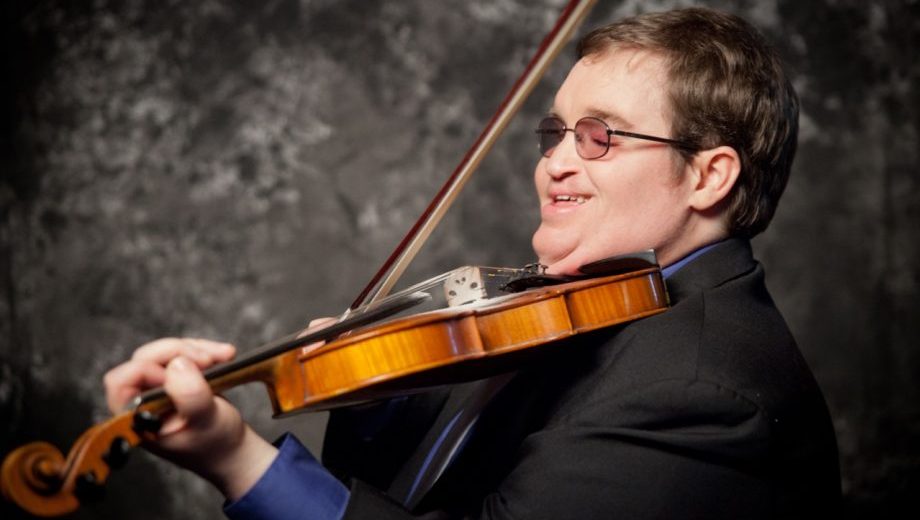
Michael Cleveland is one of the defining fiddlers of his generation, known for his incredibly quick licks, deep groove, and shiver-inducing double stops. His virtuosity has been recognized by artists from many different genres and their thoughtful collaborations have proven that Cleveland is much more than just a flashy fiddler.

His talents were recognized at a young age by many of bluegrass music’s biggest stars and as a teenager he appeared as their guest in such settings as the Grand Ole Opry and A Prairie Home Companion. As one of the most-awarded musicians in IBMA history, Cleveland invited many of his heroes to collaborate on his 2019 album, Tall Fiddler. The project will compete for Best Bluegrass Album at the Grammy Awards on January 26.

Unlike many solo albums, Tall Fiddler features Cleveland’s band Flamekeeper throughout. Half of the record features selections from their popular touring show while the other half features Cleveland and band playing with masters such as Tim O’Brien, Béla Fleck, and Tommy Emmanuel. The origin of many of these collaborations were explored in Flamekeeper: The Michael Cleveland Story, a documentary detailing his journey, from being born blind to forming Flamekeeper.

Cleveland spoke to BGS by phone from his home in Indiana.

BGS: I wanted to ask you what it feels like to be nominated for a Grammy, but I have to imagine it feels pretty good! What does it mean to you?

MC: Well it’s pretty exciting! The last time I was nominated I thought I’d go through the list just to see who’s actually won and who’s been nominated in the past and it is mind-blowing for me to be considered.

And then to be nominated with the Po’ Ramblin’ Boys — I’ve known Jeremy Brown since he was probably a baby. None of my family ever played music, but my grandparents had a bluegrass association in Henryville, Indiana, which is just across the river from Louisville, Kentucky. So we got a lot of bands come out of the Louisville area and from other parts of Indiana. Jeremy’s dad, Tommy Brown, used to play with a band called Jim Simpson and the Kentucky Mountain Grass and it was one of the best bands in the area. Whenever they came to Henryville it was an event.

When they broke up Tommy formed his own band called Tommy Brown and the County Line Grass and I would see Jeremy playing on stage with his dad when he was a little kid. I’ve known all those guys for a while and have a connection with them so it’s really cool to be nominated at the same time as them and all the other artists.

Tall Fiddler is your eighth album. What makes this album stand out from the others?

This album was a little different because it wasn’t strictly a solo album or a band album. I wanted to do something where I could collaborate with other people, but I wanted my band to be on the album as well. It’s just a killer band, they’re who I tour with all the time, and I wanted to hear what they would do with the guests. So the band is on half the album and then there’s special guests on the other half.

We did the title cut, “Tall Fiddler,” with Tommy Emmanuel. That was especially cool because we got to do that live in the studio. Tommy came in and we had never played with him. We’d just worked this up based on a recording of his called Live! at the Ryman where he had played it. So Tommy comes in the studio and I think we knocked that out in just a few takes. It’s a dream come true for me, because I want to see my band collaborate with people like that.

Like Josh [Richards] singing with Del McCoury and getting to play with Tommy, and Dan Tyminski, and Jerry Douglas. The guys in my band are great players and deserve to play with people like that. That’s always been a goal of mine and for my career — to get to collaborate with as many great musicians and heroes of mine as I can. And that’s been possible because of this album and the Flamekeeper documentary, you know? Like, I’ve gotten to record with Béla Fleck.

Yeah, tell me about “Tarnation” and how that track came about.

When we made the Flamekeeper documentary we did some of the filming in Nashville. We got Del, Sam [Bush], Béla, Todd Phillips, and some other people that I’ve worked with in the past to be a part of it. John Presley, the producer of the documentary, said “I think it’d be cool to hear you play some of these guys’ music,” and I said “Yeah, that’d be great!”

We had just got done filming a lot of stuff and I was messing around and started playing a little bit of one of those tunes and Béla’s like, “Oh, you learned that? Let’s play it!” and after that he asked if I liked learning tunes and I told him I love learning new stuff and he said, “I’ll give you a call and maybe we can do something together.”

So then, when I was working on this record I reached out to him and I asked if he’d be interested in collaborating on something and I said “I would love for it to be something that you and I could write together.” He agreed, so we sent stuff back and forth for a while, like voice memos of ideas, and then he came up with that slow part in the beginning — which I really liked, it’s really bluesy. He asked if I could come down to his house to finish working on it.

To be able to go to Béla Fleck’s house and write a song with him. I mean, that’s something I would never dream that I would be able to do. But it’s cool for me to get to be around all these people that we worked with on this album. The thing that strikes me is not only that they’re incredible musicians — needless to say — but their whole [personalities]. They’re great people. They’re just having fun playing music, you know?

You’ve always struck me as a versatile musician because of your ability to collaborate with so many different artists and complement the style while still sounding like yourself. Like how you play on Andy Statman’s Superstring Theory album, for example.

See, that’s the thing. I’ve loved traditional bluegrass for a long time and would mostly just listen to that. But there’s so much music out there that I still haven’t heard that’s classic stuff to other people. I just started listening to Boston and they are awesome! My girlfriend says I live under a rock. But a lot of the music I play in places like Nashville, I don’t really have a whole lot of chances for experimentation. With someone like Andy [Statman] there’s no holds barred. Whenever Andy plays a song it’s going to be different every time.

I have noticed in your live shows that it seems like you’ve been experimenting with having a song or two with an extended solo section that’s a little more open ended than traditional bluegrass might be.

Yeah we’re trying to incorporate more of that because I think the audience like to see something and think, “Oh, this is not what happens every day.” And it’s a fine line because I’ve always been of the mind that you practice, you know the arrangements, and that’s what you play. Maybe you don’t play what’s on the record the whole time but you play it pretty close and you play that every day and that makes it good. And it does.

I always like to hear live recordings for the differences. Like when someone plays a different solo or somebody misses a note but it’s OK; it’s alive. It’s authentic. And it’s sometimes hard for me to remember that it’s music. It’s not supposed to be perfect. When we do the extended solos, that’s when I really pull out stuff and think of things that I would never play. If all you did was just play that arrangement every time and make it as perfect as possible, you might never be able to experience that.

I went to MerleFest one year and I came away thinking [about] all these guys like Sam [Bush], and the McCourys, and Béla, and Tim O’Brien, and Doc Watson. All these people are great instrumentalists and great old-time bluegrass players but they all do so much more than that. And just because somebody’s plugged in, and turned up loud, and improvises, that doesn’t mean they don’t know their stuff when it comes to traditional bluegrass.


Photo Credit: Stacie Huckeba

BGS Top Moments of 2019

If music happened in 2019, but wasn’t a “song” or an “album,” does it make a sound– er… does it warrant real estate in any of the many year-end pieces, wrap-ups, and lists hitting the internet on a daily (sometimes hourly) basis? Why, of course it does! Each year BGS notes Top Moments of roots music — whatever form they may take — as a way of reminding ourselves that the art we each consume, especially of the musical variety, is often at its best when it eschews the formats and media we expect and/or most closely associate with it. What changes about the way we view a year in music when we alter the context as such? First and foremost, we change just that — our viewpoint. Turns out that makes a world of difference.

Speaking of top moments, one of the best for the BGS team took place just last week, as we premiered a brand new look with an updated homepage and logo. A lighter color palate, clean modern lines, and updated fonts usher in a new era for the site, and hopefully a positive reading experience for you, our beloved fans and readers. Not unlike the state of roots music itself, our new look is constantly evolving, but what’s at the heart of it remains timeless. Now, read about more moments that turned our heads and caught our ears over the course of the past 12 months.

Chris Stapleton Creates LEGO Alter Ego

When Chris Stapleton’s music video for “Second One to Know” hit YouTube, I found myself musing, “What are the benchmarks we use to determine someone’s level of notoriety? What are their claims to fame? Owning a tour bus? Having your first number one hit? Being the musical guest on SNL? Having a highway named after you? Or perhaps a proclamation from your local public figures designating a [Named After You] Day?” Seriously, can you imagine getting to a point in your country pickin’ / singin’ / songwritin’ career where your Game of Thrones cameo falls into the background of your music video star LEGO-self?

I would be remiss if in this blurb I did not mention another real-ass country singer/songwriter/rabble-rouser who dabbled in alternative visual media this year, too — that would be Sturgill Simpson’s “Sing Along.” More of this oddball, non sequitur energy in country in 2020, please. – Justin Hiltner


Dolly Parton’s America Podcast Finds Common Ground

Epiphanies in the podcast series Dolly Parton’s America are too many to count, as host Jad Abumrad and his team explore the notion that the Tennessee songbird is a rare unifying force in the fractured socio-cultural universe — everyone loves Dolly! But the fourth episode, titled “Neon Moss,” finding the common ground of Dolly’s Tennessee mountain home and the Lebanon mountain home in which Abumrad’s dad (a doctor who became friends with Parton after treating her in Nashville) grew up is gripping on a cultural and emotional level. Bonus: BGS’ own Justin Hiltner and his banjo pop up as a key part of a later episode. – Steve Hochman


Duos, Duos, and More Duos

Were you seeing double this summer? Mandolin Orange, Tedeschi Trucks Band, and Shovels & Rope offered exceptional albums and sold tons of tickets. From the sweeping San Isabel from Jamestown Revival to the intimacy of Buddy & Julie Miller’s Breakdown on 20th Avenue South, roots duos were having their moment. Personal favorites included The Small Glories and Bruce Robison & Kelly Willis, but the true discovery for me was Dravus House, a Seattle duo who delivered an understated and beautiful album that blends Elena Loper’s vocal with Cooper Stouli’s soft touch on guitar to stunning effect. – Craig Shelburne


Del McCoury Turns 80

At 80 years old, Del McCoury has witnessed the rise of bluegrass while still being actively involved in it. (In fact, he’s got a gig this weekend in New York with David Grisman, Jerry Douglas, Drew Emmitt, Andy Falco, and Vince Herman.) An all-star tribute at the Grand Ole Opry provided perhaps the most musically satisfying night of music this year for me, mostly because The Del McCoury Band has still got it (and they make it look like so much fun). Check out their 2019 performance on Live From Here With Chris Thile. – Craig Shelburne


Hadestown Wins Big on Broadway

In an era when Broadway has seemingly been taken over by jukebox musicals that rehash the catalogs of legacy artists, watching Anaïs Mitchell pick up eight Tony Awards for Hadestown was a surreal triumph. For those of us who have followed Mitchell’s career over the past couple of decades, it was truly remarkable to see a grassroots musical that she first staged in 2006 reach the heights of Broadway, earning her a win for Best Musical and Best Original Score. “Wait for Me,” indeed. – Chris Jacobs


Ken Burns Digs Deep into the Roots of Country Music

Ken Burns has a long history of digging into America’s deepest roots, through documentaries like The Civil War, Jazz, Baseball, and The National Parks. In 2019 he took those roots in a more on-the-nose direction, exploring the long and varied history of American Roots Music through his PBS documentary series Country Music, which premiered in September. As the filmmaker himself said in a recent interview, “Country Music is about two four-letter words: love and loss.” Thanks to Burns, who looks unflinchingly at all of the different stories that have shaped this music, we get to see the love, the loss, and everything in between. – Amy Reitnouer Jacobs


MerleFest and IBMA, Rediscovered

After a long break, I made an effort to reconnect with two of the preeminent roots music festivals  in 2019 – MerleFest and IBMA’s World of Bluegrass. With other obligations in Nashville, it had been five or six years since I’d attended either, and both surprised me for different reasons. At MerleFest, I was struck by the caliber and diversity of artists, in particular for landing a headlining set by Brandi Carlile in her breakout year. Five months later, I returned to North Carolina to see IBMA in action, amazed by the way that the city of Raleigh has embraced the musical experience, from the Bluegrass Ramble to the StreetFest with plenty of outdoor stages. North Carolina, I’ve got you in my 2020 vision. #ComeHearNC – Craig Shelburne


“Old Town Road” Can Lead Anywhere

Is “Old Town Road” country? Like millions, maybe even billions of fans, I’m inclined to answer that question with an emphatic “Of course it is!” But I’m also inclined to ask: What else is this song? Is it roots music? Is it folk? Blues? Yes, yes, and yes. That chorus is powerful in its simplicity, and it’s not hard to imagine Doc Watson singing those lines or Geechie Wiley intoning that sentiment mysteriously from some lost B-side, accompanied by a century of acetate scratches and surface noise. Almost accidentally existential, the chorus speaks to an unnamed American melancholy, and it can mean anything you want it to mean and be anything you want it to be. – Stephen Deusner


Roots Music Don’t Need No Man

No, like literally. After 2019 we can definitively say that roots music as a whole does not need any men. From the first albums of the year (say, Maya de Vitry’s Adaptations or Mary Bragg’s Violets as Camouflage), followed by two indomitable women of the Grammys (Kacey Musgraves and Brandi Carlile), then two universally regarded supergroups (Our Native Daughters, the Highwomen), the resurgence of true legends (like Reba McEntire’s Stronger Than the Truth and Tanya Tucker’s While I’m Livin’), to a Newport Folk Fest collaboration that combined nearly all of our favorites, this year in Americana, bluegrass, old-time, and folk has been defined by women. There were pickers (Molly Tuttle, Nora Brown, Gina Furtado), there were scholars (Allison de Groot & Tatiana Hargreaves, Our Native Daughters), there were poets (Caroline Spence, Jamie Drake) — repeatedly this year I found myself in musical spaces that, if all of the men were subtracted, I would still want for nothing. #GiveWomenAmericana – Justin Hiltner


Yola’s Meteoric Rise

Co-write sessions and frontwoman-for-hire gigs aptly prepared Yola for the non-stop successes she’s had in 2019, from sharing stages with childhood heroes Mavis Staples and Dolly Parton to nabbing a whopping four Grammy nominations, including a coveted Best New Artist nod. Kicking off the whirlwind year was her Dan Auerbach-produced debut solo album, Walk Through Fire, a beginning-to-end stunner and a sure sign that Yola’s star power will only continue to rise. The ample steel guitar on “Rock Me Gently,” the countrypolitan charm of “Ride Out in the Country,” and the buoyant old-school soul of a new bonus track “I Don’t Wanna Lie” show off an eclectic roster of influences and a striking vocal range. But the album standout might be its only number written solely by Yola, “It Ain’t Easier,” a slow-burner with a hell of a bridge that pays tribute to the hard work behind even the greatest of loves. On the stage, in the studio, and in everything she does, Yola is putting in the work — and we can’t wait to see what 2020 holds. – Dacey Orr

Steep Canyon Rangers Salute Their State on ‘North Carolina Songbook’

Steep Canyon Rangers have been musical ambassadors of North Carolina for nearly 20 years, and during this year’s set at MerleFest, they presented a wide-ranging performance drawing on their home state’s diverse contributions to American music. That feel-good Sunday afternoon show is now available as an eight-song live album, North Carolina Songbook.

The collection covers inspirations from jazz musician Thelonious Monk, folk/blues hero Elizabeth Cotten, and enduring acoustic legends such as Doc Watson and Flatt & Scruggs. Replying by email, mandolin player Mike Guggino answered these first five questions, with singer/guitarist Woody Platt rounding up the remainder.

BGS: The music of North Carolina can be an overwhelming subject. What was the audition process, so to speak, when it came time to deciding which songs you wanted to include in your set?

Guggino: We all tried to come to the table with songs that we thought might work for the set. We knew we needed not only good songs, but also songs that worked well together to make the set flow. We needed the set to have some diversity, some highs and lows dynamically. We also wanted to feature different members of the band throughout the show.

These songs are familiar, of course, but how much did you rehearse the set list before singing at MerleFest?

We starting working on the tunes a few months before the show. We tried to incorporate many of the tunes into our shows leading up to MerleFest to get an idea of how they worked within the set.

Naturally it’s important to have Doc Watson and Rosa Lee Watson represented. How often did you cross paths with them, and what do you remember most about them?

We all started going to Merlefest in our college years and Doc would perform every year. Seeing him play live was always a highlight of the festival for us. His was some of the first bluegrass/Americana music many of us in the band were ever exposed to. We starting learning many of Doc’s tunes for our shows early on as a band. Many years later, Doc played our festival (Mountain Song Festival) in Brevard. He was one of the nicest musicians I have ever met. It was an honor to meet him and none of us will ever forget that experience!

“Don’t Let Your Deal Go Down” is a bluegrass staple. Do you remember how you all first heard that song?

That was one of the first Flatt & Scruggs tunes we ever heard or tried to learn. I’ve always loved the ragtime-like chord changes in that tune. Also, Earl played it open and the tune is in F major. It definitely gives it a unique sound on the banjo. I think Graham played the heck out of that one on the record!

What were the conversations like as you were deciding what kind of arrangement you wanted to give “Stand by Me”

We all agreed we wanted to feature that beautiful string solo section in the middle. This required a few extra fiddlers to make it happen and it came off so nicely. Woody really sings it with a lot of passion and that is really what makes the song work, in my opinion. We didn’t end up straying too far from the original arrangement in the end. It’s a simple song and we didn’t want to overthink it.

True to its name, “I’ve Endured” has been around a while. What pulled you toward this song?

Platt: This song was a natural fit — not only was Ola Belle Reed a clawhammer banjo player from Grassy Creek in Ashe County, North Carolina, but this song and several of her others have been pulled into the bluegrass genre. We have heard several versions of “I’ve Endured” and we are proud to now have our own.

This album is coming out on vinyl on Record Store Day. Who is the biggest vinyl collector among you?

Everyone in the band has an interest in vinyl and has a nice collection. Without doing an exact count I’d have to say Graham [Sharp, on banjo] is the biggest collector.

“Sweet Baby James” is a highlight of this album. Who is the biggest fan of James Taylor in the band?

James is from Chapel Hill, North Carolina, where the band was originally formed. All of us have connections to his music in some way or another. I’d guess Barrett [Smith, on bass] is the biggest fan. He did a great job channeling James’s vibe and delivery on this version.

North Carolina Songbook provides a chance for you to share part of your state’s musical heritage with the world. What do you hope fans will take away from the experience of listening to this album?

The takeaway is North Carolina’s incredibly rich and diverse musical history! Also, we have recorded nearly 100% of our own original music throughout our career — so it’s fun to show a different side of the band and how we can interpret other songs and deliver them in the SCR style.

What lies ahead for the Steep Canyon Rangers in 2020?

We have a few new projects coming up in 2020. A collaboration with the Asheville Symphony will be released in early 2020. Later in the year we will be releasing a new project of all original SCR material. Other than that we plan to continue to tour and play theaters, clubs, and festivals all over the country and abroad. There will also be some touring with our banjo buddy Steve Martin.


Photo Credit: David Simchock

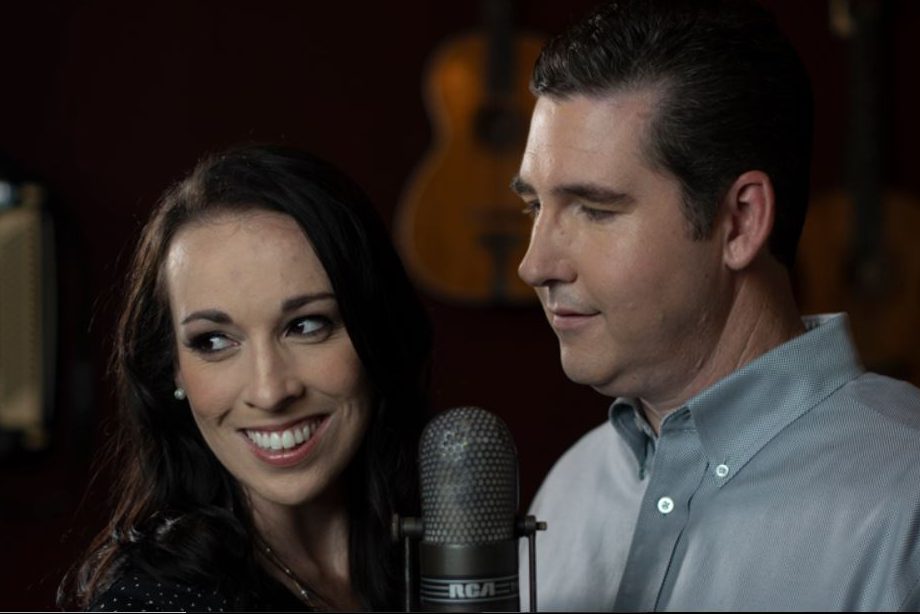
Darin & Brooke Aldridge’s ‘Inner Journey’ Always Leads Back to Bluegrass

The first time they ever sang together, Darin and Brooke Aldridge harmonized on “The Prettiest Flower,” an old hymn familiar to any Baptist church. They’ve scarcely stopped since then, with their latest album Inner Journey placing their stunning musical blend at its center on classics like “Teach Your Children Well” as well as songs written by the likes of Kasey Chambers, First Aid Kit, and Nanci Griffith.

“Brooke and I have always been trying to develop our sound. On this one, we stayed true to our bluegrass roots in some of the material,” Darin says. “We’re more of a vocal band. We can base things around Brooke’s singing and our duet style and harmonies, and we want our songs to send a message out that speaks to us.”

Versatile enough to sing a Louvin Brothers song one minute and a Bryan Adams song the next, the married couple commands a musical vocabulary that nonetheless lends itself to bluegrass. Darin Aldridge co-produced the project — their first for Rounder Records and sixth overall — with Mark Fain. And on the afternoon following this interview, Brooke Aldridge picked up her third consecutive IBMA female vocalist trophy, indicating that their audience is on this journey too.

BGS: This album begins with “I Found Love,” which has a tie to Earl Scruggs, right?

Darin: It does. I listened to that on a plane ride back from somewhere in New England and I had my iPod with me and the Earl Scruggs and Friends record was on there, with Vince Gill and Rosanne Cash singing it. I just thought, “Man, that would be a good grass-up number right there for us.” It’s a pretty good tempo and a duet and it speaks to what I was just saying – about what I want to get out there, in our life and in our history, and what we want to go forward with. Then I got to looking at the writing credits and it was Earl and Randy Scruggs and our buddy Vince. That was perfect. That’s all we needed.

Brooke: It’s one of those positive songs that we set out to do a long time ago when we first started making records. We talked about how we wanted to have a positive and uplifting message in most everything that we ever recorded. Some people have told us down through the years that we weren’t going to do very well doing that kind of thing. But I think that’s not the case at all! We’ve done very well sticking true to what we love and what we believe in, in each other.

But when you hear a good heartbreak song like “Every Time You Leave,” how do you respond?

Brooke: Oh, gosh, you just realize how true those words are. Because just like “Every Time You Leave,” we’ve all been through hard relationships or hard times in our families where we’ve lost loved ones or things haven’t worked out quite the way we wanted. I think that really speaks measures to me when we’re listening to songs like that and trying to decide what’s going to affect somebody out there listening.

Darin: The harmony speaks to us as well. We got to do that song with our buddy Jimmy Fortune. We got to tour a lot with Jimmy in the last couple of years and wanted to get a good song that represented that out there on the road for our singing together, and it just comes perfectly.

I want to ask you about “Your Lone Journey.” I learned that from a Doc Watson record.

Darin: Yeah, we did, too.

Why did you choose to include that song on here?

Darin: We got to visit Doc and become friends with him through MerleFest, through him being in North Carolina. A friend of mine took me up to visit him at his house about a year before he died. We’d been featured in Bluegrass Unlimited maybe a couple months before, and Rosa Lee brought the magazine to us when we got there. She said, “I’ve been reading about you all and glad that you all are here.”

She got to telling us the story of how she wrote that song. She was just sweeping in her kitchen, wasn’t she, Brooke?

Brooke: Yeah. And I think the words just came to her. She was sweeping and her and Doc arranged it, I guess, and made it theirs. What a great-sounding song.

Darin: Yeah, we sat there with them in the living room and talked about that, and he got to talking about Merle, and when he couldn’t wait to see him in heaven with his own eyes again. It is powerful, man. We just wanted to include that and it’s got an old-timey feel to it. Brooke’s got a really good mountain voice as well. It really fits.

Brooke: What Doc and Rosa Lee had brought to the music over the years and what they mean to us — we definitely wanted to include one by them. And it was funny because Doc kept saying that a lot of people title this song, “Your Long Journey.” And he’s like, “That’s not how Rosa Lee wrote it. It’s ‘Your Lone Journey.’” We made sure to get that right on this record.

Darin, have you been playing guitar your whole life?

Darin: I started probably 12, 13, something like that.

Never put it down?

Darin: Nah, I picked up the mandolin when I was 15 or 16. My brother and his baseball buddies had a little basement band. They’d all get around — he was a drummer – and pick on rock music and stuff like that, so I slowly learned that. I’d listen to the tunes after they’d quit playing and I’d start figuring them out, so I could sit in with them. Then the next week or two, I’d learned the tunes better than they had. Then their guitar player would ask me, “How’s that really go?”

Brooke: A little Van Halen? (laughs)

Darin: Yeah, all that stuff — ‘80s hair band stuff, I was big on [that]! Then I got to singing more in church as I grew and got into a gospel band through some buddies in the marching band. They went to church somewhere and said, “You play and sing — you got a banjo?” I actually had a banjo at the time but really hadn’t learned how to play it. I was like, “Oh, yeah, I can play banjo.” So I learned real quick, just so I could be in the band and start picking and singing. And I quickly moved to the mandolin after that. One of the guys could just play in a certain amount of keys, A and D maybe.

Ricky Skaggs has always been a huge influence and I wanted to do something I saw him do on the Opry, which was a quartet with a mandolin and guitar. Since we were singing in churches a lot, I wanted to do some of that material like Bill Monroe did. I recorded [the Opry] on a VHS tape, so I went upstairs with the mandolin and watched it. This song was in G, so I sat down and figured out the notes on the mandolin. I come down there to show it to him so he could play it, because I was the guitar player in the band. He said, “No, man, you just play mandolin.” [All laugh] So I just started playing mandolin from then on.

Brooke, did you start singing when you were around 12 or 13, too?

Brooke: Probably from the time I could talk, I started singing. My mom, my sisters and I used to sing in church. As I was getting a little bit older, my parents realized at an early age that I could pick up lyrics to a song just by hearing at one time. They started putting me in singing competitions. The school system where I was, in Avery County, used to have a yearly talent show. It would start out in the elementary schools, and if you placed first, second, or third you went onto the county-wide talent show and got to showcase your talent in front of everybody.

Those kinds of things, and doing community events and competitions all throughout my childhood, really prepared me for loving this more so when I got to adulthood. And so it’s been a neat journey. After Darin and I met, I had goals and dreams, of course, just like everybody in the music business does. We still talk about how we never imagined we’d get to do some of this stuff we’ve gotten to do. It’s been really cool to see those things become reality.

What are you looking forward to the most with this record coming out?

Darin: It’s been a few years since we put one out. I think we’ve grown a lot in those two years, and everything that’s followed, with what we’ve been doing, recording, trying to say as artists. We have grown maturely, too, in our music. And I think this record reflects that.

Brooke: I think that’s why we chose the title that we did, Inner Journey, because as kids, you imagine or dream about things that you can be when you grow up. And then, when you come into adulthood, you stop and think about where you came from, and what you’ve gotten to do, and if your heart really followed that path from a child to now. And I feel like ours definitely has. It’s been our inner journey. God has put us exactly where we needed to be at that exact moment.


Brandi Carlile: An Interview from Doc Watson’s Dressing Room

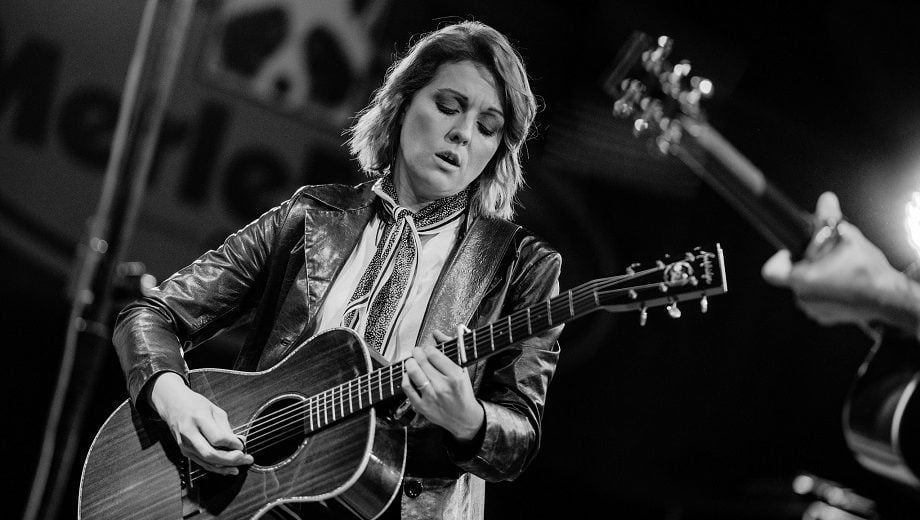
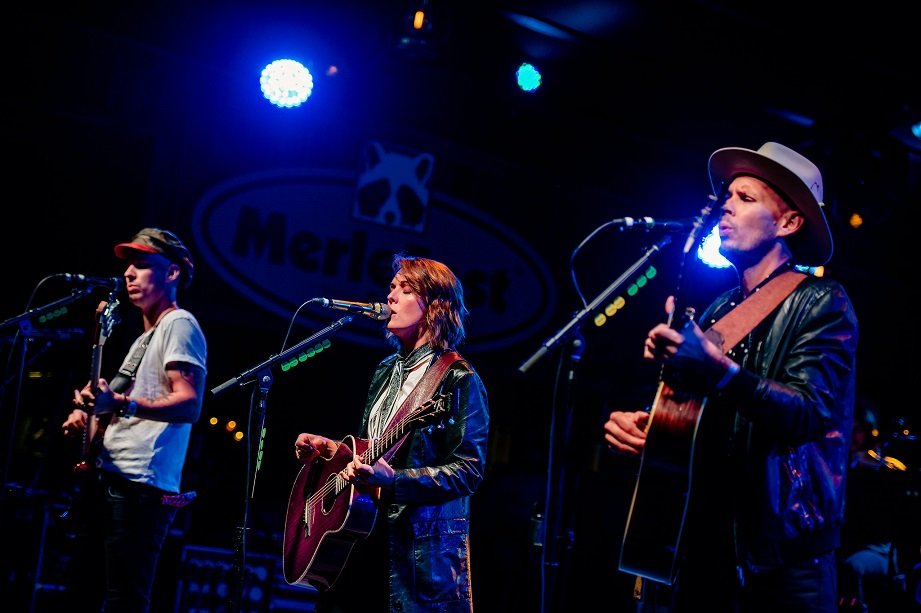
Give or take, it’s about 2,800 miles from Brandi Carlile’s native Seattle, Washington, to Wilkesboro, North Carolina, home to the renowned music gathering known as MerleFest. (See photos.) And as the Saturday night headliner this year, the award-winning singer-songwriter took to the Watson Stage during the 32nd annual MerleFest, surrounded by the Blue Ridge Mountains and an overzealous audience in the neighborhood of 30,000.

Backed by her rollicking Americana/indie-rock band, which includes founding members Phil and Tim Hanseroth (aka: “The Twins”), Carlile held court during an unforgettable performance that led to one of the festival’s finest moments — Carlile around a single microphone with North Carolinians Seth and Scott Avett for an encore of the Avett Brothers’ “Murder in the City.”

But a few hours before that performance, Carlile found herself standing backstage alone in the dressing room of the late Doc Watson, the guitar master who founded MerleFest. Gazing around the small square space, she looked at old photos of Watson and other legendary Americana and bluegrass performers that have played MerleFest over the years: Earl Scruggs, Alison Krauss, Peter Rowan, Rhonda Vincent, Tony Rice, and so forth.

Carlile smiled to herself in silence, truly feeling humbled in her craft and taking a moment to reflect on her wild and wondrous journey thus far, all while possessing a once-in-a-generation talent — something broadcasted across the world during her staggering performance of “The Joke” in February at the Grammys, and amid a standing ovation from the music industry. Remarkably she also picked up all three Grammys in the American Roots Music categories.

We met Carlile in Watson’s dressing room before the show for our interview and surveyed the steps she’s taken from Seattle to the MerleFest stage.

BGS: It seems as big as your career has gotten, the humble nature of where you came from still remains within you, as a headlining performer now.

Carlile: It does. Part of that reason why I feel that is part of who I am is because of the people that I’ve surrounded myself with — The Twins, our families, our kids, and our folks. They’re not going to let anybody get too heady or too ahead of themselves. Everybody puts you right back in your station if you’re getting there.

Growing up around Seattle, was Kurt Cobain’s songwriting or specifically the Unplugged in New York album by Nirvana ever a big influence on you as a performer?

It was later in life. It’s so funny, like when you live in the [Pacific] Northwest, the intensity that was directed towards country music for me was big because I didn’t have proximity to it. I was so far away from it. People in the South, I think so often they love country and western roots music, bluegrass, folk, and Americana music. It’s not that they take it for granted, but they don’t realize sometimes that they’re so close to it — it’s right here. And we don’t have that proximity, so I think we love it a little more intensely in the Northwest.

Because you’re seeking it out maybe?

Yeah. And [it’s] even more concentrated in the [United Kingdom]. I mean, if you want to meet some of the most potent country music fans, you go to the UK. And Seattle is kind of that same vibe. So, when I discovered grunge music and rock ‘n’ roll music, it was after it had already happened in my city, which had its own grief period with it, but also kind of an intense celebratory thing because I had missed it. I wanted to know everything about what happened in my city. And what I came away with was realizing we came up with something new. We didn’t repeat anything. We didn’t throw back to an era. We didn’t put on a Halloween costume. We did something brand new.

So, how does that apply to where you are today, in terms of what you want to create with your art?

I’m kind of a hybrid thinker, in general. I like putting ideas together and posing thoughts, things like that. I’ve never really been a great or very successful genre person.

You don’t want to be pigeon-holed…

It’s not that I don’t want to be pigeon-holed, it’s just that I don’t know if I’m able to be. Unfortunately I’ve always wanted to fit in, but I don’t know if I ever will.

Well, to that point, this last year, at least from an outsider’s perspective, has seemed like a whirlwind in your career, with the trajectory it’s on now. Has it been a slow burn to this point or is this a whirlwind, and how are you dealing with all of that?

That’s a good question. It’s both. It’s been a slow burn to this point. I’ve been working for a long time. But it was a really big change. That Grammy moment changed my life, and in a really, really big way. I can’t even catch up to it yet — I don’t even know how to catch up to it yet.

Or if you even want to embrace it. I mean, how do even wrap your head around something like that?

No, dude, I want to embrace it — I love it. I’ve always loved everything about music and the music business since I was such a little girl. I sat in my room wanting the biggest and the best of opportunities for myself, my family, and my friends. And so I’ll find a way to embrace it. And I want to — I’m really insanely grateful for it.

What do you remember from that moment? I was thinking, the stunning way your voice and the energy was going up and down, any frustration, any love or sadness you’ve experienced was put out through that microphone at that moment…

Yeah. I think I’m going to live to be 100 because that is how I do it, you know? I just let it all out. And in that moment, I don’t know — I was just so ready for it. I’m 38. I’m not a kid anymore. I’m not going to get too nervous or too excited and come undone. But, I am going to enjoy it while it’s happening. Like so many big things in your life you don’t really get to enjoy it.

Or maybe in hindsight you realize how important it was…

Yeah, man. Like loving everything in retrospect, enjoying everything in retrospect. And I was just so right there, right in the moment at the time — more so than maybe ever before while performing.

So, does that mean you subscribe to the idea of “the now,” to learn to be present, rather than worry about what was and what could be?

Yeah, but I’m horrible at it. But for some reason, that day I was able to get there. And I think it’s because I had been so nervous and then I won those three [Grammys]. I was like, “What do I got to lose? I’m just going to do this. I’m just going to show everybody [who I am].”

What is the role of the songwriter in the digital age, in all this chaos that is the 21st century?

To try to be as permanent as you can in a temporary environment.

In all the years you’ve created and performed music, traveling the world and meeting people from all walks of life, what has it taught you about what it means to be a human being?

Well, it’s taught me so much. I think you need to travel, in general, in life. You cannot stay put and not see the way that people live and then try and create an assumption about the way the world works. Travel, in general, has taught me so much about social justice and empathy. It’s enhanced me spiritually as a person, and that’s the thing I think I’ve garnered the most out of it. But I’ve met some really wise and special people as well. And to get to meet your heroes, people that you’ve admired – to find out if you were completely wrong about how much you admire them or being completely right — has been so enlightening.

And what about being in Doc Watson’s dressing right now, being at Merlefest?

Being in Doc Watson’s dressing room is really moving. I’ve been looking around at the pictures and the gravity of it. And when you’re here at this festival, you feel the reverence and you understand what it’s all about. And it’s something I’m coming to later in life. Just like I missed the greatest rock ‘n’ roll genre of all-time — grunge — in my very own city, I missed this experience, too — and I’m looking forward to diving in with both feet.


All photos: Michael Freas