Editor’s Note: Each issue of Good Country, our co-founder Ed Helms will share a handful of good country artists, albums, and songs direct from his own earphones in Ed’s Picks.
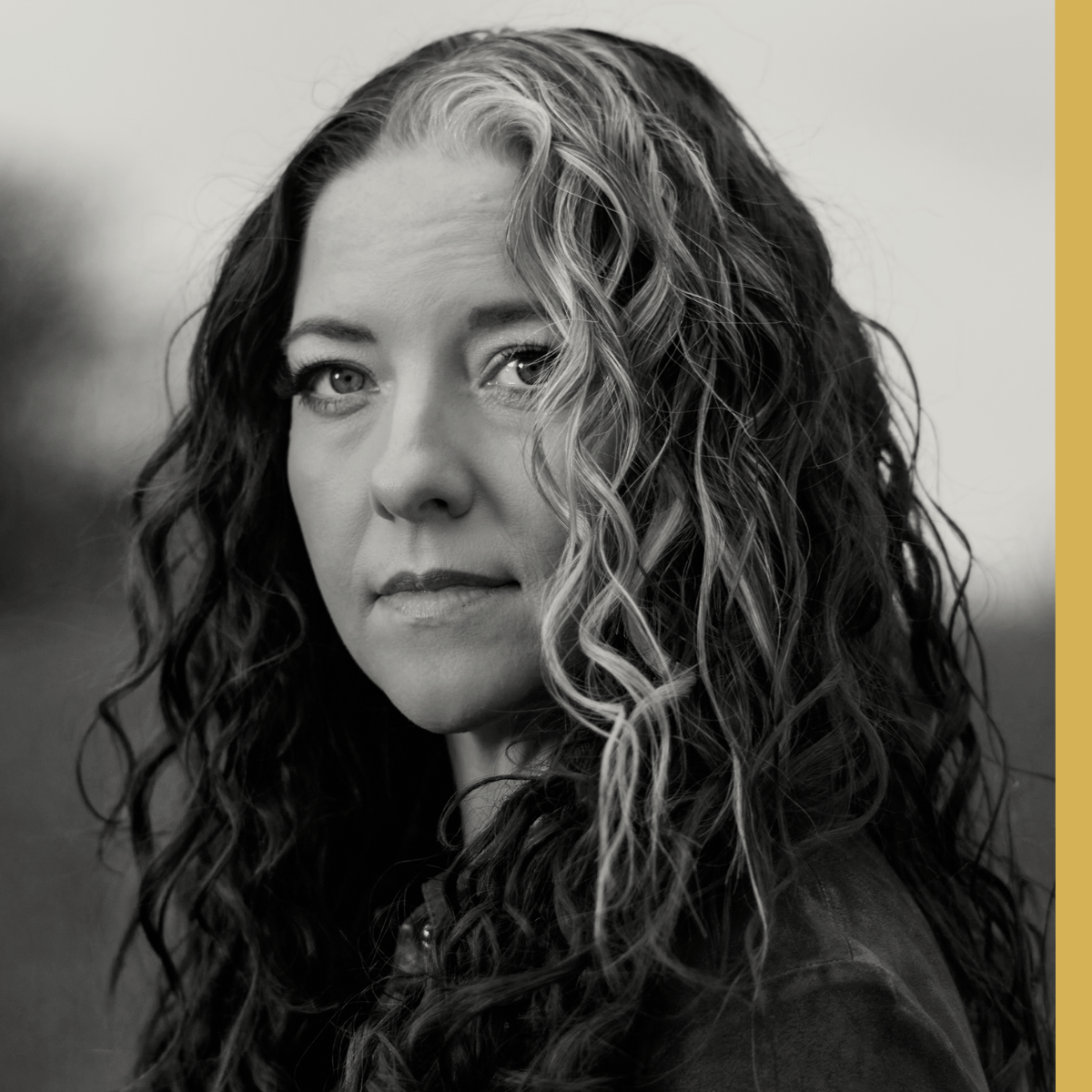
Ashley McBryde gets the year started off right with a soaring, anthemic new single. As you’ll see with “What If We Don’t,” Good Country and arena country aren’t mutually exclusive styles. Garage rock, country grit, and stadium-ready flair – McBryde is doing it better than almost anyone else out there.
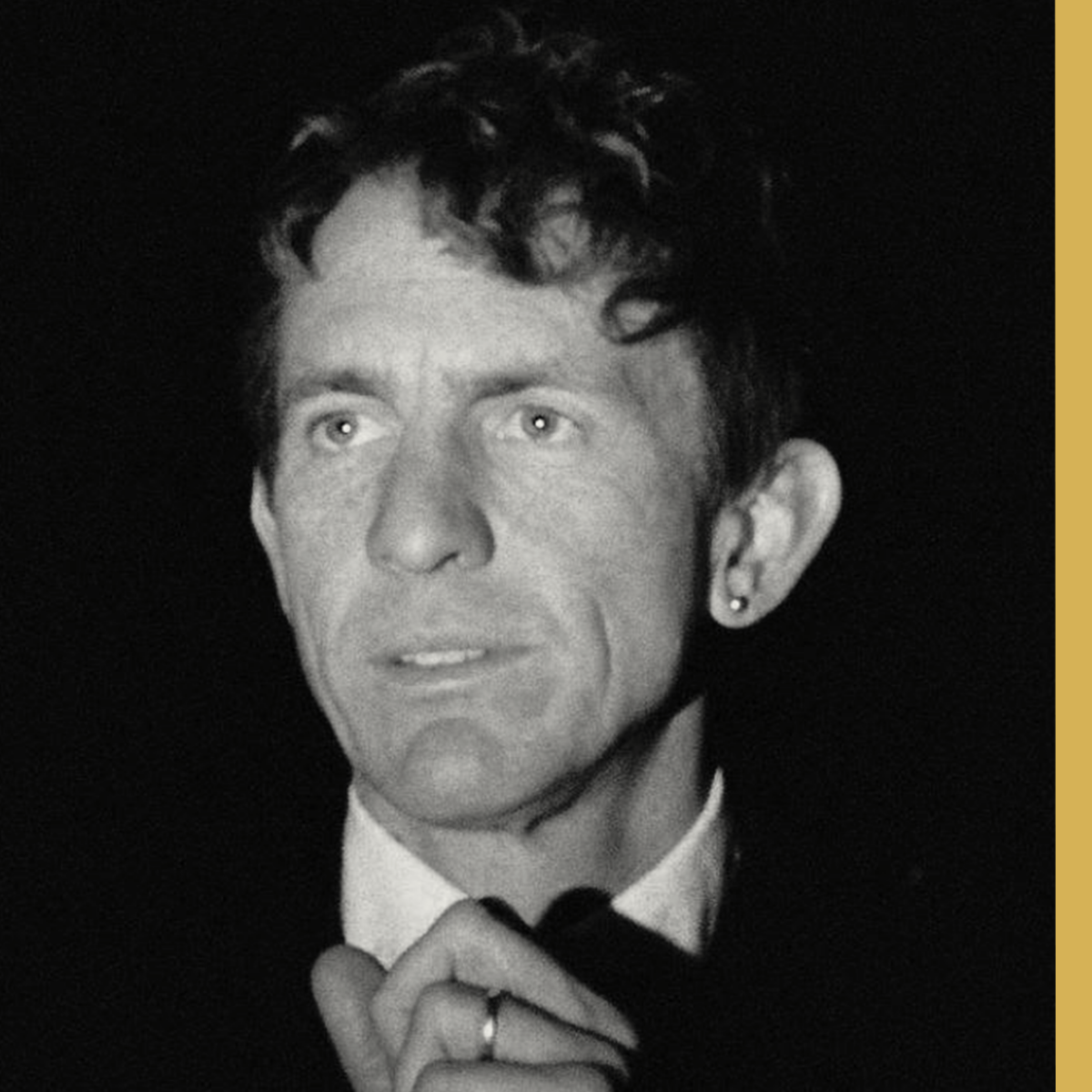
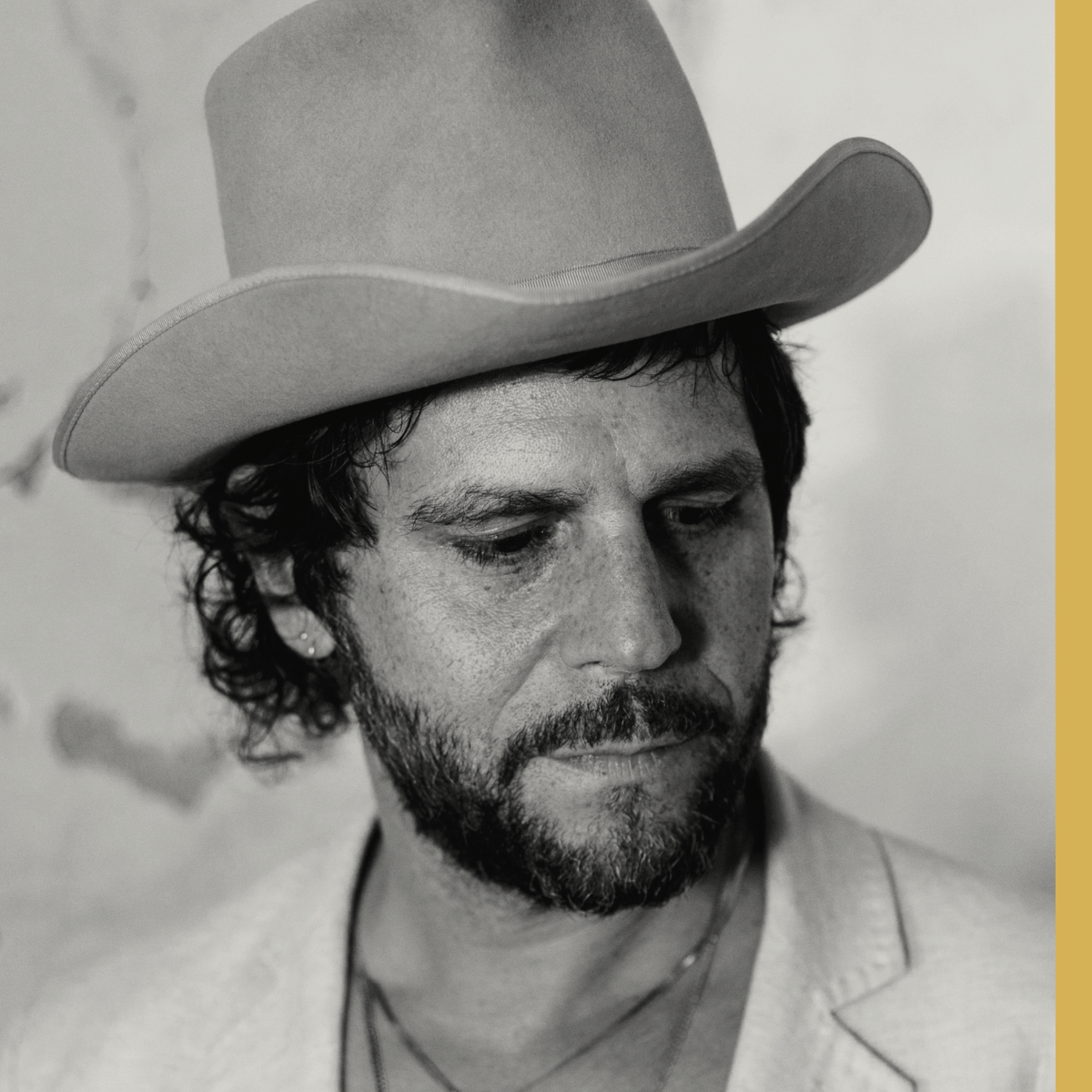
Not your mamaw’s “Ring of Fire.” Big Thief’s Buck Meek launches his upcoming solo album, The Mirror, in just a couple of weeks. Its songs were grown where alternative, indie, folk, and country overlap, though each feels just outside of reach of any single one of those terms. Featuring Adrienne Lenker on BGVs, “Ring of Fire,” like Johnny’s classic by the same name, is about love and connection – but is perhaps the flipside of the Cash coin.
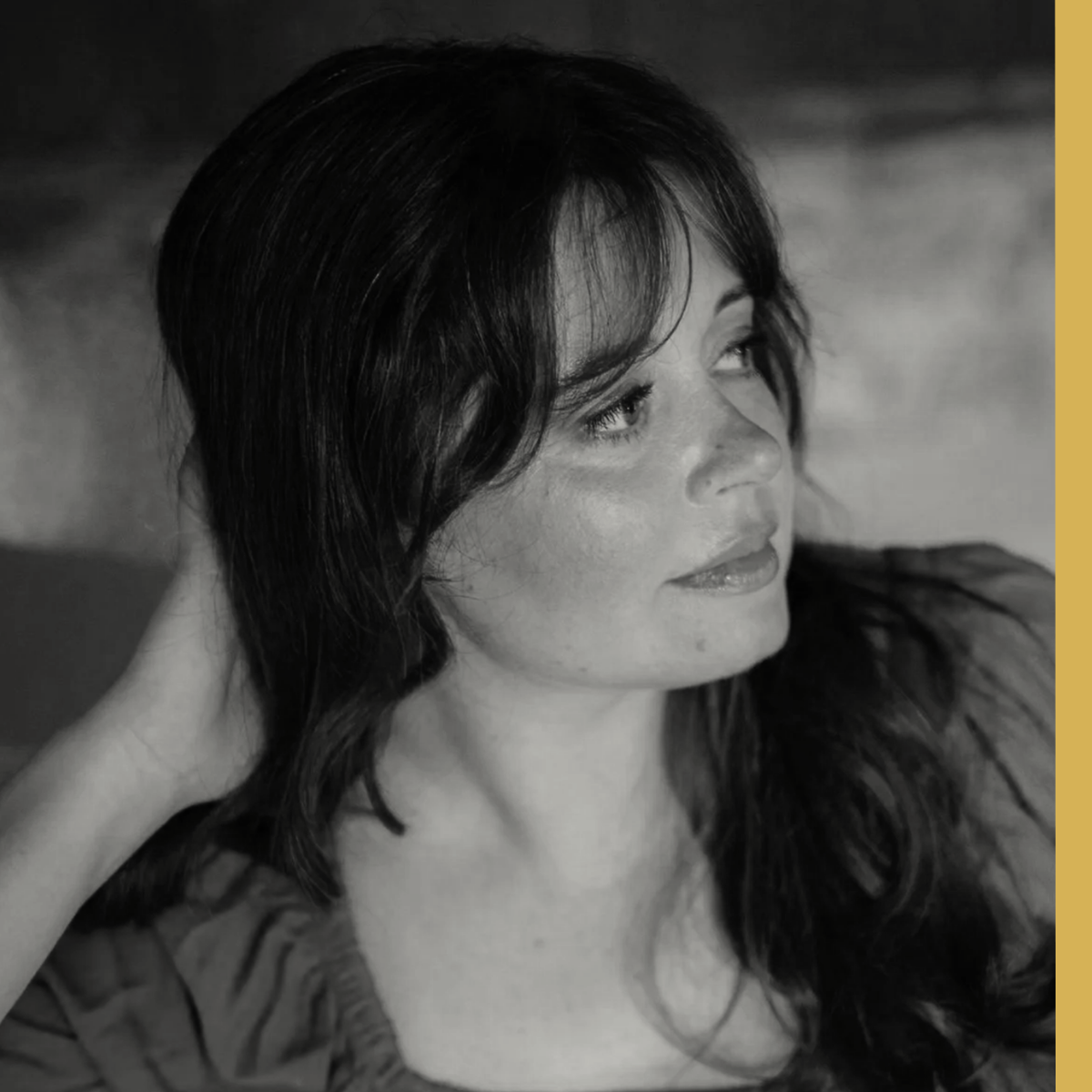
You can always trust the John Prine-founded Oh Boy Records to put out amazing music by generational songwriters. Emily Scott Robinson is certainly one. Her new album, Appalachia, embodies her heart-forward, community-minded approach to songcraft and musicmaking. Stand outs include “Hymn for the Unholy,” “The Time for Flowers,” the album’s title track “Appalachia,” and this lovely duet with John Paul White, “Cast Iron Heart.”
Read our recent interview with Emily Scott Robinson here.
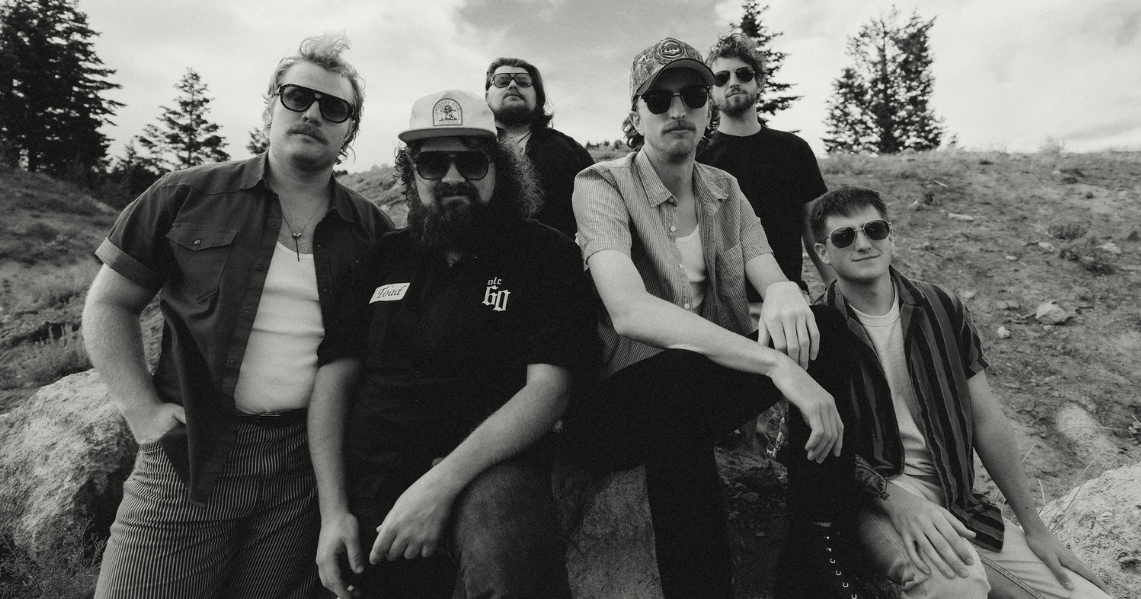
Speaking of rock ‘n’ roll, our old pal Langhorne plugs in and turns up on his new album, The Dreamin’ Kind, which was produced by Greta Van Fleet’s Sam F. Kiszka. Slim’s personality – and the signature, charming touches that made us all fall in love with his music – is front and center on the new collection, however far into rockin’ territory he brings his Americana and folk sensibilities.
Find out more about
The Dreamin’ Kind in our recent Cover Story interview.
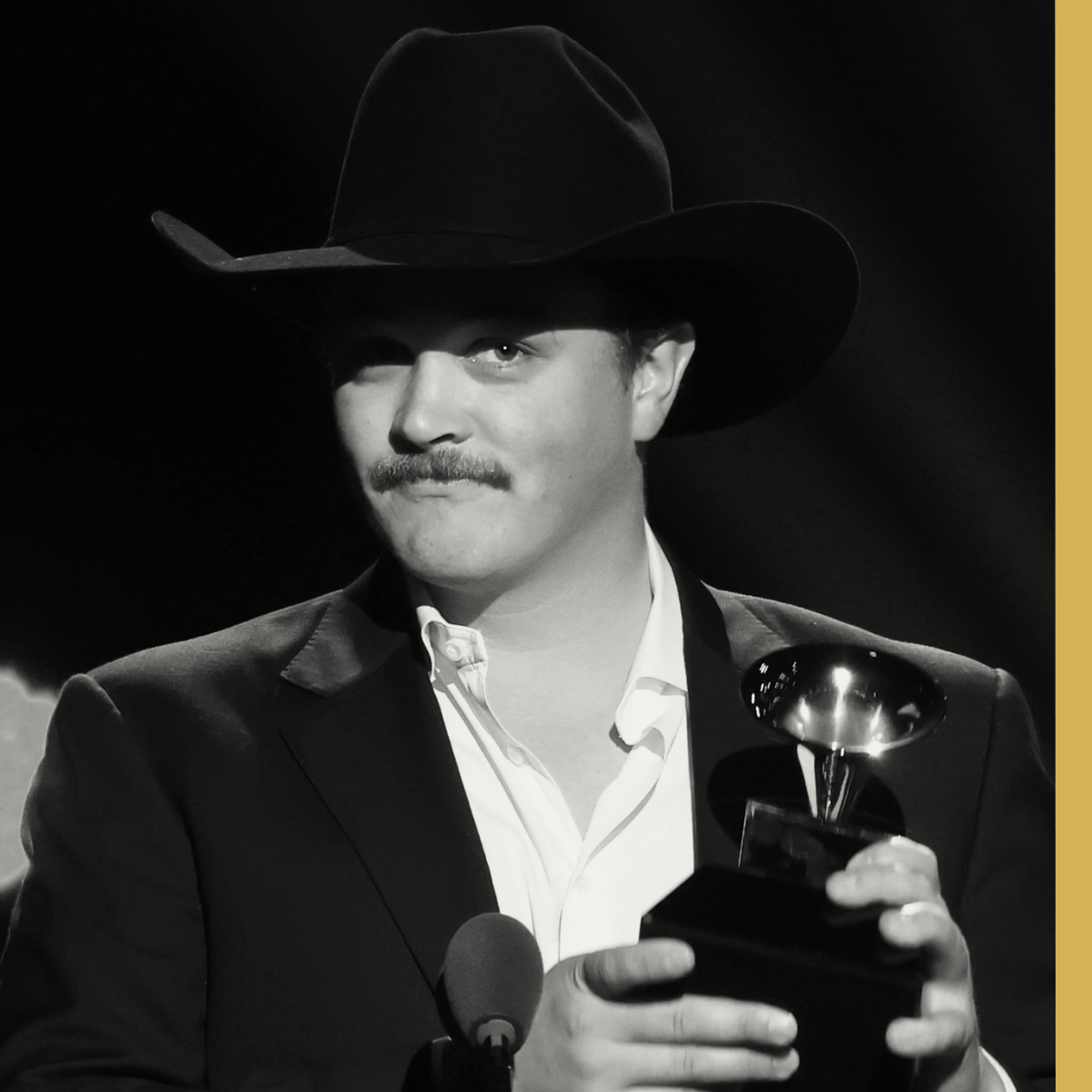
He started as a bluegrass picker in a family band and a Keith Whitley and Tony Rice diehard. Now everyone’s favorite trad country revivalist is a GRAMMY Award winner. Top took home the trophy for Best Traditional Country Album for his sophomore release, Ain’t In It for My Health earlier this month. He’s the first awardee in the buzzed-about new category opposite Best Contemporary Country Album. Well deserved!
Want more Good Country? Sign up to receive our monthly email newsletter – and much more music! – direct to your inbox.
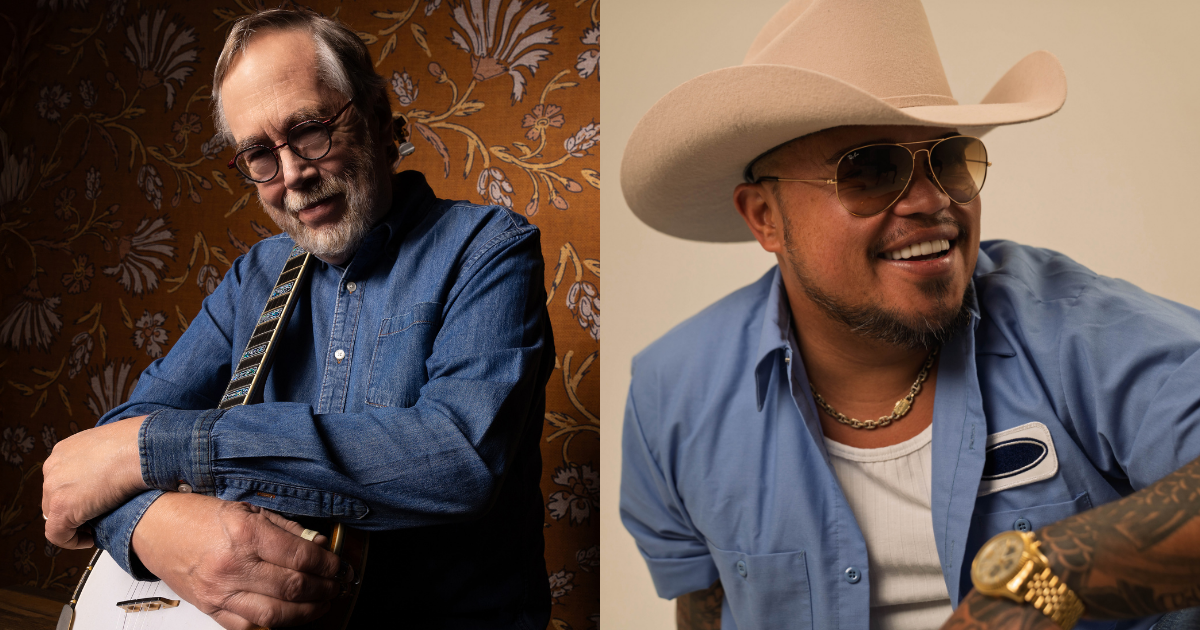
Photo Credits: Ashley McBryde by Nathan Chapman; Buck Meek by Germaine Dunes; Emily Scott Robinson by Angelina Castillo; Langhorne Slim by Savannah Lauren; Zach Top by Getty Images for the Recording Academy.
So much new roots music to enjoy this week! From bluegrass to the Pacific Islands and back again.
Starting us off, artist and songwriter Ryan Dart debuts a new song, “Dirt Road Woman,” combining folk, country, and troubadour styles in a musical tribute to strong, empowered women. Below, Dart explains how the song arrived quickly, “like it downloaded straight from the muse.” For a more tropical, seaside country flair, Maoli – who was born and raised in Hawaii – offers a brand new single today, too. “Some Are Just Better” is a track we’ll be returning to plenty this spring and summer, as it celebrates those good, dreamy days that are almost too perfect to believe.
In bluegrass, Lonesome River Band lean into their moniker with a new track, “There Where the River Rolls Around,” written by their longtime friend and songwriting collaborator Billy Smith. Mild and old-timey with lush low-tuned banjo and a laid-back groove, it’s a song about home, homesickness, and place – all perfect topics for ‘grassy explorations. Banjo great Tony Trischka is on his way to a new album, Earl Jam 2, so he’s dropping off a new music video released earlier this week. “Red River Valley” features Molly Tuttle on lead vocal and guitar with Bronwyn Keith-Hynes, Sam Bush, and Mark Schatz filling out the band. We can’t wait for more from the second round of Earl Jam. And young mandolinist phenom Wyatt Ellis launched a new video this week featuring a bunch of all stars, too. “West Dakota Rose” is a cinematic instrumental tune centered on Ellis’s virtuosic playing and featuring Christopher Henry joining on guitar. In the official music video, Ellis strolls around a cabin porch while picking through the tune with an excellent slate of pickers – and a tasty twin fiddle break.
Meanwhile, the Montvales offer an old-timey track of their own, “Carolina,” out today in anticipation of their upcoming March album, Path of Totality. While it certainly sounds old-timey, this is a song rooted in the present, heels dug in against late stage capitalism and the rampant woes of our current day-to-day. Also, singer-songwriter Jack McKeon gives us a sneak listen at his new song, “Kid Like Me,” a sort of sonic bridge from his last album, Talking to Strangers, to his next – which is set for release in July. Written with Theo MacMillan and inspired partially by Tim O’Brien, the track began much more bluegrassy than it ended up after reaching the studio.
Finally, Minneapolis, Minnesota’s Roe Family Singers speak truth to power and bring each of us into their communities and neighborhoods with a chilling new folk song, “Blacked-Out Ford.” Living in Minneapolis in 2025 and 2026 means living on the frontlines of fascism, kidnappings, and government overreach, with the Roes and their friends watching chilling federal SUVs surveil their streets and neighborhoods, tearing families apart and violating human rights. The Roe Family Singers highlight ICE’s murders and unlawful actions in song, calling us all to join them in action and solidarity.
We always love sharing new music with you all every Friday, but this one is especially high quality. Enjoy! ‘Cause You Gotta Hear This…
Ryan Dart, “Dirt Road Woman”
Artist:Ryan Dart Hometown: Boulder, Colorado Song: “Dirt Road Woman” Album:If Love Don’t Break You Release Date: February 20, 2026 (single); May 1, 2026 (album)
In Their Words: “I wrote this song about falling in love with a powerful woman and the ‘love bubble’ phase of a relationship – how the outside world just fades away. I know some men may not be comfortable with powerful women, but I think there are plenty of us who are attracted to an empowered, strong woman who also embodies the sacred feminine. It’s incredibly compelling and I wouldn’t want anything else.
“You’ve got to ride the bad horses before you recognize the good ones. I set out to write a love song that felt like a cousin to Jason Isbell’s ‘Cover Me Up’ – something that balances raw, real emotion without ever feeling cheesy. This one came fast, like it downloaded straight from the muse, born of pure feeling. I hope it resonates with listeners the way it does with me.” – Ryan Dart
Wyatt Ellis, “West Dakota Rose”
Artist:Wyatt Ellis Hometown: Maryville, Tennessee Song: “West Dakota Rose” Release Date: February 6, 2026 (single); February 19, 2026 (video) Label: Knee High Records
In Their Words: “Getting to shoot the music video for ‘West Dakota Rose’ was just one of those days you don’t really forget. The tune already feels like it tells a story without words, so being able to stand in a place that matched that feeling made it even more real. Joseph Cash has directed and filmed all of my music videos so far, and he always makes it an adventure. It’s like showing up not totally sure what kind of wild idea he’s going to have, but somehow it always comes together even better than I could’ve imagined.” – Wyatt Ellis
Performer Credits: Wyatt Ellis – Mandolin Christopher Henry – Guitar Julia Claire Eversole – Bass Kyle Tuttle – Banjo Noah Goebel – Fiddle Christian Ward – Fiddle
Video Credits: Joseph Cash, director, director of photography, editor. Kitt Fresa, gaffer.
Lonesome River Band, “There Where the River Rolls Around”
Artist:Lonesome River Band Hometown: Floyd, Virginia Song: “There Where The River Rolls Around” Release Date: February 20, 2026 Label: Mountain Home Music Company
In Their Words: “We got this song for our long time songwriting friend Billy Smith (‘Hobo Blues,’ ‘Tears In My Tracks,’ ‘Crazy Heart,’ among others). As we listened to the song one late night going down the road in the bus, the arrangement just fell into place and we began working on it. A haunting song about leaving home searching for more and longing to be back. Thanks, Billy!” – Sammy Shelor
“The River [in the song] is Haw River in Rockingham County, North Carolina. I always believed that I would make it big playing music and writing songs in Nashville and go back there. I moved here with my brother Terry (the Grascals) and cousin Alan O’Byrant of the Nashville Bluegrass Band. 52 years later, I’m still here, with three kids from two marriages. But I always wanted to return ‘There Where The River Rolls Around’ and it always touches my heart when I hear it sung. Bless Sammy Shelor and the Lonesome River Band for recording that one and 8 other of my songs, including ‘Crazy Heart’ and ‘Hobo Blues.'” – Billy Smith, songwriter
Track Credits: Sammy Shelor – Banjo Jesse Smathers – Acoustic guitar, harmony vocal Mike Hartgrove – Fiddle Adam Miller – Mandolin, lead vocal Kameron Keller – Upright bass Rod Riley – Electric guitar
Maoli, “Some Are Just Better”
Artist:Maoli Hometown: Haiku, Maui, Hawaii Song: “Some Are Just Better” Album:Maoli Music Overload – MMO 3 Release Date: February 20, 2026 (single) Label: ONErpm
In Their Words: “I’ve been waiting to release this since the day we wrote it. It was my first time writing in Nashville and I was so excited to collaborate with Mikey Reeves and Rob Snyder. I love the horns, the feel, and the lyrics – I’m so proud of how it all came to life.
“We all have days that stand out – not just good days, but the kind where everything falls into place and just feels right. The kind of day you know you’ll look back on and smile about for years. It’s about capturing that feeling. You can’t relive a day once it’s gone, but music has a way of taking you back – even if it’s just for a few minutes.” – Maoli
Jack McKeon, “Kid Like Me”
Artist:Jack McKeon Hometown: Chatham, New York Song: “Kid Like Me” Album:Every Once in a While Release Date: February 27, 2026 (single); July 3, 2026 (album)
In Their Words: “‘Kid Like Me’ began its life as the ‘most bluegrass’ sounding song in the bunch before I went into the studio. Written with Theo MacMillan, we talked a lot about parenting, being an older sibling, and trying to make sense of a world that’s always in flux. Theo’s son was about to be born and I was reflecting on watching my younger sister begin to reach adulthood and face real and more challenging problems. Musically, we spent most of the writing session talking about Tim O’Brien and wrote ‘Kid Like Me’ at a faster tempo that we thought would fit with Tim’s Odd Man In era. Once we were in the studio, it was Casey Campbell and Seth Taylor who turned the recording in a more ambient direction, hinging on Casey’s extended mandolin intro that sets the tone for the rest of the song. I wanted to lead my new project off with ‘Kid Like Me’ as it is reminiscent of the sounds and themes of my debut album Talking to Strangers, but breaks new ground for my production as it features Mellotron, drums, and electric guitar as well.” – Jack McKeon
Artist:The Montvales Hometown: Cincinnati, Ohio Song: “Carolina” Album:Path of Totality Release Date: February 18, 2026 (single); March 20, 2026 (album) Label: Free Dirt Records
In Their Words: “‘Carolina’ is an old timey song that is firmly situated in late stage capitalism. I called upon the steadfast, rooted sounds of home when I was writing this one. It brings those old sounds forth into this uncertain era and makes a vow: even when there seems to be no path forward, we’ll find a way.” – Sally Buice
Roe Family Singers, “Blacked-Out Ford”
Artist:Roe Family Singers Hometown: Minneapolis, Minnesota Song: “Blacked-Out Ford” Album:Light & Hope & Roses Release Date: February 2, 2026 (single)
In Their Words: “We wrote ‘Blacked-Out Ford’ about two weeks after Renee Good was murdered by ICE in our Minneapolis streets. Good’s murder, combined with the discovery that ICE is housed about six blocks from our house and has been seen circling our neighborhood, looking for people to abduct… that’s where this song came from. Our area has a large Muslim population, neighbors primarily from India and Pakistan, also Somalia and Ethiopia, so pretty soon every blacked-out SUV started to look like ICE sharks circling, and every parked truck looked like a prelude to a kidnapping. We debuted the song live at a mutual-aid benefit, and the benefit raised a ton of money; the next morning we woke up feeling proud of ourselves and empowered by the fact that we felt like we were using our art to fight the fascists. Then we got the news that Alex Pretti had just been murdered by ICE in our Minneapolis streets.” – Quillan Roe
Tony Trischka, “Red River Valley” Featuring Molly Tuttle
Artist:Tony Trischka Hometown: Fair Lawn, New Jersey Song: “Red River Valley” featuring Molly Tuttle Album:Earl Jam 2 Release Date: February 18, 2026 (video); March 13, 2026 (album) Label: Down The Road Records
In Their Words: “I grew up listening to ‘Red River Valley’ and once I found Earl Scruggs and John Hartford playing it in one of their jams, I knew I had to put it on Earl Jam 2. Who better to sing it than Molly Tuttle? I’ve known Molly since she was a teen (when I thought she was just a solid Scruggs-style banjo player) and it’s been a joy seeing her career take off. She has the perfect voice for this tune and with the estimable talents of Bronwyn Keith-Hynes on fiddle, Sam Bush on mandolin, and Mark Schatz on bass, I knew we had something special. When we’d finished recording and I went back to listen to it the next day, I felt it needed just a little bit more of something. So I got in touch with Bronwyn (talk about careers taking off!) and she added beautiful harmony vocals. The very last vocal chorus melts my heart!” – Tony Trischka
Track Credits: Tony Trischka – Banjo Molly Tuttle – Guitar, vocals Bronwyn Keith-Hynes – Fiddle, harmony vocals Sam Bush – Mandolin Mark Schatz – Bass
Photo Credit: Tony Trischka by Ali Hasbach; Maoli by Sean McGee.
Pairing the slouchy charm of indie grunge with roots-rocking, small-town punk energy, Ole 60 spent 2025 becoming one of the most intriguing new acts in Americana.
With their debut album Smokestack Town – plus some fun-loving video content, huge opening-act performances with Zach Bryan, and first-time trips to Lollapalooza, the Ryman, the Grand Ole Opry, and more – the six-piece band came a long way from their blue-collar hometown of Hawesville, Kentucky. They even finished off the year with their biggest show yet, selling out their first-ever arena gig with an Owensboro homecoming. But there’s still more to do.
Inspired by a world of shift work and shitty luck, and powered by a rusty Toyota rolling on four bald tires, frontman and primary songwriter Jacob Ty Young fills his songs with vividly conflicted characters. Soaring garage-pop singalongs stand alongside sucker-punch ballads of screwing up and flaming out, each one struggling with the urge to get the hell out while still loving where you’re from. It’s a feeling anyone nursing big dreams in a small town will recognize, and Ole 60 shares it with a fresh voice.
In late January, Young told Good Country about the band’s quick rise and biggest year yet, while looking ahead to what comes next. There’s already a level-up tour underway and new music in the works. But Young pledges not to forget where they got their start – a pizza shop game room in a Smokestack Town.
In 2025, Ole 60 was out on tour, did big shows with Zach Bryan, made an Opry debut and released your first album. What’s it been like processing all that in the last month or so?
Jacob Ty Young: You try to take it in as it’s happening, but it’s a lot easier once you have some time to think. … I think it was definitely the best year we’ve had and now that we’ve had some time off, I’m eager to get back out and start touring again.
And I’ve been writing a lot. After putting out that first record, it was something that we’d never really done before. It was our first time making an album and we learned a lot of things and I think that everybody’s in the headspace that this next one’s going to be even better, so we’re working hard.
What was the common bond that brought you all together musically? You blend influences all the way from Smashing Pumpkins and Metallica to John Prine, right?
Five of the six of us are all from the same little small town in Kentucky, or bordering towns within about 30 minutes of each other. I kind of knew everybody before we started the band. We just got together and started jamming. I’m a huge Smashing Pumpkins fan. Most of the guys are big metalheads. They love Metallica, Black Sabbath, Primus, all that stuff. I think everybody bonded over just our love for rock music. There is obviously some country influence, but I never really considered it that. We were just a garage band, and it’s hard to not bond when you’re sitting there in a garage playing cover songs. The Pumpkins, Stone Temple Pilots, Black Crowes. It was that kind of grunge stuff that really glued us all together.
You can hear that still, and then there’s a rootsy folk side to it, too. When did you start writing songs?
I’ve been writing songs my whole life, but nothing ever really serious. I would write funny songs when I was in high school and I wrote a song about our basketball team one time, just as a parody thing. And I always really enjoyed playing guitar and being creative. I was into visual art and graphic design for a while. Then I kind of went through some stuff in my personal life and decided I wanted to sit down and write some songs about it. That ended up being the first EP [three twenty four]. That would’ve been 2023, I think. I always loved guys like John Prine and Bob Dylan and even Billy Corgan of the Pumpkins, just the uniqueness of the songwriting. I think for lyrics, I look to those guys, and then for the music we kind of look all over the place.
I hear there’s a pizza shop in there somewhere, right? We keep seeing pizza references in the socials and songs. Is the shop like an easter egg for you?
Yeah, I think so. I worked at a pizza restaurant in Hawesville, Kentucky, for about four years when I would come home from school. And then there’s another guy in the band, Ryan, his brother owned the pizza restaurant, so he worked there as well for years. When we first started practicing, rehearsing, and getting ready to go around playing bar gigs, we would rehearse in the back of Galaxy Pizza after close. We’d set up all our equipment back in the arcade section and jam until one in the morning. And then we got our bass player, Colby, and he had a garage, so we moved to his garage. But yeah, I grew up right next to Galaxy and it’s kind of a staple in our hometown, so we just try to let that side of us show through our content and all the visual side of stuff.
Tell me about putting the album together. Smokestack Town was one of my favorites of the year, so congratulations on how it came out. What did you want? I mean, creating a debut album is a pretty big moment. It might seem like an overwhelming task, so what were you going for?
We didn’t have a hardcore plan. I was just writing songs and I got six of ’em that I was really proud of. We went recorded and I was like, “Okay, I think this could be an album.” So I was writing as we were recording the album, and then the last song that I wrote was “Smokestack Town.” I was like, “That seems like a good name.”
I just wanted to push ourselves and try to do something different sonically than we had before. We got together with Jacquire King who produced it, and he’s one of the best of the best. He took my vision and ran with it and we’re very happy. We just wanted to put ourselves out there and let people in, see what kind of music we listen to.
That’s interesting, because it’s been presented as a concept album. But it sounds like you were building the concept as you went.
If it’s a concept album, it’s more so on the visual content side of things, because we’ve been putting out these little short videos of character acting. Taking the lead from the Foo Fighters.
Totally!
But there were just a lot of overarching themes in the record about home. Missing home, being homesick, being young. Plus that idea of small town, kind of dystopian … but not really.
Right, you wrote all these characters who are definitely small town people, with small town stories. But the thing I appreciate was they’re not stereotypical tailgate anthems or “I’m so country.” Nothing like that. Where were you coming from?
After I left Galaxy, I worked in an aluminum mill for a year and a half, and my dad works at the paper mill. Hawesville is a very industry-driven town. I think it’s different from your typical country town because it’s so labor-driven and everybody’s proud to be union and blue-collar. It’s less sitting on tailgates and drinking beer and more going to work a 16-hour shift and coming home and sleeping.
I wanted that to come through, because in country music it is a lot of sitting out in the boonies, drinking beer, and sitting on a tailgate. But I wanted to write my experience growing up in my little country town. There’s nothing to do, so we just ran around all the time and went to all these different places and got into trouble there. I wanted to write about that side of stuff, and less about the country stuff.
Being a new band coming into the indie and roots music scene, did it feel like there’s a lot of opportunity and energy out there?
Everything’s been so great. We kind of blew up on social media and I don’t know if any of us were ready for that to happen, but it did. I think that the reception’s been great. We went out and started headlining shows fairly early and we were selling them out. That’s a great feeling, because when you do blow up like that on social media, it’s hard to really put a gauge on what that means – until you go out and play a headline show and you see the crowd and they’re singing, and you go play a festival with all these big names and it’s your first time out there, and the crowd’s into it. And that’s kind of how it was.
True, and you finished last year with a huge statement in Owensboro, right? Hometown show, New Year’s Eve. Your first arena show and you sold it out. What was the feeling like on stage?
It was weird because it was both the most nervous I’ve ever been and the most comfortable I’ve ever been. You look out in the crowd, you see people you know, and you don’t get that a whole lot when you’re touring. It was just super cool. I got to sleep at the house I grew up in. The whole day just felt good. It was nice to be home and have family coming in and out and friends. Just the perfect way to end the year.
Y’all cleaned up nicely in the tuxedos. Did you put some extra polish on the performance, too?
Yeah, I thought it was New Year’s, we might as well get some tuxedos. I thought everybody looked nice. I want to do it more often. I dunno how the other guys feel about it. We’ll see.
You’re getting back on the road for the Smokestack Town Tour this winter. What’s everybody looking forward to? What’s the vibe?
The new year feels like a fresh start to change the show and really put a lot of thought into what we want to do with it. We’ve got some new production stuff, new lighting, and I’m really excited for everybody to see it. I think everybody just wants to go out there and every night needs to be the best show we’ve ever played. We’re playing bigger shows this year and we’re super excited, super grateful.
Earlier you said you’ve been writing, can you give us a hint about what’s been inspiring lately?
Yeah, I’ve been listening to a lot to indie rock, and what I listen to comes through in what I write. So definitely it sounds like Ole 60, but it’s new, and I’m still kind of figuring it out. But I’m really excited that the direction everything’s headed. I don’t have any idea about timelines for new music, but I have been writing a lot and I’m really excited about all of it.
Jacob, thank you for the time. I’ll leave you with the big picture – I always ask people what they hope listeners take away from their work. So what’s that look like to you?
I just hope that our story can be inspiring to others through the fact that we came from a town where after you graduate, you either go to college, you go to the military, or work in a factory, and that’s your options. And there’s always other options out there. You just got to put your head down, work hard and good things will come.
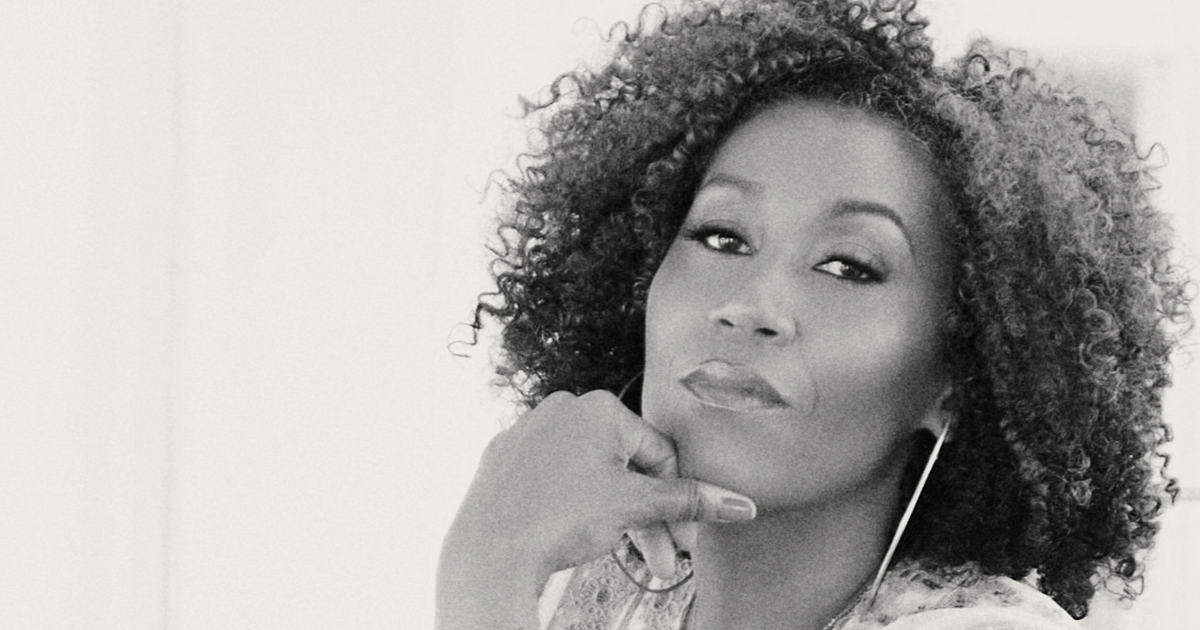
Rissi Palmer is putting her lifelong love of country music into Perspectives, her first project in six years. With three tracks produced by Shannon Sanders and a fourth by Dan Knobler, the new EP places Palmer back in the artist spotlight after a period of time focused on personal and professional evolution.
Palmer also hosts an Apple Music country radio show, Color Me Country, which spotlights original music from artists of color. But there’s even more to the story. She’s collaborated on a children’s book titled Color Me Country: A Celebration of Black Women Who Shaped Country Music and she’s also wrapped a memorable tour called The Trailblazing Women of Country, where she performed some of the best-loved songs from Patsy Cline, Loretta Lynn, and Dolly Parton. Off the stage, she’s devoted more time to her two daughters following her divorce, while still ramping up to the release of Perspectives.
Though she’s based in Durham, North Carolina, Palmer caught up with Good Country in Belfast, Northern Ireland, during the Your Roots Are Showing conference. At the event’s opening night concert, she sang “Old Black Southern Woman,” a heartfelt ballad that touches on the loss of her mother when Palmer was just seven years old. Perspectives also offers a cover of the SteelDrivers’ “Can You Run?” as well as an original song titled “Good For Me” (about diving back into the dating pool) and a rendition of a Loretta Lynn classic, “Somebody Somewhere.”
“All these things came together, and Shannon so graciously decided to be a part of this with me,” Palmer recalls. “He said, ‘Well, two of these songs sound very bluegrassy. What if we just did the whole project like that?’ I was like, ‘That’s kind of dope,’ because I hadn’t done anything like that. And again, perspectives. Two Black musicians, making this very bluegrassy, but still very soulful, project. And I decided midway through that we’re going to call it Perspectives.”
What was on your mind as “Old Black Southern Woman” was taking shape?
Rissi Palmer: I wrote that with Kyshona, and that was our first time writing together. Kyshona has a way of getting straight to the heart of whatever it is that you’re talking about. I had the idea for the chorus, the “ooh-ooooh” thing, in my head, and I hadn’t really started writing anything. So, we sat down and we started talking. When you go to her house, she’s got all these really cool plants from her mom and her grandma. We talked about that, and I wanted to write something that paid homage to my mother but also acknowledged all the other women that came in and helped raise me.
It’s a universal thing, too. Everybody thinks of getting older as really bad, and I don’t know what I thought my 40s were going to be like, when I was in my 20s. I honestly don’t know, but I don’t feel old! [Laughs] I think I thought 40 was going to feel different, but 40 actually feels just like a creakier 25! And I see the blessing in it. I feel really lucky to be here, because I outlived [my mother] and I have babies now. I just wanted to write something that says it’s OK to get old. It’s actually really cool to be able to get old and to see the fruits of your work.
I think the title kind of throws people off because they’re like, “Oh, this is a song about some Black people.” But it’s actually about getting to be old, seeing the blessing and good in that, and making the most of it.
When you sing that song now, it gives you a chance to talk about your mom and share her memory. Is that extra special for you?
Yeah. It was hard, I’ll be honest. The first few times that I sang it were really hard and I would cry. I’m starting not to cry when I sing it. Especially when we get to the lyric, “Every curse my family claimed ends with me.” That’s always where it got hard. You don’t realize how hard it is to overcome and not repeat mistakes.
Was it a dream for you as a kid to become a singer?
I’ve always known. I don’t know how, but I’ve always known that this is what I wanted to do. In that way, I’m very lucky. It was never, “Maybe I should be…” I would say that I was gonna do other stuff, just to make my parents happy, because I figured that they were probably really scared about me wanting to be a singer. So, I was like, “I’ll be a lawyer.” They’ve got a lawyer. My brother is a lawyer, so they got one. So, we’re good. [Laughs]
Now I did not always want to be a country singer. I wanted to be a singer and I wanted to write songs. I knew the kind of songs that I wanted to do, but I didn’t call it that. That didn’t become clear to me until I met my first managers, and then that was when I realized, “Yeah, I guess that is what I want to do.”
Is bluegrass an influence for you?
I like bluegrass! I’m a Rhonda Vincent fan and I’ve always been an Alison Krauss fan. And on Jon Randall’s first record he has this really cool song with Vince Gill called “My Life.” That’s one of my favorite records, by the way. It’s called Walking Among the Living.
I’ve always been a fan. I’ve always listened. I’ve always had those things on my playlist. I just never thought of myself as that, because there’s a very distinct vocal style. There’s a very distinct cadence in which they’re singing. A lot of the people on the show last night [at Your Roots Are Showing] were just brilliant bluegrass singers, and I never thought of myself that way because I can’t do that. Like, that’s not what I do. I didn’t really think of it as something that I could do. I used to write stuff like that all the time and I tried to give it to other people. But it was Shannon – Shannon was the push. Shannon was like, “Let’s do this.”
What was the Trailblazing Women of Country tour like?
It’s one of my favorite things that I’ve ever done. It was an all-female band and it was myself and Kristina Train, who’s a brilliant singer, as the two leads. We split the show in half, usually there was an intermission between Kristina and me, and we sang two songs together. You know how it is to be a fan, but you don’t necessarily know everything by a person? Patsy, I knew. For Patsy, I didn’t even have to study, because I knew all those songs. Most of my Dolly stuff I knew, but there’s a lot of words in “Coat of Many Colors”! And then Loretta, I’ll be perfectly honest, I had not gone super deep into Loretta’s catalog, so that was fun. That was the one that I needed the most work.
And I loved it! We did mostly theaters. I played in places I never went before. I went to Alaska. We did Wyoming – and you haven’t lived until you’ve driven across Wyoming! It’s just space! It’s wild! With the audiences, it was really funny how they varied. Sometimes we would make jokes, and sometimes people would say things to me. Like, someone asked me once, “Where’s your blonde wig?” when we got to the Dolly part. And I was just like, “Did you ask Kristina that?” They didn’t say anything, and I was like, “Girl, why would I cover up my fabulous hair?” and everybody started laughing.
You know, we got some weird comments. There were some people that (gasps) when I walked out. And afterwards, people would say really kind things. I never had anything rude said to me. But I did notice the [look of surprise] at first. It was good for me. It reminded me about why I love country music. I think I needed that, because you spend so much time, like with Color Me Country, talking about what’s wrong with the industry and talking about ways that we’ve been slighted or ignored. Then you lose sight of why you even started this in the first place, and that was why. It’s because of those songs. It’s because of those women. It’s because of the connection that the audience had with that music.
I can’t tell you how many people came up and told me stories. I met one woman who actually saw Patsy Cline performing on the bed of a truck when she was a kid. And I was just like, “That’s the most amazing thing I’ve ever heard before.” That’s country music.
You’ve got a lot of things coming up. Where would you like this new music to take you?
That’s a great question. I put so much into other facets of my career for the last few years. I put a lot into my children, because of our changing family situation, and just wanting to be there for them. At the same time, I was wanting to experience the career wave that I was having and trying to balance that. So, my own music took a backseat. I started feeling like, “I think people forget that I sing.” And really what I’m saying is, “I think I forgot that I sing,”
I was still doing shows, and still doing things in between, but it was like, “I don’t want everybody to forget why I’m here.” Really I’m saying, “I don’t want to forget why I’m here.” The Trailblazing Women of Country really cemented that for me, especially the “country” part. I’ve been experimenting and trying different things – and there is a project that comes later – but I wanted to do this. I felt like this was a really important statement to make, like, “This is why she talks so much shit.” [Laughs] Because this is where I started and this is what I do.
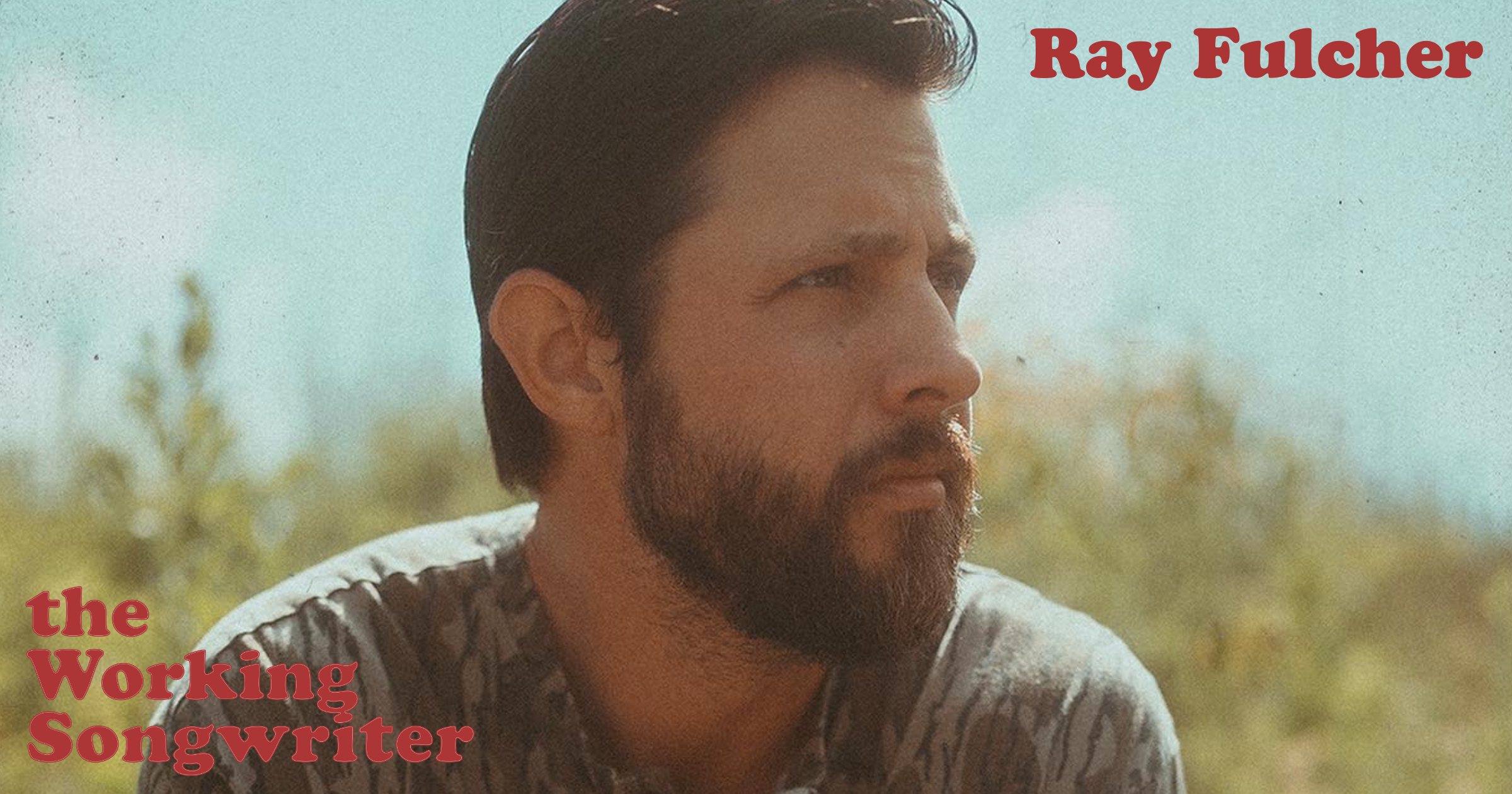
Welcome to The Working Songwriter, the show where today’s best songwriters come to talk shop. Each episode we host a distinguished guest and we ask them to go deep on their inspiration, their process, and the general ups and downs of making a life in music. Whether you’re a grizzled veteran picking out custom chrome trim for your tour bus or a scrappy upstart, trying to determine whether your Toyota Tercel can make it through a three thousand mile tour, this is your show. Because, ultimately, it is what every writer seeks most. An ironclad excuse to put off actually writing.
Our guest this week hails from Harlem, Georgia. Ray Fulcher is one of Nashville’s most sought-after modern country songwriters. He first broke through co-writing a string of chart-topping hits for Luke Combs – including the multi-platinum “When It Rains It Pours” – before stepping into the spotlight with his own recordings on his 2022 debut album, Spray Painted Line.
Fulcher has toured extensively, sharing stages with Luke Combs, Ashley McBryde, and Matt Stell, and his songs have been streamed hundreds of millions of times across platforms. He has written for artists like Riley Green and Cody Johnson, including Johnson’s recent hit “The Fall.” Billboard highlights his “unmistakable narrative grit,” while Holler celebrates his “clean-cut melodies and lived-in honesty.” Taste of Country notes his “ability to turn small-town details into widescreen emotion.” I caught up with him recently on The Working Songwriter to hear about his musical journey so far.
We have new music for you, as always, to herald the end of the week and beginning of the weekend. You Gotta Hear This!
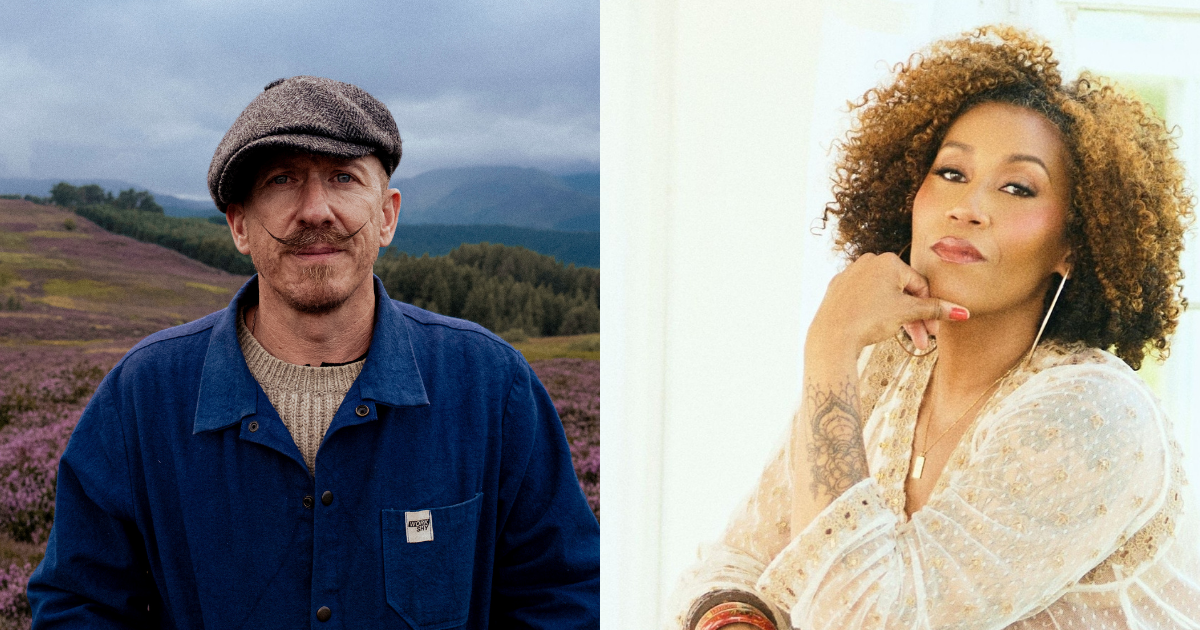
From just outside of Washington, D.C., singer-songwriter Connor Daly releases a new single today, “Echoes of Midnight.” An Americana “fast waltz” with a melancholy tinge, the track is clean but gritty. Daly thinks it’s the best song in his catalog to crank through a loudspeaker, and we agree. A longtime friend of BGS and Good Country now, Rissi Palmer releases her brand new EP Perspectives today, so we’re celebrating by sharing a new song from that collection, “Good to Me.” Written with Shannon Sanders and Hilton Wright II, the song finds Palmer much more assured in what she wants and needs from a life partner than she was in her 20s. (Stay tuned for an upcoming interview with Palmer about the EP, coming next week right here on BGS.)
Also in a country space, roots music renaissance man Jim Lauderdale announced a new upcoming album today, Country Super Hits Volume 2. He certainly has plenty of “super hits” to celebrate; we’re kicking off the countdown to the new LP by sharing “Everybody’s Got A Problem.” There’s a kernel of truth in that hook somewhere, isn’t there? Relatable, charming, and effortlessly traditional country, it’s another Lauderdale banger. Then, from across the Atlantic, Foy Vance launched a brand new, homemade music video earlier this week for “Hi, I’m The Preacher’s Son.” With sonics gleaned from the intersection of folk and outlaw, the song is well matched by the trippy and fun video that combines animation, stop motion, and many other forms and styles into a unique visual journey. His dad was a preacher and fond of a parable; the track and video suit their inspiration perfectly.
Don’t miss Bryan Sutton unveiling another tune from his upcoming duets album, as well. This time he’s partnered with fellow guitar picker Jake Stargel on an acrobatic and oftentimes jaw-dropping rendition of the popular fiddle tune-guitar instrumental “Crazy Creek.” These are two of the most personality-rich players and stylist on six strings, doing what they do best. Each single from the album, From Roots to Branches, has been stellar – this latest outing continues that trend.
There’s plenty to enjoy below! Scroll to listen, ’cause You Gotta Hear This…
Connor Daly, “Echoes of Midnight”
Artist:Connor Daly Hometown: Ashburn, Virginia Song: “Echoes of Midnight” Release Date: February 6, 2026
In Their Words: “As soon as I started writing the first pieces of ‘Echoes of Midnight,’ I knew exactly what kind of production I wanted for the song. Going into the studio with David Dorn at Farmland Studios in Nashville, it didn’t take long for him to understand the vision. Big drums, wide acoustic guitar arrangements, and energy pushing through every line. It’s one of those songs that was clearly meant to be played live and I knew I needed to hear it fully take shape in the studio. Lyrically, ‘Echoes of Midnight’ captures a very now-or-never feeling of young love that has always stood out in my catalog. If I could choose any of my songs to play through a loudspeaker, this would be it.” – Connor Daly
Track Credits: David Dorn – Keys Shaun Richardson – Acoustic guitar Tim Denbo – Electric bass Dave Racine – Drums Justin Ostrander – Electric guitar Connor Daly Steggerda – Songwriter, vocals
Jim Lauderdale, “Everybody’s Got A Problem”
ᐧ
Artist:Jim Lauderdale Hometown: Troutman, North Carolina Song: “Everybody’s Got A Problem” Album:Country Super Hits Volume 2 Release Date: February 6, 2026 (single); March 27, 2026 (album)
In Their Words: “This song relates to the common experience of going through difficult times and that very few of us are immune to that; it’s one thing we all have in common.” – Jim Lauderdale
Rissi Palmer, “Good to Me”
Artist:Rissi Palmer Hometown: Durham, North Carolina Song: “Good to Me” Album:Perspectives (EP) Release Date: February 6, 2026
In Their Words: “I started this song with Hilton Wright II and completed it with Shannon Sanders (producer of the project). I sat on this chorus for three years, in the midst of a divorce, not sure what I wanted to say. On this side of things, I’m a bit more clear about what I want from a partner. The things that 29-year-old Rissi wanted are very different from what 44-year-old Rissi wants. We had a really good time writing this…” – Rissi Palmer
Artist:Bryan Sutton Hometown: Nashville, Tennessee Song: “Crazy Creek” featuring Jake Stargel Album:From Roots to Branches Release Date: February 6, 2026 (single) Label: Mountain Home Music Company
In Their Words: “Ever since Jake Stargel came on the scene, I’ve been fascinated and inspired. I think his playing is continually creative and powerful. He was the one that actually suggested ‘Crazy Creek’ and part of my goal with this duets project was just to try to capture musical conversations with my friends. We definitely do that here with ‘Crazy Creek.'” – Bryan Sutton
Foy Vance, “Hi, I’m The Preacher’s Son”
Artist:Foy Vance Hometown: Bangor, Northern Ireland Song: “Hi, I’m The Preacher’s Son” Album:The Wake Release Date: February 4, 2026 (video); March 13, 2026 (album) Label: Rounder Records
In Their Words: “Being a preacher, my Dad was fond of a fable. Parables and philosophies poured out of him on a good day. I couldn’t fully appreciate them at the time, but I would learn to cling to the little wisdoms he shared. So much of him has influenced what I do. Seeking ways to say something concisely.
“I’m glad of that influence. I am also glad to be free of any certainty that gives someone the desire to be a preacher. Even if I felt certain about whatever God might be, I reckon the desire to become a preacher should never allow you to become one!” – Foy Vance
Photo Credit: Foy Vance by Gregg Houston; Rissi Palmer by Dire Image.
Elton John described him as “if Bill Withers made country music,” but for Kashus Culpepper that only scratches the surface of his unique sound, the multitudes of which are displayed in full force on his full-length debut Act I, which was released January 23.
Growing up in Alexander City, Alabama, the singer was always around music, whether it be in church or in the car, but aspirations for a career performing didn’t materialize for the former firefighter and EMT until he found himself stationed in Spain as a Navy corpsman during the pandemic.
“I wasn’t much of a player, but I was listening to so much music growing up,” recalls Culpepper. “I had headphones on all day, even at school, which caused me to get in trouble quite a bit. I would’ve loved to play back then too, but garage bands weren’t really a thing in our town when I was growing up. If they were, I would’ve tried jumping in with folks in a flash.”
During his period of isolation abroad, Culpepper was gifted a guitar, leading him to learn how to play and to eventually post cover songs online. After leaving the Navy in 2022, he returned stateside and began booking cover act shows at honky-tonks and dive bars across the Mississippi Gulf Coast. Although he immediately loved what he was doing, he also noticed that only playing other people’s material would have a short shelf life.
“Once I realized the cover thing would run its course, I knew in order to make a career in music that I needed to start writing my own songs,” he explains. “For so long the thought of writing my own songs and having people sing them back to me was just a silly dream, but now, less than three years later, I’m releasing an 18-track album I helped write the entirety of.”
Ranging from country to blues, rock and roll, pop, and soul, Act I is a full-on musical onslaught that caps off an amazing five-year journey for Culpepper, setting the stage for a continued meteoric rise in the years to come. On the album he’s joined by fellow stars-on-the-rise Marcus King (“Southern Man”) and Sierra Ferrell (“Broken Wing Bird”). But where the compilation really shines is on the tracks in between, like “Alabama Beauty Queen” and “Break Like Me,” that see Culpepper not only pouring his heart out, but doing so with catchy hooks and differentiating styles while remaining fully authentic to who he is – a Southern man making Southern music.
Less than two weeks before Act I’s arrival, Culpepper spoke with Good Country over the phone about his love for Tyler Childers, the importance of co-writing all the album’s material, what it was like earning the support of Samuel L. Jackson, how his collaboration with Sierra Ferrell on “Broken Wing Bird” came about, and more.
How far back do the origins of these 18 songs go? Are most from those early days of writing in 2023 or more recently as you’ve refined your voice?
Kashus Culpepper: Well, the ones that’s already been out [as singles], they’re definitely from around the same time that I was starting out writing. But a lot of songs that haven’t been put out yet, aside from “In Her Eyes” and “Mean To Me,” are all a little more recent.
In reality, none of these songs are that old if you didn’t start writing until 2023!
Exactly! When you think about it, none of these are that old. There’s so many artists who’ve been holding on to songs for years and years – like Chris Stapleton, who just won a GRAMMY for “White Horse” over a decade after first writing it.
Why was it important for you to have a hand in writing all 18 of these songs?
I’m all about developing myself as a songwriter, because it’s something that I can do for the rest of my life even after all the performance stuff is done. Songwriting is something that I truly believe in and love, so I want to be the best at it that I possibly can be. And to be the best at what you’re trying to do, you have to do it all the time and you have to write with people that are way better than you. That’s what I’ve been able to do with this record. I’ve been writing with people that are way better at writing than me. It’s been amazing.
The record is called Act I. Does that mean it’s part of a larger body of music to come?
At the moment, I don’t really know. I called it Act I not as an introduction to who I am, but because I’m a big movie guy. I love theater, movies, dramatics, all of it.
With that in mind, I know you had a run-in with A-list movie star and one of your biggest heroes, Samuel L. Jackson. What was that like?
Samuel L. Jackson is one of my favorite actors of all time. I got a connection with him when “After Me?” was coming out. It definitely makes the world feel a lot smaller when some of your favorite actors or your favorite artists know who you are. A lot of times growing up you think you will never be in connection with your idols, so it really was a humbling experience. It made me realize that anything is possible.
If you have a dream, you can do it. If one day you want to talk to Oprah Winfrey, you can. Don’t take your foot off the pedal just yet!
Has that one happened for you?
No, I have not talked to Oprah Winfrey, but I would like to! And you get a car! And you get a car! [Laughs]
With regard to “After Me?,” wasn’t that one of your first original songs to gain traction online?
My first big song on socials was “Who Hurt You,” but following that I posted a clip of “After Me?” and everything just went crazy. I’m really glad I put it up on socials after writing it with my boy Mark Addison. We didn’t think anything of it at the time – we were just writing. It’s been insane seeing what the song has turned into since then, especially live.
That’s another thing – it’s been cool to see all the new songs develop their own personality with the crowd. For a while, “After Me?” was people’s favorite song, but now it’s been overthrown by some of the newer ones, which I like because it tells me that I’m continuing to write new songs that people want to hear.
Was it always your vision for your debut project to be this massive or did it unknowingly balloon to 18 songs while in the studio?
I think it was the fact that I had so many great songs in my brain that showed the timestamp of a point in my music career and what I’m doing as an artist. Also, I didn’t want to hold back songs that I thought would be cool for my next project – I needed to put them out right now. When people listen to it, I want them to know exactly what was in my head at the moment I was creating it. That way it and everything I do that comes after it can always stand on its own.
You mentioning a desire to curate a specific moment in time reminds me of the intro track that kicks off Act I, where you’re playing the role of a radio DJ on KC 97 FM. Was that intentional on your part?
That’s exactly where I was trying to go with it. I was just trying to show people what it’s like in my head and trying to transport them to a new world as soon as the record starts. If you listen to it start to finish it feels like a radio station tailored by me. My goal is to bring listeners into my world. I hope people don’t skip it, because if they listen to it top to bottom, they’ll understand. It’s like, “Okay, Kash is curating a playlist with all kinds of influences, because he is a man with different sides to him as a person and musically.” I don’t really care about this or that in terms of genre, so long as the song makes me feel something.
And who knows… maybe someday Apple Music or iHeartRadio will come calling and give you the keys to your own real-life KC 97 FM?!
Don’t tempt me! [Laughs] I would love to do something like that. I don’t have time for it right now, but I would make time!
I know the church was a large part of your early musical upbringing, but what role did the radio play in all of it, if any?
For sure. I don’t remember the name of the radio stations, but there was something about summertime in small town ‘Bama, driving around with the windows down that was so freeing. And country music has always given me that same type of feeling. At the same time, I have so many memories not only with country, but also with soul and pop records. I remember a time when I’d even go around singing along to Lady Gaga.
Then when I was in the military and I found out about guys like Tyler Childers, Sturgill Simpson, and Kolton Moore, they turned into my backroad jams and even went on to inspire me to eventually start writing songs myself.
Speaking of Tyler Childers, didn’t you have a moment with his song “Messed Up Kid”?
Yeah, that was one of the first ones that really started popping off for me. Since then I’ve also done “Lady May” – which got a good response, too. I just love Tyler’s music. He’s got one of the most soulful voices I’ve heard in a long time. It reminds me of people I was in church with. In a way, I feel like Tyler and I probably went to the same church growing up. I’ve just connected with his music so much. Not just Tyler, but a lot of other people in Kentucky, too, now that I think about it. One thing musicians from there have in common is they love singing from their soul and being authentic.
Since you were just speaking about soul, one of the most soulful songs on Act I from my perspective is “Break Me Like.” Mind telling me about it?
That song definitely draws from the fact that I am with someone that I should not be with, but it’s okay because we’re in this moment and I know what she’s gonna do to me and it’s fine since right now I need to be with somebody. “Break Like Me” started with that idea in mind, then I had these really weird chords that I came up with while writing with Grady [Block] and Hank [Compton] over at Big Loud. After fumbling around with the lyrics that I had in my head, I came up with something that had a real funky, low-fi kind of vibe. We wanted it to tell a story and be relatively heavy, but while giving it production worthy of cruising to and vibing out with.
What about “Broken Wing Bird” with Sierra Ferrell. How did you bring her aboard, and did you always envision the song as a duet?
I wrote that song with my producer, Brian Elmquist, and at the time wasn’t thinking about it as a duet. We’re both lovers of Willie Nelson and wanted a song that felt like you could be on your back porch and listen to it morning, afternoon, or night with a drink in hand and not have to think about it too much. It’s a song that makes you feel warm and feel at home, but it wasn’t until the production of it when we thought about doing it as a duet.
Once the idea got brought up, one of us made the comment that whoever it is, it would have to be someone that has a voice that feels like it’s not from this time. Eventually Sierra’s name came up and it was like a lightbulb going off. She’s literally the first person that I would want in the whole world to be on this record, but I wasn’t sure if she’d be available to do it. Once we got the green light my excitement went through the roof. I’m so proud that she’s on this record, because she’s an artist that I truly love. I’m hoping somewhere down the line we might have something in the works that’s a bit longer of a project too.
I (and most other people) would not be against that one bit!
Looking back over the past five years, what has your musical journey thus far and bringing Act I to life taught you about yourself?
For so long, I thought I didn’t belong in places, that I wasn’t able to do this or that. The biggest thing I’ve learned is to just dream big because you never know what could happen. You just have to believe in yourself and you can do anything, no matter how crazy it sounds. For the longest time, I didn’t have a dream of doing music because I just thought I couldn’t do it. I thought I wasn’t the kind of person to be singing songs on stage, but look at me now!
With you referencing dreaming big I have to ask, what’s next on your musical bucket list?
My goal is to just keep creating, growing as a songwriter and learning more about myself along the way. If I do that I feel like everything else will follow and I’ll keep growing as a songwriter and as a promoter.
The 2026 GRAMMY Awards were handed out on February 1, 2026, by the Recording Academy at the Crypto.com Arena in Los Angeles, California. Broadcast live on CBS, the primetime awards show is now viewable on demand on Paramount+. Earlier in the afternoon, the GRAMMY Premiere Ceremony, which was streamed via the GRAMMYs website and on YouTube, was held at the Peacock Theater, handing out dozens and dozens of additional awards across fields and categories.
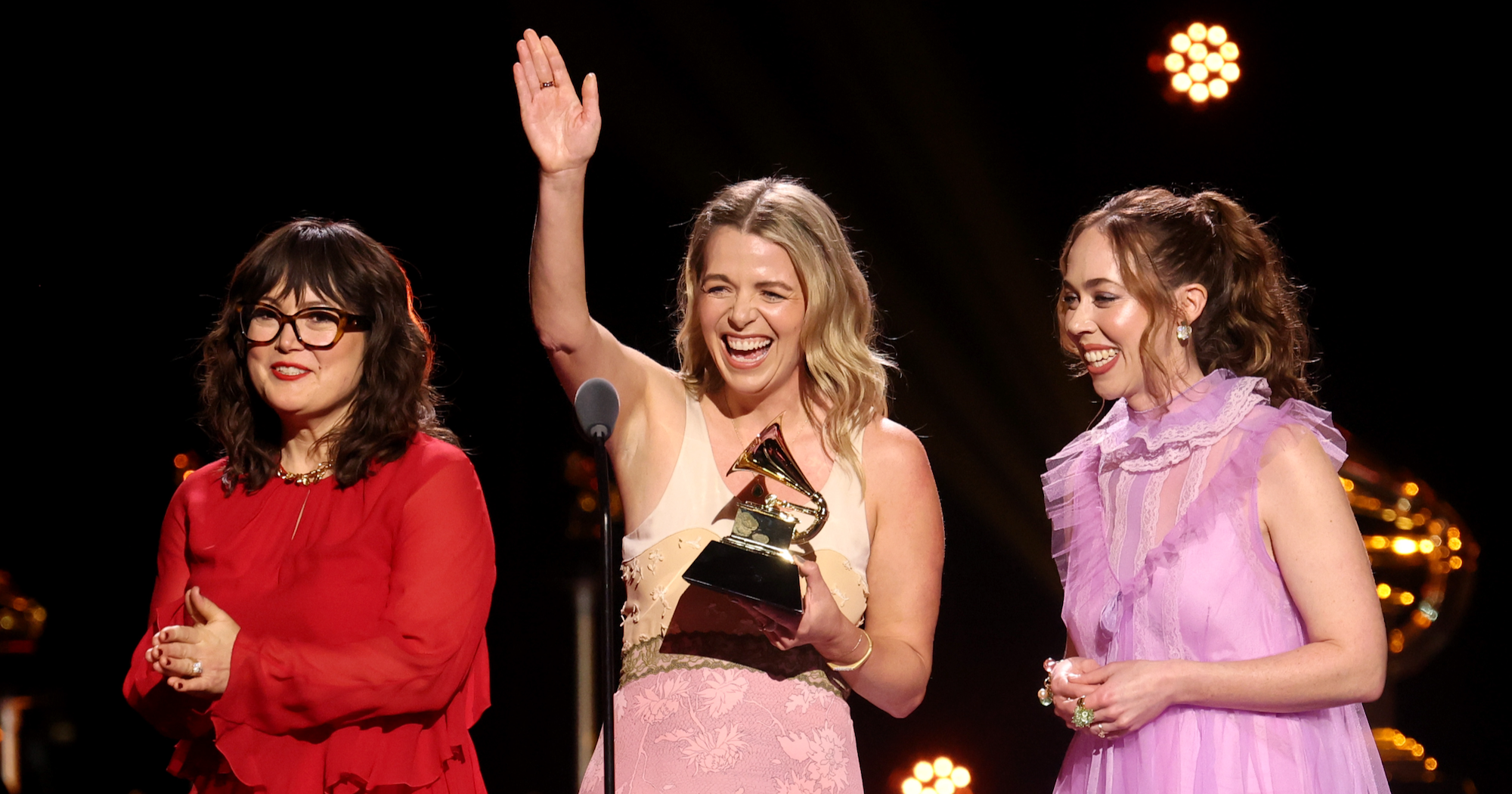
Best Bluegrass Album was announced during the Premiere Ceremony. This year, nominees included Michael Cleveland & Jason Carter (Carter & Cleveland), Sierra Hull (A Tip Toe High Wire), Alison Krauss & Union Station (Arcadia), the SteelDrivers (Outrun), and Billy Strings (Highway Prayers). Strings took home the award, racking up his third gramophone in the category. While Hull, who was nominated in four categories, including Best Bluegrass Album, did not take home any GRAMMY Awards yesterday, she was featured during the Premiere Ceremony as a presenter and she made an appearance on the red carpet for the primetime awards show. Roots/bluegrass/folk supergroup I’m With Her – featuring Sarah Jarosz, Aoife O’Donovan, and Sara Watkins – were nominated and won twice, taking home the Best Folk Album trophy for Wild and Clear and Blue and the award for Best American Roots Song for “Ancient Light.”
Tyler Childers, who was nominated in four categories this year, received his first-ever GRAMMY Award for Best Country Song for “Bitin’ List,” a viral sensation from his critically acclaimed 2025 album, Snipe Hunter. The LP had been nominated for Best Contemporary Country Album – in one of the much buzzed-about split categories of Best Contemporary Country Album and Best Traditional Country Album – but the trophy went to Jelly Roll’s Beautifully Broken instead. In the other split category, upstart fan favorite Zach Top took home the Traditional Country honor for his sophomore release, Ain’t In It For My Health. It marks Top’s first GRAMMY Award.
Of course, beyond the Country & American Roots Music field, folk and roots music were represented in peak form across the many genres and categories of the 68th Annual GRAMMY Awards. Album of the Year was awarded to Bad Bunny’s DeBÍ TiRAR MáS FOToS, one of the best roots projects of last year as selected by the BGS Class of 2025. From the Premiere Ceremony and Best Bluegrass Album to the primetime broadcast and Album of the Year, roots music is and always has been a keystone of the biggest night in music.
Below, find the complete list of winners (in bold) from the Country & American Roots Music field, plus select categories featuring roots musicians, artists, and projects from across the various other GRAMMY fields and categories.
Country & American Roots Music
Best Country Solo Performance
“Nose On The Grindstone” – Tyler Childers “Good News” – Shaboozey “Bad As I Used To Be” – Chris Stapleton “I Never Lie” – Zach Top “Somewhere Over Laredo” – Lainey Wilson
Best Country Duo/Group Performance
“A Song To Sing” – Miranda Lambert, Chris Stapleton “Trailblazer” – Reba McEntire, Miranda Lambert, Lainey Wilson “Love Me Like You Used To Do” – Margo Price, Tyler Childers “Amen” – Shaboozey, Jelly Roll “Honky Tonk Hall Of Fame” – George Strait, Chris Stapleton
Best Country Song
“Bitin’ List” – Tyler Childers, songwriter. (Tyler Childers) “Good News” – Michael Ross Pollack, Sam Elliot Roman, Jacob Torrey, songwriters. (Shaboozey) “I Never Lie” – Carson Chamberlain, Tim Nichols, Zach Top, songwriters. (Zach Top) “Somewhere Over Laredo” – Andy Albert, Trannie Anderson, Dallas Wilson, Lainey Wilson, songwriters. (Lainey Wilson) “A Song To Sing” – Jenee Fleenor, Jesse Frasure, Miranda Lambert, Chris Stapleton, songwriters. (Miranda Lambert, Chris Stapleton)
Best Traditional Country Album
Dollar A Day – Charley Crockett American Romance – Lukas Nelson Oh What A Beautiful World – Willie Nelson Hard Headed Woman – Margo Price Ain’t In It For My Health – Zach Top
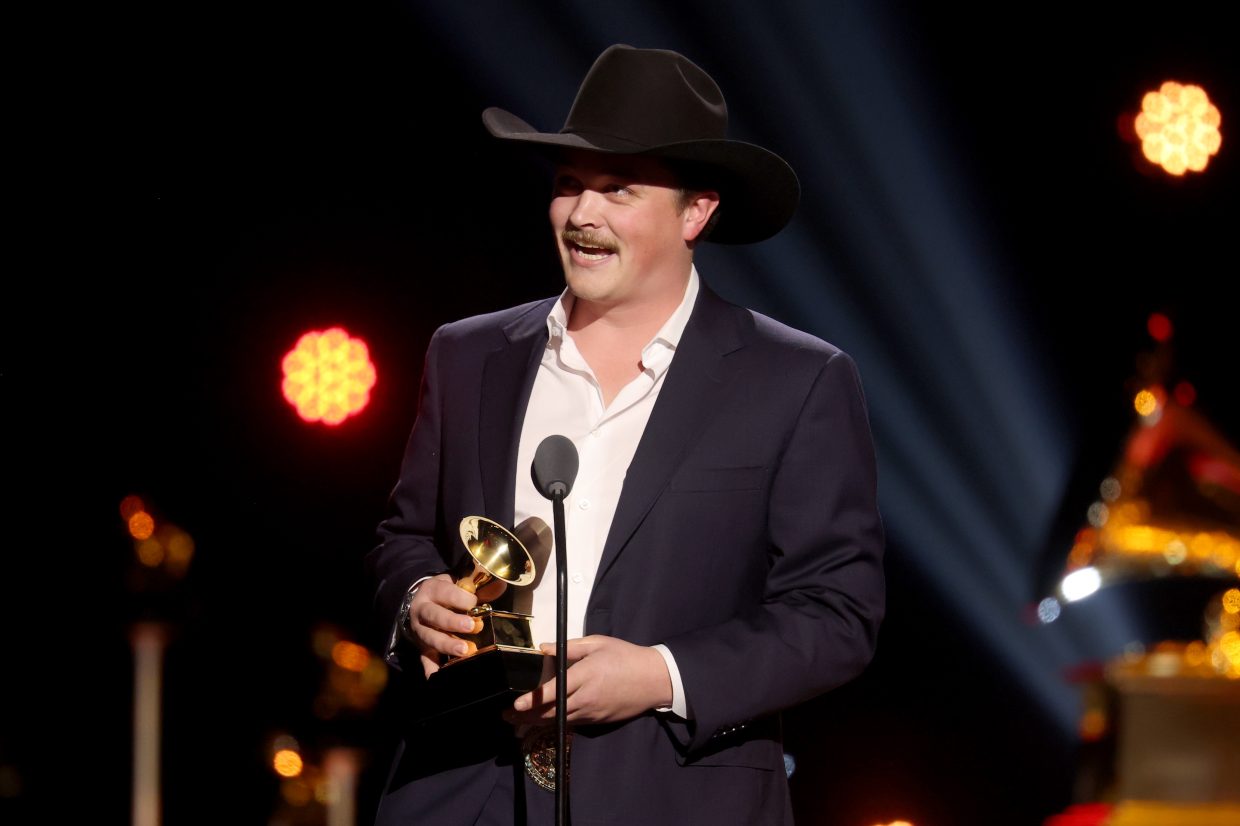
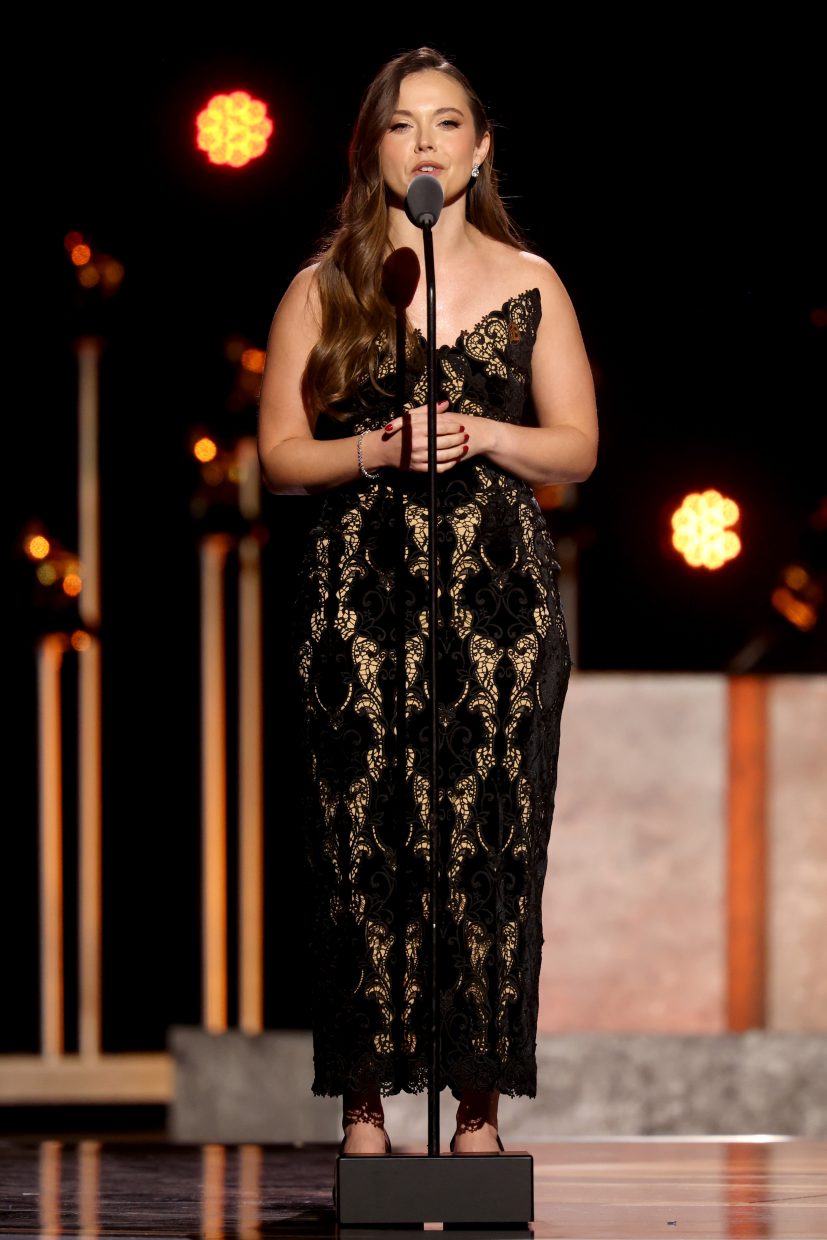
Zach Top accepts the Best Traditional Country Album award for ‘Ain’t In It For My Health’ during the 68th GRAMMY Awards Premiere Ceremony. (Photo by Matt Winkelmeyer/Getty Images for The Recording Academy.)
Best Contemporary Country Album
Patterns – Kelsea Ballerini Snipe Hunter – Tyler Childers Evangeline Vs. The Machine – Eric Church Beautifully Broken – Jelly Roll Postcards From Texas – Miranda Lambert
Best American Roots Performance
“LONELY AVENUE” – Jon Batiste, Featuring Randy Newman “Ancient Light” – I’m With Her “Crimson And Clay” – Jason Isbell “Richmond On The James” – Alison Krauss & Union Station “Beautiful Strangers” – Mavis Staples
Best Americana Performance
“Boom” – Sierra Hull “Poison In My Well” – Maggie Rose, Grace Potter “Godspeed” – Mavis Staples “That’s Gonna Leave A Mark” – Molly Tuttle “Horses” – Jesse Welles
Best American Roots Song
“Ancient Light” – Sarah Jarosz, Aoife O’Donovan, Sara Watkins, songwriters. (I’m With Her) “BIG MONEY” – Jon Batiste, Mike Elizondo, Steve McEwan, songwriters. (Jon Batiste) “Foxes In The Snow” – Jason Isbell, songwriter. (Jason Isbell) “Middle” – Jesse Welles, songwriter. (Jesse Welles) “Spitfire” – Sierra Hull, songwriter. (Sierra Hull)
Best Americana Album
BIG MONEY – Jon Batiste Bloom – Larkin Poe Last Leaf On The Tree – Willie Nelson So Long Little Miss Sunshine – Molly Tuttle Middle – Jesse Welles
Best Bluegrass Album
Carter & Cleveland – Michael Cleveland & Jason Carter A Tip Toe High Wire – Sierra Hull Arcadia – Alison Krauss & Union Station Outrun – The SteelDrivers Highway Prayers – Billy Strings
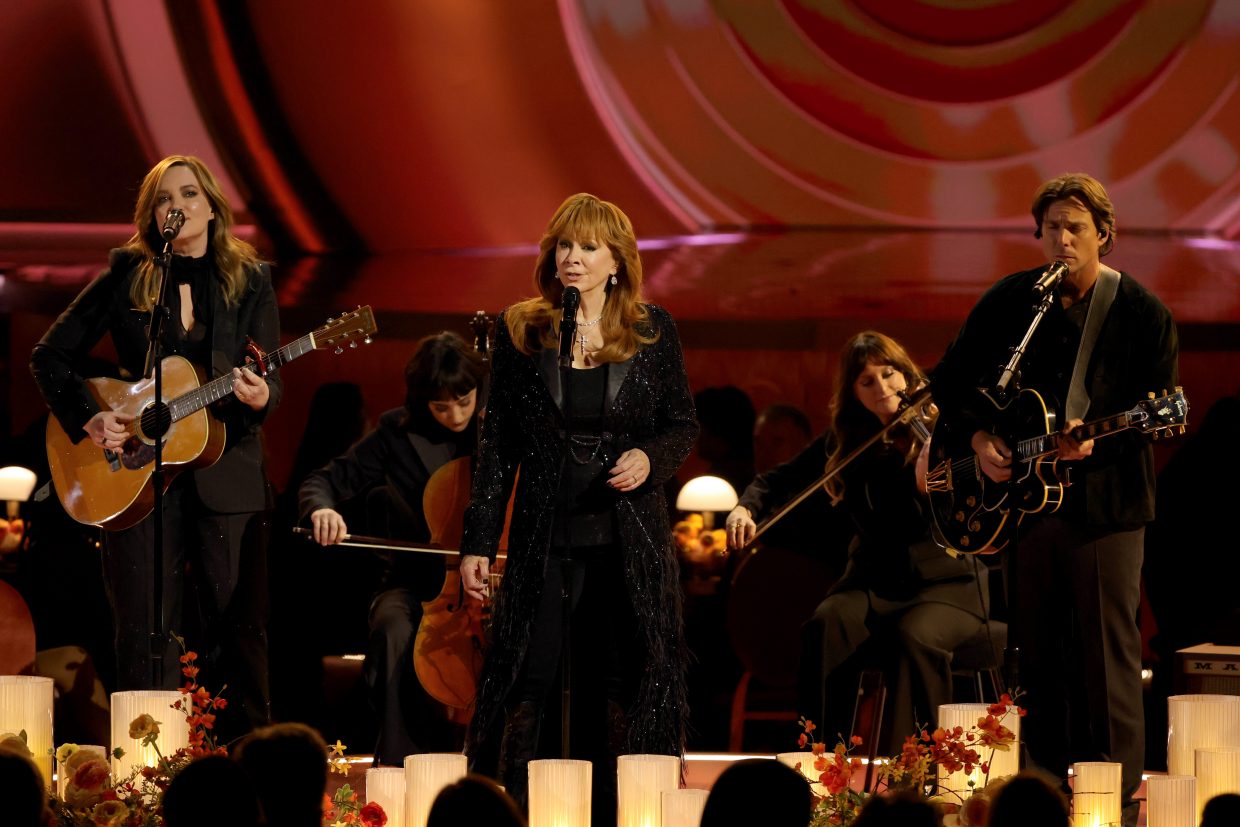
(L-R) Brandy Clark, Reba McEntire, and Lukas Nelson perform onstage during the 68th GRAMMY Awards. (Photo by Kevin Winter/Getty Images for The Recording Academy.)
Best Traditional Blues Album
Ain’t Done With The Blues – Buddy Guy Room On The Porch – Taj Mahal & Keb’ Mo’ One Hour Mama: The Blues Of Victoria Spivey – Maria Muldaur Look Out Highway – Charlie Musselwhite Young Fashioned Ways – Kenny Wayne Shepherd & Bobby Rush
Best Contemporary Blues Album
Breakthrough – Joe Bonamassa Paper Doll – Samantha Fish A Tribute To LJK – Eric Gales Preacher Kids – Robert Randolph Family – Southern Avenue
Best Folk Album
What Did The Blackbird Say To The Crow – Rhiannon Giddens & Justin Robinson Crown Of Roses – Patty Griffin Wild And Clear And Blue – I’m With Her Foxes In The Snow – Jason Isbell Under The Powerlines (April 24 – September 24) – Jesse Welles
Best Regional Roots Music Album
Live At Vaughan’s – Corey Henry & The Treme Funktet For Fat Man – Preservation Brass & Preservation Hall Jazz Band Church Of New Orleans – Kyle Roussel Second Line Sunday – Trombone Shorty And New Breed Brass Band A Tribute To The King Of Zydeco – Various Artists
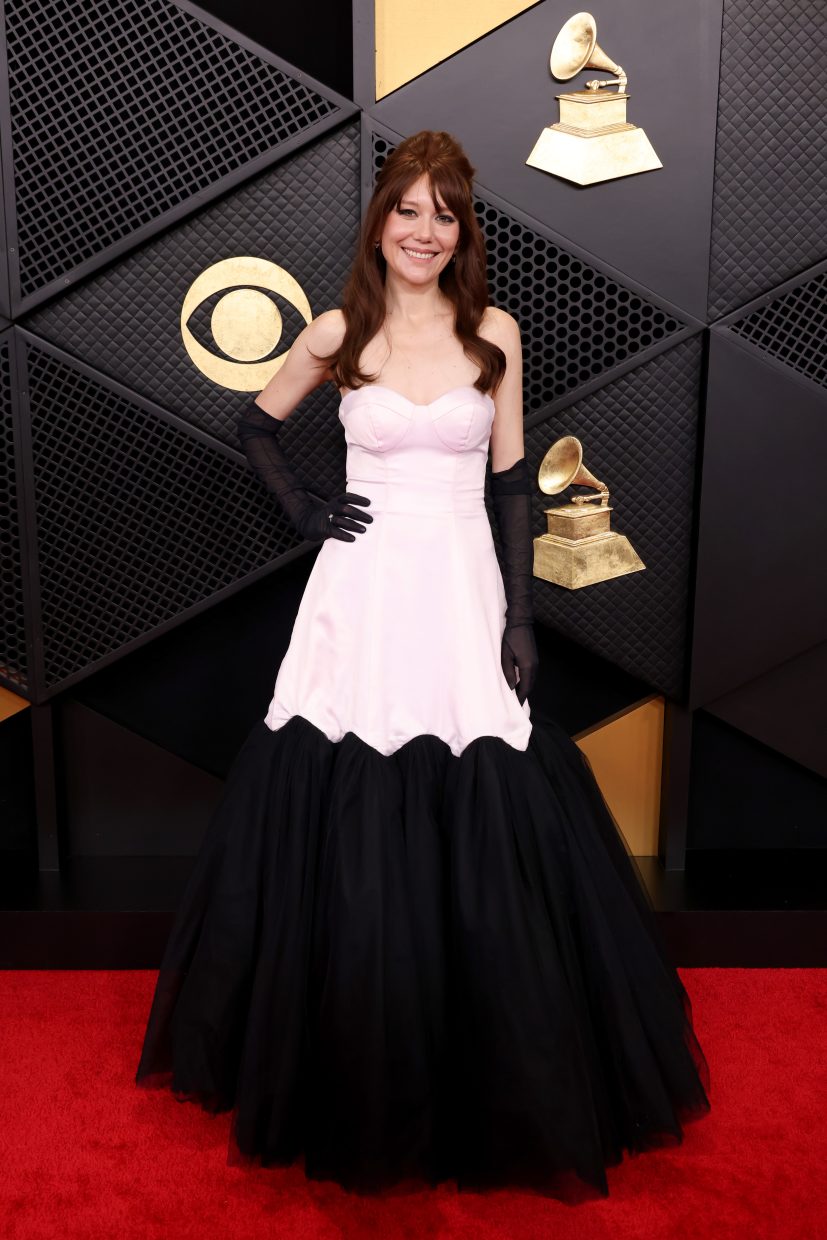
Molly Tuttle walks the red carpet at the 68th GRAMMY Awards. (Photo by John Shearer/Getty Images for The Recording Academy.)
General Field
Producer of the Year (Non-Classical)
Dan Auerbach Cirkut Dijon Blake Mills Sounwave
Jazz, Traditional Pop, Contemporary Instrumental & Musical Theater
Best Jazz Performance
“Noble Rise” – Lakecia Benjamin, Featuring Immanuel Wilkins & Mark Whitfield “Windows – Live” – Chick Corea, Christian McBride & Brian Blade “Peace Of Mind / Dreams Come True” – Samara Joy “Four” – Michael Mayo “All Stars Lead To You – Live” – Nicole Zuraitis, Dan Pugach, Tom Scott, Idan Morim, Keyon Harrold & Rachel Eckroth
Best Jazz Instrumental Album
Trilogy 3 (Live) – Chick Corea, Christian McBride & Brian Blade Southern Nights – Sullivan Fortner, Featuring Peter Washington & Marcus Gilmore Belonging – Branford Marsalis Quartet Spirit Fall – John Patitucci, Featuring Chris Potter & Brian Blade Fasten Up – Yellowjackets
Best Alternative Jazz Album
honey from a winter stone – Ambrose Akinmusire Keys To The CityVolume One – Robert Glasper Ride into the Sun – Brad Mehldau LIVE-ACTION – Nate Smith Blues Blood – Immanuel Wilkins
Best Traditional Pop Vocal Album
Wintersongs – Laila Biali The Gift Of Love – Jennifer Hudson Who Believes In Angels? – Elton John & Brandi Carlile Harlequin – Lady Gaga A Matter Of Time – Laufey The Secret Of Life: Partners, Volume 2 – Barbra Streisand
Best Contemporary Instrumental Album
Brightside – ARKAI Ones & Twos – Gerald Clayton BEATrio – Béla Fleck, Edmar Castañeda, Antonio Sánchez Just Us – Bob James & Dave Koz Shayan – Charu Suri
Sierra Hull speaks on stage during the 68th GRAMMY Awards Premiere Ceremony. (Photo by Matt Winkelmeyer/Getty Images for The Recording Academy.)
Gospel & Contemporary Christian Music
Best Roots Gospel Album
I Will Not Be Moved (Live) – The Brooklyn Tabernacle Choir Then Came The Morning – Gaither Vocal Band Praise & Worship: More Than A Hollow Hallelujah – The Isaacs Good Answers – Karen Peck & New River Back To My Roots – Candi Staton
Latin, Global, Reggae & New Age, Ambient, or Chant
Best Música Mexicana Album (Including Tejano)
MALA MÍA – Fuerza Regida, Grupo Frontera Y Lo Que Viene – Grupo Frontera Sin Rodeos – Paola Jara Palabra De To’s (Seca) – Carín León Bobby Pulido & Friends Una Tuya Y Una Mía – Por La Puerta Grande(En Vivo) – Bobby Pulido
Best Global Music Performance
“EoO” – Bad Bunny “Cantando en el Camino” – Ciro Hurtado “JERUSALEMA” – Angélique Kidjo “Inmigrante Y Que?” – Yeisy Rojas “Shrini’s Dream (Live)” – Shakti “Daybreak” – Anoushka Shankar, Featuring Alam Khan, Sarathy Korwar
Children’s, Comedy, Audio Books, Visual Media & Music Video/Film
Best Song Written For Visual Media
“As Alive As You Need Me To Be” [From TRON: Ares] – Trent Reznor & Atticus Ross, songwriters. (Nine Inch Nails) “Golden” [From KPop Demon Hunters] – EJAE & Mark Sonnenblick, songwriters. (HUNTR/X: EJAE, Audrey Nuna, REI AMI) “I Lied to You” [From Sinners] – Ludwig Göransson & Raphael Saadiq, songwriters. (Miles Caton) “Never Too Late” [From Elton John: Never Too Late] – Brandi Carlile, Elton John, Bernie Taupin & Andrew Watt, songwriters. (Elton John, Brandi Carlile) “Pale, Pale Moon” [From Sinners] – Ludwig Göransson & Brittany Howard, songwriters. (Jayme Lawson) “Sinners” [From Sinners] – Leonard Denisenko, Rodarius Green, Travis Harrington, Tarkan Kozluklu, Kyris Mingo & Darius Povilinus, songwriters. (Rod Wave)
“First Snow” – Remy Le Boeuf, composer. (Nordkraft Big Band, Remy Le Boeuf & Danielle Wertz) “Live Life This Day: Movement I” – Miho Hazama, composer. (Miho Hazama, Danish Radio Big Band & Danish National Symphony Orchestra) “Lord, That’s A Long Way” – Sierra Hull, composer. (Sierra Hull) “Opening” – Zain Effendi, composer. (Zain Effendi) “Train To Emerald City” – John Powell & Stephen Schwartz, composers (John Powell & Stephen Schwartz) “Why You Here / Before The Sun Went Down” – Ludwig Göransson, composer. (Ludwig Göransson, Featuring Miles Caton)
Photo Credit: All photos by Getty Images for the Recording Academy, courtesy of the Recording Academy. Photographer credits as marked.
Lead and Alternate Images: I’m With Her, (L to R) Sara Watkins, Aoife O’Donovan, and Sarah Jarosz, accept the GRAMMY for Best Folk Album. Shot by Matt Winkelmeyer/Getty Images for the Recording Academy.
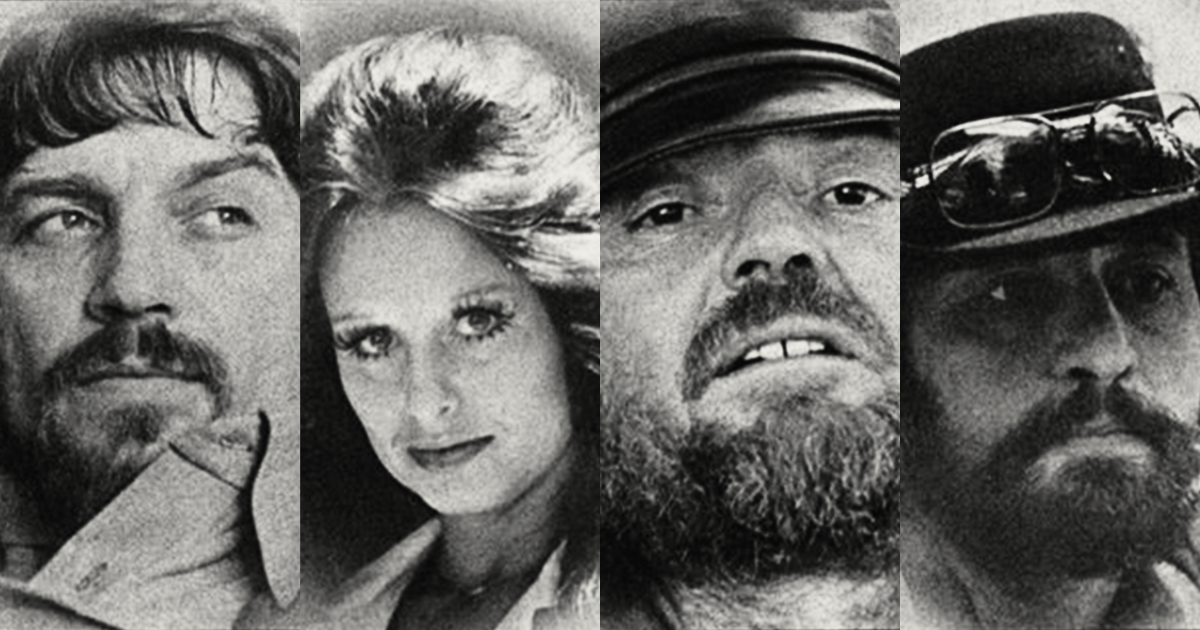
It’s strange to say about an album widely regarded as one of the 20th century’s most iconic, but maybe the most notable element of 1976’s Wanted! The Outlaws was its highly stylized cover. An old “wanted” poster associated with the wild, wild west of the American frontier (or at least movie depictions of the same), it depicted sepia-toned parchment with a trio of bullet holes. And it pictured the album’s four artists in mugshot form with Waylon Jennings as top headliner over Willie Nelson, Jessi Colter, and Tompall Glaser.
That appeared to be an unlikely quartet for a supergroup. But Wanted! The Outlaws turned out to be one for the ages, topping the country album charts and spinning off hit singles the artists performed for the rest of their careers. Wanted! even reached the crossover promised land in reaching No. 10 on the Billboard 200, a pop-chart peak for everyone involved except Nelson. When all the dust settled, it was the first country album to earn the then-newly introduced platinum certification for sales of over 1 million copies.
Despite the album’s thematic packaging, its 11 songs play less like a cohesive, organically conceived new work than the compilation it actually was. Each of the four headliners got a couple of songs, together as well as separately, and whatever unity it had came in the form of a musical vibe much closer to the progressive country coming out of Texas roadhouses than the traditional Nashville sound.
Considered as a collection of songs, Wanted! The Outlaws is a great record. And yet it emerged from a peculiar set of circumstances because it really, truly is a music-industry version of a breakfast sausage – appealing and tasty in spite of rather than because of how it was made. It’s fair to describe the feelings of many observers as mixed.
“More than anything else, it really was a triumph of Nashville marketing,” says Joe Nick Patoski speaking to Good Country. He’s the author of the 2008 biography, Willie Nelson: An Epic Life, and many other key writings about Texas music over the past half-century. “And it kind of crystalized everything Waylon, Willie and others had been doing. It almost seemed like a joke, but it worked and it sold. So who am I to kvetch?”
If Wanted! The Outlaws was a culmination that added up to more than the sum of its parts, it would not be such a key milestone without all the individual breakthroughs of its principals, starting with Waylon Jennings. A longtime journeyman who became a star, native Texan Jennings was only still alive in the 1970s because he’d given up his seat on Buddy Holly’s plane to Jiles Perry “The Big Bopper” Richardson Jr. on that fateful night in Iowa in February 1959. He’d been working the honky-tonks ever since, and by the mid-’70s his brand of too-rock-for-country-but-too-country-for-rock was landing commercially. On the strength of the statement-of-purpose hit “Are You Sure Hank Done It This Way,” Jennings’ 1975 album Dreaming My Dreams was his first to go gold.
And yet Jennings wasn’t even the biggest pop star in his own home. That was his wife, singer Jessi Colter, who had a massive No. 4 pop single in 1975 with “I’m Not Lisa.” That would remain her mainstream peak.
By 1975, however, Willie Nelson was breaking through at an even bigger level than Jennings and Colter put together. Long revered as one of the 20th century’s great songwriters, Nelson penned for-the-ages hits for the likes of Patsy Cline and Faron Young – “Crazy,” “Hello Walls,” “Night Life,” and many more. Yet success under his own name eluded Nelson, though not for lack of trying. He made album after album for RCA Records’ Nashville division, but the city’s prevailing sound just wasn’t a good fit for him. Nelson seemed doomed to be remembered as songwriter first, performer a distant second.
It took parting ways with Nashville and its assembly line – going home to his native Texas and leaving RCA to sign with Atlantic and then Columbia Records – for Nelson to finally establish himself as a viable recording artist. What finally put him over the top was 1975’s Red Headed Stranger, his 18th studio album but first for Columbia, and also the first where Nelson had complete artistic control. Spare, downcast, and terse as a Hemingway short story, the album’s sound and feel was miles removed from the Nashville sound. It was his first to crack the pop charts, selling millions, and “Blue Eyes Crying in the Rain” remains a beloved classic five decades later.
As he watched Nelson’s Red Headed Stranger success, RCA executive Jerry Bradley wanted in on it. Bradley had taken over as head of RCA Nashville from Chet Atkins several years earlier, and chief among his label’s assets was having Jennings under contract. While Nelson was long gone, RCA still had a voluminous catalog of recordings he’d left behind. RCA was already reissuing Nelson’s recordings as best-of compilations and doing some business, but taking them to the next commercial level was going to require an angle. It started with Waylon and Willie’s relationship as kindred-spirit friends and collaborators.
By the mid-1970s, Waylon and Willie had known each other for a decade. Both had artistic identities in contrast to staid Nashville, fitting in alongside other Texas-based acts like Michael Martin Murphey and Jerry Jeff Walker in an upstart wave dubbed “progressive country.” The music came out of that era’s back-to-basics ethos and was scruffier than Nashville’s assembly line. Author Jan Reid captured this particular moment with a landmark book, The Improbable Rise of Redneck Rock, first published in 1974.
Bradley’s idea was to put out an album where Jennings and Nelson joined forces, with songs both solo and in tandem. But if it was really going to take off, it needed fresh branding and a new descriptor beyond progressive country or redneck rock. That’s where old-fashioned marketing necessity entered into the equation.
Nashville writer Hazel Smith, who was working as Jennings’ publicist at that time, is widely credited with coining the phrase “outlaw country.” With that image in mind, Bradley came across a vintage “wanted” outlaw poster in a Time-Life illustrated encyclopedia about America’s 19th century western frontier. He took it to designer Herb Burnette with instructions to model a cover based on that, and then it was time to present the concept to the artists.
“He showed that to Waylon, who told him, ‘This is your idea, do whatever the hell you want,'” Patoski said. “And Jerry said, ‘Thank you’ and walked out the door. That poster on the cover really gave people something to grab onto, and ‘outlaw country’ is easier to say than ‘progressive country’ or ‘alternative country.'”
In Patoski’s telling, Nelson’s manager Neil Reshen was initially less than enthusiastic about the concept. But Bradley made it clear that RCA still had ownership and control of Nelson’s old catalog and an Outlaws album would come out with or without their blessings. It turned out that Nelson was more amenable to the idea, having just bought the Texas Opry House in Austin. He was happy to have an advance payment from his former label to fund its refurbishment.
Jennings regularly produced Colter’s music (including “I’m Not Lisa”), so she was an obvious addition to the lineup. The fourth piece of the puzzle, Tompall Glaser, also came from Jennings’ camp and was added at his insistence. Formerly of the Glaser Brothers, he too was peaking in 1975 with his cover of Shel Silverstein’s “Put Another Log on the Fire (The Male Chauvinist Anthem),” his highest-charting single on the country charts.
And thus The Outlaws were born, with success that was both immediate and long-lasting. The Academy of Country Music Awards named it album of the year for 1976, with “A Good Hearted Woman” winning the Country Music Association’s single of the year, and the album was added to the GRAMMY Hall of Fame in 2007. It also created another niche for country artists.
“My joke when people started telling me we were part of the ‘outlaw movement’ was to say, ‘No, we’re part of the in-law movement,’” said Ray Benson of the long-running Texas swing band Asleep at the Wheel in a conversation with GC. “We all thought it was kind of stupid, because everybody’s music was completely different. It was a style of marketing, not music, but it did create a shorthand to label and sell something. Honestly, the only ‘outlaw’ thing about it was the dope. What did we all have in common? We did drugs. Everybody liked something different, pot or coke or speed. But they were all illegal.”
Released in January 1976, Wanted! The Outlaws was accompanied by all the fanfare and major-label marketing of a new-music release. But the album mostly consisted of previously available material. As selected by RCA’s Bradley, seven of the original album’s 11 songs had been released in different versions as far back as 1970. But it did have a big ace in the hole, the dynamic of the Waylon and Willie show – “a juggernaut that was big and getting bigger,” said Patoski.
The duo’s live version of “A Good Hearted Woman” was one of the album’s four new tracks, and it would be its highest-charting pop single at No. 25 on Billboard’s hot hundred. It also launched Waylon and Willie’s ongoing partnership, which blew up even bigger the following year with “Luckenbach, Texas (Back to the Basics of Love).” They went on to make a series of hugely popular Waylon and Willie albums, plus their Highwayman supergroup with Kris Kristofferson and Johnny Cash.
Jennings opened Wanted! The Outlaws on a somber, solo note with “My Heroes Have Always Been Cowboys.” And yet that song is associated with Nelson, too. Four years later, he’d have a solo hit version of his own in the soundtrack to the 1980 Robert Redford/Jane Fonda movie The Electric Horseman.
Along with serving as foil to Jennings, Nelson’s key contribution to Wanted! was to give the album its main outlaw artifact in “Me and Paul,” a 1971 song chronicling some of his misadventures over the years with his drummer and partner in crime Paul English. That song’s good-natured sense of never-do-well scruff is in the DNA of some of Nelson’s singer-songwriter descendants like Robert Earl Keen and the late Todd Snider.
Colter’s most notable contribution to Wanted! was as Jennings’ duet partner on a cover of the 1969 Elvis Presley hit “Suspicious Minds,” foreshadowing their 1981 duet album Leather and Lace. Glaser’s contributions fall at the very end, with his take on Jimmie Rodgers’ “T For Texas” and “Put Another Log on the Fire” as the final two tracks. They’re classic songs rendered well, but they do feel kind of tacked on.
Wanted! would be enough of a success that the niche it created was soon viewed as problematic. Just two years later, in 1978, Jennings asked in song, “Don’t You Think This Outlaw Bit’s Done Got Out of Hand?” By then, outlaw country was bumping up against disco, and the 1980 movie Urban Cowboy was the result. Mainstream country descended into a not-great state in the early ’80s until the next wave of insurgents came along mid-decade – Steve Earle, Dwight Yoakam, Lyle Lovett, k.d. lang, and other artists who didn’t quite fit in with Nashville’s ways.
Through all of that, Waylon and Willie both kept on keeping on, separately as well as together. Jennings would remain a beloved elder statesman of country music (as well as Colter’s husband) until his 2002 death at age 64. He is still well-remembered. Glaser passed on in 2013 at age 79, but Colter is still around, making music, and released her most recent studio LP in 2023. And Nelson is, at the time of this writing, still kicking at age 92 – The Last Leaf on the Tree, as he put it on the title of his 2024 album.
Although he lives in North Carolina nowadays, San Antonio native David Menconi’s Texas bona fides include co-writing 2011 “Texan of the Year” Ray Benson’s memoir, Comin’ Right At Ya: How a Jewish Yankee Hippie Went Country or, The Often Outrageous History of Asleep at the Wheel (University of Texas Press, 2015); and his University of Texas journalism Master’s thesis, Music, Media and the Metropolis: The Case of Austin’s Armadillo World Headquarters (1985). His most recent book is Oh, Didn’t They Ramble: Rounder Records and the Transformation of American Roots Music (University of North Carolina Press, 2023).
Lead Image: Wanted! The Outlaws via Sony Music Entertainment
Want more Good Country? Sign up to receive our monthly email newsletter – and much more music! – direct to your inbox.
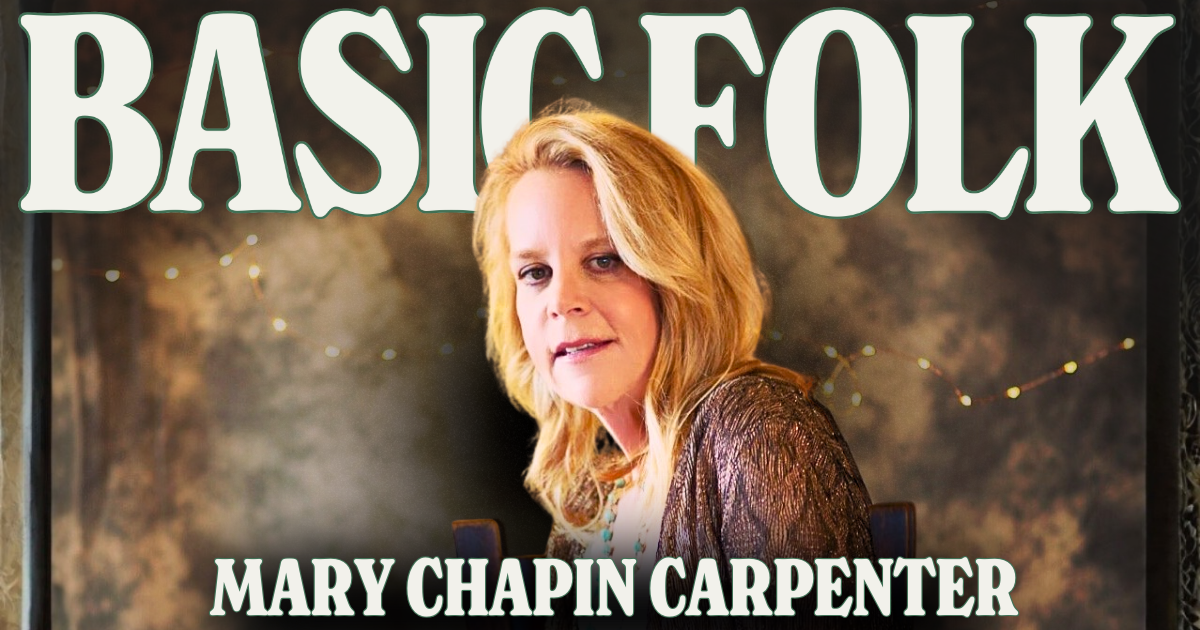
Mary Chapin Carpenter’s latest album, Personal History, is as lush in production and color as the beautiful farmland she calls home in Virginia. Carpenter will often wake up early for sunrise walks with her dog, Angus, and one of several daily cups of coffee (of course) to start the day. In our Basic Folk conversation, she reflects on how living in this serene farmhouse has brought her peace, drawing parallels to Carl Sandberg’s “creative hush.” Mary Chapin also discusses her method of “song walking” as a tool to overcome writer’s block, often accompanied by her pets.
Carpenter goes on to touch on her evolving relationship with fame and the importance of surrounding herself with grounded people; she reveals her younger self was shy, and talks about how being less concerned with others’ opinions has empowered her over time. We cover her connection to the Celtic music community and how it inspired her collaborative album Looking for the Thread with Scottish musicians Julie Fowlis and Karine Polwart. That record was her first with Josh Kaufman as producer and it worked so well, she decided to have him produce her new solo album, too. We also chat about “hyphen-gate,” due to her double first name, the process of feeling visible and valued, and the impact of Elizabeth Strout on her perspective of songwriting.
Photo Credit: Aaron Farrington
This website uses cookies to improve your experience. We'll assume you're ok with this, but you can opt-out if you wish.AcceptRejectRead More
Privacy & Cookies Policy
Privacy Overview
This website uses cookies to improve your experience while you navigate through the website. Out of these, the cookies that are categorized as necessary are stored on your browser as they are essential for the working of basic functionalities of the website. We also use third-party cookies that help us analyze and understand how you use this website. These cookies will be stored in your browser only with your consent. You also have the option to opt-out of these cookies. But opting out of some of these cookies may affect your browsing experience.
Necessary cookies are absolutely essential for the website to function properly. This category only includes cookies that ensures basic functionalities and security features of the website. These cookies do not store any personal information.
Any cookies that may not be particularly necessary for the website to function and is used specifically to collect user personal data via analytics, ads, other embedded contents are termed as non-necessary cookies. It is mandatory to procure user consent prior to running these cookies on your website.