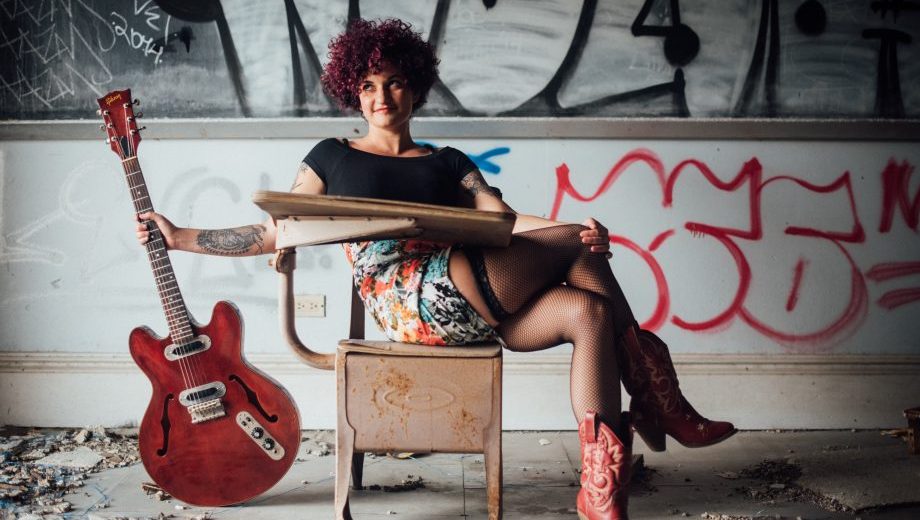
BGS 5+5: Bruce Iglauer, Alligator Records

Artist: Bruce Iglauer, Founder and President of Alligator Records
Hometown: Sweet Home Chicago
New Release: Alligator Records — 50 Years of Genuine Houserockin’ Music
Latest Album Produced: The Preacher, The Politician or the Pimp by Toronzo Cannon
Personal Nickname: Mr. Alligator

What’s your favorite memory from working in the music business?

After all these years, it would still be the first session I produced, back in 1971, with my favorite Chicago blues band, Hound Dog Taylor & The HouseRockers. We cut their debut album in two four-hour sessions, direct to two-track (I couldn’t afford multi-track recording) and 100% live in the studio. They played the same ragged instruments that they played in the South Side Chicago clubs. Hound Dog had a cheap Kingston guitar played through a Sears & Roebuck Silvertone amp built by Danelectro. Of the six speakers, two were cracked and distorted beautifully. Brewer Phillips played an ancient Fender Telecaster through a not-too-old Fender Concert amp, and Ted Harvey beat on an old Slingerland drum set. We recorded a couple of takes each of about 25 songs both nights, and chose the best for the album. We tried to make a record that felt just like their gigs at Florence’s Lounge, a South Side neighborhood bar where they played every Sunday. They rocked the house, so the slogan of Alligator Records became (and still is) “Genuine Houserockin’ Music.”

What was the first moment that you knew you wanted to work in the music business?

I came to Chicago in 1970 to work for a year as the shipping clerk at Delmark Records, a venerable small blues and jazz label. Then I was going to go back to college. The first week, the boss, Bob Koester, asked me to come to a recording session as “gopher” (the guy who goes for things like sandwiches, whiskey, guitar strings, etc.). I watched as, before my eyes, Chicago bluesman Junior Wells, accompanied by Buddy Guy, Louis Myers, Fred Below, Earnest Johnson and the best blues piano player in the world, Otis Spann, sculpted a blues record that’s worth hearing 100 times. I couldn’t believe this music was being created live right before my eyes. It was incredibly exciting. After that, I had no thoughts of going back to college.

What advice would you give to an artist who’s pursuing a career as a singer-songwriter?

Be a realist. The chances are better than not that you will not be able to make a living doing this. Be prepared to be hungry. Then, if you’re truly determined, insist on making your own statement. Don’t consciously think about being “commercial,” but do think, “Will other people relate to this music, or am I just indulging myself?” If your music doesn’t communicate, then you should perform for yourself in your bedroom and get a day job! If you do perform, remember that each performance is a way of auditioning your songs to the people you want to be your fans. Pay attention to their feedback, both what they say and how they react to each song, each verse, each line.

Which artist has influenced you the most … and how?

I guess that I should answer that about both artists and producers (because above all, I’m a talent scout and producer). The artist who influenced me most has to be Elmore James. He wasn’t the best technical guitar player in the world, but he played and sang with such undiluted passion that every record he cut is worth listening to over and over. The first two things I listen for with an artist are passion and originality. He had both. As far as producers, I’d name my old boss, Bob Koester, of Delmark Records, for letting artists be who they are, and Tom Dowd, for inspiring artists to great performances in the studio — including Ray Charles, The Allman Brothers, Wilson Pickett, Aretha Franklin, Freddie King, Eric Clapton and literally hundreds more.

If you had to write a mission statement for your career, what would it be?

Find blues and blues-based artists who have that passion and originality, and help them (whether I’m their producer or not) to capture that passion and originality in a recording. Then, be the bridge that connects the artist to his or her potential audience. That way, if the Alligator Records team and I succeed, artists will make records that will rock people’s bodies and souls, and we will help the artists reach more and more ears and (hopefully) get the recognition they deserve.


Photo credit: Chris Monaghan
The BGS Radio Hour – Episode 211

Welcome to the BGS Radio Hour! Since 2017, this weekly radio show and podcast has been a recap of all the great music, new and old, featured on the digital pages of BGS. This week, we bring you new music from our June Artist of the Month, Chris Thile, as well as Robert Finley, Oliver Wood, and much more! Remember to check back every week for a new episode of the BGS Radio Hour.

APPLE PODCASTS, SPOTIFY

Robert Finley – “Sharecropper’s Son”

Singer-songwriter Robert Finley first picked up a guitar at age 11. He was raised in Jim Crow-era Louisiana amongst a family of sharecroppers and knew from a young age that his dream was to sing. Now, at sixty-seven-years-old, that dream is alive and well with his newly-released, third solo album, Sharecropper’s Son, made in collaboration with Dan Auerbach of The Black Keys. BGS recently caught up with Finley to talk about the new album, and how his upbringing and vast life experiences have shaped his music.


DoomFolk StarterKit – “Look at Miss Ohio”

For David Swick of DoomFolk StarterKit, recording any of Gillian Welch’s work is an honor. His cover of “Look at Miss Ohio” has a balance of lightness and melancholy in its’ arrangement, which Swick says represents the song’s theme of “making peace with uncertainty.”

Zach Person – “Wanna Fly”

Zach Person was inspired to write “Wanna Fly” after reflecting upon the social and political intensity of 2020. He cites “Dylan-esque” protest songs and the openness of the western plains as the two main influences of this powerful track.

Lula Wiles – “Call Me Up”

“Call Me Up,” from Lula Wiles’ new album, Shame and Sedition, is a lighter track amongst an album that aims to transform listeners and enact change. Between tender harmonies and mellow piano chords, the trio describes meeting with an old acquaintance, singing, “I know you’ve been taking it rough / You gotta just call me up.”

Oliver Wood – “Face of Reason”

BGS spoke with Oliver Wood of The Wood Brothers for a 5+5 in support of his new solo record, Always Smilin’. He told us about his biggest influences — from Ray Charles to Levon Helm — as well as how hard times can be processed through songwriting. When asked to write a mission statement for his career, he stated: “Just be completely yourself, because that’s all you have, and that’s enough.”

Dana Sipos – “Breathing Barrel”

Dana Sipos’ “Breathing Barrel” is a meditation of being at peace with the present moment. Written immediately upon returning home to the city from a music residency at the Banff Centre for the Arts, deep in the foothills of the Canadian Rockies, this song is an attempt to integrate a very powerful experience into the more mundane, everyday life.

Shannon McNally – “This Time”

Shannon McNally reimagines Waylon Jennings’ “This Time” by giving the lyrics a personal spin — singing not about a lover, but instead about her relationship with the music business as an artist and as a woman. For McNally, the song’s directness is a breath of fresh air, and it helped her get into the headspace that permitted her to sing the rest of the album.

Chris Thile – “Laysong”

The name Chris Thile is likely familiar to fans in any corner of roots music. Growing up in southern California, Thile rose to popularity with his childhood (and sometimes still adult) band Nickel Creek, and has since helped form the Punch Brothers, the Goat Rodeo Sessions, and other noteworthy collaborations. However, this summer Thile brings something special — a completely solo album entitled Laysongs. In celebration, he is our Artist of the Month, so be sure to stick around all month long for exclusive content from Chris Thile.

Mara Connor – “Old Man”

Mara Connor recorded “Old Man” at the same age Neil Young was when he wrote it about a caretaker who lived on his ranch. When she first heard the track, she was struck by the amount of empathy the songwriter exhibited at such a young age. Connor states that the song is an affirmation of how the world would be a better place if we took the time to see the humanity in each other’s eyes.

The Grascals – “Thankful”

2020 was a difficult year for us all, and it seems that we need uplifting music more now than ever before. “Thankful” is just that. The lyrics are a powerful reminder of the things we have to be grateful for and of the important things in life.

Rising Appalachia – “Catalyst”

Inspired by their recent release and the blooming of spring, Rising Appalachia’s Leah Song created a Mixtape for BGS, entitled Rising Appalachia’s Love Songs for Blooming Spring. The playlist features heartbreakers and heart-menders from John Prine to Hozier that are sure to make your heart bloom.

Eli Lev – “As It Is”

Eli Lev’s “As It Is” began to develop halfway through a 10-day meditation retreat he went on near the Florida coast at the beginning of the year. He states, “I experienced silent sunrises over the ocean and brilliant sunsets over the bay that brought on infinite color variations and led me to a unique insight that everything is changing while staying exactly ‘as it is’ in every moment.”

Kyle LaLone – “Learning How to Love”

Featuring the sweet sounds of classic country twang and harmonies by singer-songwriter Michaela Anne, Kyle Lalone’s “Learning How to Love” is a song that details the process of understanding how to be a good partner and showing up for someone in a relationship.


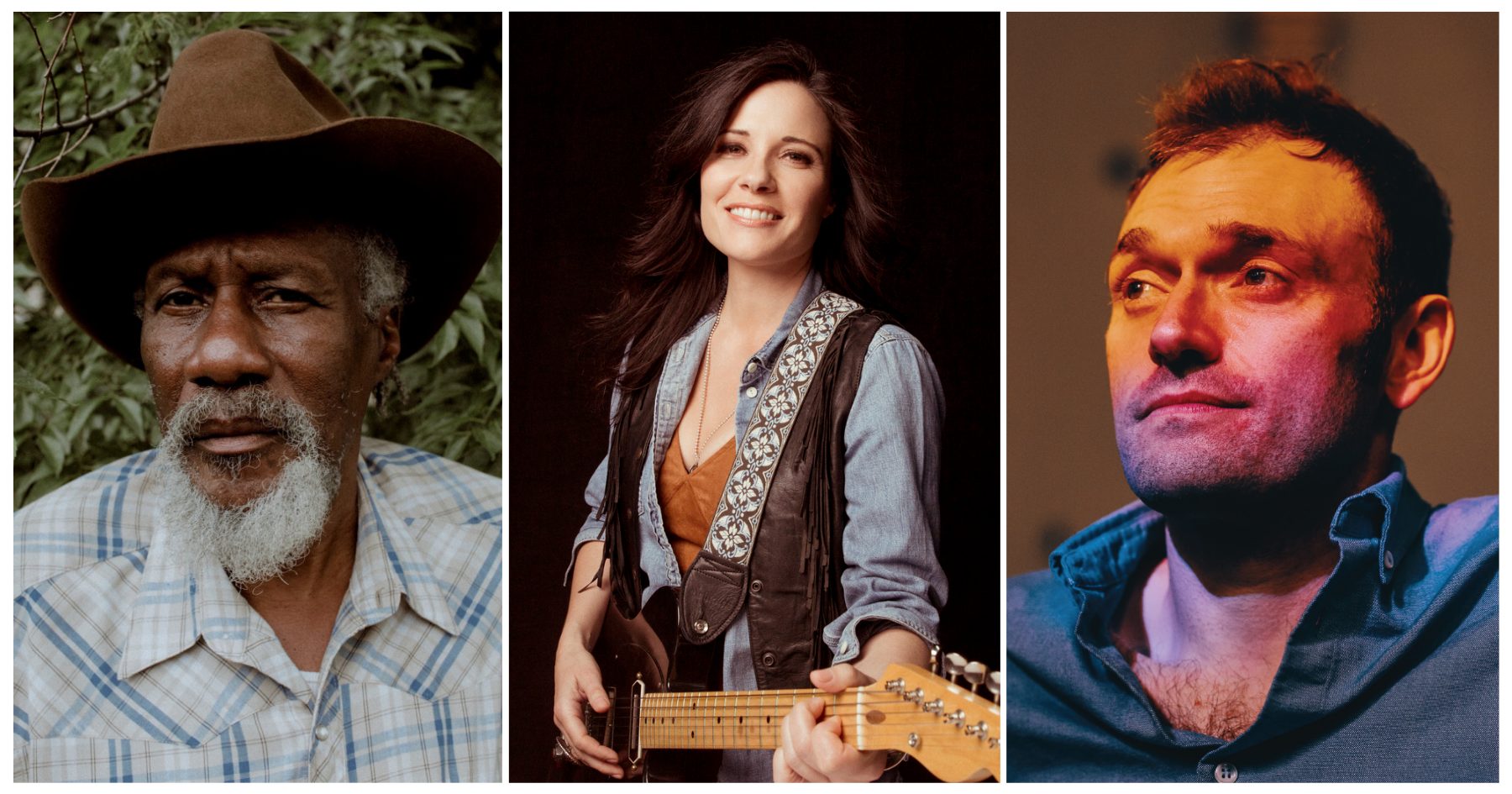
Photos: (L to R) Robert Finley by Alysse Gafjken; Shannon McNally by Alysse Gafjken; Chris Thile by Josh Goleman

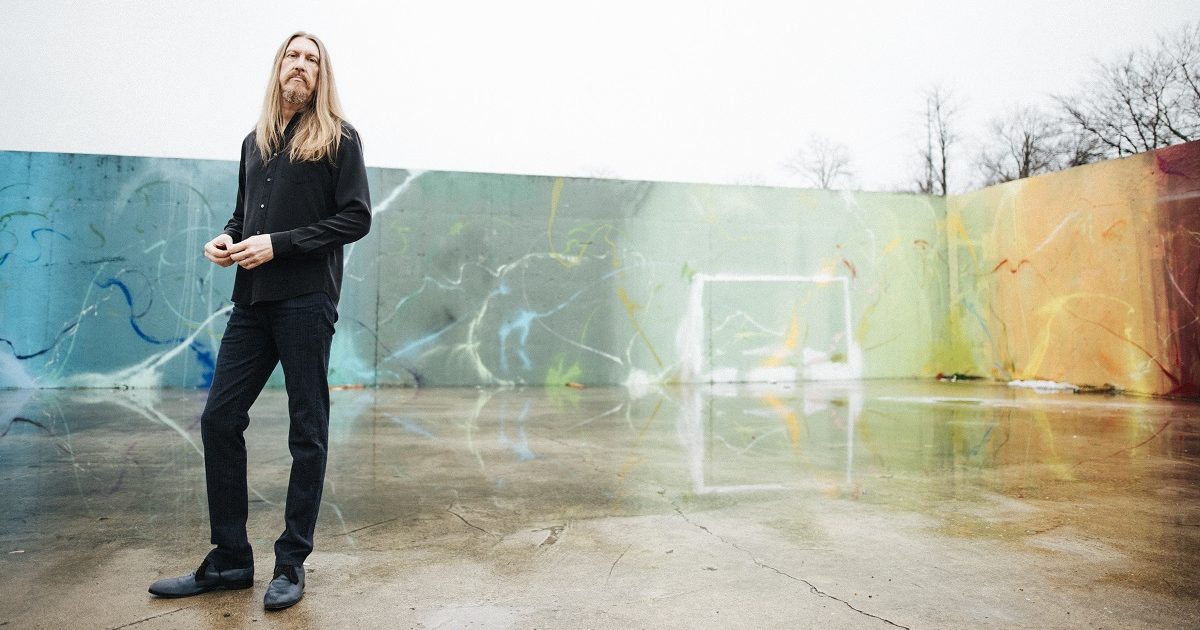
BGS 5+5: Oliver Wood

Artist: Oliver Wood
Hometown: Boulder, Colorado (born & raised); Nashville, Tennessee (current locale)
Latest Album: Always Smilin’
Personal nicknames: O

Which artist has influenced you the most … and how?

I’d have to say that Ray Charles has influenced me the most. And I don’t claim to sound anything like Ray, but I think most of my heroes are people who combine all types of American music and come up with their own unique recipe. Artists like Ray, The Band (especially Levon), Dr. John, Sly Stone, The Allman Brothers Band, Aretha Franklin, and Allen Toussaint. It could be a long list, but all of them are able to combine musical traditions in their own way to create a unique voice. And as much as I love traditional music, I really get excited when someone creates something unique by mixing up those traditions and adding their own personality. Ray was a master at that, and I’ve probably listened to him more than anyone.

What’s your favorite memory from being on stage?

My favorite memory of being on stage is when my brother Chris and I got to sing with Levon Helm (multiple times!). We did several shows with Levon and his band, but the most memorable were the Rambles at Levon’s barn. Being in that intimate space and standing right next to him at his drum kit and singing “The Weight,” with him smiling at us and egging us on… that was a huge highlight for me. To meet and sing with your hero is a pretty rare and special thing.

What other art forms — literature, film, dance, painting, etc. — inform your music?

Other art forms definitely inform my music, especially books and films. I love stories that have ambiguity and abstraction, like a David Lynch film or a Faulkner book. I like when you can feel something without fully understanding it. And the ambiguity allows for personal interpretation. It’s nice when something isn’t completely spelled out for you and you can draw your own conclusions. And a great thing about books is that you can put your own pictures to the images and characters described in the stories (which is why movie adaptations often disappoint). That can happen in songs too. And I like when I’m able to write a song based on my own experience and images in my head that resonates with someone else, even though they may interpret it in their own way.

What’s the toughest time you ever had writing a song?

I’d say the toughest songs to write are often the most rewarding and cathartic. When my mom was dying I found there was no way to not write about it. My brother and I were so consumed by her illness (ALS) and passing that it just became part of our work. And as painful as it was, it was also a way to process and understand the situation (and a way to immortalize our mom). Songs like “Loving Arms,” “Blue and Green,” and “Don’t Look Back” came from that time. In the years since then I have found that writing tributes to my close friends who passed away was a difficult but healthy pursuit.

If you had to write a mission statement for your career, what would it be?

Stop giving a f#%k and just do it. Don’t worry, think, hesitate or compare yourself to others. Just be completely yourself, because that’s all you have, and that’s enough… Of course I’m not there yet, but that’s what I’m going for.


Photo credit: Joshua Black Wilkins

This Nashville Museum Shows the Vital Role of Black Music in American History

Nashville’s “Music City” nickname has always been broader and more inclusive than the national impression, which largely has been built on two things: the city’s impressive country music legacy and its equal importance as a hub for the general music business, with major emphasis on recording and publishing. But what hasn’t been as well recognized and celebrated, at least by those outside particular communities in Nashville, is its contribution to numerous other idioms and its role in their evolution and development.

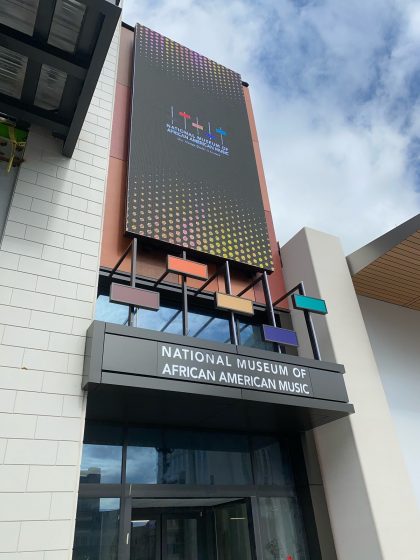
Hopefully that’s going to change with the new National Museum of African American Music (NMAAM), now open across the street from the historic Ryman Auditorium in downtown Nashville. The Fifth and Broadway entrance to NMAAM and its proximity to one of the nation’s music shrines couldn’t be more appropriate, and it is notable that the museum isn’t located in one of the sites better known as a Black music hotbed such as Detroit, New York, Los Angeles or even Memphis. Nashville has always been a major player in the African American music world, from the days of the Fisk Jubilee Singers to radio station WLAC breaking R&B, soul and blues hits, and the Jefferson Street nightclub scene providing both valuable training for emerging artists and a vital showcase for established ones.

However, the museum isn’t focused mainly or wholly on Nashville, nor any single city or musical style. The 56,000-square-foot entity aims to spotlight the entirety of the music made in this nation by Blacks, to demonstrate its impact on the totality of American sounds, and to celebrate its history and multiple influences. As CEO/president Henry Hicks repeatedly told media members who attended tours in January, “We’re showing how music through the prism of the Black experience has played a vital role in the growth of this country and how it’s affected every fabric of the culture.”

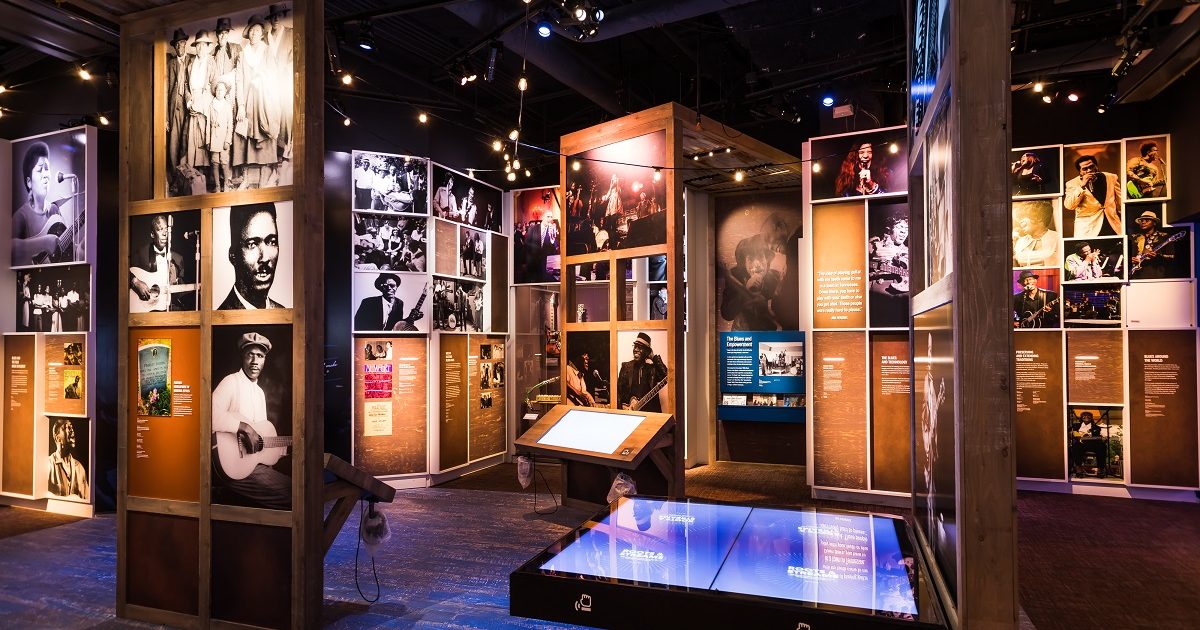
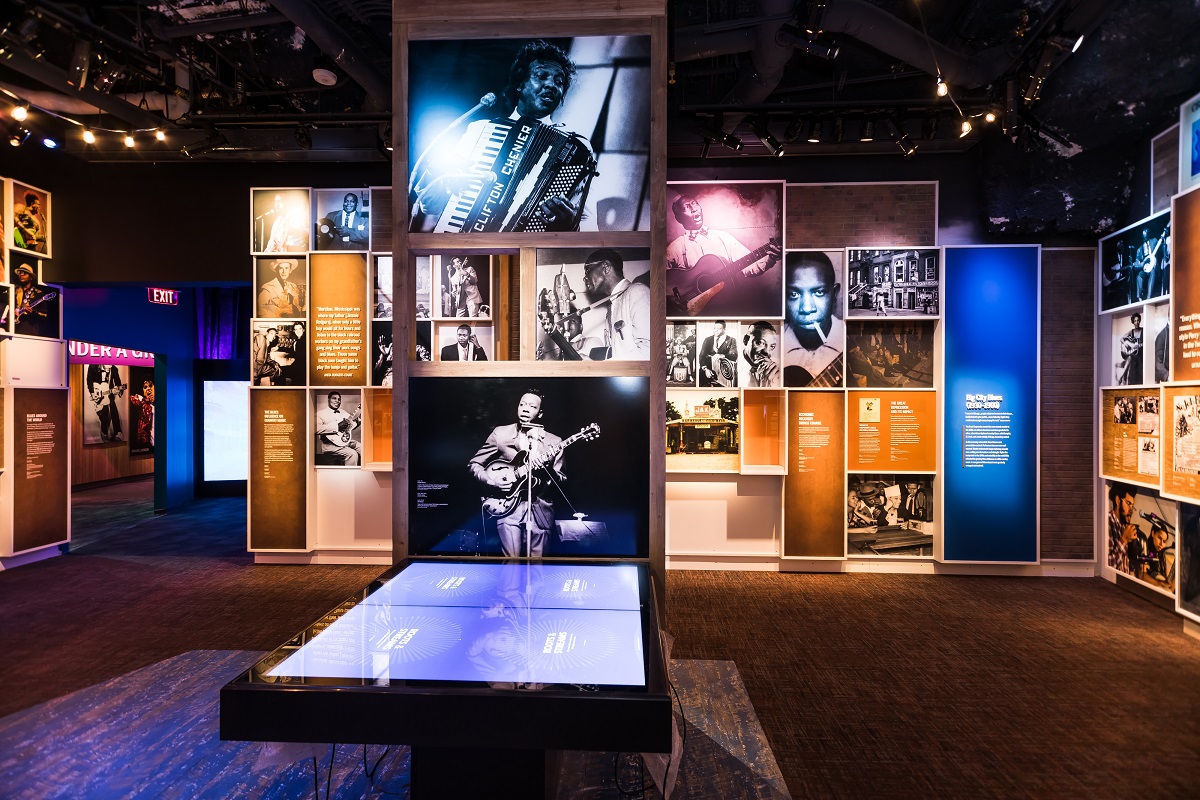
The sleek, architecturally striking building has the same visual splendor and attractiveness as the National Museum of African American History and Culture in Washington D.C. Upon entrance, visitors to NMAAM will be immediately drawn to the central corridor that’s billed as the Rivers of Rhythm. It features touch panel interactive exhibits, something that’s a recurring sight throughout the halls housing exhibits and other items designed to showcase 50 genres and sub-genres of Black music.

The corridor leads into The Roots Theater, which is actually where the museum tour formally begins. There’s an introductory film presentation that provides the African background and heritage of the various exhibits. It also offers a cinematic shorthand of what visitors later see presented in more exacting, visually striking manner: the multiple sounds and styles of notable Black music creators and performers. The theater seats approximately 190, and in later weeks and months will serve as the location for various screenings, lectures, music performances, and concerts.

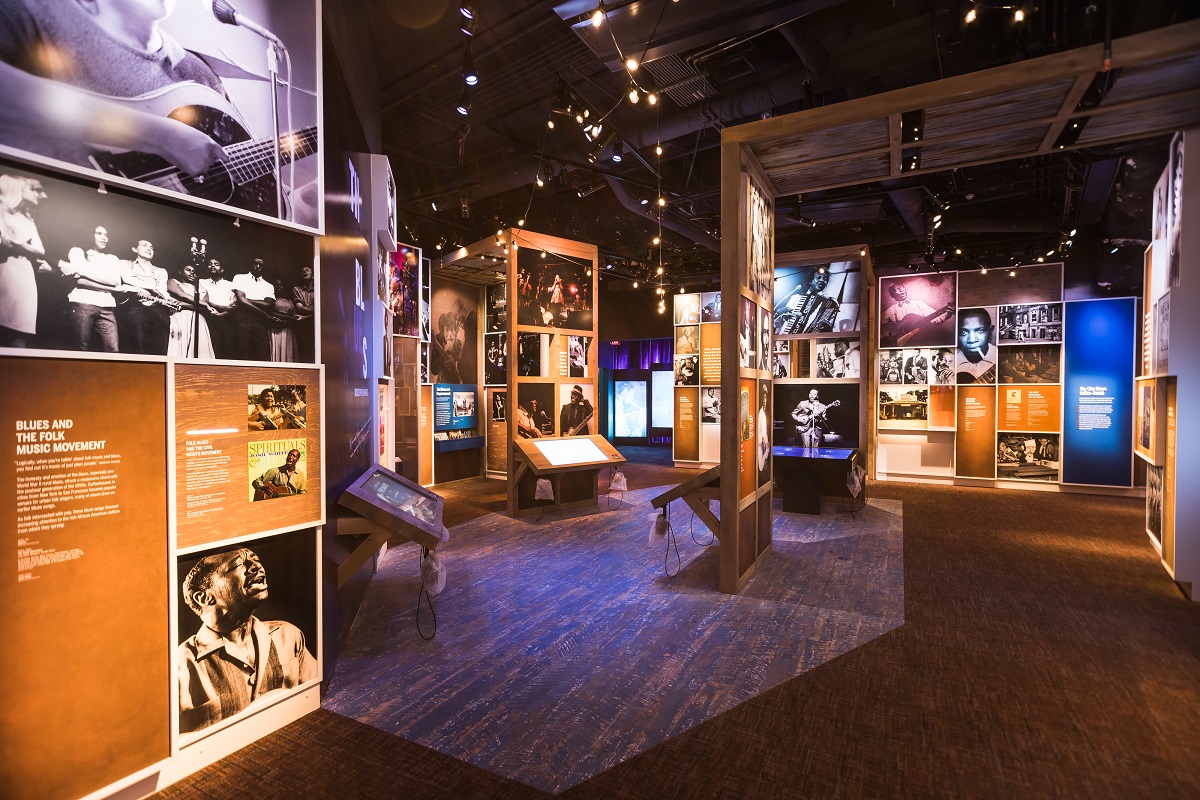
The different genre exhibitions feature everything from more interactive exhibits with timelines to cases containing such items as one of Louis Armstrong’s trumpets, one of B.B. King’s “Lucille” guitars, or costumes worn on key nights by performers like Billie Holiday, Nat “King” Cole, Ella Fitzgerald, Ray Charles, or Aretha Franklin. The museum doesn’t neglect any area of Black music, going from the earliest spirituals to pre-jazz, traditional and modern jazz, blues, R&B/soul, funk, disco, and into contemporary hip-hop and EDM. There’s also a detailed storyboard for every idiom.

The greatest examples of Black music influencing other idioms that are sometimes mistakenly assumed not to have any links with African Americans can be seen in the Crossroads section. It includes an essay that traces how country founding fathers like Jimmie Rodgers and Hank Williams were influenced by the blues, and how the acoustic guitar playing of people like Sister Rosetta Tharpe and the gospel-tinged shouting of Odetta in turn influenced white folkies like Joan Baez and Bob Dylan.

One of Chuck Berry’s biggest hits, “Maybellene,” was a reworked version of Bob Wills’ “Ida Red” with new lyrics, while certainly Elvis Presley, Carl Perkins, Jerry Lee Lewis and other white rock ‘n’ roll and rockabilly types were performing a hybrid of country, blues, and R&B. In both cases, as well as early string band music played by white and Black performers, these artists were hearing and creating a fresh sound based on their love of multiple genres, which the Crossroads section reflects in text and exhibits.

Along the way, depending on your musical preferences, you’re able to become an active part of the experience. There’s a disco dance room that inserts a neon silhouette onto the wall. You can construct your own blues song, improvise within a personal jazz composition, become part of a gospel choir, or craft your own freestyle raps. Any or all of this activity is recorded on a personal RFID wristband and automatically uploaded so that it can be shared online with friends, assuming you really want those efforts heard by others.

But most importantly, the mission, one frequently cited by tour guides and reinforced through the various exhibits, displays, and films, is Black music’s cross-generational links and the way it’s been both a voice of protest and a force for unity across diverse backgrounds. The role music played both in rallying Blacks into the World War II effort and helping inspire and fortify the Civil Rights Movement are just two parts of that underlying joint theme.

Whether it’s “One Nation Under a Groove” or “A Love Supreme,” regardless of spiritual or secular content, Black music has been at the core and forefront of American culture. No single building better exemplifies and reveals that than the National Museum of African American Music. No matter what kind of music you love, or even if you’re tone deaf, this museum will have something of value for you to see, hear and enjoy, as well as valuable lessons to learn and history to remember.


Photo Credit: NMAAM/353 Media Group

On These 10 Recordings, Willie Nelson and Black Musicians Share a Creative Vision

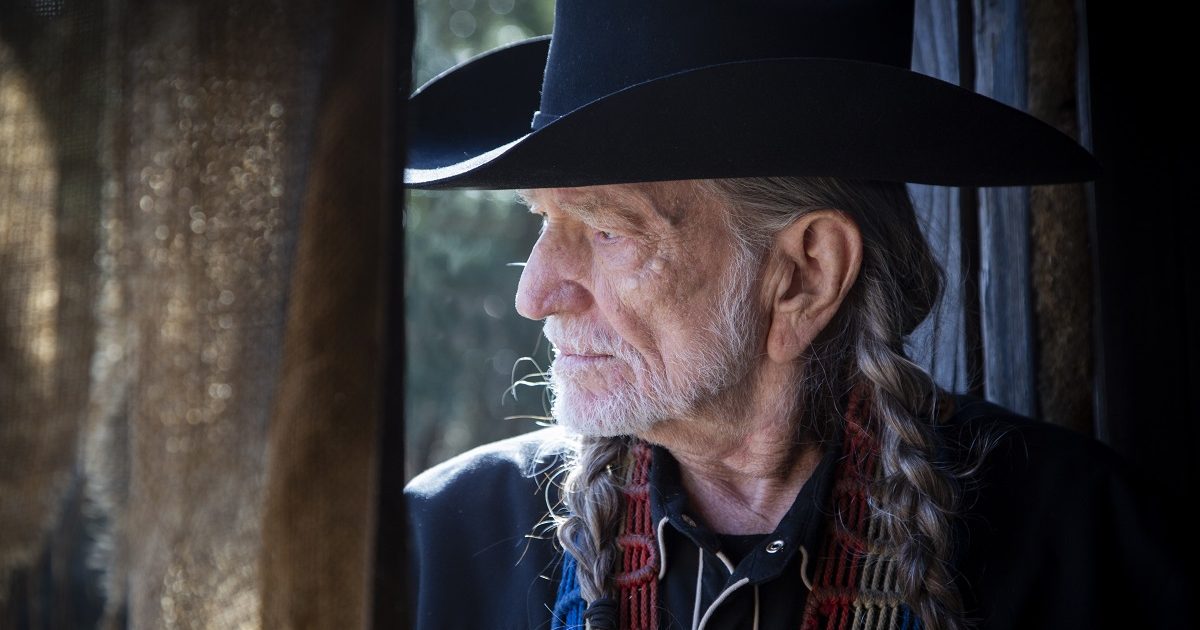
Willie Nelson has long been not just an American musical treasure, but an iconic figure with far more appeal across racial and generational lines than often recognized. At 87, he’s achieved a perfect marriage of artistry and commercial success few have in any idiom. While certainly a country legend, and the only person in the genre to ever achieve a Top 10 hit in seven different decades, he’s also collaborated with an astonishing number of artists across a wide swath of musical styles and approaches. He’s penned numerous anthems that have been covered by jazz, blues, R&B, soul, rock and pop vocalists, and this month he released his 70th studio album, First Rose of Spring.

Nelson’s never been afraid to stand up for social justice, even when those words weren’t part of the popular vernacular. Early in Charley Pride’s career, Nelson actually gave him a kiss on stage in Louisiana, quieting an audience that was allowing some of its more verbally racist louts to heckle Pride on stage. He’s always included Black musicians in Farm Aid concerts, had one of his biggest albums ever (Stardust) produced by a Black man (Booker T. Jones, who raved about Nelson in his autobiography) and has maintained a friendship with Snoop Dogg since long before Lil Nas X appeared on the scene. He also enjoyed a very close relationship with Ray Charles, who Nelson lamented he could never beat at chess.

He’s in the same company with people like Duke Ellington, Louis Armstrong, and Bill Monroe, whose output, personality and consistent brilliance has endured despite changes in production, audience preferences, and many other variables that can negatively affect the careers of popular musicians. Part of the reason for that longevity is Nelson’s undeniable skill in multiple areas. He’s penned a host of songs that are every bit as epic as those from the pre-rock canon he often samples. Had he only written “Crazy,” “Funny How Time Slips Away,” or “On the Road Again,” that would have been enough for one lifetime. He’s also a very credible singer, highly effective in pacing and telling a story.

Nelson has consistently embraced and operated in other genres by neither sacrificing his musical individuality and integrity, nor seeming to pander or simply attempting to seem hip. Actually, he’s the epitome of that term, though in a vastly different way from someone like Miles Davis, who was known as much for fashion and fine cars as musical innovation. The fact that Nelson has appeared in more than 30 films just adds weight to his universal appeal.

Trying to pick the best of Nelson’s numerous collaborations with great Black singers and musicians is a tricky thing. One could easily select 10 one day, then come back and tab a different 10 another time. But these are some (far from all) personal favorites. They are ranked in order only by year, nothing more. We picked a mix of singles and LPs, but it’s just a small sample of the many wonderful things he’s done. By no means would we claim this is the definitive list for Willie Nelson’s collaborations with African American artists, but it’s a good sampler and an indicator of how widespread his impact and willingness to work with various musicians actually extends.

SINGLES AND ALBUM CUTS

“Man With The Blues” with Buckwheat Zydeco
From Five Card Stud (1994)

The greatest zydeco master since Clifton Chenier teams with Nelson for a smoky, delightful romp that sees Buckwheat Zydeco also find a comfort zone vocally and instrumentally. As is always the case, Nelson easily works himself into the arrangement, and the two sound right at home in this setting.


“Night Life” with B.B. King
From Deuces Wild (1997)

The King of the Blues sounds happy and engaged on one of Nelson’s earliest compositions, providing some taut guitar licks and outstanding lead and harmony vocals while Nelson doesn’t try to match the improvisational edge, instead easing into a nice zone that’s part complimentary, part quite different in style and sound, but ideal for the situation.


“Still Is Still Moving to Me” with Toots & the Maytals
From True Love (2004)

Toots brings some Jamaican soul and lots of energy to this collaboration, while Willie seems a bit more energetic as the song works its way through. This is one of many performances that earned this LP the Reggae Grammy, and Nelson had such a great time he made a follow-up of his own and paid Toots and company back by having them guest on it.


“Busted” with Ray Charles
From Genius & Friends (2004)

I know “Seven Spanish Angels” was a number 1 hit and more people remember it fondly, but this late redo of an early Charles hit has equal doses of warmth, reflection and edge in both voices. Charles was certainly not at his vocal peak, but he found a way to make his treatment effective, while Willie as always proves the ideal partner in multiple ways.


“Family Bible” with The Blind Boys of Alabama
From Take the High Road (2011)

The album title indicates precisely what Nelson does here, singing with verve and fire while the Blind Boys bring some of their characteristic Golden Age gospel energy and intensity to this rendition that’s alternately wistful, memorable and poignant. This composition dates back to Nelson’s late ’50s catalog, while he was trying to get heard as a songwriter.


“Grandma’s Hands” with Mavis Staples
From To All the Girls (2013)

Mavis Staples has one foot in the church and the other in the street with her customarily powerhouse voice setting the tone. Nelson manages not to get overridden or canceled out in the process as they do their own special version of the Bill Withers hit, which the Staples Singers cut for their 1973 Stax LP, Be What You Are.


“Last Night I Had the Strangest Dream” with Charles Lloyd and the Marvels
From I Long to See You (2015)

The great Memphis jazz man Charles Lloyd and his newest group provide the backing for what comes off as a cross between a nightmarish vision and a marvelous revelation, sung in emphatic fashion by Nelson and punctuated by Lloyd adding some nifty licks underneath and the Marvels adding some musical punch.


ALBUMS

Country Man (2005)

A follow-up to his appearance on Toots’ LP the year before, Nelson goes full bore into reggae territory. Some of it works, some of it doesn’t, but all of it is performed with enthusiasm and joy. Nelson vocally handles the skittering reggae rhythms well, and on the disc’s best songs surpasses what he did on True Love.


Two Men and the Blues (2008)

Wynton Marsalis as a youthful prodigy had a lot of negative things to say about a lot of things back in the ’70s and early ’80s, and country music wasn’t spared in his broadsides. But fast forward all these years later and his gorgeous trumpet solos (both full and muted) made a great musical partner and support system for Nelson, who by now was so familiar with pre-rock, blues, and even traditional jazz tunes and rhythms that it was super smooth sailing from first note to the end. Also recommended: the DVDs Live From Jazz at Lincoln Center with Wynton Marsalis (2008) and Willie Nelson & Wynton Marsalis Play the Music of Ray Charles (2009).


Here We Go Again: Celebrating the Genius of Ray Charles (2011)

Marsalis and Norah Jones joined Nelson to pay homage to his friend Ray Charles, doing wonderful renditions of both hits and more obscure Charles tunes before a rousing audience. Nelson sounded especially energetic throughout, while Marsalis, who’s often been accused of being more technically expert than emotionally powerful, delivered crushing solos and accompaniment, and Jones was equal parts alluring and engaging. As always, Nelson comes across as sincere and genuine, a marvelous mix of down-home sensibility and attitude.


Photos: Pamela Springsteen

Jerry Douglas – Toy Heart: A Podcast About Bluegrass

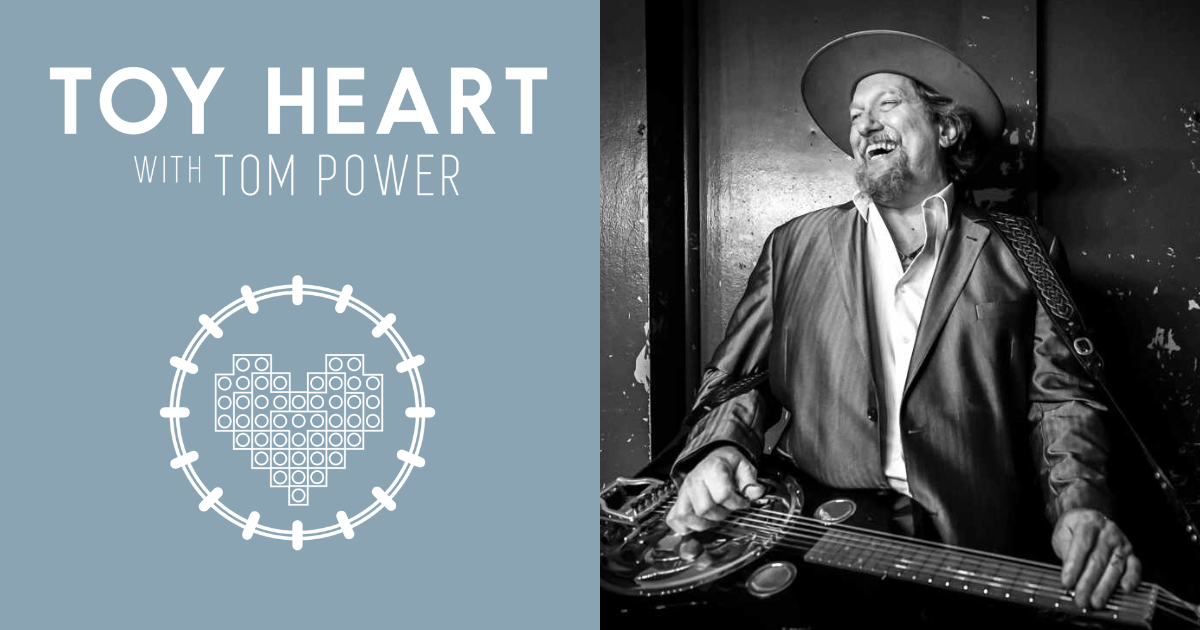
For the final episode of season one of Toy Heart, we have host Tom Power’s 2019 sit down with legendary artist, musician, and sideman Jerry Douglas at the International Bluegrass Music Association’s annual business conference in Raleigh, NC.

LISTEN: APPLE PODCASTSSPOTIFY • MP3


Douglas talks all about hearing “Uncle Josh” Graves for the first time with Flatt & Scruggs and, in the early days, using a toothbrush to turn his own guitar into something like a Dobro. He tells stories of his father’s band, the The West Virginia Travellers, and being discovered by the Country Gentlemen. He shares about his lifelong friendship with Ricky Skaggs — and his connections with Tony Rice, J.D. Crowe, Alison Krauss, Ray Charles, to O Brother, and more. Jerry Douglas will go down as one of the finest American musicians of his generation, but for this episode we focus on his true love — his life in bluegrass.

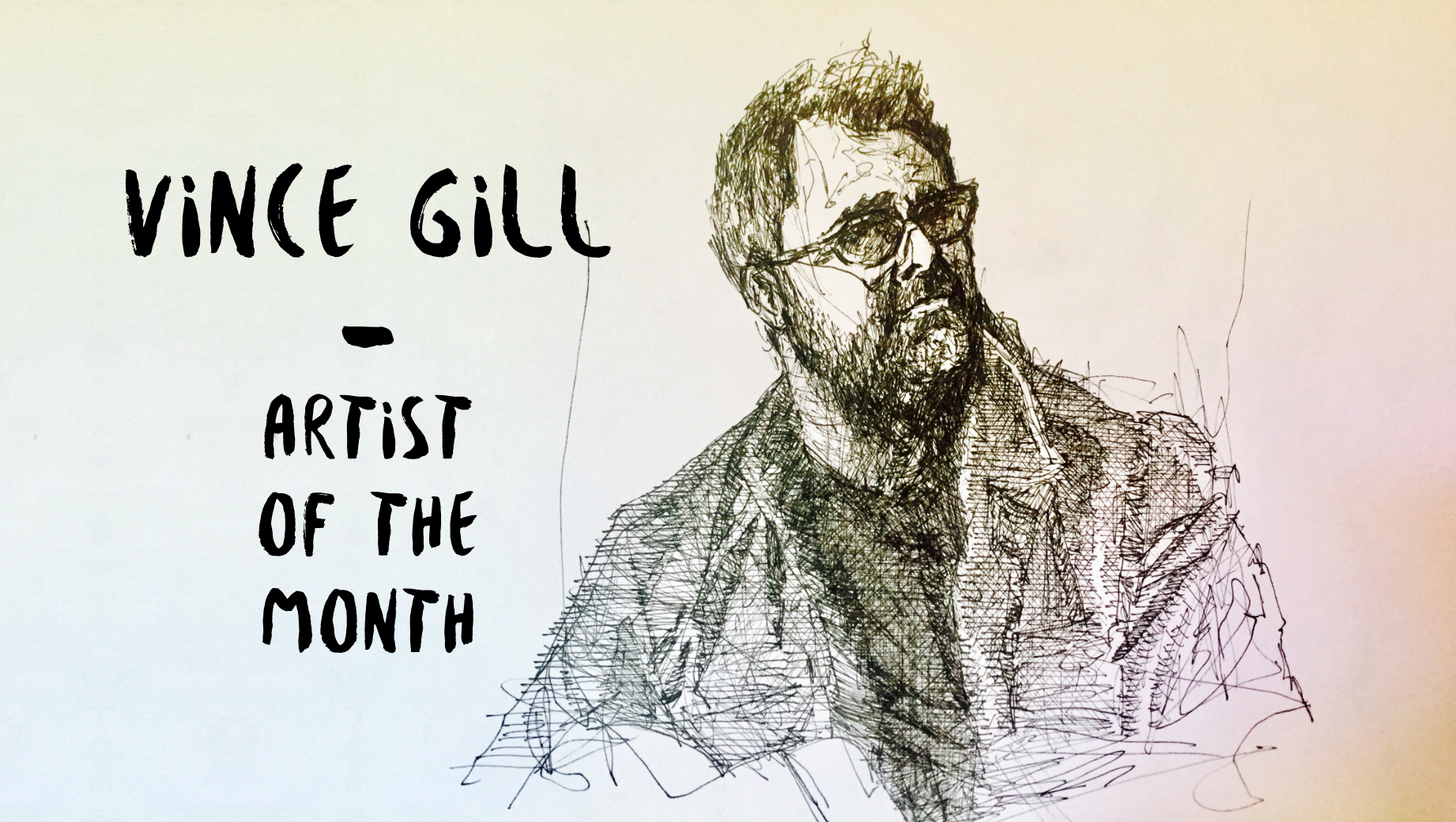
Vince Gill Lets New Songs Stand Out on ‘Okie’ (Part 1 of 2)

Regarded as one of the good guys in country music, Vince Gill has hosted countless Grand Ole Opry segments and awards shows, and he’s just as welcoming off stage, too. He generously invited the Bluegrass Situation to his Nashville home for a visit about his new album, Okie, as well as his roots in bluegrass music.

In the first part of our Artist of the Month interview, the Country Music Hall of Fame member pulls back the curtain on some of the key tracks on Okie, and explains how artists like Guy Clark, Amy Grant, and Willie Nelson influenced the album.

BGS: I’ve heard you describe this as a songwriter record, but you’ve written a lot of your hits. What do you mean when you describe this as a songwriter record?

VG: Well, I don’t think the intention of any of these songs is thinking they’ll be hits. I think that in the way of production and the instrumentation, the intent is really to never get in the way of the song. I don’t play any electric guitar on this record. I only played one or two solos on the entire record.

The rest of it is just kind of moody, ethereal, all of us playing together, and nobody stepping out so much in a big way of, “Now it’s your break, it’s time for you to play the big ripping solo.” There’s one instance of that. I think the point of it was, hopefully, that nothing ever got in the way of the song.

And there’s not big choruses with lots of harmonies. I liked Red Headed Stranger by Willie Nelson, and how sparse it was and simple. That’s what I wanted, something with a lot of space.

Did you know that going into it or did that reveal itself?

Yeah, that was the intent. I had this collection of songs. I said this would make a pretty neat, demure kind of record of not trying too hard, I guess. I mean, not singing hard and a lot of licks. Once again, there’s only one song on this record where I really cut loose and sang, and that was “When My Amy Prays.” The rest of it is just telling the story.

I even did a recitation on “Nothing Like a Guy Clark Song,” which scared the crap out of me. I don’t like the sound of my speaking voice very much. I like my singing voice just fine. But I’d only done one other kind of recitation recording in my life and that was tribute to Guy with his song, “The Randall Knife.” It always sounded bizarre to me to hear myself just talking, talking blues kinda stuff.

How did you choose the guitar for that song? Do you have a certain guitar you use?

Yeah, I think I used my guitar or Sparky’s — a friend of mine, Harry Sparks. He’s got a great old 1942 D-45. He lets me keep it here and play it a lot. It’s a long history of a story of our friendship. It’s probably the holy grail of all acoustic guitars and there’s only a few of them made and they sell for many, many, many dollars. And he had it.

I was living in Kentucky at the same time, when I was 18, and we were big buddies. Couple of years later I moved out to California and he called me up when I got out there and said, “Hey, I got to sell my D-45. I’m in trouble.” I bought it from him and told him I’d keep it for him. If he ever wanted it back, I’d sell it back to him for what I paid for it. At the time he finally called, it was worth about 10 times what I paid for it. And I said, “Yeah, I’ll sell it back to you for what I said I would.”

It’s a great story to remind yourself of how important friendship is, and your word. A few years ago we were doing a record here at my house and he brought his D-45 and we played it on a bunch in the record. He was leaving, and he had the case, and he looked at me and just handed to me. He said, “Here. You need to keep this for a while.” So it’s been a neat piece of the puzzle of our friendship.

It sounds beautiful. too, on top of that.

Amazing. It’s one of the best-sounding guitars I’ve ever heard in my life.

You write about race relations on this record a couple of times, particularly on “The Price of Regret.” I was curious if something specific inspired you to explore that topic.

It starts out as basically owning up to, we all have to have some regrets in life, and what they are can be any number of things. But what I’ve always been surprised by is how our eyes fail us. Sometimes when we see something and we look at it, we judge it. It’s the first thing we do is prejudge. Whether someone’s heavy, whether someone’s slovenly-looking, or poor or rich or white or black, and we just have this thing come to us to tell us what we think it is.

If we would honestly receive someone, not seeing them, I think you’d be much more honest in acceptance of one another. That’s what it says in that song: “You’re black and I’m white. We’re blinded by sight. Close your eyes and tell me the color of my skin.” And you couldn’t. Which would be a good thing for us.

At your Ryman show, you spoke about watching the Ken Burns documentary about country music, and you mentioned the fact that AP Carter’s sidekick was a black man, and Hank Williams learned to play guitar from a black man.

Yeah, and DeFord Bailey was one of the first great stars of the Opry and Jimmie Rodgers learned all those songs from black fieldworkers. It goes on and on and it never stops. Ray Charles taught us how much soul our music had. Charley Pride showed you how country somebody could be that was African American. It was powerful to see that we never bought into any of that mess, to some degree. And it is a mess. It’s embarrassing how we’ve handled all that.

The song I keep coming back to on here is “What Choice Will You Make.” I feel like I’m the best friend in the car, hearing that conversation. That first line puts you in the song right away, or at least it did for me.

My favorite part of that song is that it’s a song without judgment, and it happens every day. Young kids wind up, somebody gets pregnant and, “Hey, I’m 16. Look, I wasn’t prepared for this.” And all it says is, “What choice will you make? Whose heart will you break?” It doesn’t say what you should or shouldn’t do. To me, that’s a kinder way to go about tackling the subject of this matter.

The woman I wrote it with, Leslie Satcher, we’ve got a long history of writing really neat songs together. She’s tremendously talented. It was important to me that it not get to that place where we were saying what should or shouldn’t happen. That’s nobody’s place. It’s sort of like “Ode to Billie Joe.” You don’t really know what happens. It starts in that moment of sitting on the edge of town with such a worried mind, and it ends with still sitting there on the edge of town, not sure what to do.

On this record, I hear references to Amy [his wife, Amy Grant] a couple of times, on “Honest Man” and “When My Amy Prays,” of course.  What’s that experience like, playing her a song you’ve written about her?

It’s a running gag. You know you live in Nashville when you write your girl a love song and she tells you the third verse could use a little work. [Laughs] It’s really great to have a friend that does tell you what’s right and what’s not and what’s good and what isn’t. It’s easy to be inspired by her because she’s so gracious with people. She’s the most welcoming person I’ve ever seen in my whole life. Hands down. Nobody I ever seen better at that than her.

And non-judgment. No harsh words about anybody and it’s just beautiful in the way she receives. It’s kind of easy to write songs about her. If they’re songs that are faith-based, everybody assumes that I’m as a big of a church guy as she is. And the truth is, I wasn’t that much of a church kid. So I have to go to her every now and then and say, “Is this kind of close to what happens?” [Laughs] She’ll say, “You’re right on track. You’re OK.”

Read the second half of our Artist of the Month interview with Vince Gill.


Illustration: Zachary Johnson

22 Top Country Duos

Country music was made for duets. Not only because those tight, tasty harmonies are a foundational aspect of the music, but also because country accomplishes heartbreak — and every other make and model of love song — better than almost any other genre. (Thought quite possibly better than all other genres.) It just makes sense to have two singers, one to play each role in a lost, soon-to-be-lost, or (rarely) divine, never-perishing romance. But the format isn’t restricted to lovers or their placeholders, it can just as seamlessly fit heroes and acolytes, parents and children, siblings, peers, fellow pot smokers, and on and on.

Take a scroll through these twenty-two country twosomes:

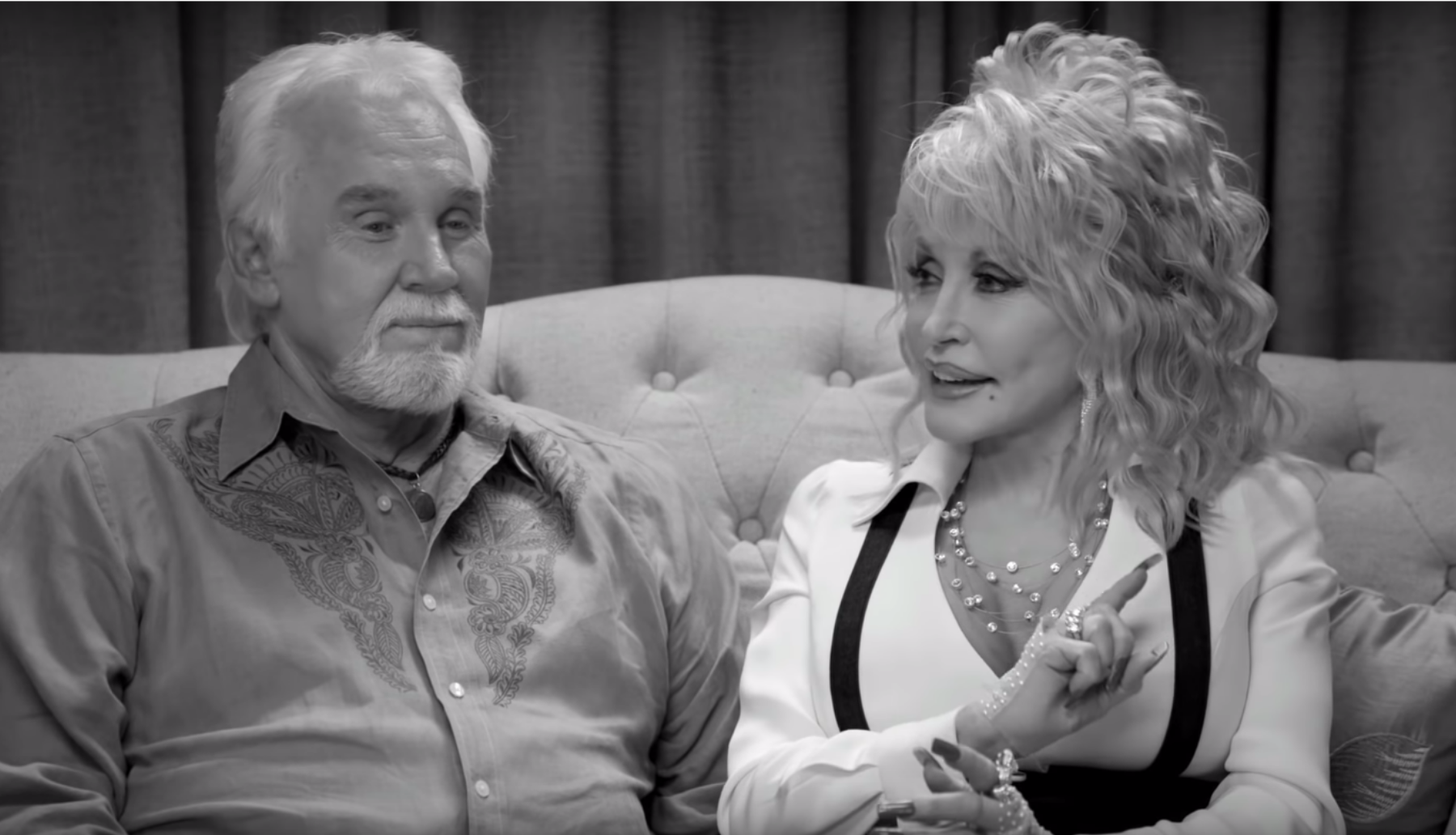
Kenny Rogers & Dolly Parton

We couldn’t have this list without these two. They should be the start, middle, and end of any definitive list of country duos. So we’ll just make the easy choice and kick it all off with Kenny and Dolly — that extra intro about their friendship and the years they’ve known each other? Swoon.

Loretta Lynn & Conway Twitty

After saying what we did about Kenny & Dolly we knew this pair needed to come next — so as to not rile anyone. Out of countless duets we could have chosen, how could any top “You’re The Reason Our Kids Are Ugly?”

Willie Nelson & Ray Charles

For inexplicable reasons people tend to forget Ray Charles’ incredible forays into country. His collaborations with Willie are stunning for the extreme juxtaposition of their voices and styles — they feel and swing so distinctly and differently, but all while perfectly complementary. “Seven Spanish Angels” ranked a very close second to this number in our selection process.

Glen Campbell & John Hartford

The most-recorded song in the history of recording? It’s said “Gentle On My Mind” holds that honor. And goodness gracious of course it does. Here’s its writer and its popularizer and hitmaker together.

Lee Ann Womack & George Strait

Together, Lee Ann and George were beacons of the trad country duet form, especially in the ’90s and early 2000s. This one from the jewel in the crown of Lee Ann’s discography, Call Me Crazy, is crisply modern, but with decidedly timeless vocals.

George Jones & Tammy Wynette

A broken, country fairy tale of a love story, George and Tammy’s relationship was infamously fraught, but damn if that didn’t just make their duets ever more… ethereal. Which doesn’t justify that Tammy Wynette kinda pain, to be sure, but it does remind us that if country can do anything better than all other genres, it can be sad.

Reba McEntire & Linda Davis

One of the best country songs, duets, and music videos EVER MADE. Theatrical and epic and a little silly and downright catchy and Rob Reiner and… we could go on forever.

Tanya Tucker & Delbert McClinton

Tanya is back with a brand new album and its well-deserved level of attention has been helping to re-shine the spotlight on her expansive career. Forty top ten hits across three decades. Who does that? Here she duets with Delbert McClinton on their 1993 hit, “Tell Me About It.”

Alan Jackson & Jimmy Buffett

Hey, if this has to be stuck in our heads for the rest of the month, it should be stuck in yours, too. Fair’s fair. It’s only half past [whatever time it is], but we don’t care.

Johnny Cash & June Carter Cash

One of the most recognizable duos in the history of the genre, immortalized not only in their discography but in a film adaptation of their love as well, Walk the Line. We all know “Jackson” as familiarly as the ABC’s, so here’s a slightly lesser-known beaut. (Keep watching til the last verse for an adorable bit from June.)

Eric Church & Rhiannon Giddens

Country is at its best when it surprises us. This collaboration is certainly, on the surface, unexpected, but the message of the song isn’t the only way these two artists can relate to each other. Over the course of their careers they’ve both fought their way from the fringes to the centers of their respective scenes. More of this, please.

Dolly Parton & Porter Wagoner

Dolly got her start with Porter Wagoner on his television show in the 1960s. They can certainly be credited with pioneering, popularizing, and epitomizing the country duet format. One of her most famous hits, “I Will Always Love You,” was written for Porter as she lamented leaving their act to go totally solo. (We’re a little glad she did.) You can tell they sang this song just a few gajillion times together, give or take.

Pam Tillis & Mel Tillis

Father/daughter duos in country aren’t as common, but they certainly aren’t unheard of. Pam and Mel are a perfect example. (The Kendalls are another.)

Patty Loveless & Ralph Stanley

Patty Loveless received the first ever Ralph Stanley Mountain Music Memorial Legacy Award in 2017 at Ralph’s home festival, Hills of Home, in Wise County, Virginia. Patty and Ralph were longtime friends and collaborators during his lifetime and even through her mainstream country success she referenced bluegrass and Ralph as influences — and she cut a few bluegrass records as well.

Alison Krauss & James Taylor

It’s. Just. Too. Good. Like butter. Like a warm bubble bath. Like floating on a cloud. Two voices that were meant to intertwine.

Charley Pride & Glen Campbell

These two were made to sing Latin-inflected harmonies together, weren’t they? Charley Pride gets overlooked by these sorts of lists all too often. But dang if he didn’t crank out some stellar collaborations, too!

Gram Parsons & Emmylou Harris

“Love Hurts” and boy, if Gram and Emmylou don’t make you believe it heart and soul and body and being. The definitive version of this Boudleaux Bryant song? Perhaps.

Willie Nelson & Merle Haggard

Icons being icons. And friends. And amazingly talented, ceaselessly musical comrades. You love to see it. (We could’ve/should’ve chosen “Pancho & Lefty.” We did not.)

Vince Gill & Amy Grant

There are quite a few reasons why the Ryman Auditorium basically hands this husband and wife duo the keys to the place each December. Basically all of those reasons are evident in this one. It’s fitting that this video came from one of those Christmas shows, too.

Dolly Parton & Sia

Dolly literally outdoes herself, re-recording “Here I Am” for the original soundtrack for her Netflix film, Dumplin’, after she first cut the Top 40 country single in 1971. Clearly she and Sia have much more in common than an affinity for wigs; their soaring, acrobatic voices seem so disparate in style and form until you hear them together. Listen on repeat for the best therapeutic results.

Robert Plant & Alison Krauss

[Insert entire Raising Sand album here, because how could we ever choose?] Lol jk, here’s “Killing the Blues.”

Carrie Underwood & Randy Travis

Cross-generational, meet-your-hero magic right here. Little did we know what was in store for Carrie Underwood then. But the way Randy looks at her up there, you can tell he knows she’s goin’ places.

BGS 5+5: Carsie Blanton

Artist: Carsie Blanton
Hometown: Luray, Virginia, but currently New Orleans
Latest album: Buck Up
Personal nicknames: My stage name ages 14-16 was Carsie Bean Blue. And “Carsie” is technically a nickname; my legal name is “Carson” (my namesake is Southern Gothic novelist Carson McCullers who was, by the way, a badass).

What other art forms — literature, film, dance, painting, etc — inform your music?

I find poetry and novels very inspiring as a songwriter. My new album has themes of desire and futility, and while I was writing it I had an excerpt from a poem by James Richardson hanging above my writing desk (which I also included in the album liner notes):

And what was King Kong ever going to do
with Fay Wray, or Jessica Lange,
but climb, climb, climb, and get shot down?
No wonder Gulliver’s amiably chatting
with that six-inch woman in his palm.
Desire’s huge, there’s really nowhere to put it
in our small world that it will stay put

What rituals do you have, either in the studio or before a show?

I write most of my songs in my writing studio, The Watermelon, which is a freestanding 8′ x 8′ shed in my backyard–it’s all mine and nobody else has a key! It’s green on the outside and watermelon-pink on the inside, and it’s filled with every object I own that inspires me or makes me feel lucky: terracotta pigs from Chile; a badger skull; milagros and alebrijes from Mexico; prints by my favorite artists; books by my favorite writers (plus a collection of rhyming dictionaries and thesauri); orchids and succulents; prayer candles from my local voodoo shop; and both of my guitars (a 1907 Washburn parlor and a cherry red 1972 Gibson ES-320). There’s also a sea-green writing desk with drawers full of markers, stamps, and newspaper clippings. When I’m ready to write, I light all the candles and water all the plants and make myself a cup of tea.

If you had to write a mission statement for your career, what would it be?

Pleasure and playfulness are serious business. I believe it’s possible–nay, necessary–to thwart fascism and make capitalism obsolete while having maximum possible fun, writing great hooks and taking breaks for sex and cookies.

Since food and music go so well together, what is your dream pairing of a meal and a musician?

Rare steak and old Scotch with Ray Charles.

What was the first moment that you knew you wanted to be a musician?

The one that comes to mind is seeing Gillian Welch and David Rawlings at Merlefest when I was ten or eleven. I was already a huge fan, and I had brought an autograph book and really wanted Gillian’s autograph, so I knocked on the stage door after her set. A bouncer answered, and for some reason, he let me in! I remember seeing all the people hanging around backstage–musicians and crew–and thinking, THIS! This is where I belong.


Photo credit: Jason Albus

3×3: Stranger Friends on Pianos, Pickles, and Prime Ministers

Artist: Jamie Floyd and John Martin (of Stranger Friends)
Hometown: 
Stillwater, OK & West Palm Beach, FL
Latest Album: Stranger Friends
Personal Nicknames: I’ve never had an official nickname, but I’ve always loved giving nicknames! My good friend, Sean McCabe, is better known as Freeze. Back in college, he wanted to meet a specific girl. We set up a little meeting at Aspen Coffee Shop in Stillwater and, as you can tell by his nickname, he froze up and didn’t say a word to her. After years of co-workers, friends, and family embracing the nickname, Sean actually got Freeze tattooed on his hand. You can’t make this stuff up! — JM

If you could go back (or forward) to live in any decade, when would you choose?

JM: Maybe the ‘60s, so I could say I saw the Beatles, Bob Dylan, and the Elvis Comeback Special.

Who would be your dream co-writer?

JM: Bob Dylan. I know he wouldn’t need me … but to watch him work would be like getting to watch Van Gogh paint.

JF: Take me back and put me in a room with a piano and Ray Charles.

If a song started playing every time you entered the room, what would you want it to be?

JM: Very tough question. Maybe I’d go with Pharrell’s “Happy” because it’s difficult to hear that song and not feel good!

What was your favorite grade in school?

JM: For me, 10th grade — leaving campus for lunch changed everything!

JF: 7th grade was my favorite grade. I got into speech and debate. I would get into real political debates with my social studies teachers during class. My passion for advocacy started all the way back then. Today, I have handful of organizations that are important to me, and I use my voice to help in any way I can.

What are you most afraid of?

JM: That’s a toss-up — snakes or spiders … ahhh!!

Who is your celebrity crush?

JM: My wife, Glenda. She is a recurring guest on Trisha’s Southern Kitchen, so she is a celebrity to me!

JF: Justin Trudeau, the prime minister of Canada. I think he counts as a celebrity. What a humanitarian with a huge heart for all people.

Hitting the grey carpet at the @SESAC Awards! • • #Nashville #sesacawards #strangerfriends

A post shared by Stranger Friends (@strangerfriendsband) on

Pickles or olives?

JM: Neither?? I’ve never knowingly had either.

JF: I am a total crazed foodie — all the pickles and all the olives (Castelvetrano Olives are my fave), please & thank you.

Plane, train, or automobile?

JM: Automobile. I like driving because it’s a great place to listen to music and clear the mind.

JF: Planes are my pick. You can see it all from the sky.

Which is worse — rainy days or Mondays?

JM: Actually, I love both. Rainy days remind me of Oklahoma, and Mondays are the first chance at the new week.

JF: Rainy days get me down. I’m a Florida girl. I have to have sunshine.


Photo credit: Joshua Black Wilkins