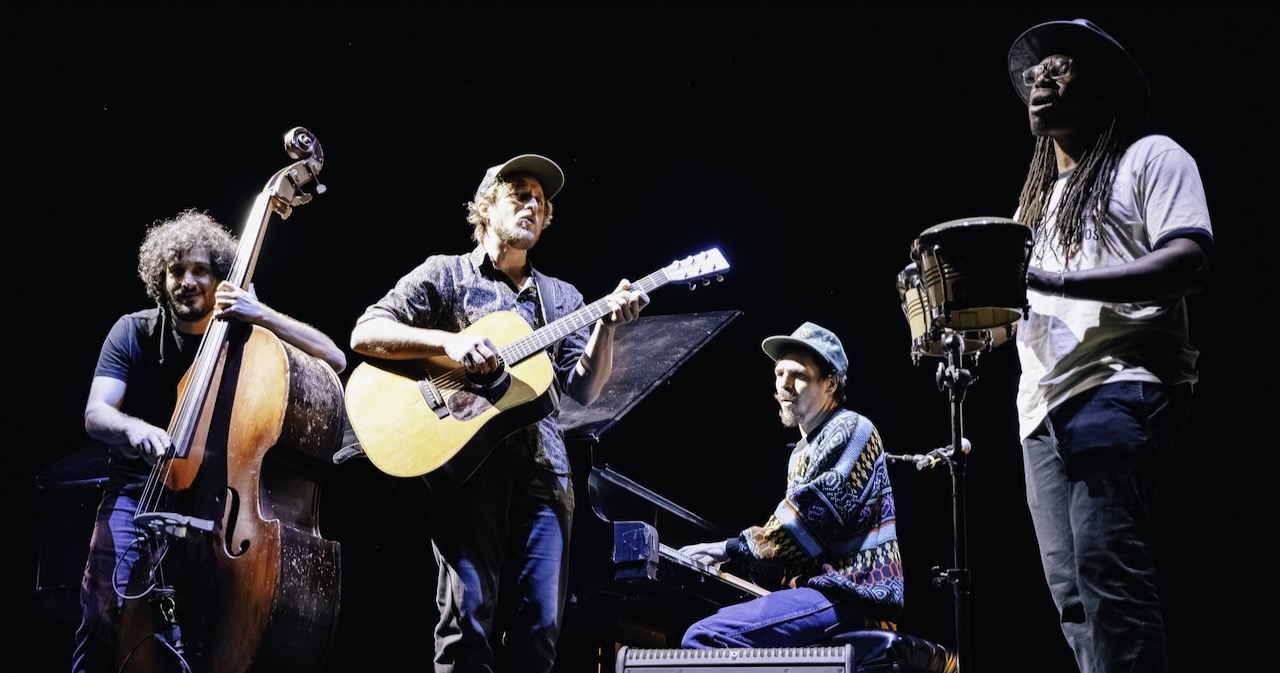
Peter Rowan and Sam Grisman Project Will Bring Old & In the Way to the Ryman

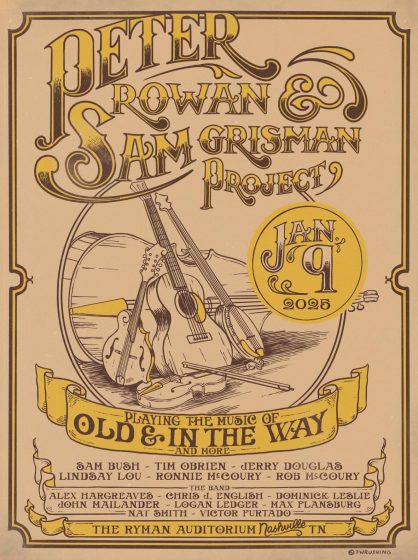
On January 9, 2025, there will be a special performance – more so a once-in-a-lifetime celebration – of the groundbreaking music of Old & In the Way at Nashville’s famed Ryman Auditorium.

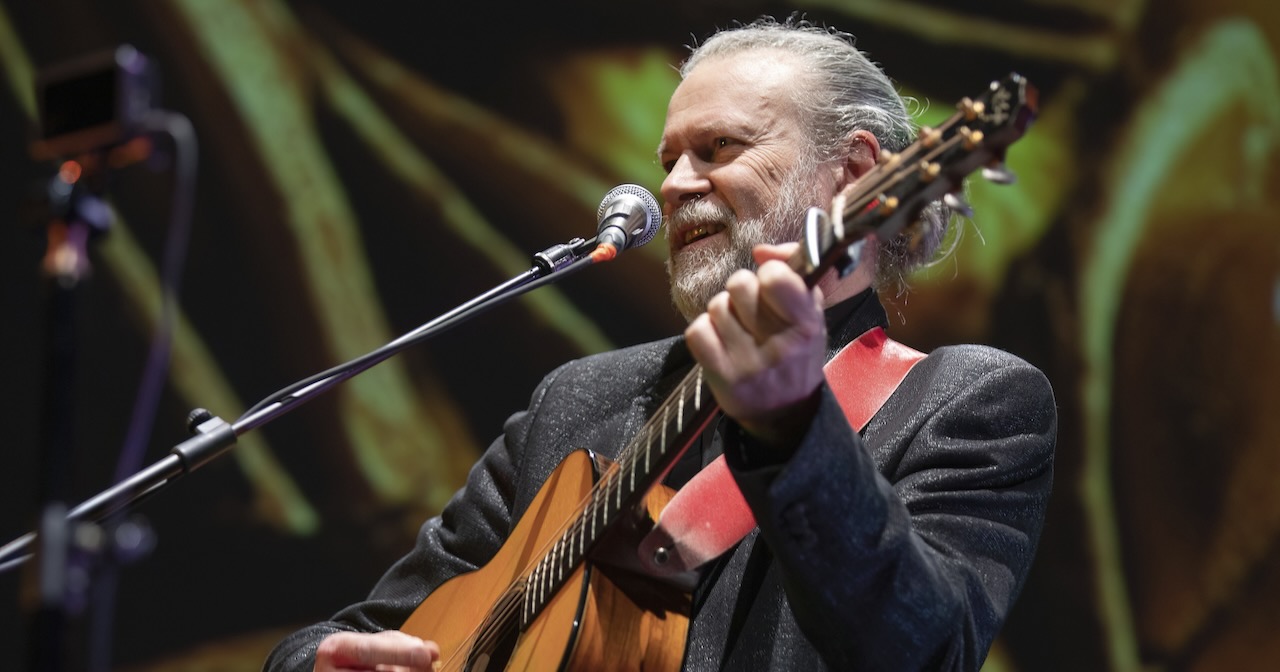
Led by the “Bluegrass Buddha” himself, Peter Rowan, the legendary singer-songwriter and founding member of the group will be backed by the Sam Grisman Project. The gathering will also feature a murderers’ row of talent: Sam Bush, Tim O’Brien, Lindsay Lou, Ronnie & Rob McCoury, and more.

“In bluegrass, you just do the beautiful grace of presenting the music, being good neighbors and all that stuff,” Rowan told BGS in an exclusive 2022 interview. “But you could hear us in the band going, ‘go, man, go.’ Go for it, that’s where we came from. That’s what Old & In the Way was – the ‘go for it’ signal to everybody.”
To preface, Old & In the Way started as impromptu pickin’-n-grinnin’ sessions in the early 1970s between Rowan, his longtime friend, mandolin guru David Grisman, and Jerry Garcia, iconic guitarist for the Grateful Dead, who reached for his trusty banjo during the gatherings at Garcia’s home in Stinson Beach, California.

“We started picking every night after supper [at Jerry’s],” Rowan remembers. “We went through old song books and learned a bunch of material.”

At the time, Garcia was searching for new avenues of creative exploration, seeing as the Dead were in the midst of taking a much-needed hiatus after years of relentless touring and recording. He was also, perhaps subconsciously, trying to tap back into his roots before the Dead, this landscape of the late 1950s/early 1960s where Garcia was heavily involved in the San Francisco Bay Area folk scene.

“And you realized that Jerry was an intergalactic traveler, just dropping in on the Earth scene for a little while, but he was totally at home,” Rowan says of Garcia’s restless penchant and lifelong thirst for acoustic music.

When Old & In the Way formed in 1973, the trio recruited bassist John Kahn, as well as a revolving cast of fiddlers (Richard Greene, John Hartford, Vassar Clements). Sporadic gigs were booked around the Bay Area, with the vibe of the whole affair casual in nature – the ethos one of camaraderie and collaboration, but without expectations or boundaries.

“I remember singing the ending of ‘Land of the Navajo’ at the first rehearsal and I looked over at Jerry,” Rowan recalls. “He kept nodding his head like, ‘go.’ It was like Jack Kerouac at Allen Ginsberg’s poetry reading at City Lights Bookstore – ‘go, man, go.’ Encouragement, encouragement.”

By 1974, Old & In the Way simply vanished into the cosmic ether, but not before capturing a handful of live performances that have become melodic sacred texts of a crucial crossroads for acoustic music. To note, Old & In the Way’s 1975 self-titled debut album went on to become the bestselling bluegrass album of all-time – until it was dethroned by the O Brother, Where Art Thou? soundtrack released in 2000.

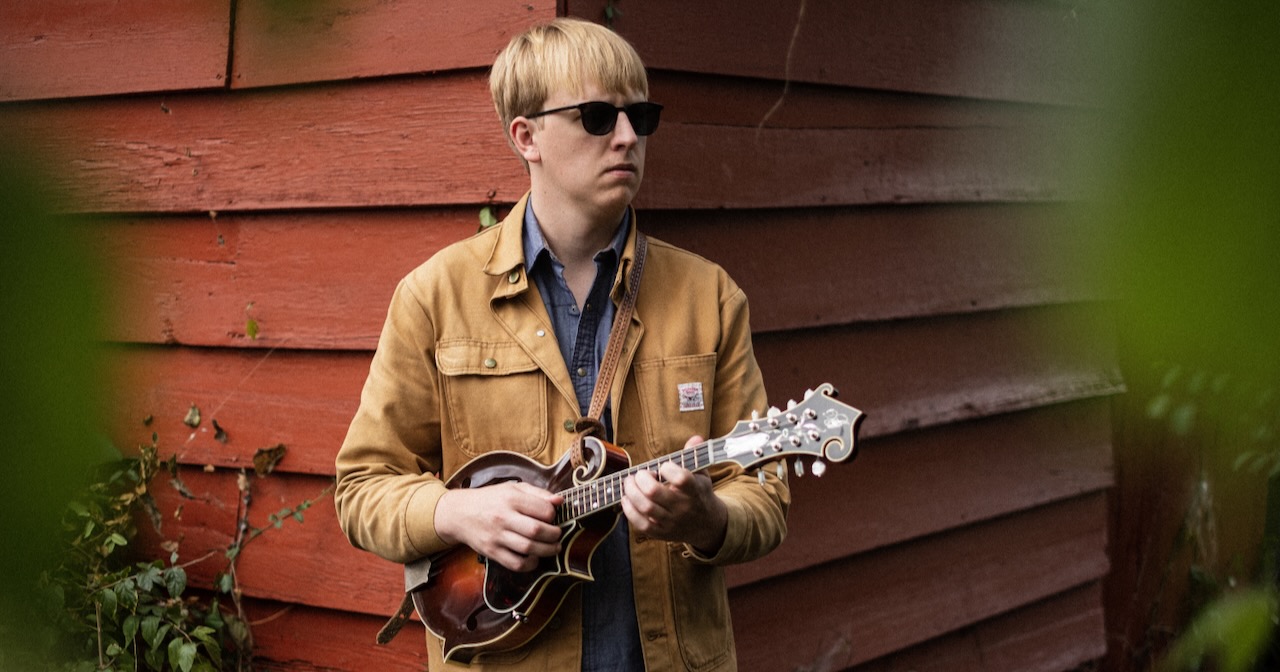
As it stands today, Rowan, now 82 years old, is the only remaining member of Old & In the Way still actively performing. Garcia, Clements, Kahn, and Hartford have all sadly passed on, with the elder Grisman and Greene retired from touring. Grisman’s son, standup bassist Sam Grisman, is now carrying his father’s bright torch.

And although the tenure of the Old & In the Way was short-lived, the ripple effects of the band’s ongoing influence and enduring legacy remains as vibrant and vital as it was those many years ago, when a handful of shaggy music freaks kicked off a jam that will perpetuate for eternity.

In preparation for the upcoming Old & In the Way showcase at the Ryman on January 9, BGS recently spoke with Sam Grisman, who talked at-length not only about his continued work with Peter Rowan and the intricacies of Jerry Garcia, but also why a band Grisman’s father started over a half-century ago still captivates the hearts and minds of music lovers the world over.

You were five years old when Jerry Garcia passed away. You were really young, but do you remember anything that you hold onto?

Sam Grisman: Yeah, I have a very vivid memory of what our house felt like, smelled like, and just what the energy was like when Jerry was around. And I remember that sort of ease, just the way that he made people feel. It seemed like my parents were at ease when he was around.

And he probably felt at ease being around them. It was probably a safe haven at that house.

Definitely. And, you know, my parents smoked weed in the house. But, my mom was pretty strict about cigarettes. [She] wouldn’t let anybody smoke cigarettes in the house. But, when Jerry was around, he smoked cigarettes in the house. So, part of this smell in my blurry five-year-old memory is the smell of cigarettes. And Jerry would sometimes wear a leather jacket, maybe the smell of leather.

I remember the sound of his laugh. I remember all that music, and some of it I remember so vividly that I just know that part of that memory is reinforced by being there as a little toddler when they were working up [music]. Because they would often work on tunes upstairs in the living room and then take them down to the studio, put them on the mics and pull them.

You just wanted to be around it all and soak it all in.

I was a really curious kid.

With the Ryman show coming up, there’s been a lot of celebration of Old & In the Way as of late, especially with you touring with Peter Rowan and the current Jerry Garcia exhibit at the Bluegrass Hall of Fame & Museum. You’ve been around those songs your whole life. But, when you think about the context of Old & In the Way, and what you’re doing at the Ryman, what really sticks out with why that was such a special time in not only bluegrass, but in the lives of those people?

I mean, what a lightning-in-the-bottle chapter of all those people’s lives, you know? I think 1973, ’73/’74, was a particularly fertile time for Jerry. He was playing a full schedule with the Dead. He had Jerry Garcia Band stuff. He was playing in Old & In the Way. He was playing pedal steel with the New Riders of the Purple Sage. It seemed like he really had an itch to go back to where his roots were, especially when you look at [the Grateful Dead album] Workingman’s Dead [that was released a] couple years prior.

For all of us, who are looking back on it 50 years in the future, it seems like this momentous, heady time that was just meant to be. But, for those guys in the moment, it was just total serendipity. And the quintessence of just going with the flow – Stinson Beach, California, vibes. They just kind of stumbled into this reality.

“Y’all wanna play?” “Sure, why not.”

Yeah, where it would just be really fun to have this bluegrass band that they didn’t take super seriously, which I think really comes across in the recordings, you know? Because there’s all this joy in that music that might not necessarily have been there if those guys were taking it super seriously or if they needed it to pay their bills. It was a very interesting circumstance.

And for them to call their hero Vassar Clements into the mix, on a sort of whim because Peter found his number on a card in his wallet. It was sort of like a fantasy camp for these guys. Like a bunch of hippies sitting around on the beach, smoking a joint, thinking: “Wouldn’t it be great if we had the world’s greatest fiddle player just show up?” “I bet you we could book a gig.” “Hey Jerry, you got these legions of people following you around, you could probably get us a gig, right?”

And that’s kind of how it happened. Those gigs were so magical, because they happened mostly for all of these Deadheads in Marin [County, California], for like 16 months or something.

So, if you really had your finger on the pulse of it and you were going to the Keystone [music club in Berkeley, California], to see [the Jerry Garcia Band] and you loved what the Dead were doing, you knew that they were going to take this time off, but you just saw Jerry the week before and he never took his guitar off. He just finished the [Jerry Garcia Band] set and walked backstage with his guitar on and was smoking a cigarette, and then you saw him 30 minutes later talking to somebody off the side of stage, still had his guitar on — you’re thinking, “Gee, this guy’s not going to stop playing music this year, so I better keep my eyes peeled for what’s next.” And they played all these little gigs mostly around the Bay Area — they kind of captured some lightning in a bottle.

With playing these Old & In the Way melodies not only throughout your life, but also extensively nowadays with Peter Rowan, what’s been your biggest takeaway on what makes those songs and the ethos/history behind them so special to you? What about in terms of musicality, technique, and approach?

It’s hard to articulate how special it is to be exploring these beloved songs that mean so much to so many folks, myself included, with Peter and a cast of some of my best friends and favorite musicians. It’s a catalog that’s got a lot of depth.

Old & In the Way would play anything from songs by bluegrass heroes like Bill Monroe, The Stanley Brothers, Reno & Smiley, and Jim & Jesse to Vassar [Clements], Jerry [Garcia], and my pop’s instrumentals, to the tunes that Peter was writing at the time, which are some of my absolute favorite songs ever written.

Songs like “Midnight Moonlight,” “High Lonesome Sound,” and “Panama Red.” Playing these tunes with Uncle Peter makes me feel connected to the times he spent with David and Jerry in Stinson Beach in the early ’70s.

I grew up in Mill Valley and loved going to Stinson Beach with my friends, so I have a pretty vivid image in my mind’s eye. They played tunes, hung out, relaxed, took in the sea breeze, smoked a bunch of great weed, and developed a highly individuated “West Coast” approach to playing and singing this bluegrass music that they all loved and respected so much.

And then, they called one of my bass heroes, John Kahn, and their fiddle hero, the inimitable Vassar Clements and gave the world about one glorious year – I think around 50 shows – of a rare and lovable breed of bluegrass.

So much of everyone’s personality comes through in the music, and you can hear their camaraderie in the recordings. I guess my biggest take away from getting to play this music with Peter is how important it is to bring your own approach to these timeless songs that we love, while still honoring what it is that makes us love them in the first place.

You’ve known Peter Rowan since you were born. But, what has this latest endeavor together meant to you, to play the Old & In the Way catalog to not only lifelong fans, but also a whole new generation of acoustic music fans and bluegrass freaks?

It means the world to me to get to spend some time out on the road sharing space and time in service of this music with Uncle Peter. Getting to meet all of these folks who care so much about this music and feeling their appreciation and gratitude for Pete has been truly special.

There are so many people from so many different ages and different walks of life for whom this music has been the soundtrack to many fond memories, and I’m honored to be one of them. It’s also been a joy to see fresh faces in the audience and some folks taking in this music with a new perspective.

In your honest opinion, what is the legacy of Old & In the Way when you place it through the prism of the history of bluegrass and the road to the here and now, especially this current juncture where the torchbearers are selling out arenas and creating this high-water mark for acoustic, traditional and bluegrass music?

For many folks who know and love the music of Jerry Garcia and the Grateful Dead, Old & In the Way has been their first exposure to bluegrass. So many people over the years have told me how listening to Old & In the Way led them to further explore bluegrass music and its roots and branches. And others have told me how it inspired them to become pickers and start bands of their own.

I think Old & In the Way has been pivotal in bringing a wider audience with a more adventurous musical palette into the bluegrass universe. The legacy of Old & In the Way is one of exploration and preservation, and they certainly paved the way for many of us to walk a similar path — honoring the music that we love, while exploring its boundaries and finding our own voices and approaches.

It’s wonderful to see my friend Billy Strings out there playing for so many folks on such a big scale simply being himself, playing his own songs with a great group of friends, and also honoring the material that made him the musician that he is — maybe that’s a part of the legacy of Old & In the Way.


Photo Credit: Elliot Siff
Poster Credit: Taylor Rushing

13 Roots Music Book Recommendations From 2024

2024 served up a treasure trove of great music books – too many to encapsulate in a concise way. However, it’s still worth a try! So, here is a look at some notable books (in no particular order) that should hold an appeal to the BGS community. This baker’s dozen hopefully provides a diverse and interesting sampling of what has been published over the past year.

There are biographies of superstars like Joni Mitchell and Dolly Parton alongside important if underappreciated figures, such as guitarist Jesse Ed Davis and the Blind Boys of Alabama. Look into the lives of bluegrass icons Tony Rice and John Hartford led by those that knew them while Joan Baez, Lucinda Williams, and Alice Randall each released memoirs that told their life stories in fascinating ways.

There are books here, too, that examine sub-genres like the world of busking and the outlaw country movement, as well as scenes from the musical history of Greenwich Village and the story of a little-known but significant music project that was part of FDR’s New Deal.

There’s a little something for everyone, whether for your holiday shopping list, your winter break stack of books “to be read,” to use up those bookstore gift cards, or for your 2025 resolution to sit down and read more.

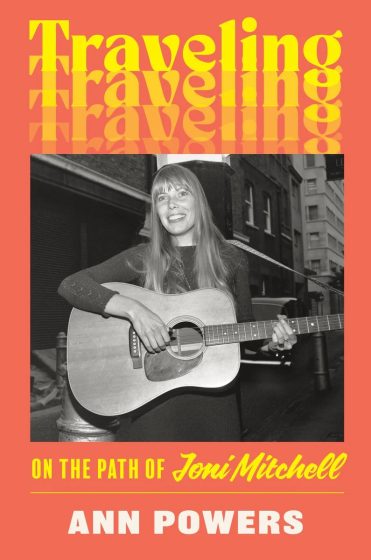
Traveling: On the Path of Joni Mitchell by Ann Powers (Dey Street Books/HarperCollins)

2024 was a big year for Joni Mitchell, with her captivating appearance at the GRAMMY Awards representing another major milestone on her amazing recuperation from her 2015 brain aneurysm. NPR music critic (and occasional BGS contributor) Ann Powers extensively examines the many sides of Joni Mitchell in this stimulating and provocative book. Powers makes it clear from the get-go that she isn’t a biographer and compares her work here to being like a mapmaker. It makes total sense then that Powers entitled the book Traveling. The word not only references Mitchell’s tune “All I Want,” but it also reflects the numerous paths that Mitchell has traveled down during her long, storied career – a journey Powers incisively and insightfully explores over the course of some 400-some pages.

Dolly Parton’s White Limozeen by Steacy Easton (Bloomsbury)

Steacy Easton followed up their Tammy Wynette biography, Why Tammy Matters, by tackling an even larger female country music icon: Dolly Parton. Part of the acclaimed 33 1/3 book series, this compact tome focuses on Parton’s popular 1989 album White Limozeen. Easton views it as a pivotal work for Parton as it represented a triumphant rebound from her roundly disappointing 1987 release, Rainbow. Besides delving into how the Ricky Skaggs-produced White Limozeen found Dolly returning more to her country roots from the more pop-oriented Rainbow, Easton also uses her album as something like a prism to look at Dolly’s wildly successful career and her iconic persona.

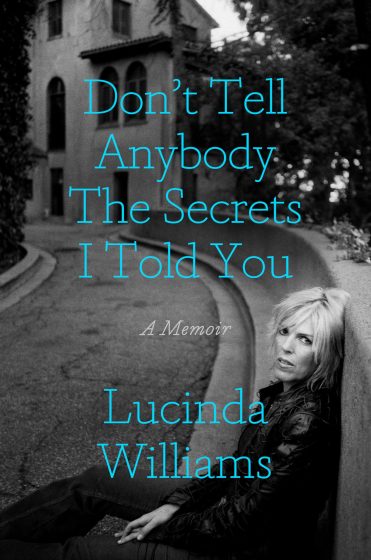
Don’t Tell Anybody the Secrets I Told You: A Memoir by Lucinda Williams (Crown)

Fans of Lucinda Williams’ songs may think they know her through her lyrics, which are often drawn from Lu’s own experiences. Williams’ memoir, however, reveals more about her extraordinary life than even her deeply felt lyrics have expressed. The book is especially strong in covering her quite turbulent childhood involving her father Miller Williams (a poet/professor long in search of tenure) and her mother, Lucille, who suffered from manic depression. Fittingly, Williams prefaces her book by listing the many places where she lived (a dozen before she was 18) which reflects her rootless childhood and set her up for a home in the Americana music pantheon. While the title suggests a racy tell-all, the book feels more like having the great pleasure of listening to Lucinda intimately tell stories from her life – what more could you ask for?

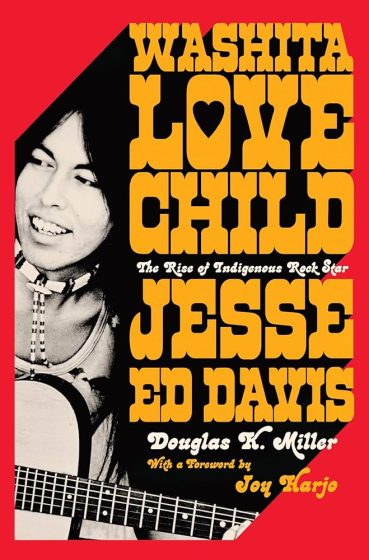
Washita Love Child: The Rise of Indigenous Rock Star Jesse Ed Davis by Douglas K. Miller (Liveright)

Jesse Ed Davis is a name that probably is not familiar to most music fans. Lovers of ’70s rock might recognize his name as a guitarist who worked with the likes of Taj Mahal, Eric Clapton, Neil Diamond, Ringo Starr, John Lennon, and George Harrison (Davis performed at the fabled Concert For Bangladesh). Those who know him from those gigs, however, might not even know that Davis was a rare Native American in the rock ‘n’ roll world. He only really made his Indigenous heritage prominent when he teamed with Native American poet/activist John Trudell during the ’80s in the Graffiti Band. Sadly, Davis’ career was derailed due to alcohol and drug abuse, which also led to his death in 1988 at the age of 48. In this vividly told biography, Douglas K. Miller, a professor of Native American History at Oklahoma State University, turns a spotlight on this ground-breaking and underappreciated musician.

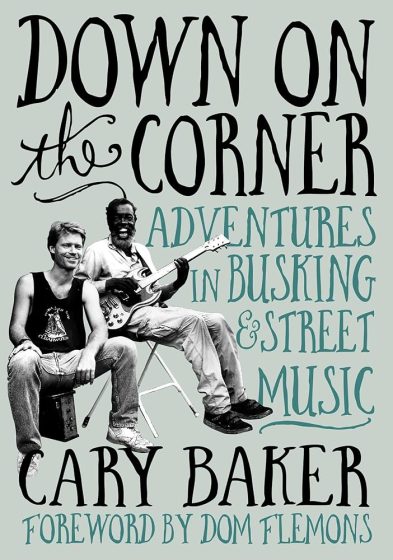
Down On The Corner: Adventures in Busking & Street Music by Cary Baker (Jawbone Press)

For his debut book, longtime publicist and journalist Cary Baker turned to a lifelong music interest of his: street musicians. Early on in this book, he relates the transformative moment when, as a teenager, he was taken by his father to Chicago’s famous Maxwell Street where he saw bluesman Blind Arvella Gray perform on the street. This experience not only led to his first journalism work, but it also launched a love for street music. His enlightening book, which is broadly divided geographically, profiles buskers from across America and Europe. Down On The Corner is populated with colorful characters like Bongo Joe, Tubby Skinny, and Wild Man Fischer along with well-known musicians, such as the Old Crow Medicine Show, Rambling Jack Elliott, Billy Bragg, Fantastic Negrito, and Peter Case, who share tales about playing on the streets.

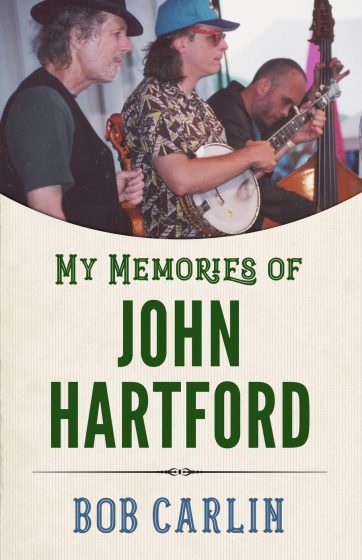
My Memories of John Hartford by Bob Carlin (University Press of Mississippi)

My own memories of John Hartford are of him playing on Glen Campbell’s TV show. He seemed so cool and laidback – and he could play banjo with lightning-fast virtuosity. Happily, Bob Carlin has more interesting memories about the legendary musician, and he comes to this book from a pretty unique perspective. Carlin first met Hartford when he interviewed him in the mid-1980s for the radio program Fresh Air. Carlin (himself an award-winning banjoist) later performed with Hartford and even became his de facto road manager. In his book, he deftly balances his background as a journalist and position as a longtime friend in telling the story of Hartford, who was a true crossover star bluegrass musician of his time.

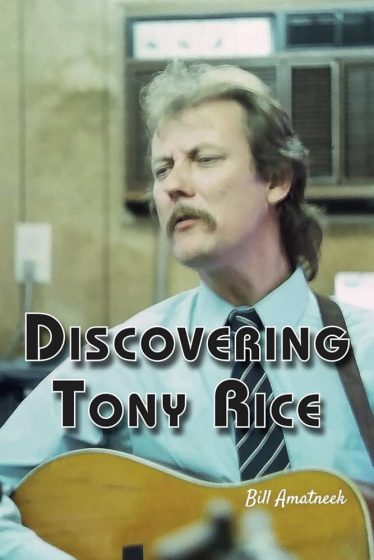
Discovering Tony Rice by Bill Amatneek (Vineyards Press)

Like Bob Carlin with John Hartford, Bill Amatneek has a privileged perspective when it comes to writing about his subject, the late, great Tony Rice. Amatneek, a musician as well as writer, spent several years playing with Rice in the David Grisman Quintet. Rice was one of the best-ever flatpicking guitarists (and a terrific vocalist) whose career was undercut by illnesses and his own personal demons. Amatneek constructed his book as an oral biography, built around stories told to him by fellow musicians who knew Tony, like Sam Bush, Béla Fleck, Peter Rowan, and Jerry Douglas along with Rice family members, allowing readers to discover the bright and dark sides of this bluegrass master.

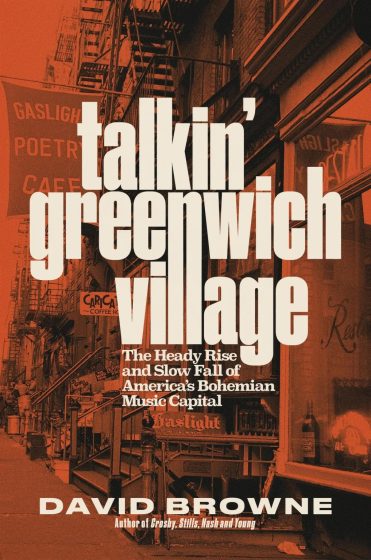
Talkin’ Greenwich Village: The Heady Rise and Slow Fall of America’s Bohemian Music Capital by David Browne (Hachette Books)

As its title plainly states, Talkin’ Greenwich Village discusses the renowned area of New York City that has been a center for bohemian arts culture for decades. The book can be described as a “biography” of both the people (Dave Van Ronk plays a prominent role throughout this story) and the places (particularly the clubs, such as the Bottom Line, Kenny’s Castaways, Gerde’s Folk City, and the Bitter End) that populated the Village’s music scene from 1957-2004. (Browne here basically concentrates on the West Village.) The author of books on the Grateful Dead, CSN&Y, and Sonic Youth, Browne does a masterful job at bringing this neighborhood to life during its many eras. The Village holds a special place in Browne’s heart; he discovered the neighborhood as an undergrad at NYU just as the new folk scene of the early ’80s was brewing. His passion shines through in his storytelling.

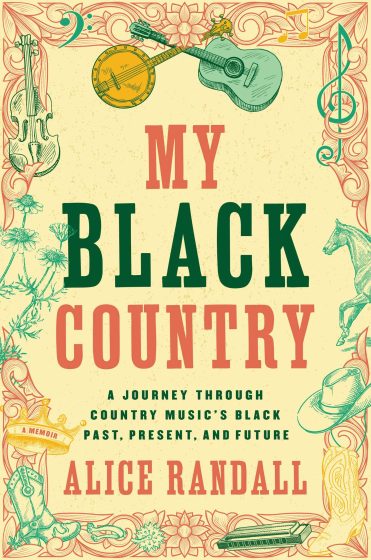
My Black Country: A Journey Through Country Music’s Black Past, Present, and Future By Alice Randall (Simon & Schuster)

You may have already heard about Alice Randall and her book right here, on BGS and Good Country. My Black Country has received great acclaim (NPR listed the book among its “Books We Love” for 2024) and justifiably so. An author, professor, and songwriter, Randall tapped all her talents in creating this inspiring work that addresses her life story and investigates the history of Black country music, which she traces back nearly a hundred years to when DeFord Bailey performed on Nashville’s WSM radio station. It should be noted, too, that this isn’t just a Nashville-centered book; it explores Black country music made all across America. Besides enjoying Randall’s literary creation, you can also enjoy her songwriting craft too; Oh Boy Records released an eponymous compilation of Randall-penned tunes interpreted by such artists as Rhiannon Giddens, Allison Russell, Valerie June, and Leyla McCalla. (Of which, Giddens’ performance of “The Ballad of Sally Anne” is nominated for a GRAMMY for Best American Roots Performance.)

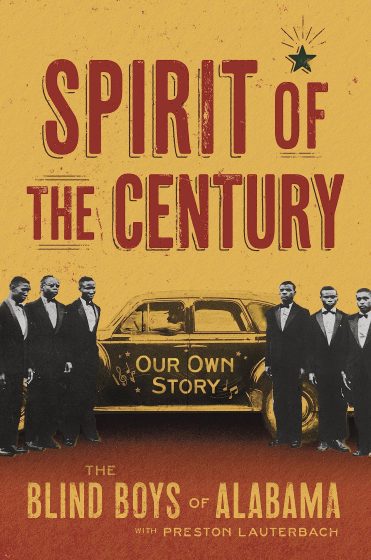
Spirit of the Century: Our Own Story by The Blind Boys of Alabama & Preston Lauterbach (Hachette Books)

The Blind Boys of Alabama are a remarkable story. Remarkable in the sense that the vocal group came into existence around 1940 at the Alabama Institute for the Negro Deaf and Blind and made their way out into the world through the gospel music circuit. And it is remarkable, too, that the Blind Boys of Alabama not only remain a group today (they describe themselves as the “longest running group in American music”), but they have earned five GRAMMYs (and a Lifetime Achievement Award) as well as an NEA National Heritage Fellowship. Preston Lauterbach (author of books like Beale Street Dynasty and The Chitlin’ Circuit) has done an eloquent job weaving together stories from band members and other musical colleagues, and turning them into this absorbing biography.

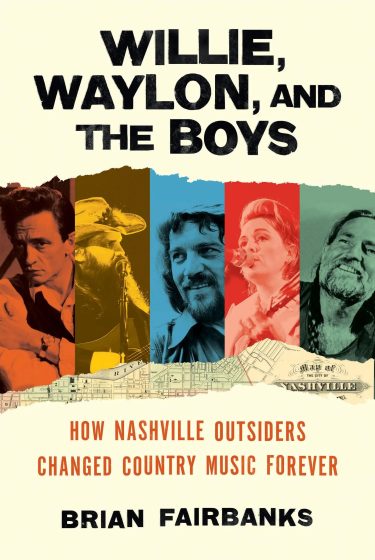
Willie, Waylon and the Boys: the Ultimate Outlaw Country Primer by Brian Fairbanks (Hachette Books)

This book is something of a biographical combo platter. The first nine chapters concentrate on the “Mount Rushmore” of outlaw country: Willie, Waylon, Johnny, and Kris. Those 240 pages are packed with colorful tales of the foursome, whether on their own or together as the Highwaymen. At that point, the book pivots and explores outlaw country’s legacy in the form of the alternative country scene that was burgeoning during the ’90s, as the Highwaymen were ending their run (their third, final, and least successful album came out in 1995). Fans of alt-country and “new outlaw” artists might wish for a deeper dive into this scene. The chapter on “The New Highwaymen” (built upon the idea of guys like Chris Stapleton, Jason Isbell, Ryan Bingham, and Sturgill Simpson as a new outlaw quartet) feels a bit too speculative. Fairbanks, however, is on stronger footing with his “Highwaywomen” chapter, which looks at the actual supergroup collaboration of the Highwomen, featuring Brandi Carlile, Natalie Hemby, Maren Morris, and Amanda Shires that, among other things, countered the male dominance of the original outlaw movement.

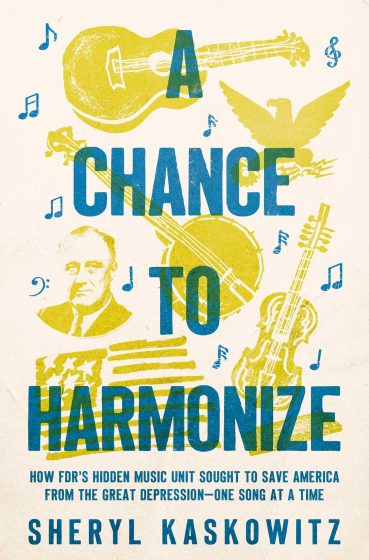
A Chance to Harmonize: How FDR’s Hidden Music Unit Sought to Save America from the Great Depression—One Song at a Time By Sheryl Kaskowitz (Pegasus)

This is a book for history buffs who love music – and vice versa. Author Sheryl Kaskowitz (who previously wrote a book on the history of the song “God Bless America”) has dug up the story on a little-known music unit that was part of the New Deal. This U.S. government program led by Charles Seeger (yes, the father of Pete) sent out musician/agents (noted American ethnomusicologist Sidney Robertson was one prime participant) to gather up folk songs around the country. The goal was to use these songs to build community spirit at homestead communities launched by federal government under the auspices of the Resettlement Administration. The projects were considered radical and controversial back then and, consequently, were very short-lived. Fortunately, however, more than 800 songs were recorded and have been stored away in the Library of Congress.

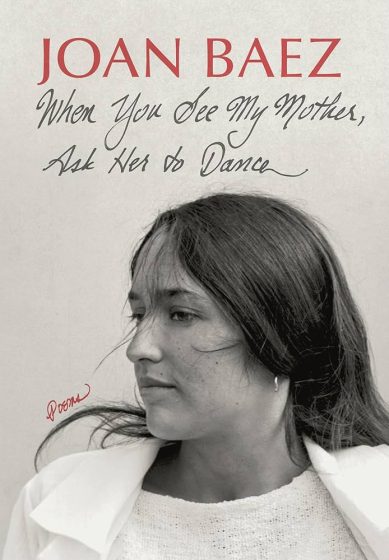
When You See My Mother, Ask Her to Dance by Joan Baez (David R. Godine)

Joan Baez spent over 60 years making music and touring. While she has basically retired from music, Baez hasn’t put an end to expressing her creativity. In 2023, she released a book of drawings and in 2024, she published this book of poetry. There are at least a couple of notable aspects to this poetry project. Baez has long been known more for being an interpreter of songs rather than a songwriter, so it is intriguing to see more of her writer side expressed in this collection. Also, she has struggled with dissociative identity disorder (AKA multiple personality disorder, a topic addressed in the powerful documentary Joan Baez: I Am A Noise). Baez candidly states in the Author’s Notes that some of the poems are “are heavily influenced by, or in effect written by, some of the inner authors,” adding intriguing layers to her creative process – which she displays through the pieces collected in this book.


MIXTAPE: Thomas Cassell’s Songs to Pass the Time

2024 is winding down and like any other year, there’s a lot to say goodbye to as we welcome in the future. Memories (the good and bad), loved ones, homes – all seem to eventually become markers in time.

A marker in my ‘24 was the release of my third record, The Never-Ending Years, in October. The theme of time is common throughout (as the title would suggest), and when BGS asked me to put together a playlist in celebration, I considered the many topical songs that have had an impact on me.

There may be some obvious players left out (sorry, Pink Floyd and Jim Croce) but really, these are simply the songs that have meant the most to me, songs I listen to in eternal recurrence, all having something to do with the fact that time moves on – with or without our blessing. – Thomas Cassell

“Where Did the Morning Go?” – Blue Highway

Blue Highway has had an incredible impact on everything I do. They really set a bar with thoughtful, original material in bluegrass music. This song in particular pulls a heartstring, as the every-quickening pace of life only blurs with time.

“Childish Things” – James McMurtry

There’s an innocence that we lose every day and much of our wonder and curiosity tends to disappear with it. But for me, the contentment of looking back brings calmness and comfort for the future. James McMurtry is on my Mount Rushmore of songwriters and this song (I think) is as good as anything he’s ever written.

“Mama’s Hand” – Lynn Morris (written by Hazel Dickens)

Leaving home is tough, as most anyone knows. Inevitable as it is, it can be hard to say goodbye, no matter the opportunity that awaits. Lynn’s music has brought me a lot of comfort in this life.

“Today” – John Hartford

John Hartford’s songwriting certainly doesn’t need my endorsement, but I think his early records are often overlooked. This song was released in 1967, Hartford’s LA era that gave us “Gentle On My Mind,” “No End of Love,” and so many others. There ain’t nothing but today.

“Last Time on the Road” – Nashville Bluegrass Band (written by Carl Jones)

This song found me at the right time. I was getting burnt out from touring and music in general had become a daily commitment that brought little joy. It was nice to know that others felt the same, but also that they were capable of salvaging the good and moving forward making great music – in the NBB’s case, four more great records.

“Needed” – Robbie Fulks

Robbie Fulks has been a favorite for a long time, partly for his unpredictable performance style – check out Revenge! (Live) – but also for his thoughtful lyricism and vulnerable storytelling. This song highlights the latter, and all the reflection and regret that comes with getting older.

“Blackberry Summer” – Dale Ann Bradley

Is it possible to be nostalgic for a childhood you didn’t have? I think so – at least that’s how I feel when I listen to this song. Dale Ann takes me back to all of my childhood summers, as similar or different as they may be.

“Nail” – Ed Snodderly

Ed is a songwriter’s songwriter, and one of the coolest musicians I know. His group The Brother Boys is an all time favorite, but this song from his 2017 solo record really fits the current theme. The nothin’ here leaves no more.

“Don’t You Know I’m From Here” – Brennen Leigh

Prairie Love Letter is one of those records that I downloaded before a flight and then proceeded to listen to three or four times through before landing (still do sometimes). The writing is incredible front to back, but the opening track really hit me hard. I’m from a very small town and every time I go home, I find I have less of a connection to the place – only a growing longing for one. This song of Brennen’s couldn’t articulate that feeling any better.

“Bed by the Window” – James King (written by Marnie Wilson and Rob Crosby)

The Bluegrass Storyteller. I’m not sure there’s a song that earned James King that title more than this one does. Here’s your reminder to go and visit the elderly in your life, wherever they may be.

“The Randall Knife” – Guy Clark

I couldn’t finish this playlist without including Guy Clark’s magnum opus. There’s a lot I could say about this song, but none of it as well as him.

“Autumn Leaves Don’t Fall” – Thomas Cassell

And if you’ve made it all the way to the end, I’ll reward you with a little bit of self-promotion. Jon Weisberger and I wrote this song after thinking about how the more people we lose, the quicker we seem to lose them. Time is exponential.


Photo Credit: Scott Simontacchi

A True Original, Italian Guitarist Beppe Gambetta is a Bluegrass Innovator

Most listeners would probably attribute the incredibly unique musical approach of guitarist Beppe Gambetta to his country of origin. Being a native of Genoa, Italy, he certainly brings a global and European folk flair to his bluegrass and old-time inflected six-string compositions. But it would be shortsighted to simply credit that truly original voice to mere geography.

Gambetta is an instrumentalist who always works with intention. Developed over a lifetime of playing and cultural cross pollination, his style exists in the fertile ground somewhere between a triangulation of Norman Blake, Doc Watson, and Django Reinhardt. He’s learned from, recorded, collaborated, and performed with so many of “greats” such as these across several generations of American roots music virtuosos. Gambetta is a bluegrasser through and through, but he’s also so much more.

His latest album, Terra Madre (released in April 2024), is a lovely continuation of his lengthy and harlequin catalog of recordings. It’s bilingual, cinematic, and thoughtful, while also impassioned and brash. But he’s never a one-note musician, so the collection is artfully subtle at the same time. Gambetta doesn’t just know this intersection – aggressive and gentle, bold and subdued – it’s as if he lives there. It’s his address.

Perhaps most of all, Gambetta is a perfect representation of how an individual can bring himself into a generational folkway and established aural tradition such as American roots music, while simultaneously preserving his selfhood and his singular point of view. Our email interview, like the new record, is a perfect representation of Gambetta’s melting pot style – and the way he uses the entire earth, terra madre, as his medium.

The title track  of Terra Madre is cinematic and vibey, with a bit of funk and a dash of charming silliness. I love that it starts with the sound of footsteps, grounding the listener on terra madre herself. Can you talk a bit about the song, its title, and how being embodied on earth, on this rock hurtling through space, inspires your music and songwriting?

The song “Terra Madre” is the most dramatic of the album: the footsteps are from a couple of escaping refugees, the song is about their dreams. They meet with friends and jump the border wall in the dark of the night with fear, pain and hope. We don’t know the exact story, the place where it happens is also unknown in order to represent a ubiquitous pain that can be found all over the world.

It was hard to express these extremely dramatic sentiments only with acoustic instruments, but the use of the flatpicking style with strong bass lines and heavy strums turned out to be a good tool. I used a regular guitar but also a low bouzouki guitar and few slide guitars “prepared” with special strings and tunings. As you noticed, I added the sound of the escaping steps in order to ground the listener to the earth and with drummer Joe Bonadio we decided not to use the snare drum in order to create a more “suspended” atmosphere only with toms and cymbals.

How much of the earth’s current worries are in this album? How much did the planet’s current state of being inform the song itself?

The album’s general concept is related to the cry of pain that rises from our Earth and to the right of musicians to dream about a better world in moments of darkness. In the different songs there are dreams for a better life, for peace, repentance, friendship through music, adventure, forgiveness, survival of minority cultures, redemption, dreams to win, rage, envy, hate, and more.

In a period where leaders and politicians in charge are not able to resolve conflicts and crises there is a need for every other category to give a positive contribution. Probably scientists, philosophers, historians, theologists will give important contributions, but also artists can do their part.

I’m sure that even in modern times there is still a strong power that comes from folk songs and I decided to write my songs in different languages. For different reasons the album is totally self-produced and if you self-produce you need to put more love, passion, time, and money using all your resources.

“Sit and Pick with You” is certainly the stand out track on the album. Can you talk a bit about that song, its meaning, and how important the community aspect of this music is? Because, truly none of us would exist as pickers in bluegrass and string band music without folks – whether friends or peers or heroes or legends – to sit and pick with.

The inspiration for the song came to me during a California tour. I wrote it in order to celebrate some musical encounters with legendary fathers of the music – David Grisman, Dan Crary, Peter Rowan – dear friends who, at the end of their careers, continue to hold high the torch of beauty. I wrote the song with the sounds of the 1930s in mind, with a guitar riff inspired by “The Wildwood Flower” or “Jimmy Brown the Newsboy,” because I believe it is a timeless sound that can still speak to people’s hearts and move them.

I decided to sing the song as a duo, like an old brother duet. I first asked Norman Blake by sending him a handwritten letter in pencil, as we used to do in our correspondence in the 1980s. The reply was really kind, also handwritten by Nancy and signed by Norman, who thanked me for the thought and encouraged me in the project, but at that time Norman felt that his voice was not at the right level to appear on an album.

Luckily, my friend Tim O’Brien was available to sing it and did it with a perfect vintage-style rendition. Then David Grisman added his unmistakable signature [sound] on mandolin. Dan Crary played guitar in harmony, taking advantage of the depth of his “long neck” guitar tuned down a tone. The final touch to the quartet’s sound came from bassist Travis Book.

The positive meaning of the song is felt by many fans who identify with the sentiments it expresses: The joy of getting together and the friendship that comes from the beauty of music. Many began to incorporate it into their jam sessions with friends, as it happened at the Walnut Valley Festival campground in Winfield, Kansas, a gathering place for music lovers par excellence. I received many requests for the guitar part and finally now I distribute the tablature at all my concerts. For sure, this is the standout track of the album and it got a very special recognition and attention. It was number one in the Folk DJ chart in June and July and still now it is present in the top positions.

Your approach to the guitar – and really, to music and composition and picking in general – is totally unique. You have a voice all your own on the instrument. I think a lot of listeners on this side of the Atlantic would attribute that to your being Italian, but I think that’s a bit shortsighted and simplistic. How have you cultivated your particular style and how do you keep your music and creativity fresh and innovative, to yourself and to your listeners?

I wanted to develop my own particular voice, starting from the style of the American fathers and filtering in the influences gained during my tireless journey on the road that has given me particularly formative encounters, not only in Italy but in the whole world. It took time and attention, choosing and adding to my style drops of beauty from different sources, trying to limit the obvious “Tony Rice mania” and using ideas also from Dan, Norman, Clarence and much more.

For sure, all my studies about old Italian music and generally my natural Italian aesthetic sense and passion for melody has influenced my style. The work that I did in researching and studying the “Italian string virtuosi” and performing the albums Serenata and Traversata (produced with David Grisman) left an important mark in my playing.

Studies and stylistic research in flatpicking can go in different and almost opposite directions. On the one hand, the virtuosity of breathtaking phrasing combined with speed and improvisation – the shiver in your spine that you start to feel when you listen for the first time to “Black Mountain Rag.” On the other hand, the search for expressive techniques and melodies that touch the listener’s soul – the passion and tenderness of “Church Street Blues” in Tony Rice’s version is the perfect eye-opener to the expressive potential of flatpicking beyond mere circus performance.

This second aspect, probably underestimated in the current scene, is the one that fascinated me the most. I worked a lot to learn to play slow (using tremolos, partial strummings, crosspicking, and “separate crosspicking” on two, four, five, six strings, string jumps, crosspicking to obtain grace notes, etc.).

Rhythmic tension and speed, however, continue to fascinate me; it was fun to develop the licks of my tune “Chipmunk,” an instrumental that describes the run of New Jersey’s fastest pet on the front porch of our Stockton home, using down-down-up on two strings at 162 beats.

The secret of the freshness of my style stays in continuing to be excited by both creating something new and playing something old, and in sharing this happiness every day with my wife Federica! Often before taking the stage I revive the memory of those who helped me and believed in my art (Mama Gambetta first of all) and this gives me a strong power. Even if I am close to my seventieth birthday I continue to be ready and happy to do my job.

I also think your shows are so stunning and one-of-a-kind, too. You do so much with just a guitar, your voice, and your stories. How do you keep your show engaging and interesting, when you have so few variables or so few inputs? Do you find such a stark set up to be limiting or empowering or…

Standing in front of an audience with one guitar, a voice, and a pick is certainly a big challenge. That is why I have been working over the years to create a show that I can take to audiences around the world and to distant places. I try to speak to people’s hearts and maintain my authenticity, deciding to minimize the use of excessive volume, technology, and sound effects, avoiding wiggles and winks, and simply presenting myself as I am, as if I were playing acoustically in a living room.

An artist who influenced me in this direction was John Hartford, for whom I opened a concert in Ohio many years ago and I was inspired by his charisma in communicating alone with the audience. Over the years I have studied singing, learned how to narrate and create special atmospheres with the use of open tunings and different languages, and also to joke with the audience with “Old World” irony. Not to mention “Gino,” the name I gave to my pedal loop, which I always use sparingly and treat as an old cousin who travels with me and accompanies me with his guitar.

In music, limitations are often a source of creativity; Django Reinhardt invented amazing phrases using only two fingers of the left hand, blues harmonica players got missing notes by inventing bending, and so on. In flatpicking, the strong limitation is the inability to play two distant strings at the same time as you would do easily with fingers. The effort to overcome this limitation has always forced me to invent creative solutions.

Can you tell us the story or stories behind “Saint James Hospital”?

In 2023, on the centenary of Doc Watson’s birth, in addition to visiting his grave and playing a tune for him, I decided to rearrange some of the master’s songs so that I could celebrate him on many occasions, because Doc was my most important influence and changed my artistic life.

Doc was a giant because he invented a fresh repertoire for the acoustic guitar and developed a unique and engaging way of building a show. Among the various songs of his repertoire, “Saint James Hospital” represents his extraordinary ability to discover and rearrange true gems of beauty. “Saint James Hospital” comes from ethnomusicologist Alan Lomax’s earliest field recordings, when he was first allowed to record the prisoners in a Huntsville, Texas, jail in 1933. Among the various prisoners was James Baker, known as “Iron Head,” and from this seemingly dangerous character came a song with a refined and touching melody that spoke of repentance, redemption, and a dream of a better end of life.

For me it was a challenge to create a new arrangement after Doc Watson’s and Tony Rice’s masterpieces. I decided to invent a new interlude using many guitars in different tunings and I completed the arrangement on the high register with the arpeggio of a Cuban tres. The result was well-rewarded because also “Saint James Hospital” appeared for many months on the Folk DJ charts.

What’s next for Beppe Gambetta? What should folks be watching out for?

One of the reasons I continue to be active and innovative with so many projects is because I am lucky enough not to have a retirement plan! It’s a joke that tells the truth: The anxiety of having to keep working for a long time feeds my creativity and helps my determination to invent new music, new productions, new events and embark on new journeys.

Future projects fortunately are many, first of all the upcoming tours in America and Europe in support of Terra Madre.

Besides touring, an event I’m very excited about will happen on February 15, 2025 in Mendocino, California. It will be a reunion concert with Dan Crary, who just turned 85. We will celebrate his legacy and more than 30 years of touring as a duo. On May 15-16-17, 2025 there will be the 25th edition of my Acoustic Nights, a thematic concert series with international artists on the stage of the Teatro Nazionale in Genoa, Italy, an event that we conceived with [my wife] Federica and made grow over the years. The edition number 25 promises to be a beautiful big party with a large audience of friends who will come from far away to celebrate.

Also, in Italy, I produced two different plays with actors and script, one related to my autobiographical book, Declarations of Love, and the other related to songs about legendary bandits.

Among the American projects I would like to mention, the trio show about Italian virtuosi of the early 20th century with Mike Guggino and Barrett Smith (members of Steep Canyon Rangers). It is a “side” project that is growing over the years and for the first time we will take it to a festival, Wintergrass, in 2025.

With the Folk Project in Morristown, New Jersey, we started an annual event, the New Jersey Guitar Summit, an educational full-immersion event with a final concert (held in October). And also in New Jersey on January 11 and 12 we will have my “home concerts” with guest Bruce Molsky at the Prallsville Mills in Stockton, New Jersey.

If there were any picker, living or passed, that you could sit and pick with today, who would it be and why?

In this respect I am very fulfilled, because one of the greatest joys of my artistic life is that at different times I was able to play “Salt Creek” with Doc Watson, Norman Blake, Dan Crary, and Tony Rice, four fathers of the music I love.

Of course, if I had the time machine, I would also choose to play “Salt Creek” with another great father of flatpicking, Clarence White, who I never met because he died young in a car accident. Using the same time machine I would certainly travel to Paris to play with Django Reinhardt, then I would move to Argentina to make music with the tanguero Roberto Grela. In Portugal it would be wonderful to meet the Portuguese guitar passion of Carlos Peredes, while in Italy I would certainly love to meet the early 20th century virtuoso Pasquale Taraffo, the inspiration for so much of my research.

The most enjoyable jam session of the last few years was with guitarist Cameron Knowler, a young picker who amazed me by cultivating and carrying forward into modern times the sounds of Riley Puckett and Norman Blake, a sign that among the new generations there is a refined aesthetic sense that goes beyond fashions and gives us hope for the continuation of the forgotten beauties of the past.


Photo Credit: Giovanna Cavallo

Bluegrass Memoirs: The Earl Scruggs Revue Early Recordings

In our last Bluegrass Memoir, “Beginnings,” I described David Hoffman’s documentary, Earl Scruggs with his Family and Friends. By the time NET aired it, the Revue was already off and rolling with Earl’s new music.

In 1970, bluegrass festivals – the first was in 1965 – were becoming quite popular. The music’s supporters had discovered that such events could present their favorite music to broader, younger, urban audiences. These larger crowds brought their tastes and preferences with them. At these booming festivals, new acts like the Earl Scruggs Revue spoke to musical perspectives shaped by contemporary popular music.

The Revue played to large numbers at Monroe’s Bean Blossom Festival that spring and to Carlton Haney’s Camp Springs Festival on Labor Day weekend. Earl’s solo album, Nashville’s Rock, and Randy and Gary’s solo album, All the Way Home, were released that year.

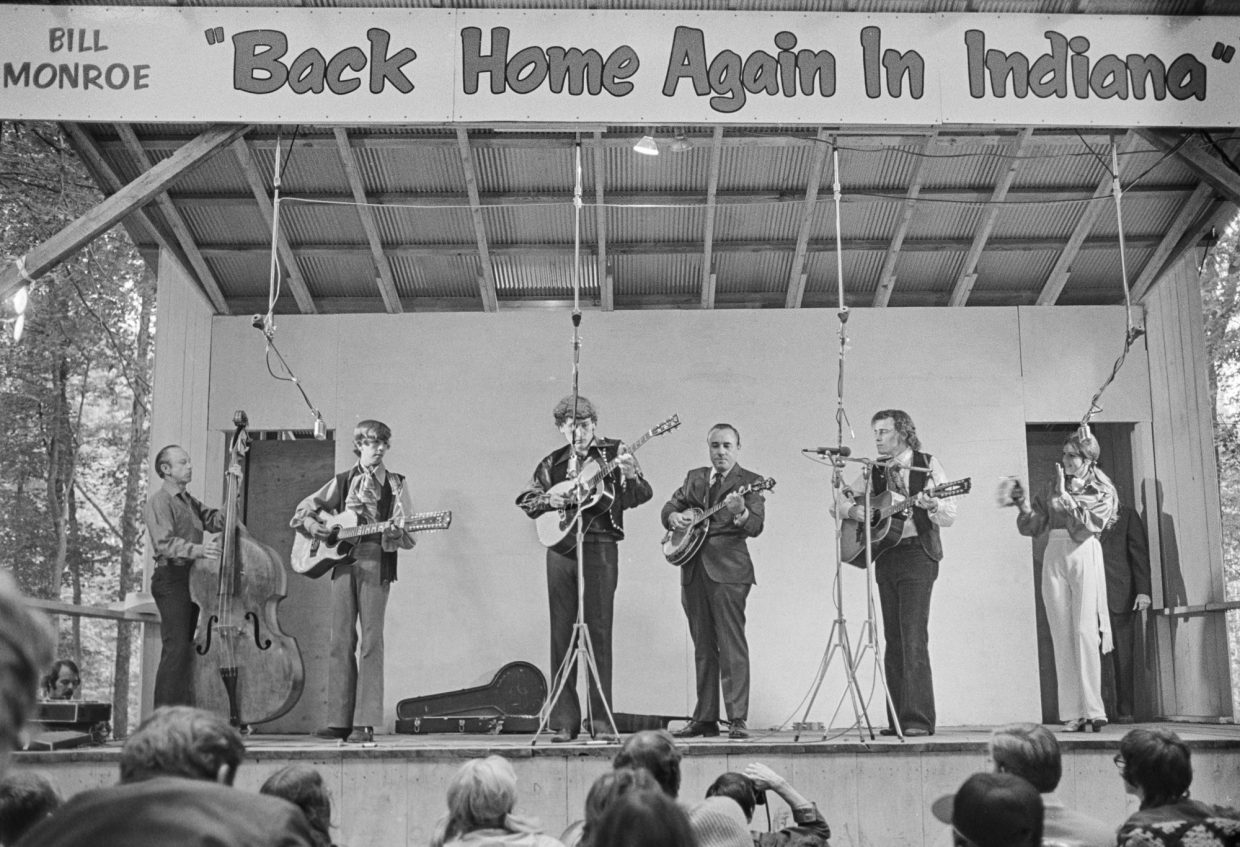
The Earl Scruggs Revue at Bill Monroe’s annual Bean Blossom festival, Bean Blossom, Indiana, June 1970. (L-R) Unidentified bassist, Jody Maphis, Randy Scruggs, Earl Scruggs, Gary Scruggs, and Leah Jane Berinati. Photo by Carl Fleischhauer.

In 1971, Columbia released Earl Scruggs: His Family and Friends (C 30584), a soundtrack album that included much of the content of Hoffman’s documentary along with two additional fine vocals by Doc Watson. In its liner notes, Don DeVito characterized the show’s topic:

Earl Scruggs is a man who has paid his dues. You can forget the generation gap … Earl has always been an innovator and an adventurer…

Also in 1971, newgrass music emerged. Its key figure at that time was singer-songwriter and banjoist John Hartford, whose “Gentle on My Mind” had been a 1967 Glen Campbell hit. John had flourished in the LA television business as a writer for The Smothers Brothers Comedy Hour and a performer on The Glen Campbell Goodtime Hour.

Hartford and Scruggs – they’d met in 1953 – had developed what Bob Carlin, in My Memories of John Hartford (University Press of Mississippi) calls “a deep friendship.” When Hartford returned to Nashville in 1971, he recorded what is now considered the first newgrass album, Aereo-Plain. The Revue’s Randy Scruggs played bass on this ground-breaking disc alongside Tut Taylor, Vassar Clements, and Norman Blake.

The Revue and Hartford were at the center of Nashville’s jam-based music, which embraced musicians from new scenes blending rock and older genres – folk, bluegrass, and country. Both bands appeared at a number of bluegrass festivals in 1971 and the Revue was busy recording in Nashville.

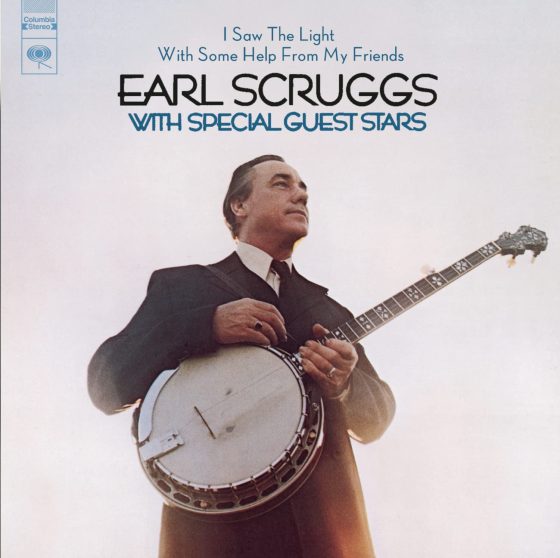
I Saw The Light With Some Help From My Friends (1972)

Earl was working on his next album, I Saw The Light With Some Help From My Friends: Earl Scruggs with Special Guest Stars. The back liners of the album (Columbia KC31354) described it as “Earl Scruggs and The Earl Scruggs Revue in performances with Linda Ronstadt/The Nitty Gritty Dirt Band/Stacey Belson and Arloff Boguslavaki.”

Stacey Belson was a pseudonym for blues singer Tracy Nelson, then with the band Mother Earth. Arloff Boguslavaki was Bob Dylan’s pseudonym.

Bill Williams’ liner notes describe the fabulous jam sessions that were happening at the Scruggs family house – hence the album’s concept:

Picture, if you will, the group sitting around together at the Scruggs home (although the actual locale was shifted to Columbia Studios) …

For this album, the studio became the living room and the producer was Don Law, the Nashville vet who’d worked in the ’30s with blues legend Robert Johnson and western swing pioneer Bob Wills and in the ’50s with Flatt & Scruggs.

At this Scruggs family jam session were Earl and sons along with their Madison High School contemporary, drummer Jody Maphis. Also in the room were fiddler Vassar Clements, in the process of moving from Hartford’s band to join the Revue, and several others who’d later join the Revue, including pianist Bob Wilson, a Detroit R&B musician who’d moved to Nashville and subsequently recorded with Bob Dylan.

Each of the featured star guests are heard in solo, sometimes singing in harmony with each other. Earl plays on every cut. Great to hear his backup work with all its nuances! Randy’s lead guitar and Vassar’s fiddling appear throughout.

It was as if these people had showed up at the Scruggs home one evening to play for and with each other – an old-fashioned domestic music session, with the host going around the room inviting each to perform and providing musical backups for all. The evening’s repertoire was the kind of stuff you might expect at such an event: mostly recent country, folk, blues and rock – things you might have heard on the radio lately in 1971.

The sound was that of contemporary popular music, suggesting that this was what you’d hear if the Earl Scruggs Revue came to your living room, festival, or auditorium.

The album’s first side opens with an LA country soul rock tune, Bonnie and Delaney’s “Lonesome and a Long Way From Home.” Gary is singing lead and playing bass; Nelson adds harmony. This is rocking R&B – Wilson’s piano opens the break and, with fiddle and drums, keeps it rocking to the end. Earl’s banjo is out front throughout.

Next comes Merle Haggard’s “Silver Wings,” sung by Linda Ronstadt with harmony by Nelson. The backup piano and Dobro are joined by a fiddle break. Straight-ahead Nashville country.

Track three features “Boguslavaki” (Dylan) singing Charles E. Baer’s 1896 hit, “It’s a Picture From Life’s Other Side,” a song that had gone into the folk tradition and been frequently recorded by hillbilly and gospel singers in the ’20s and ’30s. The laid-back fiddle, bass, and drums, along with Nelson’s harmony on the chorus, mark this as a parlor folksong.

It’s followed by Nelson’s performance of “Motherless Child Blues,” where accompanying musicians Earl, Norman Blake, Randy, and Vassar stretch out with some nice blues breaks.

This side closes with Mike Nesmith’s “Some of Shelley’s Blues,” performed with members of the Nitty Gritty Dirt Band, with Gary Scruggs and Jeff Hanna doing the singing and Earl and Randy both taking instrumental breaks.

The second side of the album opens with a vocal by Gary on another Bonnie and Delaney cover, “Never Ending Song of Love.” Ronstadt sings a county cover, Cash’s “Ring of Fire.”

Dylan brings out another pre-war country folk oldie, a great “Banks of the Ohio.” While Nelson is featured singing folksinger Bruce “Utah” Phillips’ “Rock Salt and Nails,” a song first recorded by Flatt & Scruggs in 1965, with Ronstadt adding harmony on the chorus.

The Nitty Gritty Dirt Band contributes another Nesmith song, “Propinquity.” The side closes with the album’s title track, a sing-along for everyone, “I Saw the Light.” The album was released in 1972.

Will the Circle Be Unbroken (1972)

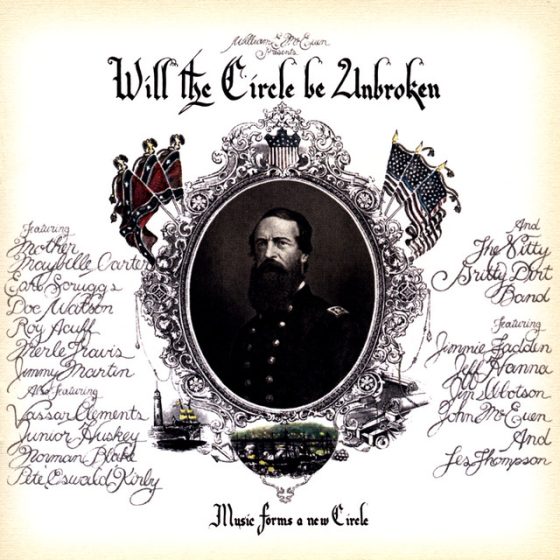
Around the same time as I Saw The Light was made, banjoist John McEuen of the Nitty Gritty Dirt Band asked Earl to be on their new three-LP concept album, Will The Circle Be Unbroken. Scruggs was playing in Denver with the Revue when he and McEuen met. The Dirt Band’s sound, with McEuen’s skilled Scruggs-style banjo, appealed to him, as did their project to honor and make music with the earlier generation’s pioneers. That had been his own goal in bringing Maybelle Carter into the studio to record with Flatt & Scruggs back in 1961.

Earl, well-connected in Nashville as an Opry star with record, television, and movie hits, helped bring a number of his country music friends into the project. Both Gary and Randy were also involved, as were several of Hartford’s Aereo-Plain band members, notably fiddler Vassar Clements and Dobro player Norman Blake.

Unlike Earl’s Nashville’s Rock album, which covered recent rock and pop hits on the banjo with Nashville studio backing including electric instruments and, on several cuts, a soulful female vocal trio and a string section, this album had completely acoustic backup by the Dirt Band as they covered legacy hits by country, bluegrass and folk pioneers like Roy Acuff, Maybelle Carter, Doc Watson, and Jimmy Martin.

Earl played a pivotal role in the making of these recordings, playing guitar or banjo on sixteen tracks. The whole Scruggs family can be heard: Randy contributed guitar, autoharp, or voice on eleven tracks, Gary sang on eight, and Louise and Steve sang on one track.

Of the many interesting performances on this award-winning album, Randy Scruggs’ acoustic guitar version of “Both Sides Now” was perhaps the most remarkable; the final selection in the set, it followed a group sing-along of the title track, similar to the closing on the Earl’s I Saw The Light, in which all of the Scruggses sang. These recordings, released in 1972, were made in August 1971.

The Scruggs Brothers (1972)

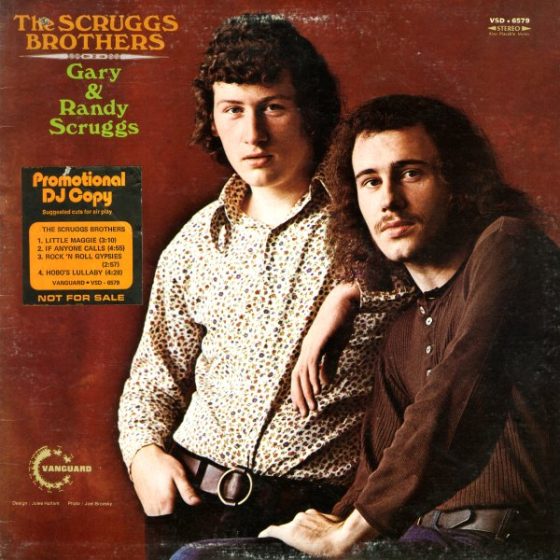
Also recorded in 1971 was Gary and Randy’s second Vanguard album, The Scruggs Brothers (Vanguard VSD 6579). Some of the same musicians who played on I Saw The Light performed here, like Tracy Nelson, the Dirt Band’s Jeff Hanna and John McEuen, pianist Bob Wilson, and drummer Karl Himmel; but the album had more of a country rock sound. It opened with “Little Maggie,” a song Flatt & Scruggs had recorded at Carnegie Hall in 1962. With Gary’s bass and Jody Maphis’ drums leading the way, it sounded something like the Nashville studio A-listers Area Code 615’s 1969 version.

Throughout the album, Randy played a majority of the solo breaks, some on acoustic guitar but most on electric, in a heavy metal style similar to what I heard him playing in Maine in 1975. Four tracks were their own compositions, two by Gary and two collaborations.

On one, the instrumental “Trousdale Ferry Rag,” Earl played banjo. This up-tempo, bluegrass-style piece has an unusual ending, shifting to a slow blues beat. Most notable is Gary’s “Lowlands,” a great ballad set to the tune of Earl’s “Sally Ann,” which both brothers had been hearing at home all of their lives (Flatt & Scruggs recorded it in 1960). Gary plays guitar, Randy picks banjo.

Covers of older (dare we say traditional?) material includes a rocking version of Jimmie Rodgers’ “T for Texas,” and the other cut on which Earl played banjo, “Hobo’s Lullaby,” which features a sing-along chorus similar to that on the closing of the I Saw The Light and Will The Circle Be Unbroken albums. Another older piece was “The Johnson Boys” (Flatt & Scruggs did it 1962) on which John McEuen’s frailed banjo created the album’s most old-timey sound.

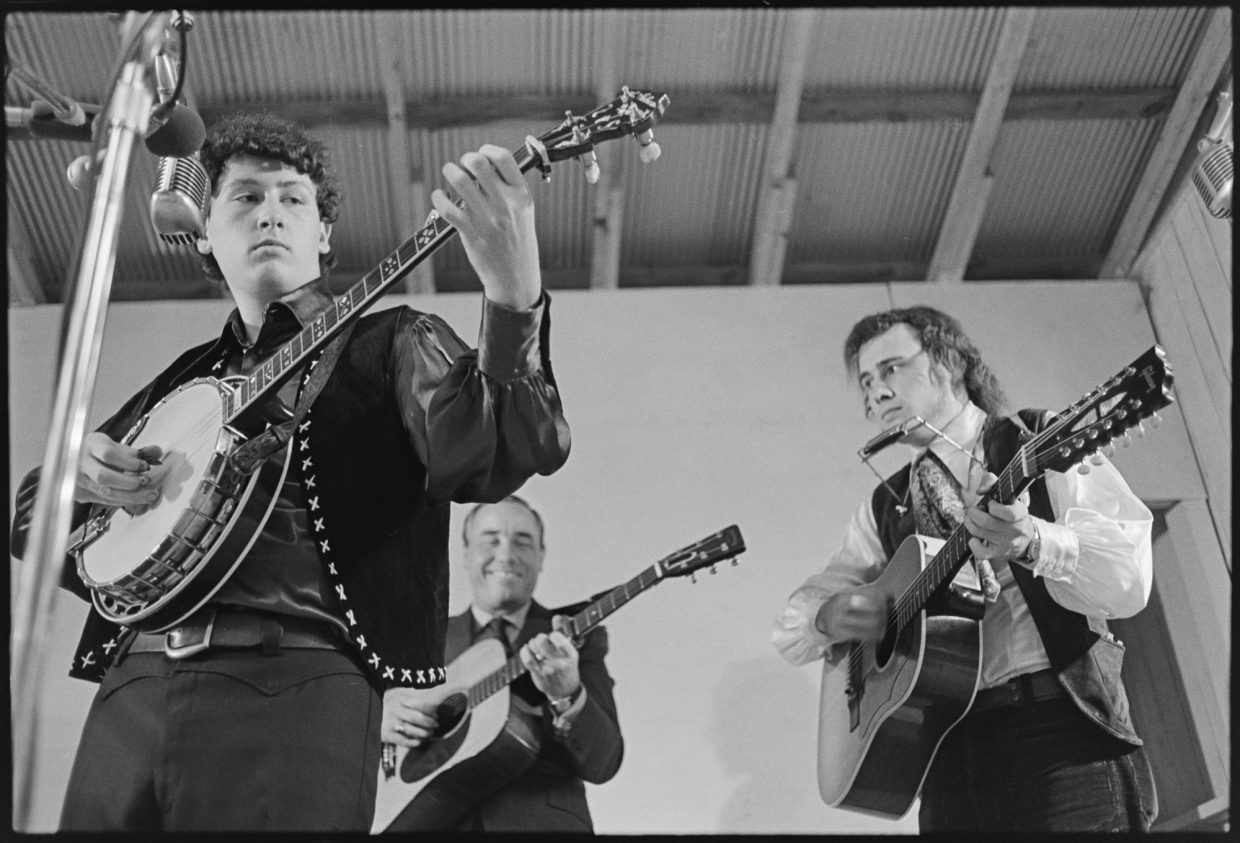
The Earl Scruggs Revue at Bill Monroe’s annual Bean Blossom festival, Bean Blossom, Indiana, June 1970. Randy Scruggs, Earl Scruggs, and Gary Scruggs. Photo by Carl Fleischhauer.

The boys’ continuing involvement with country rock is reflected in two songs that originated in 1967 with the LA band Hearts and Flowers. “Rock and Roll Gypsies,” which closes the first side of the album, seems to have been an attempt to garner radio play – it’s the only track on the record to include string section backup. The other Hearts and Flowers-connected track, “Bugler,” a sad song about the death of a dog, had recently been covered by Clarence White with the Byrds.

Live at Kansas State (1972)

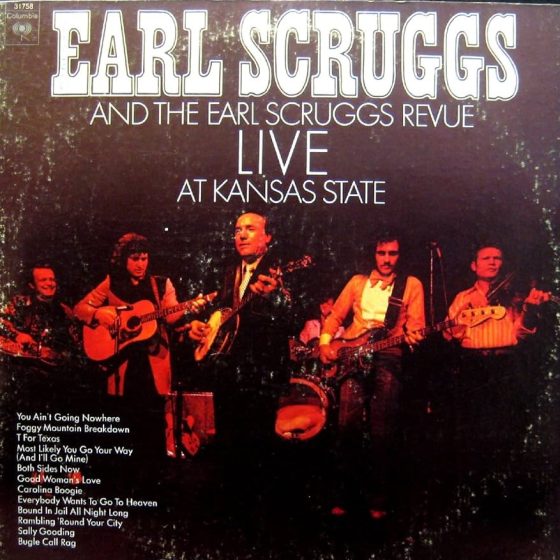
During this year of extensive studio recording, the Revue was also out playing on the road. Although Earl Scruggs: His Family and Friends included a few examples of the group in action outside the studio, Live at Kansas State (Columbia KC 31758) was their first full show album.

Many of the songs the Revue did at this 1972 concert remained in the band’s regular repertoire and showed up, for example, at the 1975 Maine concert, including “T for Texas,” “Paul and Silas” (they titled it “Bound in Jail All Night Long”), “Sally Goodin[g],” “Carolina Boogie,” “Everybody Wants to Go to Heaven,” and “Foggy Mountain Breakdown.”

Several were on their recent albums, like “You Ain’t Going Nowhere” and “Both Sides Now.” Bluegrass classics included “Good Woman’s Love” and “Bugle Call Rag.”

In 1998, a reviewer for No Depression wrote that Live at Kansas State was “probably their album most deserving of a full reissue … a surprisingly cohesive ‘bluegrass-rock’ blend, the likes of which has seldom been heard since.”

In 1972, the band included fiddler Vassar Clements and Dobroist Josh Graves, a bluegrass icon who’d just left Lester Flatt’s band. The album package has several photos of the band; these are notable in that they include everyone but pianist Bob Wilson, who is very much present in the album’s audio.

Wilson had moved to Nashville from Detroit’s R&B scene. His first years in Nashville were slow going, but that changed when Bob Dylan came to town to record Nashville Skyline and wanted “a funkier piano sound than the usual Nashville cat could produce.” The success of his work on Dylan’s album gave him plenty of studio work and he also found time to go on the road with Scruggs.

“When I was with the Earl Scruggs Revue,” he recalled, “Earl always introduced the band, and when he came to me, he always told the crowd, ‘And this is the man who played piano on Nashville Skyline, Bob Wilson.’ I must admit the applause felt really good.”

In his memoir, Bluegrass Bluesman, Graves spoke of the challenges he enjoyed while rocking with the Revue: “Earl and that bunch forced you to work up new licks. You had to come in there on the stuff they were playing. It was so loud I couldn’t hardly stand it, but I really enjoyed it. It opened a lot of doors for me. They were into a lot of things. …”

“Earl was doing the same old tunes with a little modern touch. Earl got bored with bluegrass – I’ll tell you that. He just didn’t want to play it anymore. They had that big beat, that sound behind it, and that’s what he liked.”

“He’d play ‘Foggy Mountain Breakdown’ with that band and people would go wild.”

I saw this, too, in Orono in 1975.

The Revue carried on into the early ‘80s, with albums that drew from contemporary pop music and brought younger country, folk, and rock stars in as guest artists. We’ll touch on a few of these next time.

(Editor’s Note: Read our prior Bluegrass Memoir on the Earl Scruggs Revue here.)


Neil V. Rosenberg is an author, scholar, historian, banjo player, Bluegrass Music Hall of Fame inductee, and co-chair of the IBMA Foundation’s Arnold Shultz Fund.

Photo of Rosenberg by Terri Thomson Rosenberg.
Inset black and white photos by Carl Fleischhauer, courtesy of Carl Fleischhauer.

Edited by Justin Hiltner.

You Gotta Hear This: New Music From Aaron Burdett, Nic Gareiss, and More

Here’s a flock of brand new songs and videos you gotta hear! This week, our premiere round-up includes Americana, fiddle tunes, percussive dance, good country, string band excellence, and more.

Don’t miss new tracks like “Second Best,” from Americana singer-songwriter and Steep Canyon Rangers vocalist Aaron Burdett, and “China Camp,” a fiddle tune written by Paul Shelasky and performed by Amy Kassir with Jake Eddy and more. Also, Wisconsin’s own Them Coulee Boys drop “I Am Not Sad,” a song that grapples with mental health from their upcoming 2025 album, No Fun In The Chrysalis.

We’ve got some superlative videos this week, as well! Percussive dancer and folk musician Nic Gareiss dances us through a gorgeous, queer rendition of a Gillian Welch song, “Back Turn and Swing,” and alt-folk trio Palmyra have brought a live field recording of “Fried,” a song from their brand new EP, Surprise #1. Meanwhile, Eilen Jewell pays tribute to Loretta Lynn and spotlights the progress and regression of the last 50 years of reproductive rights activism with a cover of “The Pill.”

To wrap us up, we don’t want you to miss the latest AEA Session, premiered in partnership with AEA Ribbon Mics on BGS earlier this week. This edition of the series features Brit Taylor & Adam Chaffins, performing live at Americanafest last month.

It’s all right here on BGS and, certainly, You Gotta Hear This!


Aaron Burdett, “Second Best”

Artist: Aaron Burdett
Hometown: Saluda, North Carolina
Song: “Second Best”
Release Date: October 25, 2024
Label: Organic Records

In Their Words: “You might say ‘Second Best’ was a song 30 years in the making. I’ve had this line from an old David Wilcox song rattling around in my head since the ’90s. It always struck me as a phrase that could be interpreted in many different ways. So I eventually started playing with that idea and bouncing it off various scenes and situations. A year or so ago I landed on the one (or two) that ended up in the recording, along with the original Wilcox line that inspired the chorus. Some songs arrive quickly, and some arrive much more slowly!” – Aaron Burdett

Track Credits:
Aaron Burdett – Vocals, acoustic guitar
Kristin Scott Benson – Banjo
Carley Arrowood – Fiddle
Tristan Scroggins – Mandolin
Jon Weisberger – Upright bass
Wendy Hickman – Harmony vocals
Travis Book – Harmony vocals


Nic Gareiss, “Back Turn and Swing”

Artist: Nic Gareiss
Hometown: Lansing, Michigan
Song: “Back Turn and Swing”
Release Date: October 25, 2024

In Their Words: “When I heard Gillian Welch’s song ‘Back Turn and Swing,’ I was immediately drawn to the way it brings the listener into the scene of a dance event: musicians tuning up, someone cooking potluck food to pass around, the excitement in the air, folks eager to get up onto the floor. The lyrics evoke the feeling of the square and contra dances I grew up attending in the rural Midwest. At the same time, as a non-binary queer person, I feel bodily unease around how the song sets up the dualistic gender of the attendees.

“Many folk dances these days have adopted expansive and inclusive dance calls, like using ‘larks and robins,’ ‘lefts and rights,’ etc. (shoutout to Michigan’s Looking Glass and Ten Pound Fiddle contra dances, Detroit’s queer square dance, Asheville’s Old Farmer’s Ball, and Brooklyn’s Gayli). Yet I’m still compelled to check beforehand that the caller – the authoritarian voice at the front of the hall telling people what to do with their bodies – is onboard with same-sex couples dancing together or trans and genderqueer people expanding these roles. This past summer a partner and I were at a dance when someone in their 20s asked us mid-set, ‘Who is the man?’ This reminded me that there’s still work to do; inclusivity still requires advocacy and allyship to help all feel welcome in the dynamism of the dance floor.

“Speaking of dynamic, as a child I saw John Hartford and was both astonished and inspired by the soundscapes he could create; dance, music, and song all embodied in one person. I aspire towards that dance-as-music in this video, where I added a few lyrics to the last verse.” – Nic Gareiss

Video Credits: Filmed by Blake Hannahson. Audio mixed by Jaron Freeman-Fox.


Eilen Jewell, “The Pill”

Artist: Eilen Jewell
Hometown: Boise, Idaho
Song: “The Pill”
Album: Butcher Holler: A Tribute To Loretta Lynn
Release Date: October 22, 2024 (single); November 15, 2024 (album)
Label: Signature Sounds

In Their Words: “The amazing thing about ‘The Pill’ is that it still feels edgy today, nearly 50 years after its original release. Loretta infused it with so much sassy defiance that, even now, when I sing it live and reach the phrase ‘now I’ve got the pill,’ some fans pump their fists while others clutch their pearls. It still strikes a nerve, a testament both to how effective this song is and how little progress we’ve made in this country in terms of reproductive rights.

“Loretta still holds the prestigious record for the singer of more banned radio hits than all other male country artists in the twentieth century combined. And ‘The Pill’ was the most banned of all of her songs, which is saying a lot. By recording and performing it live, I hope to do my part to spread the word about the importance of public access to family planning as an integral part of a woman’s right to the pursuit of happiness. It’s hard to believe this fight is still going on, but until it’s over I’ll be here for it.” – Eilen Jewell

A note from the artist: A percentage of sales from “The Pill” will be donated to Planned Parenthood.

Video Credits: Bill Hurley at The Fallout Shelter in Norwood, Massachusetts


Amy Kassir, “China Camp”

Artist: Amy Kassir
Hometown: Durham, North Carolina. Currently lives in San Rafael, California.
Song: “China Camp”
Album: Bread and Butter
Release Date: October 25, 2024

In Their Words: “‘China Camp’ is a great tune by the legendary California fiddler Paul Shelasky. I first heard it on the 1983 Good Ol’ Persons record, I Can’t Stand to Ramble, and I’ve been obsessed ever since. While so many tunes on my album are ‘bread and butter’ fiddle tunes I grew up playing in North Carolina, I wanted to include a tune that represents the rich musical legacy of California, which has been my home for the last 10 years. I’m so thankful Paul gave me his blessing to record this tune.

“This recording features Jake Eddy on guitar and banjo, Korey Kassir on mandolin, and Carter Eddy on bass. It’s such an exciting tune to play, and we had a lot of fun bringing it to life.” – Amy Kassir


Palmyra, “Fried”

Artist: Palmyra
Hometown: Richmond, Virginia
Song: “Fried”
Album: Surprise #1 (EP)
Release Date: October 24, 2024
Label: Oh Boy Records

In Their Words: “As we have ventured into playing bigger stages and festivals, our sound has expanded significantly. While the core of Palmyra remains the three of us, we’ve been experimenting with a larger four-piece sound, as heard on the recorded version of ‘Fried’ on our new EP, Surprise #1, with Oh Boy Records. ‘Fried’ is our most ambitious acoustic experiment, starting with a drum set and a hypnotic repetitive guitar lick. Recording the song acoustically with one microphone in a field was a fun way for us to find the core of the tune. It was a challenge to see how many elements we could strip away and still keep the groove. We like to call ‘Fried’ our ‘jam band’ song, and we hope even this field recording gets you on your feet.” – Palmyra

Track Credits:
Written by Sasha Landon, Mānoa Lewis Bell, and Teddy Chipouras.
Sasha Landon – Mandocello, voice
Teddy Chipouras – Guitar, voice
Mānoa Bell – Upright bass, voice
Jake Cochran – Drums

Video Credit: Elliott Crotteau


Them Coulee Boys, “I Am Not Sad”

Artist: Them Coulee Boys
Hometown: Eau Claire, Wisconsin
Song: “I Am Not Sad”
Album: No Fun In The Chrysalis
Release Date: October 29, 2024 (single); February 28, 2025 (album)
Label: Some Fun Records

In Their Words: “‘I Am Not Sad‘ is the last song on the record and captures the theme of accepting change this record focuses on. I’ve struggled with my mental health my whole life, dealing with depression, anxiety, and issues with self worth. I’ve embraced those issues in my songwriting, hoping to shine a light on things that we all go through from time to time. We have plenty of songs that talk about these issues, but this one is the first that accepts them.

“The song is built around the phrase ‘I am not sad anymore, at least not today.’ It’s a celebration of the happiness in the moment, while acknowledging that there’s times when it’s harder. It’s about being thankful for the good times, and letting them stack up on one another for when the bad times come. It’s a declaration, a moment of catharsis, while knowing that it won’t always be like that.

“Sonically it starts sparsely, with elements of the band being added with each verse, like confidence growing in one’s self as you begin to believe. It’s self-assured, with strummed mandolin and piano a backdrop for growth. When the bridge lyrically introduces the idea that these positive feelings might not last, the musical interlude represents the choice to embrace that realization. An ethereal, almost dream-like backdrop sets up the catharsis of the last verse. When the last verse hits, it invites all the good feelings back for a triumphant jam. It’s loud and snarls in the face of the hard times. It’s meant to soar and it does.” – Soren Staff


AEA Sessions: Brit Taylor & Adam Chaffins, Live at AmericanaFest 2024

Artist: Brit Taylor & Adam Chaffins
Hometown: Hindman, Kentucky (Brit), Louisa, Kentucky (Adam); now, both call Nashville home.
Songs: “Little Bit at a Time,” “Holding On Holding Out,” “Trailer Trash,” “The Best We Can Do Is Love,” and “Saint Anthony”

In Their Words: “It was fun playing and talking about new songs on some incredible sounding AEA gear with Brit Taylor on the Bell tone sessions!” – Adam Chaffins

“Brit and Adam’s songs are personal, yet universal. They are warm in person and it’s clear they spend a lot of time together singing, playing, and writing. Their vocals weave and intertwine so effortlessly.” – Julie Tan, AEA Ribbon Mics

More here.


Photo Credit: Aaron Burdett by Mike Duncan; Nic Gareiss by Blake Hannahson.

Artist of the Month: Tony Trischka

(Editor’s Note: Find our Essential Tony Trischka Playlist below.)

Banjoist Tony Trischka is a brilliant creator, an entertainer, and educator who makes his own time. He’s always on the run, trying new things and yet also always ready to stop and have a friendly chat and a catch up. His musical life includes teaching, performing, and recording as well as studying music history. And, at a very young 75, he’s always up for an impromptu jam.

In 1976, when he was 28, Oak Publications published his Melodic Banjo, an instruction book featuring his transcription tablatures of pieces by and introductions to the top players of this new style of bluegrass banjo in which he was already recognized as a virtuoso. The book became a modern bluegrass banjo classic and was later published in new editions by Hal Leonard.

When Rounder reissued Tony’s first two albums as Tony Trischka the Early Years, Berklee’s Matt Glaser wrote:

Rarely, perhaps three or four times a century, some music will be created that is a pure explosive expression of life energy and uncontaminated joy. The music on this CD is, in my humble opinion, exactly that. … I put Tony’s early music in the same category as the best of Charles Mingus, Cecil Taylor, Scotty Stoneman, and Wagner, mad and magnificent. … It’s some of the most unjustly neglected of all popular music masterpieces.

Tony’s passion about bluegrass banjo history came to the fore in 1988 when he co-edited “the most comprehensive banjo book ever written,” Masters of the 5-String Banjo, with Pete Wernick, his partner in the early ‘70s band Country Cooking.

There’s not enough room here to write about Tony’s full career, but it’s important to know that in addition to performing on the banjo doing everything from straight-ahead bluegrass to rock, avant garde, and theater, he’s also a band leader, producer, teacher and historian. A Grammy nominee and winner of the IBMA’s 2007 Banjo Player of the Year award, he now teaches an online banjo course for ArtistWorks, and continues to appreciate the pleasures and challenges of jamming – the subject of his latest album, Earl Jam, which was released June 7 on Down The Road Records.

I met Tony in 1986 in New York where I was giving a lecture to promote my new book, Bluegrass: A History. We got together afterward to explore our shared interest in bluegrass banjo. Since then, we’ve worked together on several projects, the latest being Earl Jam.

In November 1990, we reconnected at the Tennessee Banjo Institute. He took me to hear Institute faculty member Carroll Best, a North Carolinian who’d been playing melodic banjo since the ’50s. We ended up together at Best’s campsite. In 1992, Banjo Newsletter published our interview of him along with Tony’s transcription of his work.

Trischka’s 1993 album, World Turning, reflected his eclectic experiences in taking the banjo to the world. Bob Carlin called it “his bid to move the instrument back into the mainstream.” Beginning with an African tune, he explored the banjo in a variety of genres – minstrel, classical, old-time, ragtime, new acoustic, and rock, along with his own brand of bluegrass.

In 2001, Tony and I reconnected at Banjo Camp North in Massachusetts. In addition to its concerts and workshops featuring big-name instructors like Tony, Bill Keith, Pete Wernick, Tony Ellis, and Bill Evans, there was free time for informal music-making. Tony and I spent a pleasant evening jamming together.

For his 2007 album, Double Banjo Bluegrass Spectacular, Trischka recorded duets with 10 banjo pickers, with backing by top-flight bluegrass instrumentalists. These recordings have taken on new meaning now that some of his musical partners on this award-winning production – Earl Scruggs, Kenny Ingram, Bill Emerson, and Tony Rice – are no longer with us. The album introduced a generation of young musicians, showing the remarkable depth of Tony’s musical connections.

Tony’s brand new Down The Road album, Earl Jam: A Tribute to Earl Scruggs, reflects his longstanding interest in bluegrass banjo’s late founder. The album began during the pandemic, when Banjo Newsletter columnist, Bob Piekiel, author of “Earl’s Way” and a Scruggs family friend, sent Tony a thumb drive containing two hundred songs and tunes recorded at jams with Earl Scruggs and John Hartford during the ’80s and ’90s.

Tony and Piekiel had been working on the “tabs” – tablatures – for a new Scruggs banjo book. Since the early 1970s, bluegrass banjo tabs have been key musical manuscripts. None are more important than those of Scruggs, whose iconic statements – the ones he recorded – were published by Scruggs himself in tabular form in 1968. Many banjo pickers learned “Foggy Mountain Breakdown” and other familiar favorites from Scruggs’ tabs.

Like any written music, tablatures are scores meant to describe how music is created on an instrument, while simultaneously prescribing how it is to be reproduced. Tony made tabs of Earl’s jam breaks so that he could recreate them. Jamming with Hartford, Scruggs played familiar pieces he’d never before recorded or performed in public. On that thumb drive, Tony found Scruggs’ impromptu banjo statements as interesting and entertaining as the old familiar recorded and transcribed ones from his commercial appearances.

Change and innovation are part of the ambiance at jam sessions. Playing an old tune or song in a new way is a sure route to pleasant interaction in these friendly musical conversations. Here, ideas are expressed, tested, embraced. Participants play for their own delectation and to pique the interests of the other jammers.

It’s not easy for those of us who enjoy hearing commercially produced Nashville music to know what goes on informally and privately in that town’s local music scenes. Beyond the bars, stages, and studios, away from the producers, who jams with whom? In 1998 when Tony interviewed the late Bobby Thompson, melodic banjo pioneer and Nashville studio A-lister, he got Bobby’s answer to that question:

Scruggs, he’s real nice. Me and him would get together and play a lot. Lately I do him and John Hartford and bunch of them come over here a lot.

In his notes to Earl’s 1972 album, I Saw the Light with Some Help from My Friends (Columbia KC 31354), Bill Williams wrote about star-packed jams at the Scruggs home, calling it “a gathering place, a watershed of talent, a place to be oneself,” adding that “while the industry has known many outstanding jam sessions, there are none quite like these.” By that time, jams had been going on at the Scruggs house for a long time.

A number of the old Flatt & Scruggs songbooks published snapshots from ’60s jam sessions at the Scruggs home. And just as some people took snapshots at such sessions, others made recordings. John Hartford had recorded his jams with Earl and given Piekiel a copy because he worried that if his house burned down all those jam recordings would be lost.

Nashville pros like Thompson and Hartford – whose success as a singer-songwriter (“Gentle On my Mind”) underwrote a unique career – would, as Thompson said, “get together and play a lot” with Scruggs. Hartford, a Scruggs fan from an early age, played the fiddle while listening with pleasure to Scruggs’ banjo statements, and began bringing a tape recorder along.

Earl and John had played what they knew, taking pleasure in attacking old favorites in new ways. After learning and transcribing Earl’s banjo jam breaks, Tony put together a band to showcase them in a show at in the New York club Joe’s Pub. What people heard was first-class bluegrass musicians along with Tony’s musical recreation of Scruggs performing an eclectic repertoire – pre-war and post-war country classics, traditional tunes, rock, bluegrass, folk and more.

On Earl Jam, which grew out of Tony’s showcase band, we hear leading contemporary artists, including Sam Bush, Michael Cleveland, Dudley Connell, Michael Daves, Jerry Douglas, Sierra Ferrell, Béla Fleck, The Gibson Brothers, Vince Gill, Brittany Haas, Del McCoury, Bruce Molsky, Billy Strings, and Molly Tuttle, in new musical conversations with Tony Trischka providing the “banjer” voice of Earl Scruggs.

Here, today’s artists each perform with their own contemporary voice while Tony, consummate and experienced stage actor that he is, takes center stage in the role of Scruggs-at-a-jam. He’s a musical equivalent of actor Hal Holbrook, who brought the voice of a famous American author to millions in his one-man show “Mark Twain Tonight.”

A good example of the music on Earl Jam is “Brown’s Ferry Blues,” the album’s first single. It opens with a solo guitar break by Billy Strings during which rhythm instruments: mandolin (Sam Bush) and bass (Mark Schatz) come up behind. Then Trischka introduces one of Earl’s jam breaks, after which Strings sings the first of six verses.

After each verse, we hear an instrumental solo. First comes Michael Cleveland, who throws in some licks associated with Foggy Mountain Boys fiddler Benny Martin. Next is Bush playing his usual great, hot stuff.

After verse 3, Tony plays not one but two more Scruggs jam breaks, each quite different from the other. After verse 4, producer and banjoist Béla Fleck contributes a statement in his unique style. Following the next verse there’s a blazing guitar break from Strings, who then sings a newly composed verse that names everyone at this live session, after which the track closes with all five instruments going full-bore as if at a jam – instruments like voices at a cocktail party.

Tony’s newfound conversations demonstrate Earl’s economy and genius, and his ability to inject feeling – humor, soul, hot, cool – in unexpected places. Scruggs’ musical vision is an education and a pleasure. We’re grateful to Tony for capturing it, preserving and showcasing it.

This truly is a unique album. Each track combines the contexts of bluegrass and theater. We hear bluegrass and old-time music’s standard verses and instrumental breaks. They are mixed so that we can visualize each musician stepping up to the mic to sing or pick. And then the curtains open and Trischka appears spotlighted in a cameo closeup delivering lines – breaks – that Earl spoke at the end of the century, when he was in his 70s.

It’s ironic that tabs have crystallized an aural model of Earl Scruggs’s banjo playing based largely on his ’40s and ’50s work with Monroe and Flatt. That music became the model for classic bluegrass. It still sounds great today. But by the ’60s, Earl had moved on. As Tommy Goldsmith (Earl Scruggs, p. 120-123) points out, an informal backstage jam in New York with saxophone virtuoso King Curtis convinced him that he could take his banjo into other genres like rock.

As soon as he and Flatt parted ways in 1969, Earl joined his sons to form the Earl Scruggs Revue. In the following decades he played with them as well as a variety of folk, rock, and pop acts, fitting his banjo into many new contexts. By the times of his jams with Hartford, foremost in Scruggs’ mind were the then-recent years of touring with the Revue and trying new stuff.

In 1983, L.A. producer (Byrds, Flying Burrito Bros.) Jim Dickson told me why he came to like bluegrass: “It was part formal and part improvisational breaks, the same kind of structure jazz had.” (Bluegrass: A History, p. 190) Tony’s cameos highlight the improvisational genius that kept Earl’s music fresh and inspired a generation.

On Earl Jam, Trischka explores Scruggs’s genius in various ways. Several individual song arrangements have modulations (as in “Dooley” and “Casey Jones”) that show how Earl was able to recast his melodic ideas in different keys and tunings. Tracks like “Liza Jane,” “Lady Madonna,” and “Brown’s Ferry Blues” close by moving beyond solo breaks into riff trade-offs to portray the playful conversation that is the essence of jamming.

Tony’s sense of history is reflected in his repertoire choices – reflecting rich heritage and continuing experimentation. Like a painter he has blended, collaged, borrowed, and adapted widely from past art. The result is a series of vignettes building on the shared creativity of today’s most gifted singers and players while also embracing Earl’s many paths.

I visualize these tracks as tangible works of art like we might see in a museum or gallery – from antique quilts to abstract modernist paintings. BGS’s Artist of the Month, Tony Trischka, has created a veritable aural exhibition.


Neil V. Rosenberg is an author, scholar, historian, banjo player, Bluegrass Music Hall of Fame inductee, and co-chair of the IBMA Foundation’s Arnold Shultz Fund. He also authored the album liner notes for Earl Jam. Check out Neil’s regular BGS column, Bluegrass Memoirs, here.

Photo Credit: Greg Heisler

BGS Bytes: Your Roots Music Social Media Round Up

Welcome back to BGS Bytes, our monthly column designed to spare you the scroll and key you into the most notable roots-related social media posts! From birthdays to tributes to the dawning of festie season, we’ve got something for everyone. Check out these buzzworthy and viral internet moments from Randy Travis, Molly Tuttle, Chris Eldridge, the Brothers Osborne, and more.

AI Gives Randy Travis’ Voice A Second Chance

@randy.travis Randy’s fans and their desire to hear his voice again inspired Randy to make “Where That Came From” a reality with the help of his team. We are blessed to share this moment with you. Your love inspires Randy to keep on going! Thank you for singing along, always. – Team RT #CountryMusic #NewMusic ♬ Where That Came From – Randy Travis

In 2013, Randy Travis suffered a major stroke following his hospitalization for cardiovascular issues, resulting in aphasia that severely diminished his capacity to speak and sing. Devastated, the world thought Travis might never sing again — until just a couple of weeks ago.

Working alongside Cris Lacy, a co-producer from Warner Music Nashville who previously produced Travis’ music, and Travis’ longtime producer Kyle Lehning, a small team of songwriters, musicians, and computer programers put together a new song for Travis, “Where That Came From.”

The track uses scratch vocals laid down by singer James Dupre, which were then filtered through an AI system informed by dozens of sound bytes from Travis’ catalog. Through trial and error, Lehning and engineers worked to ensure that the song seamlessly evoked Travis’ essence. Travis and his wife, Mary, are absolutely elated by the results, calling the experience “magical,” “beautiful,” and “overwhelming.”

Stevie Wonder Celebrates His 74th Birthday by Becoming a Citizen of Ghana

On May 13th, the legendary Stevie Wonder celebrated his 74th birthday while attending a ceremony that granted him Ghanaian citizenship. The first African country to become independent in 1954, Ghana has historically been an epicenter for many African Americans disenchanted with rampant anti-Blackness in the states. In 1975, Wonder began to dream about moving to Ghana to reconnect with his ancestral roots. Though he reconsidered, remaining in the U.S. to record his lauded Songs in the Key of Life, his 50-year dream came full circle this month.

He spoke on the monumental nature of this moment in his speech at the ceremony, stating, “Now, as a Ghanaian citizen, I am committed to fulfilling the dream we’ve cherished for so long — uniting people of African descent and the diaspora.”

Chris Eldridge Pays Homage To His Father, Ben Eldridge

Throughout its history, bluegrass has been well known as an intergenerational genre, passed down through familial, social, and geographical lineages. One glowing example is Chris “Critter” Eldridge (widely known for his role as a vocalist and guitarist with Punch Brothers) and his father, Ben Eldridge, who sadly passed away on April 14th of this year.

In a beautifully written tribute, Chris speaks about Ben’s incandescent banjo playing, the cultural significance of his band the Seldom Scene within the bluegrass and folk landscapes, Ben’s uncanny knack for mathematics, and his beautiful heart. A legend of his time, Ben will be missed greatly and forever revered.

DelFest Turned into Adelefest

Memorial Day weekend was a legendary one at the 16th annual DelFest, a four-day bluegrass festival taking place alongside the verdant mountains and flowing Potomac river of Cumberland, Maryland.

Listeners were in for a treat when the ethereal Sierra Ferrell came out to join Lukas Nelson’s set with the Travelin’ McCourys for a few songs. Among them was a cover of Adele’s hit, “Someone Like You,” infused with all the melancholy that a little country twang can offer. During a backstage pre-festival rehearsal, Lucas posted a Reel to warn Adele, “You’re going country whether you like it or not!”

Molly Tuttle Pays a Visit to Her First Martin


View this post on Instagram


A post shared by Molly Tuttle (@mollytuttle)

In this sweet and heartwrenching post, Molly Tuttle, queen of flatpicking, tells the sweet story of her first Martin guitar. Penny by penny, she saved up enough at the ripe age of 12 to purchase her very own Martin. It is now on display at the Musical Instrument Museum in Phoenix, Arizona, alongside instruments from musical giants like John Hartford, Elizabeth Cotten, Earl Scruggs, Mississippi John Hurt, and more.

AJ Lee & Blue Summit Release New Single, “He Called Me Baby”

A song that has lived many lives, AJ Lee & Blue Summit put their own spin on the classic, “He Called Me Baby.” Written by Harlan Howard, the song was most commonly sung as “She Called Me Baby” until Patsy Cline covered it in 1963. Throughout its history, it’s shifted through many genres and forms, perhaps most notably becoming a Top Ten R&B hit in 1971 with Candi Stanton’s recording.

The Brothers Osborne Guest Judge on RuPaul’s Drag Race

@brothersosborne Temporarily trading in our guitars 🎸 for the judge’s panel on @RuPaul’s Drag Race #AllStars9 ♬ original sound – Brothers Osborne

And, being that we’re a few days into June, we simply must include a quick Pride Month teaser! This past week, brothers TJ and John Osborne, most commonly known for their country duo The Brothers Osborne, were featured as guest panelists in Season 9 of RuPaul’s Drag Race All Stars. This iconic crossover is the perfect kickoff to a month sure to be filled with reminders of the inextricable weavings of queer culture and roots music.


Photo Credit: Randy Travis by Marisa Taylor; RuPaul’s Drag Race All Stars production still courtesy of QPrime.

Mike Compton – Toy Heart: A Podcast About Bluegrass

Bluegrass fans know Mike Compton from his long and eclectic resumé, including decades of touring and recording traditional Monroe-style mandolin with greats like John Hartford, Doc Watson, Peter Rowan, Ralph Stanley, Alison Krauss, and David Grisman, as well as venturing into more mainstream music with with Sting, Gregg Allman, Elvis Costello, and many others. He was also heard on the soundtrack for O Brother, Where Art Thou? and traveled with the smash hit tour, Down from the Mountain, which highlighted the artists and musicians on that incredibly popular soundtrack.

But, as Toy Heart host Tom Power points out, it’s not just virtuosity that makes Compton stand out as a mandolinist – it’s just as much about the heart, feel, and grit that he brings to the instrument.

LISTEN: APPLE PODCASTSSPOTIFYMP3

Tom speaks with Compton for over an hour for this exclusive Toy Heart interview, walking through his life and career, from the musical influence of his great grandparents and growing up in Meridian, Mississippi, to the indelible mark left on his own playing style by Bill Monroe. Compton also recalls his childhood, skipping school to hide out in a “dirt pit” to practice all day, his time in Nashville – including a historic visit to China with the Nashville Bluegrass Band – and recounts his collaborations with the legendary John Hartford. You’ll also hear Compton discuss the impact that playing on O Brother, Where Art Thou? had not only on himself and his own career, but on bluegrass as a whole.


Photo Credit: Scott Simontacchi

Sam Grisman Project Honor “Dawg Music” In Their Own Way

There’s something special that occurs when music is rooted in friendship and a shared mission. Perhaps no one exemplifies this better than Sam Grisman Project, founded by the youngest son of “Dawg music” pioneer David Grisman. Seeking to honor the likes of his father, Jerry Garcia & the Grateful Dead, and other musical heroes, SGP maintains a singular style and groove.

With its core iteration featuring seasoned multi-instrumentalists and songwriters Ric Robertson, Chris “Hollywood” English, and Aaron Lipp – and often featuring a host of other guests who run the musical gamut – SGP is bringing fresh authenticity, originality, and passion to the roots music and jam band scenes.

BGS spoke with Sam Grisman in early February 2024 about the origins of, inspirations, and plans for this remarkable and rising group.

What are the origins of Sam Grisman Project?

Sam Grisman: Ever since rekindling my musical friendship with the great Ric Robertson, who I’ve known since I was 14, I’ve been wanting to start a band that showcases the impact that the legacy of my dad and Jerry’s music has had on me. Ric and I started scheming on ways to make some music together and what that might look like. I figured we might have a good opportunity to play out in the live touring landscape if we paid tribute to the catalog of music that my dad and Jerry recorded together; that it could create the space for us to really do whatever we might want musically. We’re not limiting ourselves to the catalog of music that my dad and Jerry played together or individually, but we are honoring the spirit of what they did together, which was to dive into great songs that they had a shared love of.

I’ve always had a talented group of friends, going back to the time that I spent growing up at bluegrass festivals, fiddle camps, and the Mandolin Symposium. We have chemistry, and that is irreplaceable. Ric started playing music with Aaron Lipp around the time we turned 20 and he has been a part of my musical reality since then. He and Ric have developed strong chemistry, where they’ve been finishing each other’s musical sentences for years now. Aaron is from Naples, New York, about an hour away from Rochester, New York, which is where the great Chris English hails from. When Ric started making some music with Chris and telling me about what an amazing drummer and human being he is, I knew he would fit into the core of this band perfectly.

Who are you honoring with this project and why?

We’re honoring the musical heroes who influenced us the most. For me, because they provided the soundtrack to most of my earliest musical memories, that’s my dad and a lot of his friends who came through our house in Mill Valley to record. The friend who came around the most was Jerry [Garcia], but also John Hartford, Mike Seeger, Doc Watson, Tony Rice, Del McCoury and Ralph Stanley.

We honor our heroes, not just my dad and Jerry. We play lots of John Hartford music and Townes Van Zandt songs. Lots of Bob Dylan’s music, some Alan Toussaint, Dr. John, John Prine, Warren Zevon, Randy Newman, and Peter Rowan.

Can you describe what Dawg music is and what you’ve learned from your father?

Dawg music is a highly evolved form of acoustic music that is a synthesis of many different genres including old-time, bluegrass, hot club swing, jazz, and funk, with elements of classical music. It’s really a sort of genre-less genre pioneered by my father. It showcases – but is not limited to showcasing – the sound of the mandolin. The instrumentation in his quintet has traditionally been one or two mandolins, guitar, upright bass, and violin, but that’s expanded over the years to include percussion and drums.

That instrumentation of percussion, mandolin, guitar and bass is what I modeled the core of this band after. I’ve learned so much from my father about music and the music business – how to treat your friends and how to honor your elders. I am profoundly grateful to have been born to my particular set of parents and I’m grateful that there are other folks who have a deep appreciation for my dad’s impact on the musical landscape. I’d like for people to also appreciate how wonderful a human he is, so this is a small way that I get to share my dad with other people. He loves everybody, he’s grateful for the support, and he can feel it.

Who are some of the musical guests that have performed with SGP, and what does that mean to SGP?

It means a lot. It’s a representation of the community that we’re a part of. We’ve brought in some of our heroes as guests including dear family friends like Lowell Levenger “Banana” from the Youngbloods, Maria Muldaur, Eric Thompson, and Peter Rowan. We’ve had my dad sit in three times, which has been an absolute honor, and we’ve had a whole slew of our guests who bring different insights and a similar passion to the project: Dominick Leslie, Alex Hargreaves, Roy Williams, Bennett Sullivan, Nathaniel Smith, Phoebe Hunt, Lindsay Lou, my dear friend Tod Patrick Livingston, Mike Witcher, Chad Manning, Wyatt Ellis, Matt Eakle (the great flute alumnus from my dad’s quintet), and more. Eddie Barbash came and played a set with us in New York. Max Flansburg, who has a similar passion for this material and highlights a different corner of the Garcia/Hunter catalog than we do, played two of our New Year’s shows with us. We also had our old-time banjo hero, Richie Stearns, on all of those gigs that weekend. We’re going to have Logan Ledger on some shows coming up, and we’ll have Victor Furtado and Nathaniel Smith in the band.

When did SGP start touring in its current iteration, and how is the experience of touring with your best friends?

We had our first run as a band in January 2023. This conversation with you comes at the end of our longest break as a band, where we’ve had the entire month of January off. We’re starting back up on February 4th in Tucson, at a festival called Gem and Jam. It’s an absolute treat to travel the country with the people I care the most about, and to make great music and memories and friends everywhere we go. It’s important to anchor ourselves and ground ourselves in the music, because there’s a lot of work that goes into being out on the road that can make you lose perspective on how special it is to be doing something that you love for a living and to be able to do it for people who love what you’re doing.

SGP is obviously celebrating and continuing a particular musical legacy, but doing so with your own flavor. What makes SGP unique?

Our branding is our individuality and our honesty. I grew up in the house where my dad and Jerry recorded all of this music and I really do enjoy playing that music with my best friends. It gives me a sense of purpose to be able to play some of that music for folks who are passionate about it. There’s definitely room in the live music space for bands who take a preservationist approach to carrying on the musical traditions and catalogs of artists that came before them. A lot of musicians try to sound like their musical heroes, but that’s not our approach. I hired my friends to participate because I love their individuality and how they play, sing, and write music. I wouldn’t want to steer them towards sounding more like Jerry Garcia or my father.

We have been influenced by listening to tons of great music our entire lives, but we try to stay true to ourselves when we’re playing, so nobody is reaching for a sound that isn’t theirs. We all enjoy injecting our individuality into this music and having the flexibility to take the material in different directions depending on how we’re feeling. It’s amazing to have such versatile friends to work with.

How does original material fit into the broader vibe of SGP?

All three of the core guys – Ric Robertson, Aaron Lipp, and Chris English – are amazing songwriters. All the time I’ve known Ric, since we were teenagers, he’s been writing great songs. He was always a great singer, but he’s become one of my absolute favorite singers on the planet. There’s a lot of his music that lends itself incredibly well to looser, more long-form arrangements, which is something that SGP has become comfortable with.

Aaron Lipp is also an amazing songwriter who writes incredibly poignant music and aphoristic lyrics. Chris English writes amazing, feel-good music – not always overtly happy, but always with a strong message. His tunes add a lot of depth to our sets and take us to a more groove or bassline-oriented place, which is really refreshing for us and our audiences. I think there’s always going to be room for original music in SGP. As much as these guys are inspired to play their own tunes, I want to play them.

You released a great EP in 2023. Is there anything else currently in the works?

We’re gonna make a full length album at some point in 2024. Over the course of the last hundred or so gigs we’ve developed a pretty good repertoire and a strong rapport with each other. I don’t think it would take very long to put some of these tunes down in the studio, but we also multitrack most of our shows and we have an archive of live music to sort through. We’re going to be putting some shows up on Nugs.net pretty soon. We have a pro-taping policy to encourage folks to come and tape the show. I share Jerry [Garcia]’s philosophy that if you bought a ticket to the show, the performance is really yours as long as you’re not charging anybody else for it. Some of those shows have made it to archive.org, which is a free internet resource where folks can listen to live music. At some point we’ll probably put together some compilations of live material and put them up on the streaming services. I think our live show is always going to be the emphasis of what we do, so it’s important to have some recorded examples out there for people to check out.

What’s in store for SGP in 2024, and what does pursuing that mean to you?

We’ve got another solid year shaping up. We played about a hundred gigs in 2023 and we’ll probably make it pretty close to that in 2024. I’m going to expand the cast of characters a little bit in 2024 and bring some other friends into the fold. I’m looking forward to introducing my new friends and audiences to my dear musical compatriots who care about this music as much as I do. I’m grateful and humbled to get to do it. It means a lot to get to honor my father every night by playing his music. We take out the mandola that he gave me for my 21st birthday, the mandola he recorded “Opus 38” on. We get to play “Opus 38” on that very same mandola for people who appreciate what’s happening, and I feel like he and Uncle Jerry are with us every night. It’s a big blessing all around.


Photo courtesy of the artist.