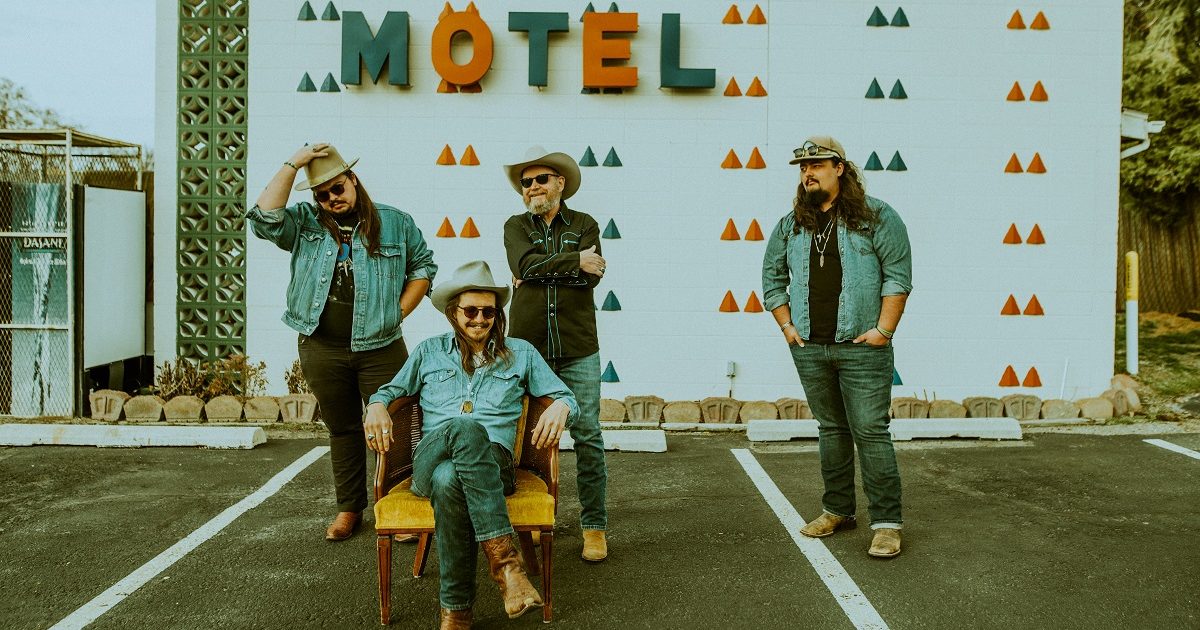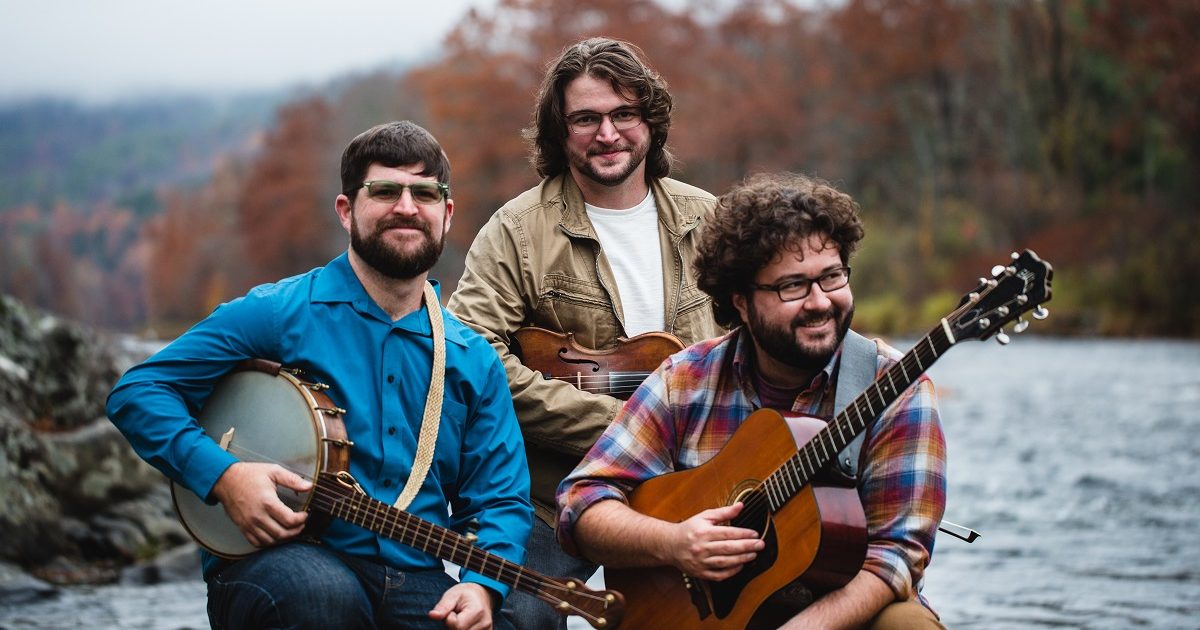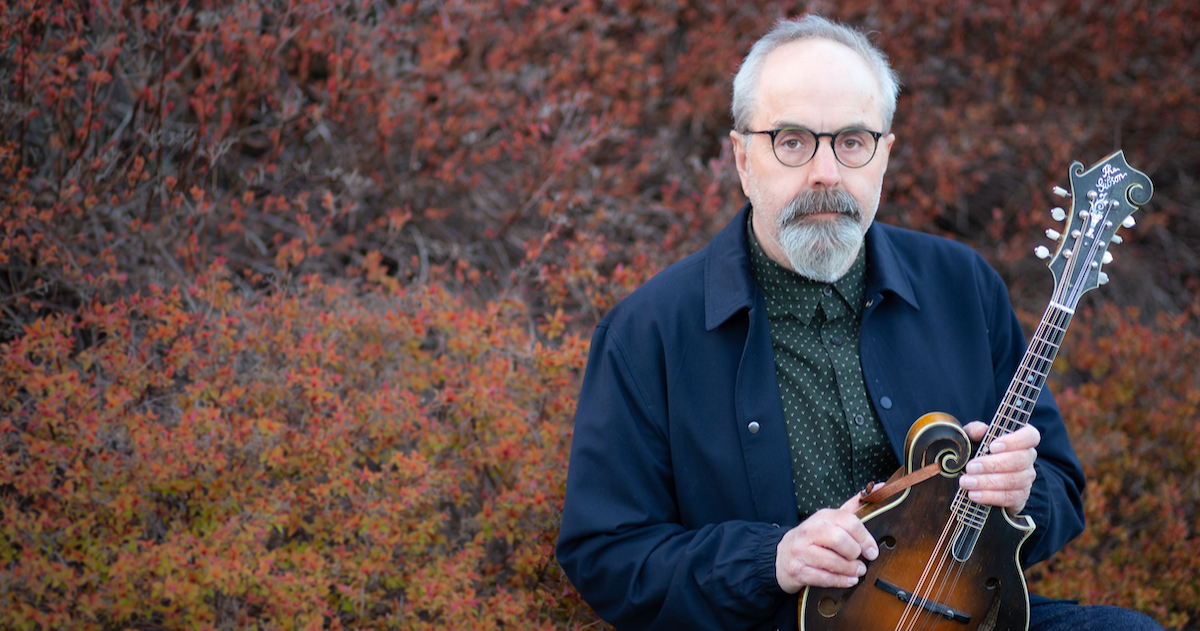
Artist:The Faux Paws Hometown: Brattleboro, Vermont Song: “Fourth Decade” Album:The Faux Paws Release Date: August 27, 2021 Label: Great Bear Records
In Their Words: “‘Fourth Decade’ was written by Noah to celebrate a friend’s milestone birthday. We workshopped this tune for a while before finally settling on the instrumentation: fiddle with double clawhammer banjos! And before you ask, these are cooperative banjos, not the violently competitive variety. The three of us have played a lot of dance music over the years — contra, square, cajun, swing, etc. — and we tried to capture that energy and connection on this track.” — Andrew VanNorstrand, The Faux Paws
On April 22, 1989, Cityfolk, a Dayton, Ohio-based concert series, mounted their most ambitious evening to date, The Dayton Bluegrass Reunion, “An All-Star Salute to Dayton’s 40 Year Bluegrass History.” It was held at Memorial Hall in downtown Dayton.
I’m reminded of this concert now because of an essay I wrote for its program booklet: “Industrial Strength Bluegrass.” That is the title of a new book by Fred Bartenstein and Curtis W. Ellison, subtitled “Southwestern Ohio’s Musical Legacy.” This anthology presents a remarkable in-depth portrait of a key regional bluegrass scene, which co-author Bartenstein has likened to seminal regional scenes in other genres like blues (Chicago) and jazz (New Orleans).
In March, Smithsonian Folkways released a 16-track album with the same title, edited by Joe Mullins and son Daniel Mullins. On it are 16 contemporary recordings by today’s leading bluegrass artists, doing the region’s key repertoire — like “Once More,” the Osborne Brothers and Red Allen’s 1958 high lead trio, recreated on the album by The Grascals; and “20/20 Vision” by Jimmy Martin and Osborne Brothers in 1954, done here by Dan Tyminski. Joe Mullins opens the album with his band, The Radio Ramblers, doing “Readin’, Rightin’, Route 23,” an anthem to the Appalachian migrants who nurtured bluegrass in the region.
My experience with the Dayton Bluegrass Reunion began in Albuquerque, New Mexico, in the fall of ’87 at an annual meeting of the American Folklore Society (AFS). One month to the day after the Earl Scruggs Celebration, I met Phyllis Brzozowska, executive director of Cityfolk, “an arts organization,” as she later wrote, “working full time to bring to the public the variety and excellence that exists in traditional arts today.”
Phyllis grew up with Irish dancing in Dayton. By 1978 she had a Celtic music radio show on WYSO-FM, the Antioch College station, and began booking bands. “A band I knew from Pittsburgh called ‘Devilish Mary’ was coming through town. They were a great dance band that played ole’ timey music and Irish traditional music.” She and a friend organized a “ceili” at a downtown club in Dayton. By 1981 she’d formed Cityfolk.
By 1987, Cityfolk had branched out from Irish to include other roots music in their events — including bluegrass. In the 1980s a broadening of interest in the traditional arts was nurtured through public sector folklore lobbying in Washington. The Festival of American Folklife, established in 1967 by Ralph Rinzler at the Smithsonian, led to the establishment of a Folk Arts department at the National Endowment for the Arts and the creation of the American Folklife Center at the Library of Congress. The National Folk Festival, around since the ’30s, moved to Washington and became the National Council for Traditional Arts (NCTA) in 1976.
These national institutions supported performing arts markets for traditional artists. Local and regional arts organizations like Cityfolk and PineCone grew and flourished during the ’80s, and public folklorists were active in the AFS. Phyllis was wanting to talk with me because I’d written a book about bluegrass. She was planning a reunion concert to celebrate 40 years of bluegrass in Dayton, applying for funding from the Ohio Arts Council and the Dayton Performing Arts Fund. She asked me if I would work as a consultant and writer for this event’s program.
Brzozowska wanted to tell the story of bluegrass in Dayton as dramatically as possible, so they were hiring Don Baker, “one of the leading theater directors in the South.” Baker had grown up in Appalachia and started his career at Appalshop in Whitesburg, Kentucky. In 1984 he co-founded Lime Kiln, a theater in Lexington, Virginia.
For the Reunion, Brzozowska later recalled, Baker “constructed a theatrical foundation on which the music and narrative would be presented. He also designed the set, contributed input to the script, set the pacing of the show and when the lights went up, was the perfect stage M.C. for the evening.”
In producing the show Brzozowska took counsel from three Dayton old hands — Harley Allen, Fred Bartenstein, and Paul “Moon” Mullins. Additional input came from old-time fiddler and Dayton City librarian Barb Kuhns and writer-musician Larry Nager. As a consultant and writer, I worked with them on the planning of the concert and on program booklet. I also helped backstage on the night of the concert.
My experiences with southwestern Ohio bluegrass began in the late fifties. Oberlin classmate Jeff Piker came from Cincinnati as a freshman in ’58. Inspired by a Pete Seeger concert at Antioch, he’d bought a used Vega banjo at a music shop in the Appalachian migrant neighborhood of Over-The-Rhine that Nathan McGee writes about in Industrial Strength Bluegrass (pp. 164, 166). It had homemade Scruggs pegs!
That made Piker a popular guy with us campus bluegrass jammers. We all borrowed the banjo to learn how to use the pegs. During the January 1959 winter break we took it with us when we went to Yellow Springs to visit Antioch College friends. Bluegrass was catching on there.
Chuck Crawford, Neil V. Rosenberg, Franklin Miller III at Pyle Inn, Oberlin, Ohio, January 1959
A year later, in March 1960, our band opened for the Osborne Brothers at Antioch. I’ve written about that in Bluegrass: A History (pp. 155-58). In 1962, another band I was in opened at Antioch, for Sid Campbell and Frank Wakefield, and I’ve written about that too, in Bluegrass Generation: A Memoir (119-123).
One detail from that 1960 concert I didn’t mention: when Jeremy Foster called to invite us to open the show for the Osbornes, he said he’d booked the Osborne Brothers because they were nearby and available. We knew of this band only from the sound of their MGM album, The Osborne Brothers and Red Allen. Jeremy was disappointed that they had changed — Red Allen was no longer with them. That made their music less appealing to him. But, as I learned later, Bobby and Sonny didn’t want fancy guitar backup and didn’t need a flashy lead singer. They were focused on their trio.
In the fall of 1963, when I was managing Bill Monroe’s park, the Brown County Jamboree, in Bean Blossom, Indiana, we got reacquainted when they gave their first show there (Bluegrass Generation, pp. 224-226). With Benny Birchfield playing guitar and singing the lowest voice in the trio, they had moved from MGM to Decca. Their first single, “Take This Hammer,” had just come out. Their final MGM album, Cutting the Grass, was due out soon.
They were polishing the high lead trio they’d been working on for five years. That winter I taped them guesting on the WSM’s after-the-Opry broadcast, Ernest Tubb’s Midnite Jamboree. Their harmonies were attracting attention in country music circles.
At Bean Blossom, Bobby and Sonny had told me about their regular Thursday night gigs Ruby’s White Sands in Dayton and invited me to come over some time. In May ’64, Jim Work and I took friends from California, Jerry Garcia and Sandy Rothman, to see them there.
The Osbornes joined the Opry a few months later. By then they were coming to Bean Blossom twice a year and we’d gotten better acquainted. “Banjer” talk with Sonny was always entertaining. He had experimental bridges, banjos, and capos. On stage, he had great new licks for every show.
With Bobby I shared an interest in bluegrass history. One Sunday in 1964 I invited the band back to our apartment in Bloomington for supper. While they were there I showed Bobby the work I was doing on the Bill Monroe discography and asked him if he was interested in doing something like that for the Osborne Brothers. He was. We began corresponding about their discography, and started trading tapes.
Benny Birchfield left the Osborne Brothers at the end of ’65. The following spring, in Cincinnati for an academic meeting, I ran into him at the Ken-Mill Café in Over-The-Rhine. He was playing bass in a band that included lead singer and guitarist Jim McCall, with Vernon McIntyre Jr. on banjo. Benny introduced me to the band as a banjo picker from Bean Blossom and invited me to sit in for a set on banjo. That was fun.
On Labor Day, 1966, Carlton Haney held his second Roanoke Bluegrass Festival in Fincastle, Virginia. The Osborne Brothers were there — riding high with their first charted Decca hit, “Up This Hill and Down.” Their Sunday trio on “I Hear A Sweet Voice Calling” with Bill Monroe was one of the high points of the festival that year — a religious experience for many who heard it.
At that festival, my first, I finally met Pete Kuykendall. We’d been corresponding and trading tapes for several years, and he’d published bluegrass discographies in the mimeo magazine Disc Collector. Now he was promoting a new bluegrass monthly, Bluegrass Unlimited. I told him about the Osborne Brothers discography, and he agreed to publish it in BU (it appeared the following July). Promoter Haney invited me to join him, Ralph Rinzler, and Mayne Smith in introducing Bill Monroe and the Blue Grass Boys and The Osborne Brothers in a special broadcast about the festival on the local TV channel.
In April 1967 I saw them at a club outside Indianapolis. The third voice in the trio was now being sung by Harley Gabbard, later the co-founder of The Boys from Indiana. His name comes up often in Mac McDivitt’s chapter on the southwest Ohio recording scene in Industrial Strength Bluegrass (pp. 43-76). One of Gabbard’s contributions to the regional repertoire, “Family Reunion,” written with his nephew, Aubrey Holt, is performed on the new Folkways CD by Rhonda Vincent and Caleb Daugherty.
I saw Gabbard again the following October when he dropped in and sang bass on one cut we were recording for George Brock’s gospel album at Rusty York‘s Jewel Records in Mt. Healthy, Ohio. McDivitt’s chapter also devotes a section (pp. 63-65) to Jewel and York’s remarkable careers in bluegrass and rockabilly. Here’s Harley Gabbard with the Osbornes doing what was, as of May ’67, their new single: “Roll Muddy River.”
So, during the years I’d lived in Indiana (1961-68) I’d dipped into the Southwestern Ohio bluegrass scene a number of times. I knew some of the music, some of the people and some of the history. But I had been living in Newfoundland for twenty years. Fortunately Barb Kuhns (Dayton City librarian) and Larry Nager knew the Dayton region scene deeply in a way I didn’t, which was essential, because the sequence and repertoire of the concert had to reflect the drama of the reunion story.
Artist:J.M. Clifford Hometown: Allendale, New Jersey Song: “Kick the Drum” Album:On a Saturday Night Release Date: August 26, 2021
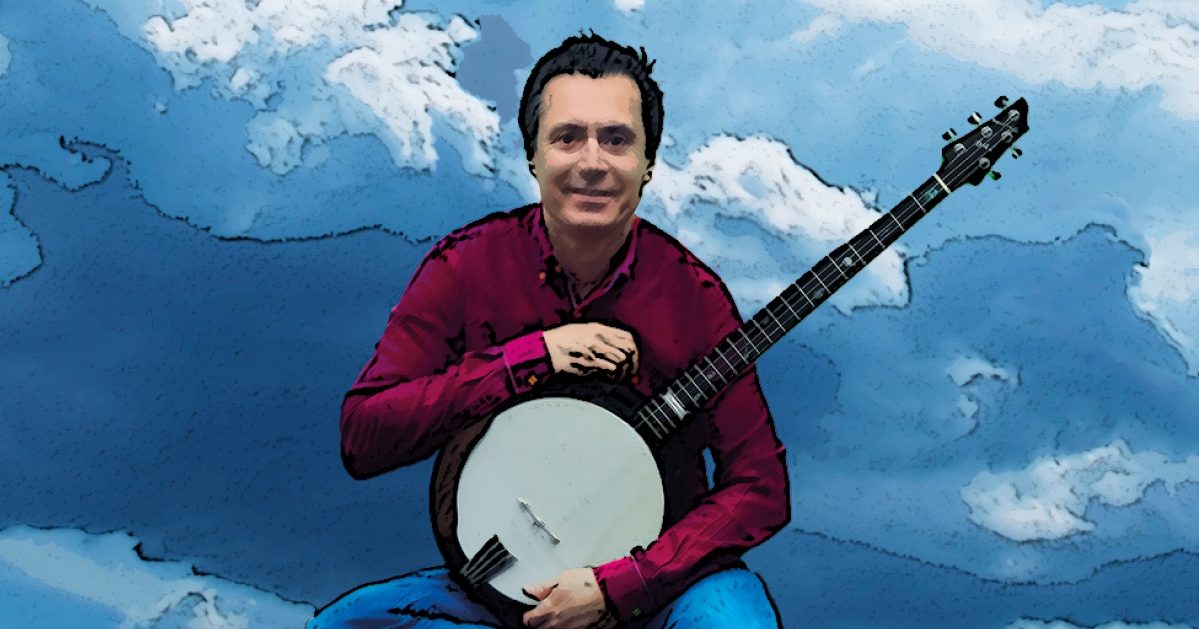
In Their Words: “’Here’s to the music that we make at night till we feel alright.’ I honestly don’t know what would have become of me if I hadn’t fallen in with the bluegrass community at Sunny’s Bar in Red Hook, Brooklyn in 2017. The music and the musicians got me through some very dark times. This is really a love song to that whole scene. This was the first tune I wrote for the record (although it went through about a hundred revisions). In fact, it’s the first thing I had written in a long, long time. Stylistically it was very different from anything I had done before. I integrated some of the prominent features of the old folk and bluegrass music I’d been immersing myself in with my singer-songwriter background and landed on something that felt fresh to me. That approach informed all of the songs that came after it.” — J.M. Clifford
Artist:Phil Leadbetter Hometown: Knoxville, Tennessee Song: “I Will Always Love You” Album:Masters of Slide: Spider Sessions (Various Artists) Release Date: June 25, 2021 Label: Mountain Home Music Company
In Their Words: “I always loved this tune. I remember the first time I heard Dolly sing this live, it just killed me! Not only her voice, but the lyrics to the song were so heart-wrenching. I saw her many times telling the story about how the song came about. The story is a very sad one. I used to drive around and listen to that song from several of Dolly’s compilation albums, and it always had such a great melody that I kept hearing in my head over and over. I started messing with it, and liked the direction it was going. In 2010, I got a brand new Scheerhorn guitar. I was at a friend of mine’s home, and I was curious to see how the guitar sounded. I started noodling around and playing different songs to see how the new guitar sounded. My friend told me that I should seriously think about keeping the track. The track got lost over the years, but one day while looking through a bunch of files, I found it!! Me and my engineer worked on it, and I had thought about using it a few years back. So happy I saved it so it could be part of the Masters of Slide album.” — Phil Leadbetter
Artist:Nefesh Mountain (Eric Lindberg and Doni Zasloff) Hometown: Brooklyn, New York City (born & raised); Montclair, New Jersey (current locale) Latest Album:Songs for the Sparrows
If you had to write a mission statement for your career, what would it be?
As a musician, there are times when you have to sit and write, practice and create music — this process can be so inward, so solitary and alone. But these quieter moments are also filled with their own kind of magic, the kind that personally sustains you and over time hopefully also helps define you as an artist. There are other times when you find yourself in this great shared musical community with friends, bandmates, mentors, and of course audiences and fans. In these moments, we get to experience it all together as a community. I love all of it, and this crazy cycle that we go through as artists — it’s a great question, the mission statement. And while we’ve never really thought of our career having a “mission” exactly, there is a word that comes to mind that for me applies to all aspects of our musical life, and that is inspiration. Doni and I both want to inspire new thought and ideas with our music, and hope that through song we’re able to depict a better world than the one we see sometimes these days. But inspiration also flows in all directions, and we can feel it from an audience just as easily as they can feel it from us, which is such an encouraging thought. Ultimately for me, I think it’s the drive to inspire and be inspired that fuels a song, improvisation, lyric, or melody, and I’d consider us so lucky just to continue to keep receiving, and giving inspiration back and forth throughout our career… I guess you could say invent, inspire, repeat! — Eric Lindberg
Which artist has influenced you the most … and how?
For me it’s sometimes hard to separate music from life, and vice versa — and when asked this question, I always seem to come back to the artists that’ve shaped me over the years, especially at pivotal moments in my life. As a child, I remember being obsessed with the songs on “Free To Be You And Me.” The songs, messages, and humor on this album opened up a whole new world of inspiration for me at the time. We still listen to it with our kids today! Being a strong woman in the musical world is something that is just so important to me, and in part this is thanks to my next phase of musical influences: Joni Mitchell, Carole King, Carly Simon, Dolly Parton, Emmylou Harris, and Joan Baez. For me, I came to a lot of bluegrass and old-time musical forms by way of these artists, tracing backwards from them and finding this amazing and wide world of Americana music like the Carter Family, Ola Belle Reed, Doc Watson, and so many others. Today, I’m also beyond proud that both my and Eric’s biggest bluegrass influences have become dear friends and collaborators on our albums: Jerry Douglas, Sam Bush, John Doyle, Bryan Sutton, David Grier, and Mark Schatz among others, have all had such a deep influence on our music, and we’re so grateful for it. — Doni Zasloff
This is such a hard one. There are so many people who have been heroes and “north stars” in my musical life over the years, yet there are two names that always seem to jump to mind when I get asked this question: Pat Metheny and Béla Fleck. I think that I’ve always been drawn to artists who are able to portray their own world on their own terms, and Pat and Béla have done this time and time again, not only defining their sound as composers and improvisers, but all while truly pushing the boundaries of their instruments as well — guitar and banjo, respectively. I also learned early on through them, as well as others like Miles Davis, Bill Monroe, Bill Frisell and more, the importance of composing your own music, and that has been a huge influence on me as it relates to Nefesh Mountain. When I think of Pat and Béla’s music, I actually think of their compositions first. Pat’s “Question and Answer,” “Bright Size Life,” “Farmer’s Trust,” “Letter From Home,” “Last Train Home” and Béla’s “Spanish Point,” “Whitewater,” “Big Country,” “See Rock City,” “Up and Running” to name a few, have all been huge inspirations for me. I’ve learned so much from listening to these two over the years, and not all of it has been exactly music-related. They both always seem to take risks, break rules, and push forward with an inner drive that is just so inspiring to me, and they’ve help pave this musical road out there for other folks, like us perhaps, who also want to build their own world and story on their own terms. — EL
(L-R): Alan Grubner, Eric Lindberg, Doni Zasloff, Max Johnson, David Goldenberg
What’s your favorite memory from being on stage?
We’ve had so many incredible moments over the years, and one that always comes to mind for me was a number of years back at one of our first IBMA Wide Open Bluegrass festivals in Raleigh, NC. Our music, especially in a more traditionally bluegrass environment like IBMA, can be a bit different, to say the least. We were playing the 5:00 pm spot at the Capitol Stage, right in the center of the city, about to play a set that we knew had a few songs with Hebrew in them. I remember standing backstage looking out at a few thousand people at least, and just being terrified, scared that we would not be accepted for who we are. If you’ve never been, Wide Open Bluegrass is kind of a festival meets street fair. There are no tickets, and for these few days, about a million or so people in Raleigh come out to see some of the best bluegrass music around. So I’m looking out at this crowd that is growing by the second — and in my mind just assumed that they would all leave once they heard a lyric in Hebrew. But in the blink of an eye, I feel Eric come up next to me, grab my hand, and whisk me onto the stage — and less than 60 seconds later we were into our first song. I can barely remember any of the music from that particular performance, but what I do remember are the faces in the crowd… the smiles, the applause, the tears, the joy, the hope, and the rapidly growing numbers of people! When we got to our last song the crowd had more than tripled in size and we received our first standing ovation from the city of Raleigh, NC. It was a show and feeling I’d never forget. Of course, we’d played countless shows before and after that one, but there was a different sense of unknowing that day, of a deeper unknown, and felt like a trust fall between us and all the folks in that crowd who overwhelmingly all reached and caught us! – DZ
What other art forms — literature, film, dance, painting, etc — inform your music?
I think about this a lot, actually. I’m always curious about this connection between music, film, dance, literature and sometimes art as well — that all of it takes place, unfolds, and exists over time. A song, album, TV show, movie or book all have a specific and unique length, and I love that it’s our job as creators to ultimately tell a story within the parameters of our own medium. Our newest album, Songs for the Sparrows, is for me our most “cinematic” yet, in that we really wanted the album as a whole to take on the dramatic flow and characteristics of a film. We took a lot of time to write themes and motifs for this album, both melodically and lyrically, that would weave in and out of the songs. For us, these are our “characters” — the different voices and melodies that make appearances throughout. We also wanted a clear and definite beginning, middle, and end to the album, but overall really wanted it to feel like one story and one experience. I think the most exciting part of attempting to make music in this “cinematic” way is that it forces me to think more visually about the songs… to really focus on the images that we’re striving to create with all these beautiful acoustic instruments. There is a piece on the record called “Suite for a Golden Butterfly,” and for this one, Doni and I actually sat down and wrote out a detailed narrative before even a note of music was written. The music to all five movements came from this story that we wrote together about a Jewish family from Eastern Europe who flees to America to escape the Nazis, and for us it was such an exciting way to collaborate — each putting our own visuals, thoughts, and ideas into the music. — EL
Which elements of nature do you spend the most time with and how do those impact your work?
The natural world has had a profound influence on our music and lyrics over the years, and as songwriters and composers, we are always looking for ways to convey feelings, stories, and emotions that will resonate, both with ourselves and the listener. We all in one way or another have such a strong relationship with the world around us, and we often lean on this shared “common ground” in our songs, and really love telling our story through the lens of these universal images of rivers, canyons, forests, fields, and of course mountains! One of the great gifts of being a touring musician is having the chance to see the world. When I sit at home at my desk to write or compose a new piece, my mind will often wander on its own, referencing images of the mountains of Colorado, the coasts of Maine, the California sun, the peaks in Switzerland, the hills and valleys in Ireland. It’s a bit abstract and hard to measure, but for me, these elements of nature and personal memories come out in our work all the time — sometimes in an intended lyric or melody, and sometimes in just a few notes of an improvised solo. — EL
We’re always looking for connections in our music… ways of telling our story and how we see the world while bridging bluegrass music with our heritage as Jewish Americans. One common thread that beautifully runs through Americana music and Jewish tradition is the undeniable reverence shown for our natural world, and that connection is so encouraging for me! We so often only look at our differences these days — our backgrounds, skin color, religion, gender, or even musical genre — but over the years of traveling and making music, I’ve found that we can just as easily look at all the things that connect us, that we have in common. Strangely enough, it’s a choice that we can make every day, and it gives me comfort to know that despite our differences we’re all “Somewhere on This Mountain” all at once, all looking up at the same trees, clouds, and sky every day. — DZ
Artists:Cat Clyde & Jeremie Albino Hometown: Toronto, Ontario, Canada Song: “Hello Stranger” (The Carter Family cover) Album:blue blue blue Release Date: May 21, 2021 Label: Cinematic Music Group, Majesticsilk (CAN)
In Their Words: “It’s amazing to think the first recording of this old folk song was done about 80 years ago. It feels sad, but also beautiful. Playing with the perspectives brings out the vulnerability in the song. We’re all strangers really — but great connection can come from this knowing and an openness can unfurl that may not be there with someone you are already close to.” — Cat Clyde & Jeremie Albino
2020 was a year of many things – COVID-19, existential elections, the shuttering of the music industry, and on and on – but one common, non-catastrophic throughline of the musical variety was cover songs. Many musicians and artists, finding themselves with more free time than usual and more standard-fare albums and cross-continental tours back-burnered, took the opportunity to explore live records, collaborations, and yes, covers. From Molly Tuttle to Wynonna, livestreams to socially-distanced shows, covers became an unofficial pandemic pastime.
Now, in 2021, many of these cover projects conceived and created in 2020 have made it to store shelves – digital and otherwise – and we’ve collected ten tributes worth a listen:
Shannon McNally covers Waylon Jennings
It’s fitting that Shannon McNally released The Waylon Sessions on Compass Records, whose headquarters now occupies “Hillbilly Central.” As Tompall Glaser’s former studio, the building helped give rise to country’s outlaw movement and it’s where Waylon himself recorded. With guests like Jessi Colter, Buddy Miller, Rodney Crowell, and Lukas Nelson, the project recontextualizes Waylon Jennings’ material, which is usually associated with hyper-masculine wings of the country scene. As McNally puts it in a press release, “What Waylon Jennings brought to country music is what country music needs right now, and that unapologetic and vulnerable sense of self are what women are tapping into artistically right now as the industry evolves.”
Steve Earle covers Justin Townes Earle
Many a musical child has covered their parents’ catalogs in retrospect, but it’s rare that we see the reverse. A gorgeous, gutting, and laid-bare album, Steve Earle’s J.T. is a ten-song tribute to his son, Justin Townes Earle, who passed away suddenly in August 2020, shocking the Americana and folk communities. Earle’s signature emotion bristles and crackles throughout the project, giving Justin Townes’ songs an even stronger quality of visceral electricity. Proceeds from the album will go to a trust for Etta St. James Earle, Justin Townes’ daughter and Steve’s granddaughter.
The Infamous Stringdusters cover Bill Monroe
Spread out from North Carolina to Colorado and beyond, the Infamous Stringdusters utilized home recording from their respective studios during the pandemic to accomplish musical creativity their jam-packed schedule hadn’t really allowed in the “before times.” Their brand new EP, A Tribute to Bill Monroe, returns the virtuosic jamgrass outfit to territory familiar to those who first found the group when they were cutting their teeth, striding out from traditional bluegrass into the vast, expansive newgrass-and-jamgrass unknown. The project illustrates that the true strength of this ensemble is found in utilizing traditional bluegrass aesthetics for their own creative purposes. For example, you might listen through the entire record without realizing the Stringdusters made a Bill Monroe tribute album without mandolin!
Mandy Barnett covers Billie Holiday
Mandy Barnett is a cross-genre chameleon; between her talent, her voice’s timeless Americana tinge, and her appetite for classics — from Nashville staples to the American songbook — she often finds herself reaching far beyond Music Row and classic country to R&B, standards, and in her most recent release, Billie Holiday covers. Every Star Above was recorded in 2019, pre-pandemic, and includes ten songs from Holiday’s 1958 Lady in Satin album – songs previously also covered by Frank Sinatra, Dinah Washington, and many, many others. The project feels akin to Linda Ronstadt’s pop and big band forays, never fully detached from Barnett’s country roots, but built atop their solid foundation. In another Ronstadt-esque move, Barnett partnered with recently departed jazz arranger Sammy Nestico; Every Star Above was the award-winning composer’s final project.
Charley Crockett covers James Hand
Country-western crooner Charley Crockett is truly prolific, having released nine full-length albums in the past six years. As the story goes, before his friend, acclaimed Texan singer-songwriter James “Slim” Hand passed away unexpectedly about a year ago, Crockett promised he would record his songs. “Lesson in Depression” captures the sly, winking quality of the best sort of sad-ass country, which isn’t burdened by its own melodrama. While it’s certain Crockett (as Tanya Tucker would put it) would have rather brought Slim his flowers while he was living, there’s a poignancy in how 10 For Slim – Charley Crockett Sings James Hand, like Earle’s J.T., immediately demonstrates how these impactful musical legacies will live on.
Lowland Hum cover Peter Gabriel
Lowland Hum’s album covering Peter Gabriel’s So — which they’ve cutely and aptly entitled So Low — began as a passing joke, but the folk duo of husband-and-wife Daniel and Lauren Goans followed the passion and fun that led them to Gabriel’s hit 1986 release, quickly unspooling the passing whim into inspiration for a full-blown project. “We already loved the iconic record, but in translating Gabriel’s melodies and otherworldly arrangements,” they explain on their website, “we fell even deeper in love with the songs, Gabriel’s voice, and his uncanny ability to fully inhabit both vulnerability and playfulness…” Their “quiet music,” minimalist approach is well suited to the material and the entire project is incredibly listenable, comforting, and subtly envelope-pushing.
Chrissie Hynde covers Bob Dylan
After The Bard released “Murder Most Foul” and “I Contain Multitudes” early in 2020 (and in the pandemic) founder, singer, songwriter, and guitarist for The Pretenders Chrissie Hynde was inspired to once again revisit Dylan’s catalog – a limitless fount of material with which she was already intimately familiar. Her new album, Standing in the Doorway, features nine Dylan tracks recorded with fellow Pretenders guitarist James Walbourne – almost exclusively via text message – and for their coronavirus YouTube video series. Hynde opts for deeper cuts, showcasing her affinity for swaths of Dylan’s career often overlooked by other would-be cover-ers. This classic, “Tomorrow is a Long Time,” feels appropriately sentimental and longing, a perfect encapsulation of the day-to-day of the realities of the pandemic, filtered through a Bob Dylan lens and Hynde’s distinctive voice.
Various Artists cover John Lilly
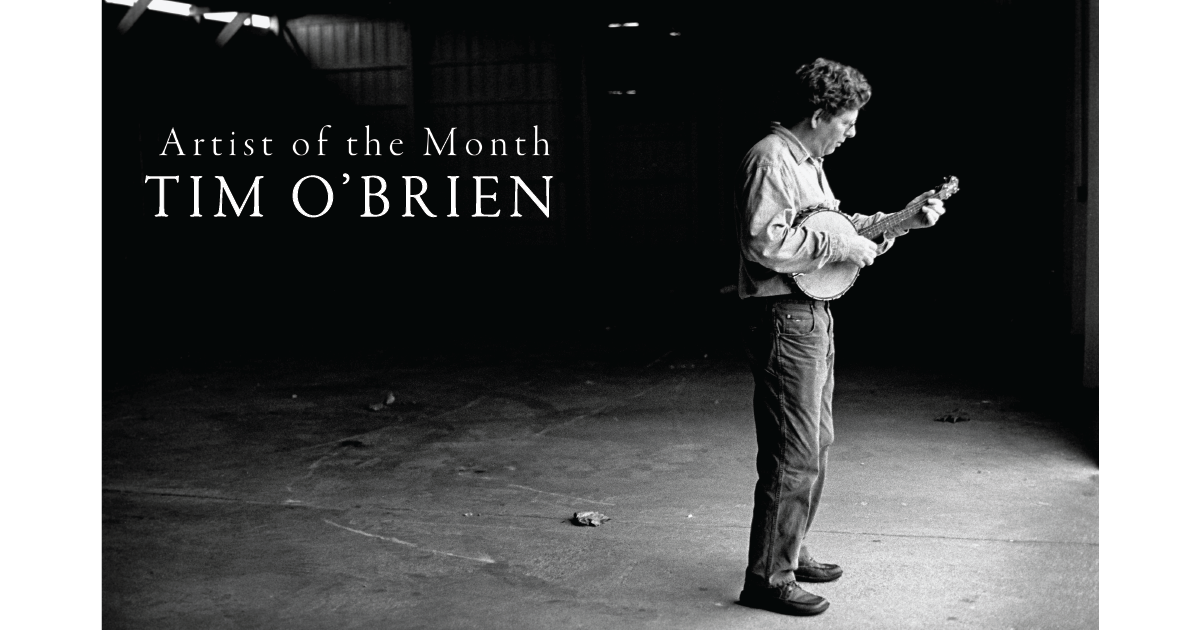
John Lilly is a songwriter’s songwriter. Based in West Virginia, his original music has been covered by modern legends like Tim O’Brien, Kathy Mattea, and Tom Paxton. April In Your Eyes: A Tribute to the Songs of John Lilly gathers various artists from the folk, old-time, and bluegrass communities – in West Virginia and otherwise – spotlighting the incredible depth and breadth of Lilly’s catalog. The title track is stunningly rendered by Maya de Vitry and Ethan Jodziewicz, who were connected with Lilly originally through West Virginia’s iconic old-time pickers’ gathering affectionately referred to as “Clifftop.” Paxton, O’Brien, and Mattea all make appearances on the project, as do Brennen Leigh & Noel McKay, Bill Kirchen, and many other members of Lilly’s musical family and inner circle, giving the project an intentional and intimate resonance.
American Aquarium cover ’90s Country Hits
BJ Barham’s American Aquarium dropped a surprise album, Slappers, Bangers, & Certified Twangers: Volume One in May. Featuring ten covers of some of the band’s favorite ‘90s country hits, it’s a dose of all-star-tribute-concert packaged in a pandemic-friendly stay-at-home-form – and available on John Deere Green vinyl, of course. One particularly sad casualty of the coronavirus pandemic has been these sorts of musical nostalgia bombs – when was the last time any of us attended a theme night or tribute show at say, the Basement East in Nashville or Raleigh, NC’s The Brewery? – and Slappers, Bangers, & Certified Twangers has us in the mood to attend the first ‘90s country covers live show possible now that things are finally reopening.
Various Artists cover John Prine
A year without Prine seems far, far too long to travel with such a Prine-shaped hole in our musical hearts. But his presence and legacy certainly still loom large; the Prine family has announced “You Got Gold: Celebrating the Life & Songs of John Prine,” a series of special concerts and events held across various venues in Nashville in October. Oh Boy Records is also planning to release a new tribute record, Broken Hearts and Dirty Windows: Songs of John Prine, Vol. 2, to coincide with You Got Gold. The first two tracks from the project that have already been unveiled feature Sturgill Simpson performing “Paradise” and Brandi Carlile’s rendition of “I Remember Everything,” which you can hear above. Each month until October, the Prine family and Oh Boy will release another song from the project, unveiling special guests who each pay tribute to Prine, his songs, and the enormous vacuum his loss has left in the roots music industry.
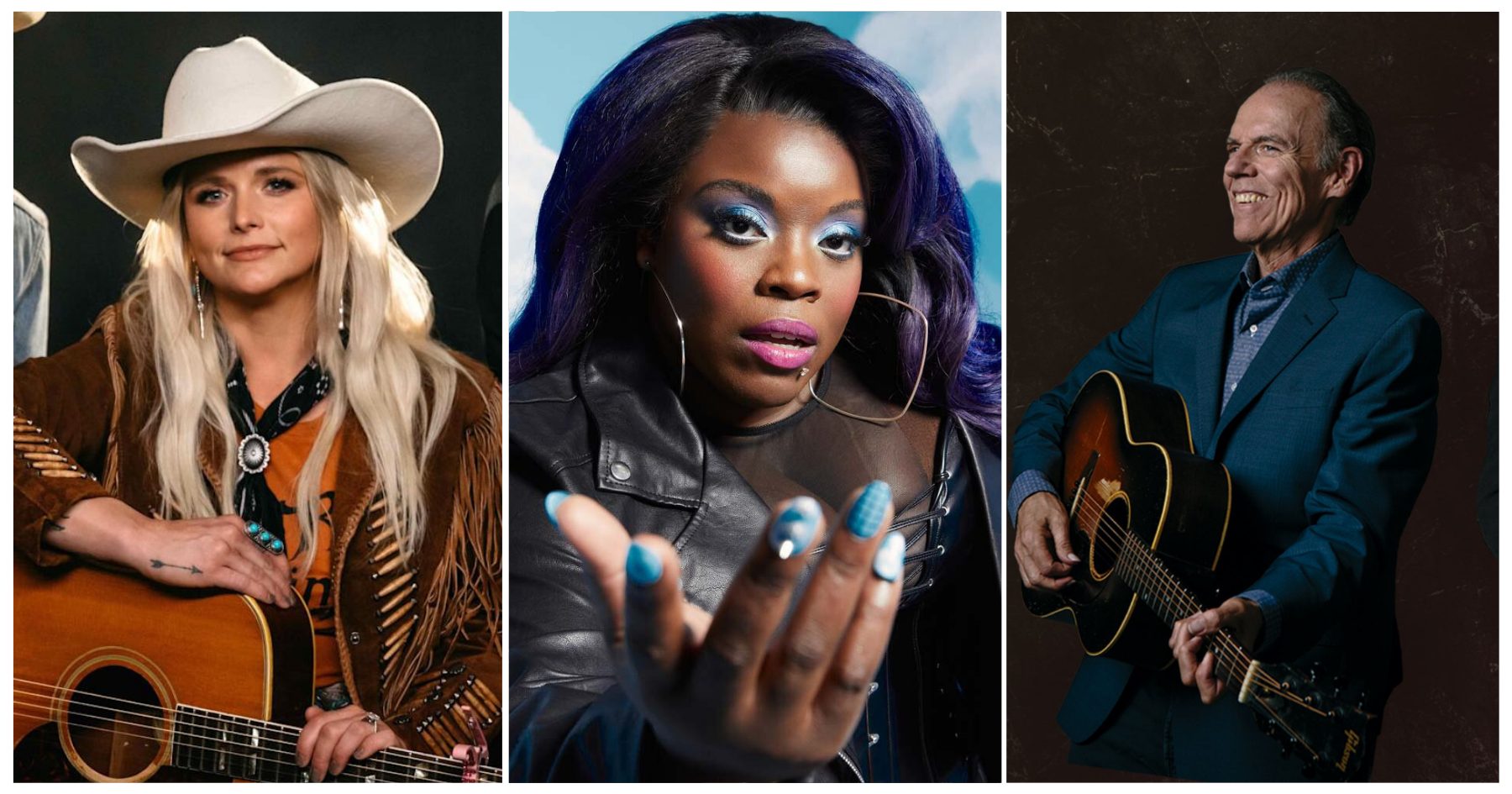
Welcome to the BGS Radio Hour! Since 2017, this weekly radio show and podcast has been a recap of all the great music, new and old, featured on the digital pages of BGS. This week, we bring you new music from our June Artist of the Month, Chris Thile, as well as Robert Finley, Oliver Wood, and much more! Remember to check back every week for a new episode of the BGS Radio Hour.
Singer-songwriter Robert Finley first picked up a guitar at age 11. He was raised in Jim Crow-era Louisiana amongst a family of sharecroppers and knew from a young age that his dream was to sing. Now, at sixty-seven-years-old, that dream is alive and well with his newly-released, third solo album, Sharecropper’s Son, made in collaboration with Dan Auerbach of The Black Keys. BGS recently caught up with Finley to talk about the new album, and how his upbringing and vast life experiences have shaped his music.
For David Swick of DoomFolk StarterKit, recording any of Gillian Welch’s work is an honor. His cover of “Look at Miss Ohio” has a balance of lightness and melancholy in its’ arrangement, which Swick says represents the song’s theme of “making peace with uncertainty.”
Zach Person was inspired to write “Wanna Fly” after reflecting upon the social and political intensity of 2020. He cites “Dylan-esque” protest songs and the openness of the western plains as the two main influences of this powerful track.
“Call Me Up,” from Lula Wiles’ new album, Shame and Sedition, is a lighter track amongst an album that aims to transform listeners and enact change. Between tender harmonies and mellow piano chords, the trio describes meeting with an old acquaintance, singing, “I know you’ve been taking it rough / You gotta just call me up.”
BGS spoke with Oliver Wood of The Wood Brothers for a 5+5 in support of his new solo record, Always Smilin’. He told us about his biggest influences — from Ray Charles to Levon Helm — as well as how hard times can be processed through songwriting. When asked to write a mission statement for his career, he stated: “Just be completely yourself, because that’s all you have, and that’s enough.”
Dana Sipos’ “Breathing Barrel” is a meditation of being at peace with the present moment. Written immediately upon returning home to the city from a music residency at the Banff Centre for the Arts, deep in the foothills of the Canadian Rockies, this song is an attempt to integrate a very powerful experience into the more mundane, everyday life.
Shannon McNally reimagines Waylon Jennings’ “This Time” by giving the lyrics a personal spin — singing not about a lover, but instead about her relationship with the music business as an artist and as a woman. For McNally, the song’s directness is a breath of fresh air, and it helped her get into the headspace that permitted her to sing the rest of the album.
The name Chris Thile is likely familiar to fans in any corner of roots music. Growing up in southern California, Thile rose to popularity with his childhood (and sometimes still adult) band Nickel Creek, and has since helped form the Punch Brothers, the Goat Rodeo Sessions, and other noteworthy collaborations. However, this summer Thile brings something special — a completely solo album entitled Laysongs. In celebration, he is our Artist of the Month, so be sure to stick around all month long for exclusive content from Chris Thile.
Mara Connor recorded “Old Man” at the same age Neil Young was when he wrote it about a caretaker who lived on his ranch. When she first heard the track, she was struck by the amount of empathy the songwriter exhibited at such a young age. Connor states that the song is an affirmation of how the world would be a better place if we took the time to see the humanity in each other’s eyes.
2020 was a difficult year for us all, and it seems that we need uplifting music more now than ever before. “Thankful” is just that. The lyrics are a powerful reminder of the things we have to be grateful for and of the important things in life.
Inspired by their recent release and the blooming of spring, Rising Appalachia’s Leah Song created a Mixtape for BGS, entitled Rising Appalachia’s Love Songs for Blooming Spring. The playlist features heartbreakers and heart-menders from John Prine to Hozier that are sure to make your heart bloom.
Eli Lev’s “As It Is” began to develop halfway through a 10-day meditation retreat he went on near the Florida coast at the beginning of the year. He states, “I experienced silent sunrises over the ocean and brilliant sunsets over the bay that brought on infinite color variations and led me to a unique insight that everything is changing while staying exactly ‘as it is’ in every moment.”
Featuring the sweet sounds of classic country twang and harmonies by singer-songwriter Michaela Anne, Kyle Lalone’s “Learning How to Love” is a song that details the process of understanding how to be a good partner and showing up for someone in a relationship.
Photos: (L to R) Robert Finley by Alysse Gafjken; Shannon McNally by Alysse Gafjken; Chris Thile by Josh Goleman
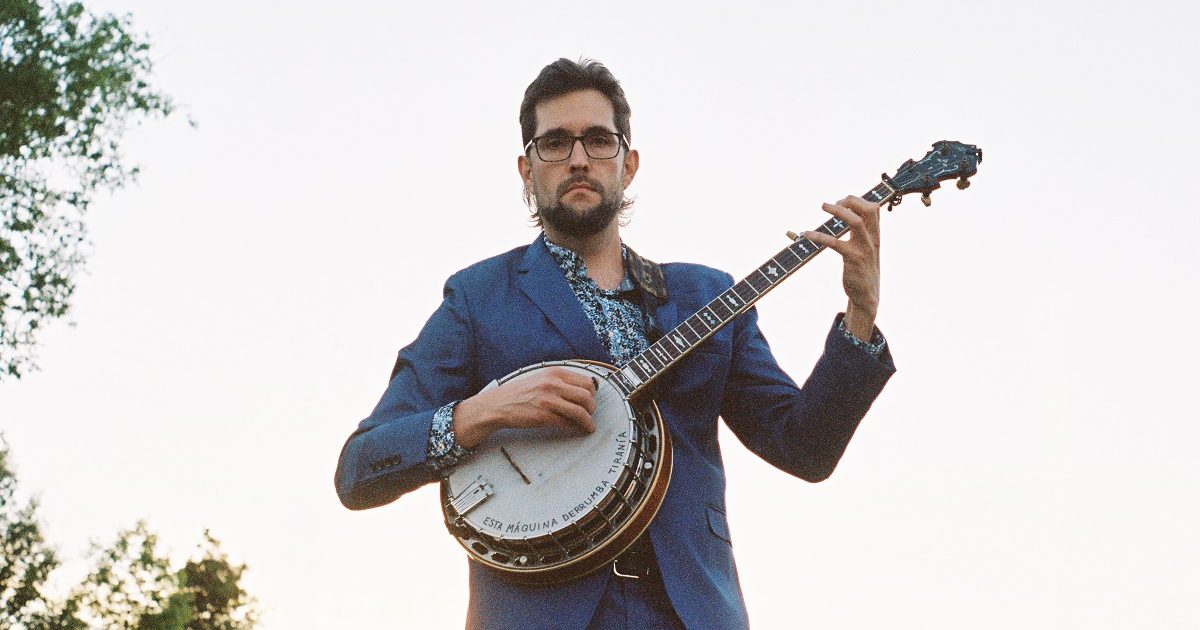
Artist:Wilson Banjo Co. Hometowns: Steve Wilson: Spencer, N.Y., and lives in Westminster, S.C.; Sarah Logan: Gorham, Maine, and lives in Johnson City, Tenn. Song: “When the Crow Comes Down” Album:Six Degrees of Separation Release Date: June 4, 2021 Label: Pinecastle Records
In Their Words: “’When The Crow Comes Down’ is a really well-written story song that was co-written by a tremendous Nashville singer-songwriter, Jordan Rainer. We fell in love with the spooky theme and the imagery she created. The Appalachian tone and timbre of Sarah’s unique vocal was perfect for the delivery. Creating the mood for this song through arrangement was exciting, but it was the artists who all truly captured my vision. Richard Bennett and I work together a lot in the studio and his distinctive guitar picking constantly blows my mind. I was so honored when he agreed to be such a huge part of this project! And Deanie Richardson’s fiddle was the perfect fit for this song! She’s able to perfectly capture each emotion in the story; she is truly outstanding. Everyone’s contributions came together to create such an amazing final recording for this song! A video was a must! And who doesn’t enjoy a good scary movie? Bonfire Music Group did a great job with the production and we all had fun watching Sarah get creepy! We hope you enjoy it!”– Steve Wilson, Wilson Banjo Co.
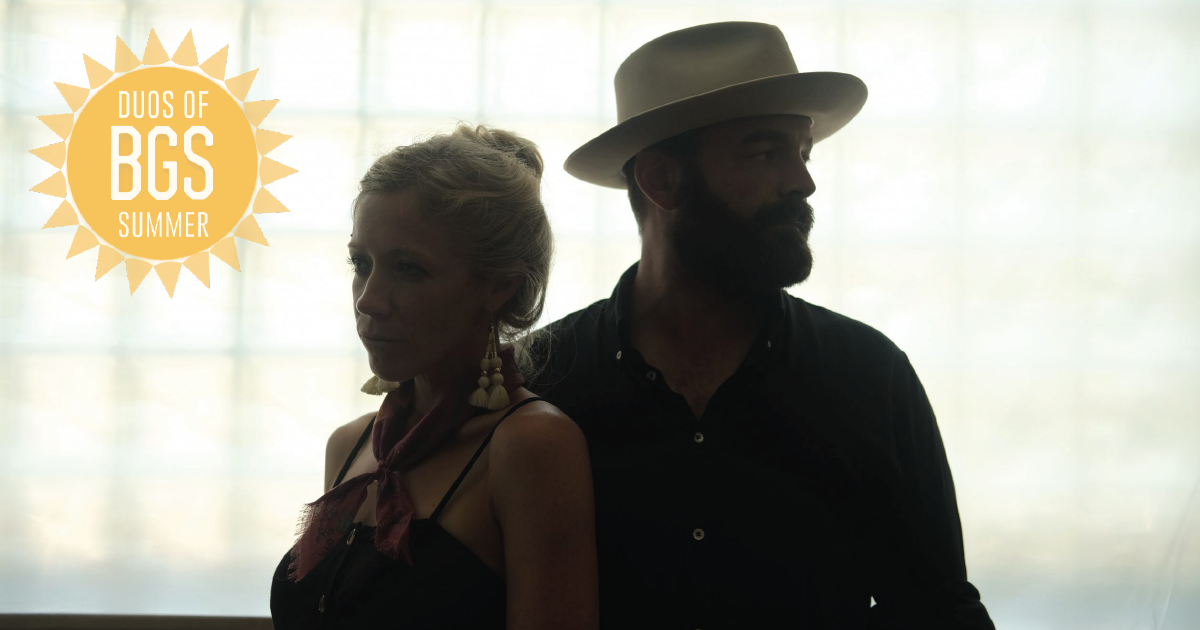
Every week for the past few years, we’ve brought you a radio show, and now podcast, revisiting all the great music recently featured on the pages of BGS. This week, we bring you a special episode for our Duos of Summer series — a musical recap of our 2019 collection of the 22 Best Bluegrass Duos.
We’re listening to some of these classic duos, and exploring bluegrass’ longstanding and continuing tradition of wonderful duet harmony, be it sibling or otherwise. And while most fans of the genre may recognize names like Flatt & Scruggs or the Monroe Brothers, here you’ll also find newer acts that are following the path laid by those hall-of-famers.
Head to the original story to explore the full list while you listen!
This website uses cookies to improve your experience. We'll assume you're ok with this, but you can opt-out if you wish.AcceptRejectRead More
Privacy & Cookies Policy
Privacy Overview
This website uses cookies to improve your experience while you navigate through the website. Out of these, the cookies that are categorized as necessary are stored on your browser as they are essential for the working of basic functionalities of the website. We also use third-party cookies that help us analyze and understand how you use this website. These cookies will be stored in your browser only with your consent. You also have the option to opt-out of these cookies. But opting out of some of these cookies may affect your browsing experience.
Necessary cookies are absolutely essential for the website to function properly. This category only includes cookies that ensures basic functionalities and security features of the website. These cookies do not store any personal information.
Any cookies that may not be particularly necessary for the website to function and is used specifically to collect user personal data via analytics, ads, other embedded contents are termed as non-necessary cookies. It is mandatory to procure user consent prior to running these cookies on your website.